
...
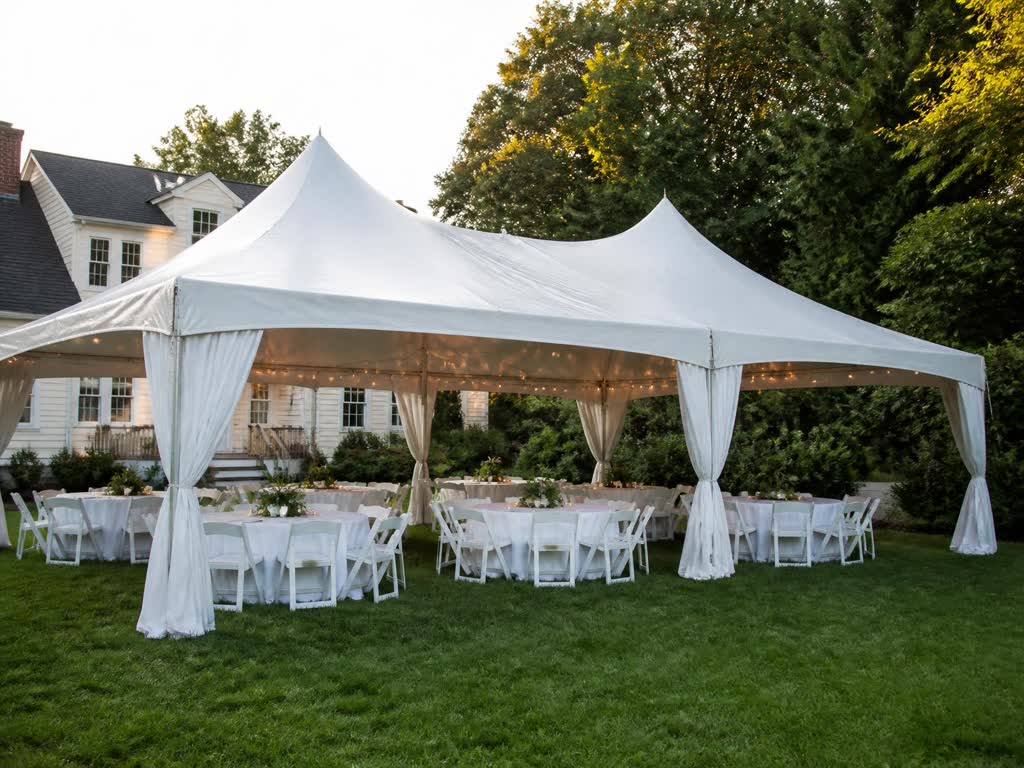
family reunion rentals Winder ga
...
...
family reunion rentals Winder ga
...
...

Choosing the Right Tent Size for Your Guest Count
...
...
Choosing the Right Tent Size for Your Guest Count
...
...
Guest‑Count Math
Understanding Seating Capacity
When planning an event the first step is to determine how many people will attend. This number drives every other decision from tent size to table quantity. A clear headcount helps avoid over‑renting or running short on seating. Begin with a guest list and add a small buffer for unexpected attendees. Knowing the exact count lets you match the right furniture layout to the space you have available.
Round Tables versus Rectangular Tables
Round tables encourage conversation because everyone faces the center. A typical four‑foot round table comfortably seats four to six guests. A five‑foot round table can hold eight guests with ease and up to ten when the layout is optimized. Six‑foot round tables accommodate ten guests comfortably and up to twelve only in a specially approved arrangement. Rectangular tables work well for buffet lines or family‑style service. A six‑foot rectangle seats six to eight while an eight‑foot rectangle seats eight to ten. Choosing the right shape depends on the flow you want for your celebration.
Calculating Total Seats Needed
Start with the guest count and decide what proportion will be seated at tables versus standing or mingling. For a seated dinner aim for one seat per guest. For a cocktail style event plan for about thirty percent of guests to be seated at any given time, the rest standing or moving. Multiply the number of seated guests by the capacity of the table type you select to find how many tables are required. Always round up to the next whole table to ensure enough space.
Yard Preparation
Assessing the Ground
Before any equipment arrives inspect the surface where the tent will be placed. Look for low spots that collect water, sharp objects, or uneven terrain that could affect stability. Grass should be mowed short and free of debris. If the area is concrete check for cracks that could shift under weight. Mark the corners of the planned footprint with stakes or spray paint so the install team knows exactly where to set up.
Clearing Obstacles
Remove garden furniture, toys, planters, and any other items that might interfere with the tent walls or stake lines. Trim back low‑hanging branches that could snag the fabric. Ensure there is a clear path from the street or driveway to the setup zone for the delivery truck and the crew’s carts. If you have a sprinkler system turn it off and cover the heads to avoid accidental damage during installation.
Protecting the Surface
Lay down ground protection mats or plywood sheets if the soil is soft or if you anticipate heavy foot traffic. This prevents ruts and keeps the area tidy after the event. For concrete surfaces a clean sweep is usually sufficient, but a light rinse can remove dust that might make the tent floor slippery when wet. Always double‑check that the protective layer does not create a tripping hazard for guests.
Load‑In Timeline
Day Before the Event
The delivery crew will arrive the afternoon prior to load the tent poles, fabric, and accessories onto the truck. Confirm the exact address and any gate codes or parking restrictions. Provide a contact phone number so the driver can reach you if needed. If you have pets keep them indoors during the arrival window to avoid stress.
Morning of Setup
At the agreed start time the team unloads the equipment and begins by laying out the ground protection if required. Next they assemble the tent frame, ensuring all bolts are tightened according to the manufacturer’s specifications. Once the frame is standing they drape the fabric over it and secure the sides with straps or stakes. Sidewalls are added if wind or rain is expected.
Final Touches
After the tent is upright the crew moves on to tables, chairs, linens, and any decorative elements such as draping or lighting. Sound equipment is positioned and tested, followed by any bounce houses or water slides that require a power source and water hookup. A walkthrough with the client confirms that everything matches the agreed layout before the event starts.
Rain Plan
Monitoring the Forecast
Keep an eye on the weather forecast in the days leading up to the celebration. If precipitation is predicted the crew can add sidewalls to the tent to keep the interior dry. For heavier rain they may also recommend a larger tent with a higher peak to allow water to run off more efficiently. Having a flexible date in mind can be useful if severe storms are forecast.
On‑Site Adjustments
If rain begins during the setup the team will pause work and cover exposed materials with waterproof tarps. Once the rain stops they will resume and ensure all connections are dry before tightening bolts. Interior flooring can be covered with removable mats to prevent slipping. Guests should be informed of any changes to the planned flow so they know where to gather.
Post‑Event Care
After the celebration the tent fabric should be inspected for any moisture retention. If the fabric is damp it is left open to air dry before being folded and stored. Any pooled water around the base is drained away to protect the ground. The crew will then remove all equipment and leave the site as they found it.
Local Logistics
Service Radius
DecoEvent ATL operates within a forty‑mile radius of Pendergrass, Georgia. This covers a wide range of communities including Braselton, Buford, Cumming, Dacula, Flowery Branch, Gainesville, Hoschton, Jefferson, Lawrenceville, Oakwood, Pendergrass, Sugar Hill, Suwanee, Winder, and many others. When you provide your exact address we verify that it falls inside this zone before confirming availability.
Delivery Charges Based on Distance
Delivery fees are calculated by the mileage from our base in Pendergrass. The first fifteen miles are free of charge. Distances between sixteen and thirty miles incur a set fee, while trips from thirty‑one to fifty miles have a different rate. For locations beyond fifty miles the charge is a fixed amount per mile traveled one way. We will confirm the exact amount once we have your street address.
Parking and Access
Ensure there is a clear, legal parking spot for our delivery truck near the event site. If the location has a homeowners association or gated entry provide the necessary codes or contact information in advance. Narrow driveways or low overhead branches may require a smaller vehicle or additional time to maneuver. Communicating these details early helps avoid delays on the day of the event.
Event Checklist
Four to Six Weeks Out
- Finalize guest count and create a master list.
- Choose event date and confirm availability with our team.
- Decide on tent size and style based on the guest‑count math.
- Select table and chair quantities, linens, and any specialty furniture.
- Pick decorative elements such as draping, lighting, and floral arrangements.
- Arrange for any catering, taquiza, or bounce house rentals.
- Verify that the venue address is within our service radius.
Two Weeks Out
- Send the exact street address, city, state, and ZIP code to confirm delivery charges.
- Confirm power availability for sound equipment and any electronic games.
- Check water access if a water slide or wet bounce house is planned.
- Review the rain plan and discuss sidewall options with the coordinator.
- Provide gate codes, parking instructions, and any HOA guidelines.
- Confirm the start time for load‑in and the expected end time for breakdown.
One Week Out
- Receive the itemized quote and review all line items.
- Make the required deposit to lock in the date and inventory.
- Confirm color choices for linens, draping, and florals.
- Finalize the menu with the taquiza provider if applicable.
- Ensure that all adult supervisors are identified for bounce house use.
- Do a quick walk‑through of the yard to note any last‑minute changes.
Day of the Event
- Be available by phone for the delivery crew’s arrival window.
- Keep pets secured and children supervised during setup.
- After the event, inspect the tent interior for any personal items left behind.
- Confirm breakdown time and ensure the crew has a clear exit path.
- Leave a review or feedback to help us improve future service.