
Introduction
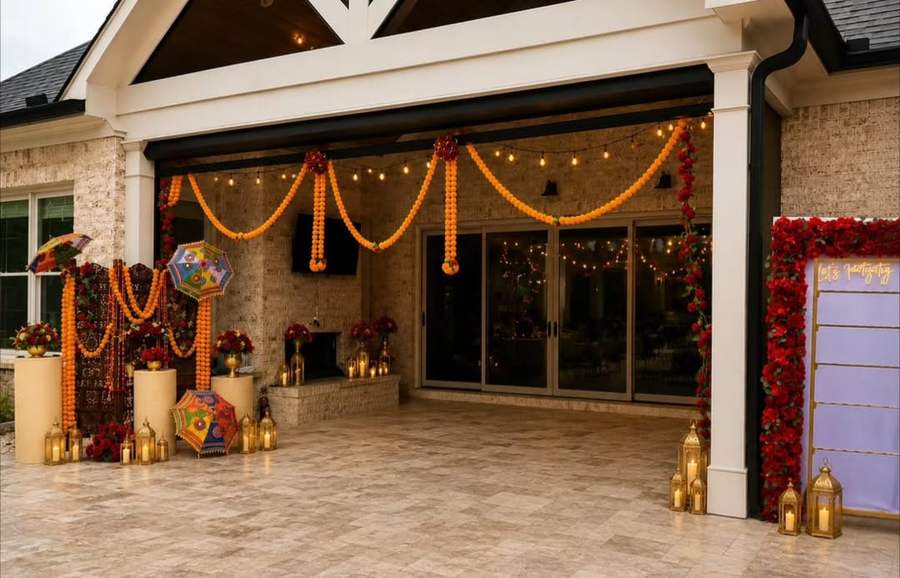
DecoEvent ATL brings full‑service outdoor event solutions to residents of Between Georgia and the surrounding Walton County area. Our team works with families, quinceañera planners, birthday organizers, and anyone looking to transform a backyard into a memorable venue. From tents and tables to draping, lighting, sound, and bounce houses, we handle every detail so you can focus on enjoying the celebration. Below you will find a complete guide covering guest‑count calculations, yard preparation, load‑in timeline, rain plan considerations, local logistics specifics, and a final checklist to ensure nothing is missed.
Guest‑Count Math
Understanding how many guests your space can comfortably accommodate helps you choose the right tent size, table quantity, and seating arrangement. We use verified capacities for each table and tent type to give you a clear picture.
Table Capacities
- A 4 foot round table seats 4 to 6 guests.
- A 5 foot round table seats 8 guests comfortably, with the possibility of up to 10 when the layout is optimized.
- A 6 foot round table seats 10 guests comfortably; a specially approved layout can allow up to 12 guests, but we never guarantee the higher number without a site review.
- A 6 foot rectangular table seats 6 to 8 guests.
- An 8 foot rectangular table seats 8 to 10 guests.
- A cocktail table (30 inch Flash Furniture, 30 or 42 inch height) accommodates 2 to 4 standing guests; plan for roughly one cocktail table per 8 to 12 event guests.
Tent Capacities
- A 10×10 foot tent holds 6 to 8 seated guests or 8 to 10 standing guests.
- A 10×20 foot tent holds 16 to 20 seated guests or up to 25 guests in a cocktail style arrangement.
- A 20×20 foot tent holds 32 to 40 seated guests.
- A 20×30 foot tent holds 48 to 60 seated guests.
- A 20×40 foot tent holds 64 to 80 seated guests or up to 100 guests in a cocktail style layout.
- A 30×60 foot tent holds 120 to 150 seated guests depending on layout, or up to 180 guests in a cocktail style configuration.
By adding the table and tent numbers together you can verify that your chosen layout meets the guest count you expect. If you need a different arrangement, our team can adjust the numbers after reviewing your exact yard dimensions.
Yard Preparation
Preparing your backyard ensures a smooth installation and a safe environment for guests. The following steps apply whether your surface is grass, concrete, or a combination.
Surface Check
- Walk the area and remove any sticks, rocks, or debris that could puncture tent fabric or damage equipment.
- Mark any underground utilities or irrigation lines if you are aware of their location.
- Ensure the ground is relatively level; significant slopes may require additional anchoring or leveling materials.
Access Path
- Clear a path at least 4 feet wide from the street or driveway to the setup zone for our delivery truck and equipment carts.
- If the path crosses a lawn, consider laying down temporary protection boards to prevent turf damage.
- Confirm that there is sufficient overhead clearance for any tall structures such as the 30×60 foot tent or bounce house slides.
Power and Water
- Identify the nearest outdoor GFCI outlet for powering blowers, lighting, and any catering equipment.
- If you plan a wet bounce house or water slide, verify that a garden hose connection is available and that the water pressure is adequate.
- Keep extension cords and hose reels out of walkways to avoid tripping hazards.
Final Touches
- Trim any low‑hanging branches that could interfere with tent sidewalls or lighting strings.
- If you want a dance floor, measure the area and ensure the surface is firm enough to support the portable flooring panels.
- Notify neighbors of the event date and expected noise levels, especially if you plan amplified sound or live music.

Load‑In Timeline
A well‑planned load‑in schedule keeps the setup on track and minimizes disruption to your day. The timeline below assumes a standard start time of 9:00 AM; adjustments can be made for earlier or later events.
Early Morning (9:00 AM – 10:30 AM)
- Arrival of the delivery truck and unloading of tents, frames, and sidewall bags.
- Positioning of the tent base plates and beginning of frame assembly.
- Initial placement of tables and chairs near the staging area.
Mid‑Morning (10:30 AM – 12:00 PM)
- Raising the tent structure and securing sidewalls with stakes or weights.
- Installation of LED tent lighting or bistro strings as requested.
- Laying down flooring for dance areas or cocktail zones.
Noon (12:00 PM – 1:00 PM)
- Break for lunch – crew remains on site to watch over equipment.
Early Afternoon (1:00 PM – 3:00 PM)
- Setting up tables, chairs, linens, and runners according to the floor plan.
- Arranging centerpieces, floral accents, and any decorative draping.
- Placing sound equipment, microphones, and fans in their designated locations.
Mid‑Afternoon (3:00 PM – 4:30 PM)
- Installing bounce houses, water slides, or other entertainment units.
- Testing blowers, verifying proper inflation, and confirming safety mats are in place.
- Running a quick sound check and adjusting lighting levels.
Late Afternoon (4:30 PM – 5:30 PM)
- Final walkthrough with the client to confirm placement of all items.
- Making any last‑minute adjustments to table numbers, chair alignment, or decor.
- Signing off on the setup and preparing for guest arrival.
If your event starts later in the day, simply shift each block forward while keeping the same approximate durations. Our team communicates any changes to the timeline promptly.
Rain Plan
Georgia weather can change quickly, especially during the spring and summer months. We have a clear rain plan to keep your celebration dry and enjoyable.
Sidewall Options
- All of our tents come with optional sidewalls that can be zipped closed to create a fully enclosed space.
- Sidewalls are made of the same waterproof, UV‑protected material as the tent roof.
- We recommend ordering sidewalls for any event with a forecast showing a chance of rain, even if the probability is low.
Alternative Dates
- If severe weather makes setup unsafe (high winds, lightning, or heavy downpour), we can reschedule the event to the next available date that works for both parties.
- There is no fee for moving the date due to weather, but we ask that you notify us as soon as possible so we can adjust crew and equipment allocations.
- We keep a limited inventory of weekend tents, chairs, and bounce houses; securing a new date early helps ensure availability.
Ground Protection
- In case of light rain, we place ground protection tarps under high‑traffic zones such as the entrance to the tent and the buffet area.
- These tarps prevent mud from being tracked inside and keep the flooring dry.
Communication
- Our crew monitors local weather alerts throughout the setup period.
- If conditions deteriorate, we will contact you via the phone number or WhatsApp you provided to discuss options.
- All decisions are made with your safety and comfort as the top priority.
Local Logistics
Serving Between Georgia means we navigate specific county routes, traffic patterns, and municipal considerations. Knowing these details helps us arrive on time and set up efficiently.
County and Route Information
- Between is located in Walton County, approximately 30 miles east of downtown Atlanta.
- The most common approach is via US‑78 (Athens Highway) or GA‑81, depending on your exact address.
- We calculate delivery distance from our base in Pendergrass, GA, using the shortest practical route that avoids low bridges and weight‑restricted roads.
Travel Times
- 0‑15 miles from Pendergrass: typically 20‑30 minutes.
- 16‑30 miles: typically 30‑45 minutes.
- 31‑50 miles: typically 45‑65 minutes, depending on traffic.
Parking and Unloading
- We request a clear, level parking spot capable of supporting a 26‑foot box truck.
- If street parking is limited, we may need to use a driveway or a nearby lot with prior permission.
- The unloading zone should be at least 10 feet wide to allow safe movement of tent bags and equipment.
Noise Ordinances
- Walton County enforces a general quiet hour from 10:00 PM to 7:00 AM on weekdays and 11:00 PM to 8:00 AM on weekends.
- If your event includes amplified sound or live music after these hours, we can lower the volume or switch to acoustic options.
- We are happy to coordinate with any homeowners’ association rules that may apply.
Permits and Notifications
- Most backyard events in Walton County do not require a special permit, but if you plan to close a street or use a public park, you will need to obtain the appropriate authorization.
- We can provide a letter of insurance and equipment specifications upon request to assist with any permit application.
- For events that involve a large number of guests, we recommend informing the Walton County Sheriff’s Office non‑emergency line as a courtesy.
Checklist
Use this checklist to verify that every detail has been addressed before your event day. Print it out or keep it on your phone for easy reference.
Two Weeks Before
- Confirm event date, start time, and expected guest count.
- Provide the exact street address, city, state, and ZIP code.
- Share any specific decor themes, color preferences, or logo items.
- Decide on tent size, sidewall requirement, and any additional structures (dance floor, buffet tent).
- Select table types, chair style, and linen colors.
- Choose lighting option (LED tent lighting, bistro strings, or both).
- Confirm catering plan (taquiza, paella, or self‑provided).
- Arrange for any entertainment (bounce house, water slide, games).
- Inform neighbors about the upcoming event and any expected noise.
One Week Before
- Finalize the floor plan and send it to our team for review.
- Confirm power outlet location and hose connection for wet units.
- Verify that the delivery path is clear of obstacles.
- Order any rentals not included in our package (extra chairs, specialty linens).
- Prepare a backup plan for inclement weather (sidewalls, alternate date).
- Pack a small emergency kit (tape, scissors, zip ties, basic tools).
Day Before
- Do a final walk‑through of the backyard to ensure no new hazards have appeared.
- Charge any battery‑operated devices (speakers, LED remotes).
- Leave a clear note for the crew with contact numbers and any gate codes.
- Set out trash and recycling bins in an accessible location.
- Review the rain plan and have sidewall bags ready if needed.
Morning of the Event
- Be available for the crew’s arrival to answer any last‑minute questions.
- Confirm the exact placement of the tent, tables, and focal points (altar, stage, photo backdrop).
- Check that all sidewalls are properly secured if weather calls for them.
- Test the sound system and adjust volume to a comfortable level.
- Ensure that lighting is turned on and creates the desired ambiance before guests arrive.
- Have a designated point of contact for vendors (caterer, entertainer) to streamline coordination.
After the Event
- Allow our team sufficient time to break down and load equipment.
- Do a final inspection of the yard to confirm no damage or debris remains.
- Return any rented items that are not part of our package.
- Share photos or feedback with us to help improve future services.
- Store any personal decor or keepsakes in a safe place.
Following this checklist will help ensure that your event runs smoothly from start to finish, leaving you free to enjoy the celebration with your guests.
Frequently asked questions
Now FAQ lines: each "Question
Answer". Answer 30-60 words.