
Taquiza Catering Cumming ga: What to Plan for Per Guest in Your Backyard
When you decide to host a celebration in Cumming, Forsyth County, the aroma of freshly grilled meats and warm tortillas can become the centerpiece of the event. Planning a taquiza catering experience means thinking beyond the food itself and considering how many guests will attend, what space you have available, and how the day will flow from setup to cleanup. In this guide we break down each element so you can enjoy a smooth, stress‑free fiesta that highlights the flavors of Mexico while taking advantage of the beautiful yards and neighborhoods off Highway 20, just a short drive from Lake Lanier.
Understanding the basics of portioning helps you avoid waste and ensures everyone leaves satisfied. A typical taquiza spread includes a variety of proteins, fresh salsas, guacamole, lime wedges, and plenty of tortillas. By estimating how many tacos each guest will enjoy and matching that with the right amount of meat and toppings, you create a balanced menu that feels abundant without excess. The following sections walk you through guest‑count calculations, menu selection, yard preparation, timing, weather contingencies, and a final checklist to keep everything on track.
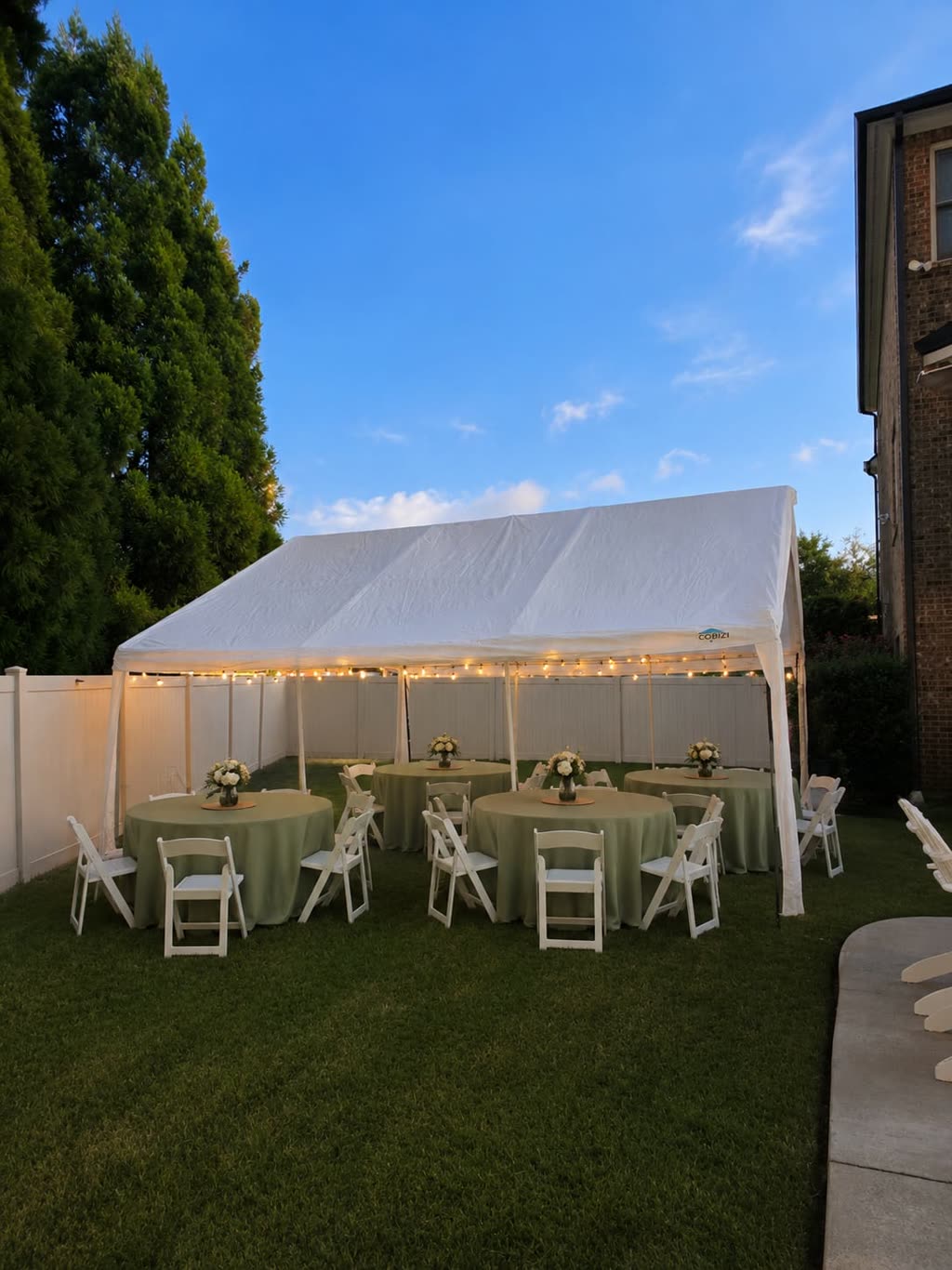
Guest Count and Food Quantities
Start by confirming the exact number of people who will attend your event. This figure drives every other decision, from how much meat to grill to how many tortillas to warm. A common rule of thumb for a taquiza is to plan for three tacos per adult guest and two tacos per child under twelve. If you expect a mix of adults and children, calculate each group separately and then add the totals together. For example, a gathering of fifty adults and twenty children would require roughly 150 adult tacos plus 40 child tacos, for a total of 190 tacos.
Once you have the taco total, translate that into ingredient amounts. For each taco, estimate about two ounces of cooked meat, which means you need roughly 0.125 pounds of meat per taco. Multiply the total taco count by 0.125 to find the total pounds of meat required. For the tortilla count, plan for two tortillas per taco to allow for doubling or tearing, so multiply the taco total by two. Toppings such as diced onions, chopped cilantro, sliced radishes, and various salsas can be prepared in bowls; aim for about a quarter cup of each topping per ten guests to keep the spread fresh and accessible throughout the service.
Menu Options and Variety
A successful taquiza offers a selection of proteins that cater to different tastes and dietary preferences. Traditional choices include carne asada, al pastor, pollo adobado, and chorizo. You might also consider adding a vegetarian option such as grilled nopales or seasoned mushrooms to ensure all guests have something satisfying. When selecting proteins, think about marination times and cooking methods; some meats benefit from overnight marination, while others cook quickly over high heat.
Beyond the main fillings, the salsa bar is where guests can customize their tacos. Prepare at least three salsas ranging from mild to hot, such as a fresh pico de gallo, a roasted tomato salsa, and a smoky chipotle sauce. Include guacamole, sliced avocados, lime wedges, and a selection of shredded lettuce or cabbage for crunch. Warm the tortillas just before service and keep them in a insulated container to maintain pliability. Offering a variety of textures and flavors encourages guests to experiment and enjoy the full taquiza experience.
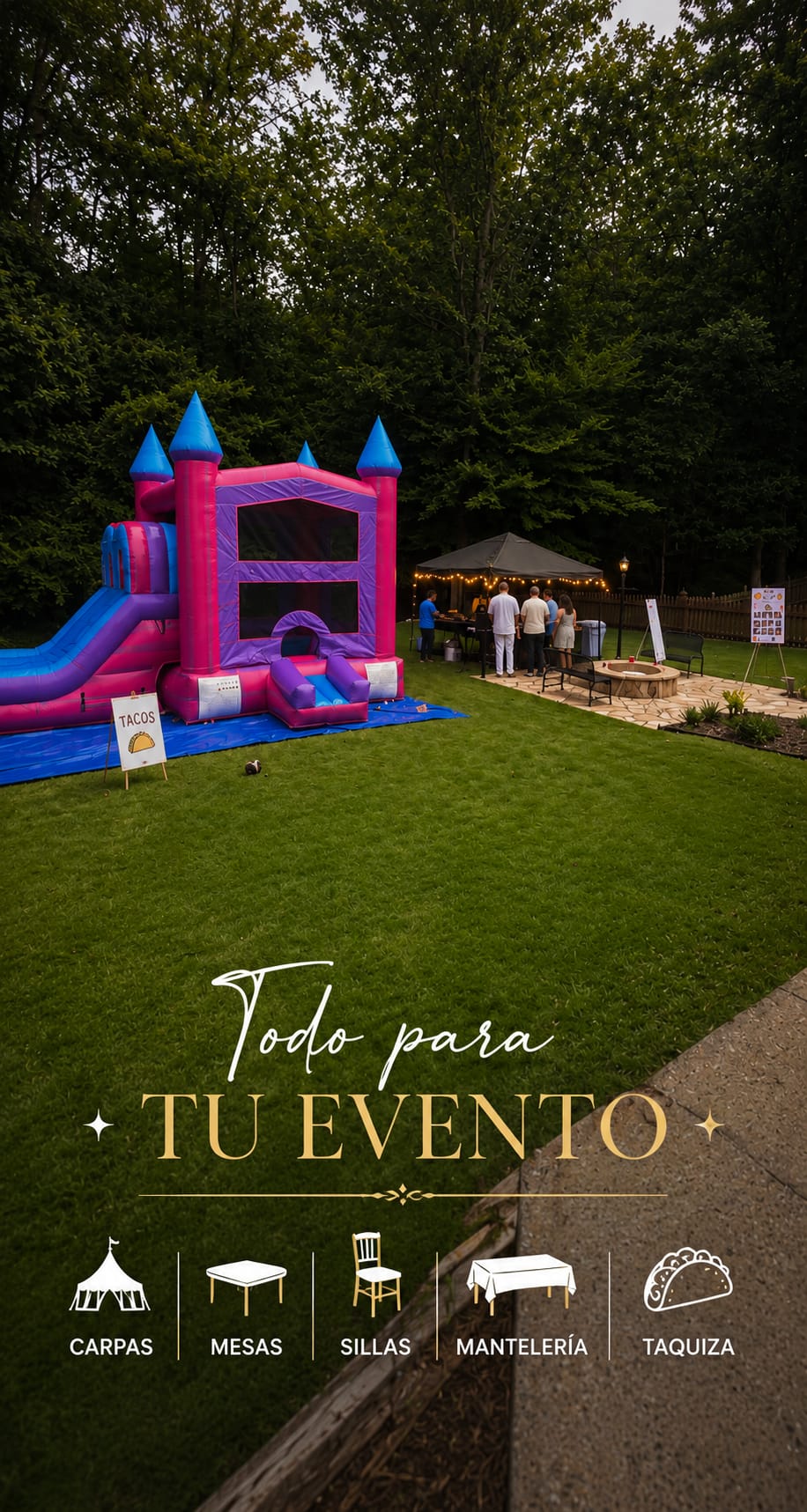
Yard Preparation and Setup
Before the catering team arrives, inspect the backyard for any obstacles that could interfere with the tent, tables, or food service area. Clear away toys, garden tools, or low‑hanging branches that might block access. Measure the space to ensure the chosen tent size fits comfortably while leaving room for guest circulation and a dedicated food line. In Cumming, many homes have sloped lawns; if the ground is uneven, consider using leveling pads or wooden shims under the tent anchors to create a stable surface.
Access for the delivery vehicle is another key factor. The warehouse in Pendergrass, Georgia is roughly thirty‑five minutes away, with the route often taking you past Lake Lanier yards and along Highway 20 toward the neighborhoods where many Cumming residences sit. Confirm that the driveway or street parking can accommodate a box truck and that there is a clear path from the vehicle to the setup zone. If the yard is grass, the team will use appropriate anchoring systems that secure the tent without damaging the lawn, ensuring a safe and professional installation.
Timeline and Schedule
On the day of the event, begin early to allow plenty of time for preparation and setup. Aim to have the catering team arrive at least two hours before the scheduled start time for food service. This window lets them unload equipment, erect the tent, arrange tables and chairs, and prepare the salsa bar and meat stations. While the crew works on the structural elements, you can focus on final touches such as arranging signage, placing welcome mirrors, or setting up any additional décor like lanterns or centerpieces.
Once the tent is up and the tables are in place, the meat should be placed on the grill or warming devices so it reaches the proper serving temperature just as guests arrive. Plan to start serving tacos about thirty minutes after the crew finishes loading the food stations, giving the meats a brief rest to retain juiciness. Keep an eye on the food line throughout the event, replenishing tortillas, toppings, and salsas as needed. After the final guest has been served, allocate roughly forty‑five minutes for breakdown, cleaning, and loading the truck for the return trip to Pendergrass.
Rain Plan and Contingencies
Weather can change quickly in North Georgia, so having a rain plan protects both the food and the guest experience. The primary option is to add sidewalls to the tent, which create a barrier against wind and light rain while still allowing airflow. If the forecast shows a higher chance of precipitation, consider reserving a second, smaller tent—such as a 10×20 unit—to cover the buffet or serving area separately, keeping the main guest space dry for dining and conversation.
In cases where severe weather makes setup unsafe, the date can be rescheduled. Communicate any changes as early as possible, providing the new date and confirming that all vendors, including the taquiza team, are available. Keep a list of nearby indoor alternatives—such as community centers or covered pavilions—just in case a last‑minute switch becomes necessary, though the preference remains to stay outdoors and at‑home as per the company’s service model.
Final Checklist and Coordination
Before the event day, run through a concise checklist to confirm every detail has been addressed. Verify the exact street address, city, state, and ZIP code, and ensure the ZIP matches the service‑area list for Cumming, Forsyth County. Re‑confirm the event date, start time, and expected guest count with the catering lead. Share a contact phone number and WhatsApp information so the team can reach you instantly if any last‑minute questions arise.
On the morning of the event, do a quick walk‑through of the yard to ensure the setup zone remains clear and that any pets or children are safely supervised away from the work area. After the crew departs, take a few minutes to inspect the space for any stray items and to thank the team for their effort. Following these steps helps guarantee that your taquiza catering in Cumming delivers delicious food, smooth service, and memorable moments for everyone involved.
[[FAQ] How many tacos should I plan per adult guest at a taquiza in Cumming, GA? :: Plan for about three tacos per adult guest; this amount provides a satisfying serving while allowing room for seconds or varied toppings. What is the best way to keep tortillas warm during the event? :: Place the tortillas in an insulated container or a low‑heat warming drawer just before service, and cover them with a clean cloth to retain heat and flexibility. Do I need to level my yard before the tent installation? :: If the ground shows noticeable slopes or bumps, using leveling pads or wooden shims under the tent anchors creates a stable and safe surface for the structure. Can I add a second smaller tent just for the food service area? :: Yes, a 10×20 tent works well as a dedicated buffet or serving zone, keeping the main guest area open for dining and conversation. What should I do if the forecast calls for rain on the event day? :: Prepare to add sidewalls to the primary tent for light rain, and consider reserving an additional smaller tent for the food line if heavier precipitation is expected. Who do I contact if I need to change the date or details of my taquiza catering? :: Reach out via WhatsApp at (678) 815-8774 or email Info@decoeventatl.com to discuss any adjustments with a team member who will confirm availability and next steps.