
Hosting a winter outdoor party Arcade ga invites hosts to think creatively about comfort while enjoying the crisp North Georgia air. Located in Jackson County just a short twelve‑minute drive from our Pendergrass warehouse, Arcade offers quiet residential streets along Highway 129 that connect Jefferson and Athens, making it easy for guests to arrive from nearby towns. When planning a gathering in this setting, the focus shifts to keeping everyone warm without sacrificing the festive atmosphere. From selecting appropriate heating gear to arranging seating that shields against wind, every detail contributes to a pleasant experience. The following guide outlines practical steps, local considerations, and timing tips to ensure your celebration stays cozy and memorable, even when temperatures drop.
Choosing the Right Heating Solutions
Patio heaters come in propane, natural gas, and electric varieties, each suited to different yard sizes and power availability. Propane units are portable and generate strong radiant heat, making them ideal for open lawns where electrical outlets are scarce. Electric heaters, while requiring a nearby power source, produce no open flame and are quieter, which can be advantageous for events that include live music or speeches. When selecting a heater, verify that it is rated for outdoor use and includes safety features such as tip‑over protection and a stable base.
To determine how many heaters you need, start with your expected guest count and the layout of the space. A general guideline is one heater for every ten to twelve guests in a semi‑enclosed arrangement, but wind exposure may increase that number. Place heaters at the perimeter of the seating area, angled slightly inward so warmth reaches the center without creating hot spots directly beside the units. Keep a clear three‑foot radius around each heater free of decorations, foliage, or furniture to prevent fire hazards and allow proper airflow.
Insulating Seating and Layout
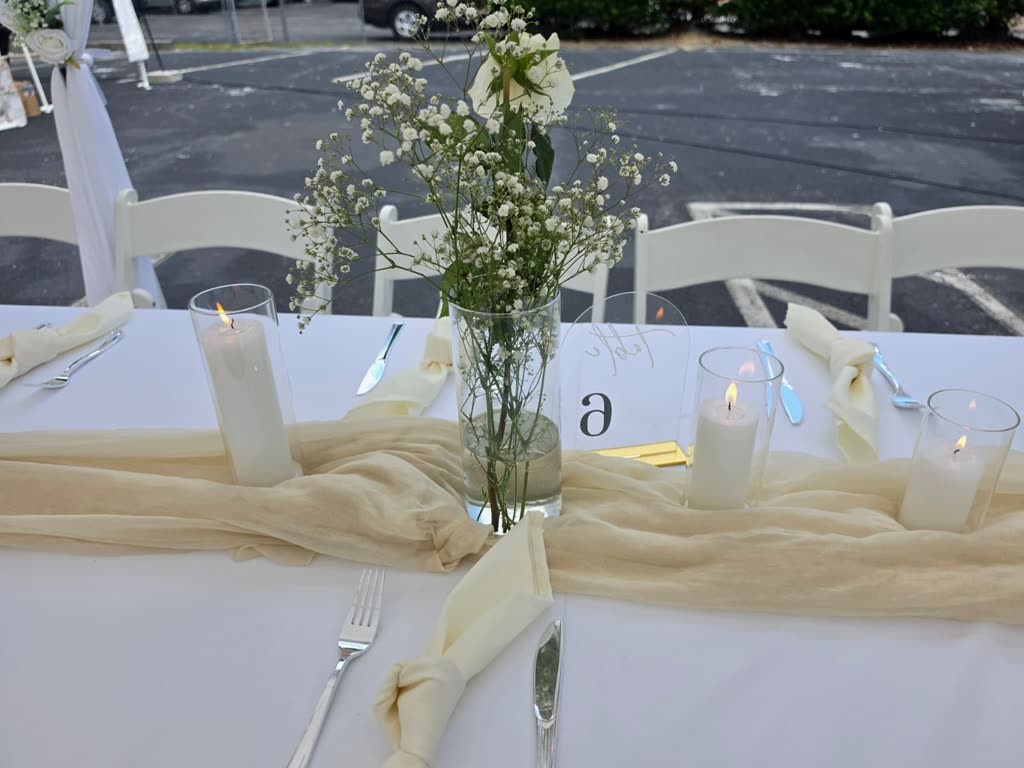
The arrangement of chairs and tables can either trap cold air or help retain heat. Opt for furniture with solid backs and side panels, such as resin folding chairs with padded seats, which provide a barrier against wind. Adding outdoor rugs or interlocking deck tiles beneath the seating zone adds an extra layer of insulation from the cold ground, especially if the party is on grass. Consider grouping tables in clusters of four to six, leaving narrow pathways for service staff while keeping the main gathering zone compact.
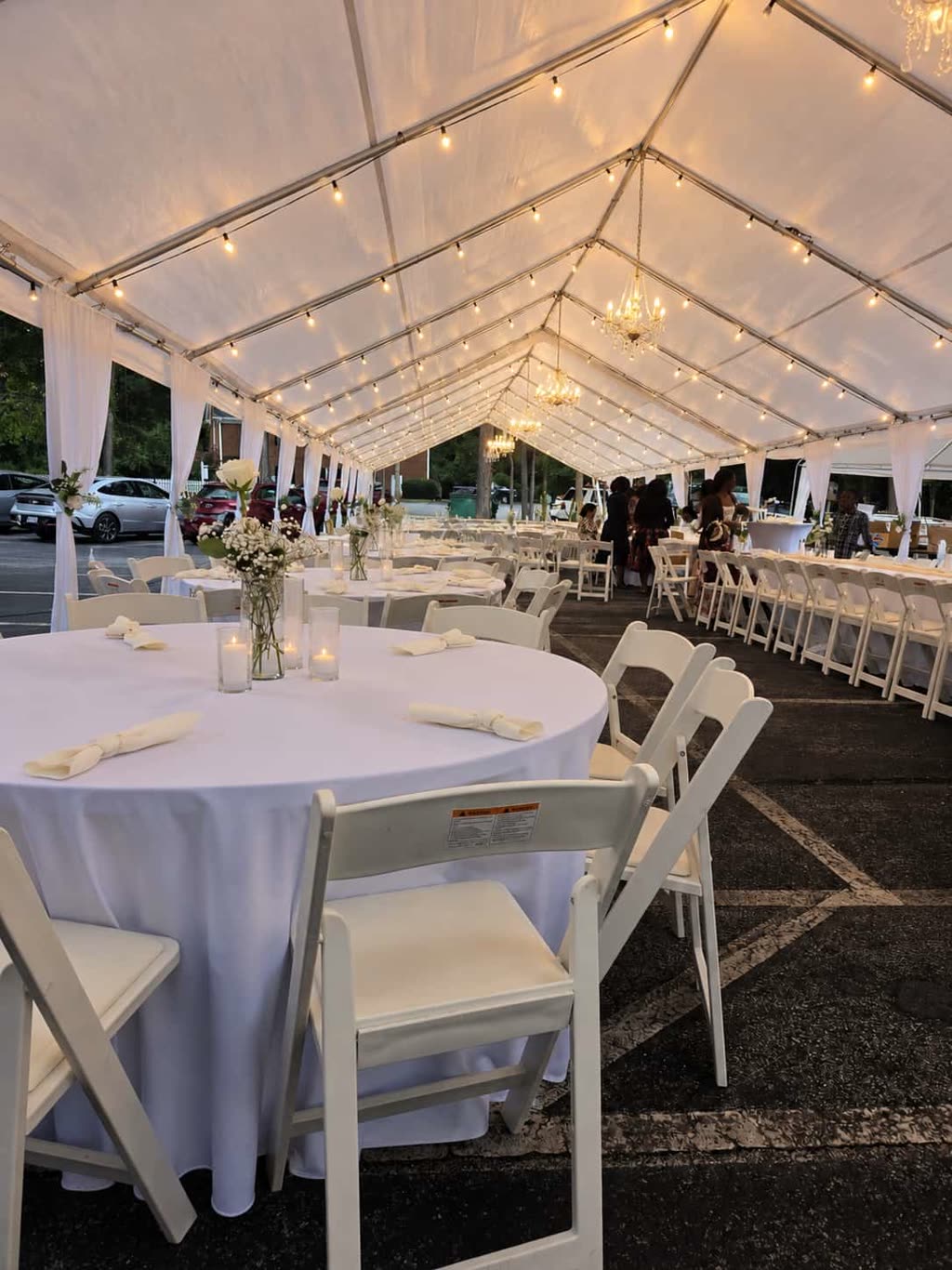
Windbreaks are another effective tool. Portable privacy screens, lattice panels, or even strategically placed potted evergreens can deflect gusts that strip away body heat. If your yard has a natural slope, position the seating area on the leeward side where the wind is less pronounced. For larger gatherings, a combination of sidewalls on a tent and heavy drapes can create a semi‑enclosed microclimate that holds warmth longer than an entirely open setup.
Warm Beverage and Food Stations
Serving hot drinks is a simple yet powerful way to raise internal body temperature. Set up a dedicated beverage station with insulated carafes of coffee, tea, hot chocolate, and spiced cider. Provide mugs with handles and consider offering cinnamon sticks, marshmallows, or whipped cream as toppings. Keep the station under a small canopy or beside a heater to prevent the liquids from cooling too quickly, and label each option clearly so guests can serve themselves efficiently.
Food choices also influence comfort. Opt for hearty, protein‑rich items such as slow‑cooked stews, chili, or baked pasta that retain heat well when served in chafing dishes with fuel cans. Avoid overly salty dishes that can increase thirst and make guests feel colder. Place the food table near the heating zone but not directly in front of the heaters to allow easy access while still benefiting from ambient warmth. A separate dessert table with warm treats like fruit crumble or brownies can keep the celebration flowing without guests needing to trek across the yard for a bite.
Guest Attire Recommendations
While you cannot control what every guest wears, you can set expectations through the invitation. Suggest layers such as a moisture‑wicking base layer, an insulating mid‑layer like fleece or wool, and a wind‑proof outer shell. Remind attendees that accessories matter: hats, gloves, and scarves prevent heat loss from extremities, which are often the first to feel cold. Offering a small basket of extra gloves or hand warmers at the entrance can be a thoughtful touch for those who arrive under‑dressed.
If your event includes a dress code, consider incorporating it into the warmth strategy. For example, a “winter chic” theme encourages velvet blazers, long sleeves, and stylish boots that also provide insulation. For children’s parties, recommend snowsuits or insulated coveralls that allow free movement while keeping little ones warm. Communicating these suggestions early helps guests arrive prepared, reducing the need for last‑minute adjustments.
Lighting and Ambience for Cold Evenings
Lighting does more than illuminate; it can contribute to a sense of warmth through color temperature. Choose bulbs with a warm white hue (around 2700K‑3000K) for string lights, lanterns, and uplighting. Avoid harsh, cool‑white LEDs that can make the space feel clinical. Drape fairy lights across pergolas, wrap them around tree trunks, or hang mason jar lanterns on tables to create a soft, inviting glow that encourages guests to linger.
Incorporate elements that generate subtle heat, such as fire pits or tabletop gel flames, where local ordinances permit. A small, contained fire feature not only provides radiant warmth but also becomes a natural focal point for conversation. Pair the fire with cozy blankets draped over nearby chairs, and ensure a safety screen is in place. Remember to keep flammable decorations at a safe distance and have a fire extinguisher or bucket of sand nearby as a precaution.
Weather Contingency and Rain Plan
Even in winter, precipitation can shift from rain to sleet or snow, affecting both comfort and safety. Monitor the forecast in the days leading up to the event and have a plan to add sidewalls to your tent if moisture is expected. Sidewalls made of heavy‑weight polyester or vinyl block wind and keep the interior dry, while still allowing you to run heaters inside. Secure the sidewalls with straps or weights appropriate for the ground condition, whether grass or packed dirt.
If the forecast calls for severe weather that makes setup unsafe, be prepared to reschedule. Communicate a clear rain‑date policy in your invitations, specifying that the event will move to the next available weekend or a mutually agreed alternative. Keep contact information for your vendors handy so you can notify them promptly of any changes. Having a backup date reduces stress and ensures that your guests still get to celebrate without compromising safety.
Setup Timeline and Vendor Coordination
Begin preparations the day before by confirming delivery windows for all rentals. Since Arcade is roughly twelve minutes from the Pendergrass warehouse, schedule deliveries to arrive early in the morning on the event day, allowing ample time for unloading and positioning. Start with the largest items—tents, heating units, and any structural elements—so they are anchored before arranging furniture and decor. This sequencing prevents having to move heavy pieces later when the space is already populated.
Assign specific tasks to a small team or trusted helpers. One person can oversee heater placement and fuel checks, another can manage the beverage and food stations, while a third focuses on lighting and ambience. Use a simple checklist that includes verifying propane levels, testing electrical connections, and ensuring all safety barriers are in place. Run a brief walkthrough thirty minutes before guests arrive to confirm that pathways are clear, seating is stable, and warmth sources are functioning as expected.
Post‑Event Cleanup and Storage
After the celebration ends, begin breakdown while the equipment is still cool to the touch. Turn off and disconnect all heaters, close propane valves, and store fuel tanks in an upright, ventilated area away from direct sunlight. Fold and pack tables and chairs according to the manufacturer’s instructions, placing heavier items on the bottom of storage containers to prevent shifting. If you used a tent, sweep away debris, spot‑clean the fabric, and allow it to air dry completely before folding to avoid mildew.
Return any rented items to the designated pickup point on the agreed schedule. Keeping a tidy yard not only respects your neighbors but also preserves the condition of your own property for future use. Take a few moments to note what worked well and what could be adjusted for the next winter gathering—perhaps a different heater layout or an additional windbreak—so each event builds on the success of the last. This reflective practice helps refine your approach and ensures that future parties in Arcade remain warm, enjoyable, and stress‑free.
Frequently asked questions
How many patio heaters should I plan for a guest list of fifty people?
For a group of around fifty guests, aim for four to five patio heaters placed evenly around the perimeter of the seating area. Adjust the number upward if the location is especially windy or if you have large open spaces between clusters of furniture.
What type of flooring works best to keep feet cold from the ground during a winter party?
Interlocking deck tiles or outdoor rugs provide an insulating barrier between the cold ground and guests’ feet, especially on grass. Choose a material that allows water to drain and is easy to clean after the event.
Can I use a fire pit for warmth if my yard is on a slope?
Yes, position the fire pit on the flattest, most sheltered part of the slope, ensuring it is at least three feet away from any overhanging branches or structures. Always use a safety screen and keep a fire extinguisher or sand bucket nearby.
How early should I schedule deliveries for tents and heating equipment?
Schedule deliveries to arrive at least two hours before the planned start time, giving the crew enough time to anchor the tent, place heaters, and run safety checks before guests arrive.
What should I do if the forecast calls for sleet on the event day?
Add sidewalls to the tent to block precipitation and wind, verify that all heaters are rated for use in damp conditions, and keep extra dry blankets on hand for guests who may feel chilled.
Is it necessary to provide extra gloves or hand warmers for guests?
Offering a small basket of disposable gloves or reusable hand warmers at the entrance is a thoughtful gesture, especially for guests who may arrive under‑dressed for cold weather. It helps maintain overall comfort without requiring a wardrobe change.