
Understanding the Need for a Rain‑Proof Plan
North Georgia weather can shift from bright sunshine to sudden showers, especially in the spring and early summer months when most quinceañeras are celebrated. A well‑crafted rain plan ensures that the joyous milestones—first dance, cake cutting, and special speeches—remain uninterrupted, regardless of clouds gathering overhead. By anticipating precipitation, you protect décor, lighting, sound equipment, and, most importantly, your guests from getting drenched. The plan also safeguards the investment you’ve made in beautiful draping, floral arrangements, and the vibrant atmosphere that defines a quinceañera. With DecoEvent ATL’s 40‑mile service radius, we bring professional expertise directly to your backyard, turning any unexpected rain into a manageable detail rather than a disaster.
Creating a rain‑proof strategy begins with choosing the right tent size, adding sidewalls, and coordinating delivery times that align with the event schedule. It also involves communicating clear expectations to the venue owner—whether a private residence or a community yard—so that everyone knows the contingency steps. By integrating the rain plan into the overall event timeline, you eliminate last‑minute scrambling and keep the focus on the celebrant’s special day.
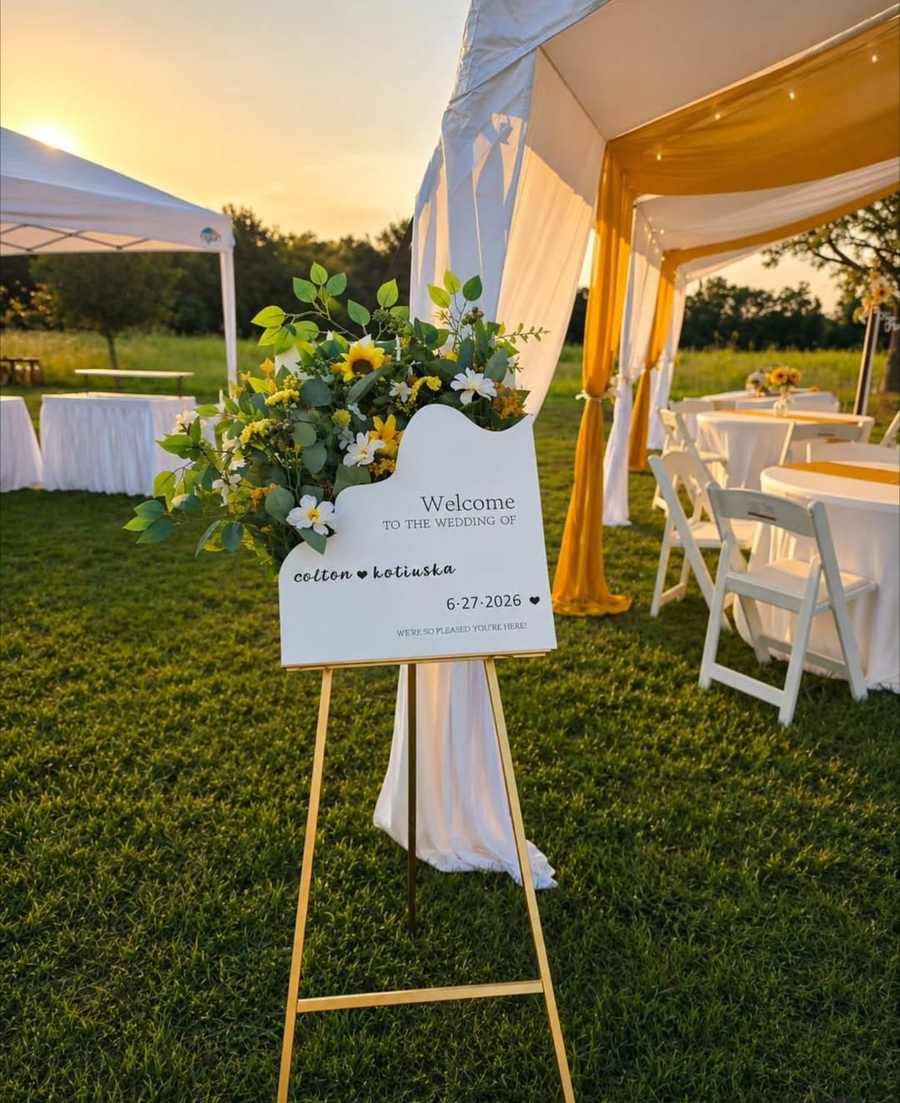
quinceañera tent rental Dacula GA: Choosing the Right Tent
When you search for "quinceañera tent rental Dacula GA," the first decision is the tent footprint that comfortably accommodates your guest count while leaving room for dance floors and décor. For a typical quinceañera of 80 guests, a 20 × 30 foot COBIZI commercial tent offers seating for 48–60 guests and can comfortably house a cocktail‑style arrangement for the remaining attendees. If you anticipate a slightly larger crowd—up to 120 guests—a 30 × 60 foot tent provides space for 120–150 seated guests or an impressive dance floor with sidewall extensions for rain protection. The galvanized steel frame and waterproof cover guarantee durability, while optional LED tent lighting brightens the interior without dependence on external power sources.
Sidewalls are essential for rain protection. They can be added to any COBIZI tent size and sealed tightly to keep water out while still allowing ventilation. For Dacula’s humid climate, a 20 × 30 tent with sidewalls can comfortably host a 6‑foot rectangular table arrangement for 80 guests plus a 20‑by‑20 foot dance area. The modular design also allows quick removal of sidewalls in case the weather clears, giving you flexibility to open the space to the night sky. Selecting the appropriate tent now prevents costly re‑configurations later.
Preparing Your Backyard Yard for the Tent Setup
Before the delivery crew arrives, you’ll want to ensure the yard is ready for a smooth installation. Clear a level area of at least 2 feet around the intended tent footprint to accommodate the anchoring system and allow for sidewall erection. Remove any loose rocks, branches, or garden equipment that could interfere with stakes or cause uneven pressure on the floor. In Dacula, many homes feature gently sloping lawns; a small amount of compacted sand or plywood can create a stable base for the tent, especially when rain is forecasted.
Mark the exact corners of the tent with spray paint or temporary stakes, and note the location of power outlets for lighting and sound. If you plan to have an outdoor dance floor, lay down a portable dance platform or interlocking tiles before the tent goes up. This not only protects the grass from foot traffic but also provides a safe surface should the ground become slick from rain. Finally, communicate any existing structures—such as a gazebo or patio canopy—to the DecoEvent ATL crew so they can coordinate placement without damaging property.
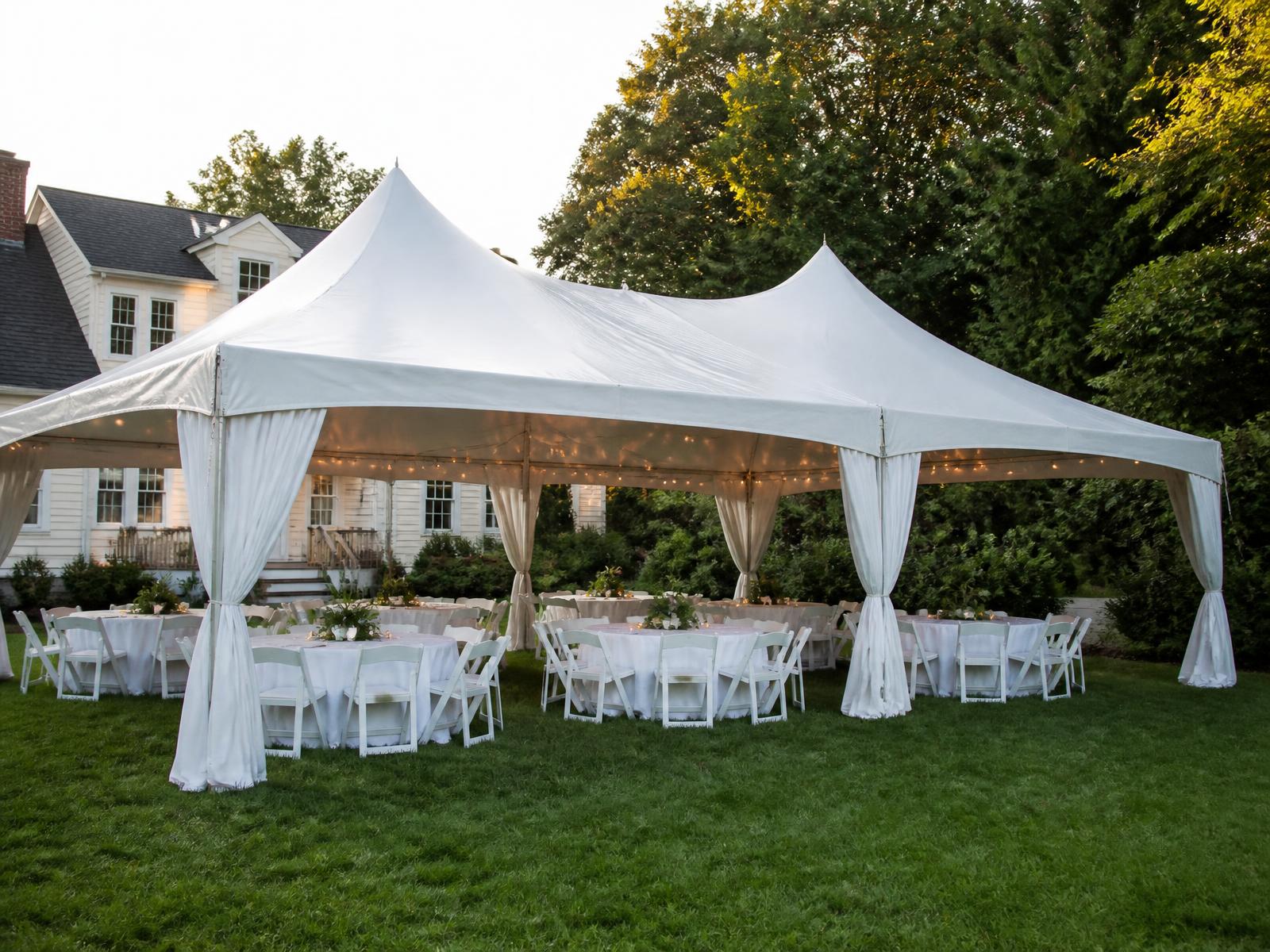
Guest Count Calculations and Seating Layout
Accurate guest‑count math is critical for choosing tables that fit within your tent while leaving room for circulation. A 4‑foot round table seats 4–6 guests; however, for a quinceañera where family and friends often sit closer together, a 6‑foot round table comfortably seats 10 guests, allowing room for centerpieces and a clear path to the dance floor. For 80 guests, you would need eight 6‑foot round tables or a combination of six 6‑foot rectangular tables (6–8 guests each) and two 4‑foot round tables for the quinceañera party.
Arrange the tables in a circular or semi‑circular formation around the central stage area, ensuring each table has at least 6 feet of aisle space for server access and guest movement. This layout also creates a natural buffer for rain‑protected sidewalls, which can be positioned behind the tables to shield guests while still allowing visual access to the ceremony. If you anticipate a dance floor for 30 guests, allocate a 20‑by‑20 foot area in the center of the tent, surrounded by tables on three sides and an open side for decorative lighting.
Timeline: From Delivery to Takedown on a Rainy Day
Coordinating the timeline ensures that the rain plan activates without delaying the celebration. On the event day, the delivery crew typically arrives two hours before the ceremony start time. For a 20 × 30 tent, this window allows for stake placement, sidewall attachment, and LED lighting rigging. If rain is forecasted, the crew will prioritize sealing all sidewalls and confirming that water runoff is directed away from the entrance using temporary drainage mats or sandbags.
During the reception, a dedicated event manager monitors weather updates via a reliable meteorological service. Should rain intensify, the sidewalls can be closed fully, and any open‑air décor—such as bistro strings or floral arches—can be secured with weighted bases. After the final toast, the crew begins takedown, retracting sidewalls first to prevent water from pooling inside the tent. In most cases, the entire installation and removal process is completed within four to five hours, allowing guests to leave the venue safely and the site to be restored to its original condition.
Logistics: Driving 28 Minutes from Pendergrass to Dacula
The distance from our Pendergrass warehouse to Dacula, GA 30019, Gwinnett County, is approximately 28 minutes by road, following US‑29 N and GA‑81 W. This short drive enables rapid response for any last‑minute adjustments, such as adding extra sidewalls or repositioning lighting fixtures if a sudden shower develops. Our delivery trucks are equipped with GPS tracking, so you can receive real‑time updates on arrival time via WhatsApp or text.
For larger tents, the crew may require a short stretch of flat pavement to off‑load equipment safely. If your property has a gravel driveway, our team brings a portable ramp and protective mats to prevent damage to the tent base and reduce the risk of water seepage. Once the truck reaches the designated drop‑off point behind the house, the crew unloads the tent sections, sets up the frame, attaches sidewalls, and connects power for lighting and sound. Throughout the event, a liaison remains on site to address any concerns, ensuring that the rain plan functions flawlessly from start to finish.
Yard Preparation Checklist
- Measure and mark a level area at least 2 feet beyond the tent’s footprint.
- Remove rocks, branches, garden tools, and any objects that could interfere with stakes.
- Lay compacted sand or plywood on uneven soil, especially if rain is forecasted.
- Identify and clear power sources for lighting, sound, and fans.
- Place temporary drainage mats or sandbags at entry points to guide water away.
- Secure existing structures (gazebos, pergolas) with protective padding.
- Set out a portable dance platform or interlocking floor tiles before tent erection.
Load‑In Timeline Details
Delivery Arrival (2 hours before ceremony)
The crew parks the truck on a flat surface near the marked tent zone, unloads all sections, and conducts a quick safety inspection of the ground.
Foundation & Anchoring (30 minutes)
Stakes are driven into the prepared soil, and sandbags or weighted plates are positioned to reinforce sidewall stability.
Frame Assembly & Sidewall Installation (45 minutes)
Sections of the COBIZI frame are connected, then sidewalls are hoisted, aligned, and sealed with zip ties or Velcro straps.
Lighting, Sound & Décor Placement (45 minutes)
LED tent lights are hung, bistro strings positioned, sound system wired, and decorative elements such as draping and floral arches secured.
Final Walk‑Through (15 minutes)
A DecoEvent ATL manager reviews the setup, confirms rain‑proof integrity, and addresses any last‑minute client requests.
Rain‑Proof Contingency Plan
Sidewall Sealing
All sidewalls are overlapped and fastened to eliminate gaps. Overlapping seams are taped with waterproof tape for extra protection.
Water Runoff Management
Temporary channels created with sandbags or landscape fabric guide water away from the tent entrance and the dance floor.
Secure Open‑Air Décor
Floral arches, balloon bouquets, and bistro strings are weighted with sand‑filled bases or tied to sturdy anchors to prevent displacement.
Backup Power
Generators are on standby to maintain lighting and sound if the main power source is affected by a storm.
Local Logistics and Permits
Dacula and the surrounding Gwinnett County often require a simple temporary use permit for structures larger than 150 sq ft. DecoEvent ATL assists with the application, providing all necessary documentation, including tent dimensions and site plans. Because the service radius is limited to 40 miles, our trucks can reach the venue quickly, and local traffic patterns are taken into account to avoid peak‑hour congestion. If your property is within a homeowner’s association, we recommend confirming any additional rules regarding temporary structures, noise levels, and waste disposal before the event date.
Final Event Day Checklist
- Confirm guest count and final table layout with DecoEvent ATL.
- Verify sidewall placement and ensure all zip ties are secured.
- Test lighting and sound equipment at least 30 minutes before the ceremony.
- Check drainage mats and sandbag positions for water management.
- Secure all open‑air décor items with weighted bases.
- Ensure a clear path for emergency exit and stroller access.
- Review the rain‑proof plan with the event manager and assign a point‑person for weather updates.
- Have a backup generator and extension cords ready in case of power fluctuations.
- Coordinate final walk‑through with the DecoEvent ATL liaison before guests arrive.
- After the event, confirm takedown schedule and provide contact information for post‑event cleanup.
Frequently asked questions
What happens if it starts raining during the ceremony?
Our crew will quickly close all sidewalls and secure any open‑air décor, keeping guests dry while the ceremony proceeds uninterrupted.
Can I add extra sidewalls at the last minute?
Yes, sidewalls can be attached up to the moment the tent is erected, and additional panels are available if the forecast changes unexpectedly.
Do you provide lighting inside the tent for evening events?
LED tent lighting is included with the tent package and can be positioned to illuminate the entire interior, creating a bright, festive atmosphere.
What is the minimum space needed for a 20 × 30 tent?
A clear, level area of at least 650 sq ft is required, plus an extra 2 feet around the perimeter for anchoring and sidewall installation.
How far in advance should I confirm my rain‑plan details?
We recommend confirming the rain plan and sidewall options at least two weeks before the event to allow for any needed adjustments.
Is a power source needed for the tent’s lighting and sound?
Yes, an outdoor‑rated 110‑120 V outlet near the tent location is required to power LED lighting, sound equipment, and any additional accessories.