
Planning an outdoor celebration in Kennesaw, GA, means preparing for the region’s occasional summer showers and unpredictable spring storms. Whether you’re hosting a wedding near the historic Kennesaw Mountain, a family reunion in a Legacy Park neighborhood backyard, or a corporate picnic close to the city center, a solid rain plan ensures that guests stay comfortable and that your décor, catering, and entertainment remain uninterrupted. This guide walks you through every step—from assessing weather trends in Cobb County to selecting the right tent size, preparing the ground, and coordinating logistics from our Pendergrass warehouse, a 62‑minute drive that gives us ample time to deliver and set up your event safely.

Understanding Kennesaw Weather and Why a Rain Plan Matters
Kennesaw’s climate features warm humid summers with frequent afternoon thunderstorms, especially between May and September. Historical data shows that on any given weekend in July, there is roughly a 30 percent chance of rain lasting more than 30 minutes, enough to compromise unsecured décor or cause slippery surfaces. By acknowledging these patterns early, you can allocate budget and time for a comprehensive rain strategy that protects your investment. In addition, local government ordinances sometimes require proper runoff management to prevent water damage to neighboring properties, making a professional rain‑ready setup not just a convenience but a compliance measure.
Beyond the weather probability, Kennesaw’s topography includes gentle hills around the Kennesaw Mountain area and low‑lying zones near Legacy Park that can collect runoff quickly. Knowing where water naturally pools helps you decide on tent placement, ground‑cover options, and additional drainage solutions. For example, positioning a commercial‑grade COBIZI tent on a slightly elevated lawn reduces the need for extra sandbags, while still allowing easy access for guests arriving from major routes such as I‑75 and GA‑400. By mapping these details in advance, you transform a potential disruption into a seamless part of your event flow.
Assessing Your Venue Space and Guest Count for Weather Protection
The first technical step is to calculate the exact number of attendees and match that to the appropriate seating arrangement. A 4‑foot round table comfortably seats four to six guests, while a 5‑foot round table can hold eight guests, up to ten. For a mid‑size celebration of 120 guests, you might need fifteen 5‑foot tables or twenty‑four 4‑foot tables, depending on your layout preferences. Once you have the table count, you can determine the required tent footprint by adding 10 square feet per table for chair space and circulation, plus an extra 20 percent buffer for a dance floor, buffet line, or audio equipment.
When the venue is a residential backyard near the Kennesaw Mountain neighborhoods, you also need to consider property lines, existing trees, and any permanent structures that could affect tent anchoring. COBIZI tents provide galvanized steel frames that resist corrosion and can be secured with ground stakes or weighted bases, but placement near large oak roots may require alternative anchoring methods. For larger open‑air sites like a park lawn adjacent to Legacy Park, you have more flexibility to spread the tent’s footprint, allowing you to add sidewalls for wind protection without compromising guest flow.
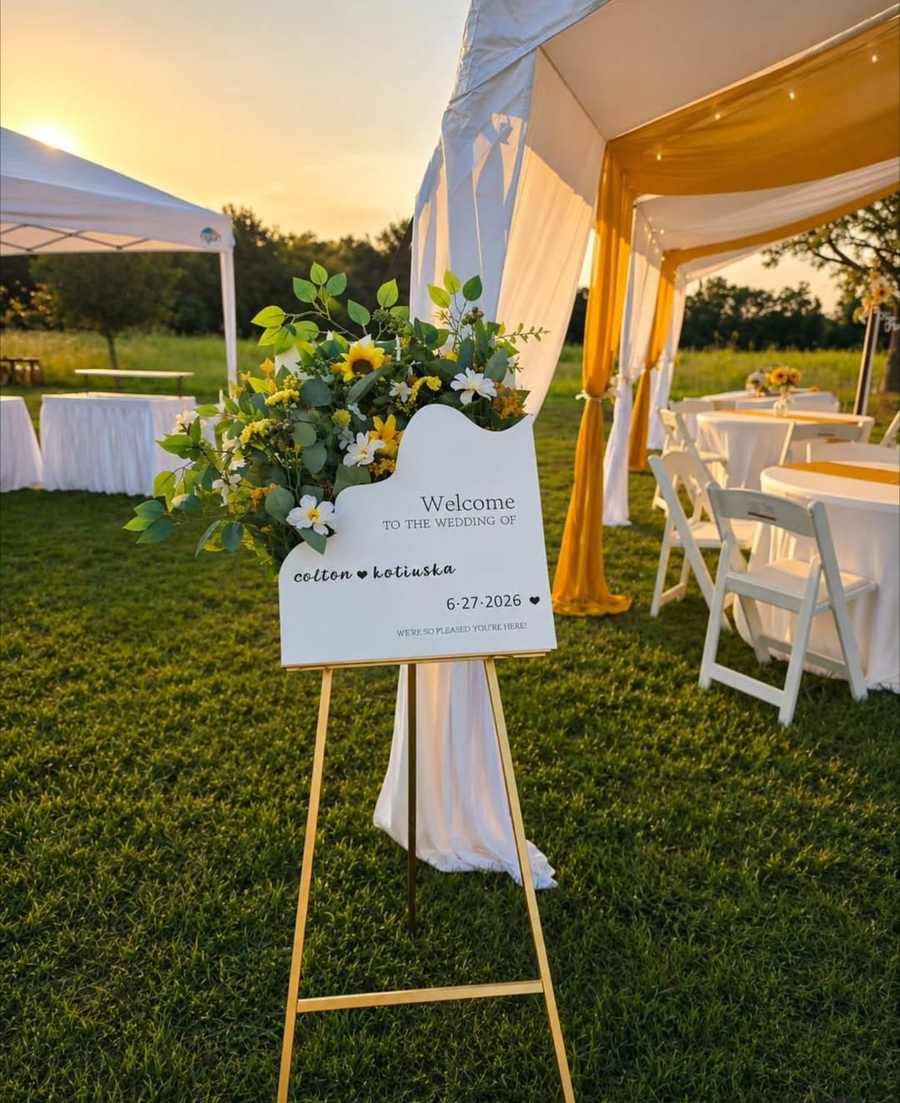
Choosing the Right Tent Size and Layout for Kennesaw Rain Events
DecoEvent ATL’s inventory includes a range of tent dimensions tailored to different guest counts and event styles. A 20 × 30 foot tent comfortably seats 48 to 60 guests for a seated dinner, while a 20 × 40 foot tent accommodates 64 to 80 guests seated or up to 100 guests standing cocktail‑style. For larger gatherings of 150 guests, the 30 × 60 foot COBIZI tent offers ample room for tables, a dance floor, and a stage, with enough space to install sidewalls that block wind and rain. Remember, the tent’s interior layout should reserve a minimum of five feet of clearance around each sidewall to allow safe egress and avoid crowding.
When configuring the tent, position the entrance on the side that receives the least wind based on prevailing directions in Cobb County (generally from the west in the afternoon). Install LED tent lighting along the perimeter to illuminate the entire structure, which not only enhances visual appeal but also improves safety during wet conditions. Consider using bistro string lights suspended above tables for a warm ambiance, but remember they are decorative and do not replace the functional LED lighting that evenly lights the tent interior. Adding a clear sidewall panel on the rain‑facing side provides protection while still allowing guests to enjoy the view of Kennesaw’s surrounding greenery.
Incorporating Drainage, Flooring, and Ground Preparation
Even with a sturdy tent, water can accumulate on the ground and create slip hazards. One effective solution is to lay a roll of 3‑inch heavy‑duty ground‑covering tarps or interlocking foam tiles across the entire tent floor before setting up tables and chairs. This not only protects delicate flooring and invites from water damage but also creates a stable, non‑slip surface for guests moving between areas. In neighborhoods near Kennesaw Mountain where soil may be uneven, use plywood sheets underneath the tarp to level the surface and distribute weight evenly across the ground.
Drainage channels or temporary sandbags can be positioned along the lowest points of the tent’s base to guide water away from high‑traffic zones such as the buffet line and dance floor. If you are hosting near Legacy Park, check with local authorities about any restrictions on placing sandbags on public lawns and obtain necessary permits. For private backyards, ensure that any water runoff is directed toward existing drainage systems or landscaped areas that can absorb moisture without causing erosion or flooding of neighboring yards.
Adding Comfort: Heating, Fans, and Guest Amenities for Wet Weather
Rain does not always mean cold, but humidity can make temperature regulation challenging. Pairing the tent’s LED lighting with industrial fans placed on the sidewalls helps circulate air and reduce the clammy feeling that often accompanies rain. DecoEvent ATL’s 1,500‑watt industrial blower draws 12.5 amps and can operate continuously, provided it stays dry and has adequate ventilation. For cooler evenings in the foothills of Cobb County, portable patio heaters can be positioned along the perimeter of the tent, ensuring they are placed at least three feet away from the tent’s sidewalls to prevent fire hazards.
Guest comfort also extends to dry coat check areas and towel stations. Set up a small table near the entrance with waterproof coat racks and a limited supply of disposable rain ponchos, which can be purchased in bulk from local vendors. Offer hand‑warmers or a hot beverage station inside the tent to keep guests cozy while they wait for the rain to pass. By addressing these small details, you create a welcoming environment that mitigates the inconvenience of unexpected showers.
Managing Timeline, Setup, and Backup Options on the Day of Rain
Effective timing is critical when weather changes rapidly. Begin your day‑of timeline with an early site inspection—ideally two hours before the scheduled start—to confirm that the ground is stable and that the tent’s sidewalls can be fully extended. If rain is forecasted within the next six hours, schedule the tent installation first, followed by lighting, flooring, and décor. This order ensures that any water that falls during setup does not damage delicate floral arrangements or balloon arches, which can be installed after the tent is sealed.
Maintain open communication with your client and vendors via a dedicated WhatsApp group, sharing real‑time weather updates from reputable sources such as the National Weather Service. If rain intensity exceeds safe limits—for example, wind speeds above 20 mph or heavy downpour exceeding one inch per hour—have a backup plan ready, such as moving the ceremony to a nearby indoor pavilion within the same venue or rescheduling the cocktail hour to a covered patio area. By having these contingencies documented in a written checklist, you minimize stress and keep the event flowing smoothly despite the elements.
Communication, Insurance, and Final Checklist for a Stress‑Free Event
Transparent communication with all stakeholders is essential. Provide the host with a detailed rain‑plan summary that outlines tent size, sidewall configuration, drainage measures, lighting, heating, and guest‑comfort amenities. Include a contact list for the on‑site lead technician, the delivery driver who will travel the 62‑minute route from Pendergrass, and emergency services if needed. Ensure the client understands that the rain plan complies with local building codes and insurance requirements for outdoor events in Cobb County.
Before the event day, run a final checklist: verify the exact address and confirm it falls within the service area, double‑check the guest count and table layout math, confirm delivery‑distance logistics (the 62‑minute drive is well within our operational capacity), inspect all equipment for damage, test lighting and sound systems, and review the emergency evacuation plan. By completing these steps, you guarantee that every rain‑prone scenario is accounted for, allowing the host and guests to focus on celebration rather than weather worries.
Frequently asked questions
What if it starts raining during the ceremony?
The tent can be fully closed with sidewalls in under 15 minutes, protecting guests and décor while the ceremony continues inside.
How much extra time is needed for tent setup in rainy weather?
Add an additional 30–45 minutes to the standard timeline to allow for securing sidewalls and checking drainage.
Can we keep the dance floor dry if the ground is soggy?
Yes, place interlocking foam tiles or plywood under the dance floor area, then cover with a waterproof tarp before adding the floor.
Do you provide lighting for cloudy evenings?
LED tent lighting is installed at the start of setup and illuminates the entire interior, ensuring visibility even on overcast days.
What backup options exist if the rain is severe?
We can relocate the ceremony to a nearby covered pavilion or shift the cocktail hour to a pre‑arranged indoor space, as outlined in the rain‑plan checklist.
How do you handle water runoff on a residential lawn?
We use sandbags or temporary drainage channels to gently direct water away from high‑traffic zones, protecting both the event and the homeowner’s property.