
Why Professional Sound Matters for Your Canton GA Party
When you host a gathering in Canton, Cherokee County, clear audio ensures that every announcement, toast, and song reaches your guests without strain. The BridgeMill and Riverstone-area yards often feature open lawns and mature trees that can absorb sound, so a dedicated PA system helps overcome natural attenuation. Using quality microphones also reduces feedback and captures voices evenly, which is essential for speeches during quinceañeras, baby showers, or corporate picnics. A well‑balanced sound setup creates an immersive atmosphere that lets guests focus on celebration rather than straining to hear.
DecoEvent ATL’s sound equipment supports up to 300 guests, making it suitable for everything from intimate family reunions to larger community festivals. By matching speaker coverage to your guest count, you avoid dead zones and excessive volume that could disturb neighbors. Proper mic placement—such as using a handheld for speeches and a lapel for the host—ensures clarity while keeping the setup unobtrusive. This attention to detail transforms a simple backyard into a venue where every word is heard and enjoyed.
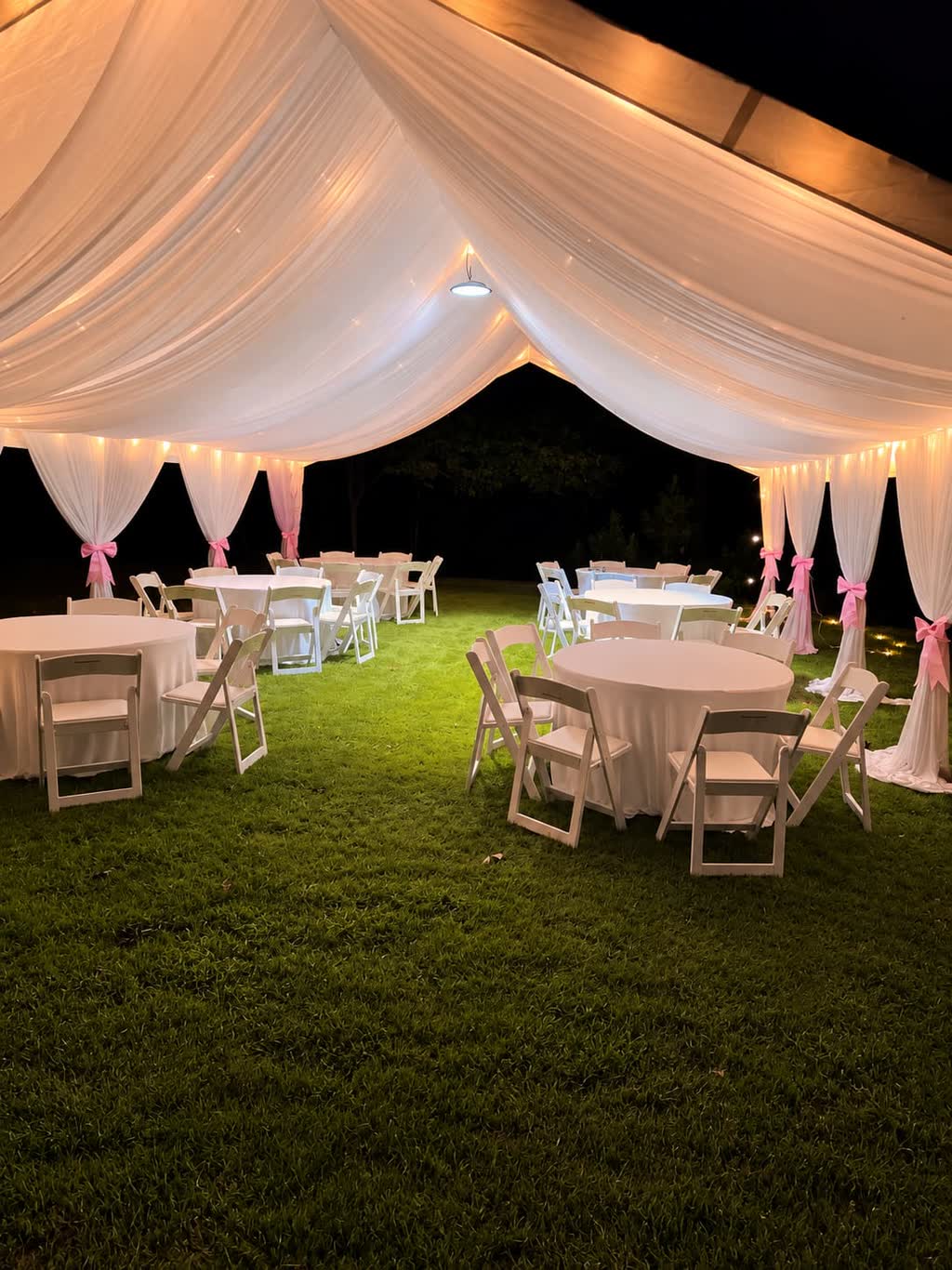
Determining the Right Speaker Power for Your Guest Count
Start by estimating the number of attendees; for example, a party of 80 guests typically benefits from two 12‑inch powered speakers placed at opposite ends of the seating area. If you expect 150 guests, consider adding a third speaker or upgrading to 15‑inch units to maintain even sound pressure levels across the space. The goal is to achieve roughly 85‑90 dB at the listener’s ear, which provides clear music and speech without causing discomfort. Remember that outdoor environments lose sound more quickly than indoor rooms, so a slight increase in power compensates for distance and ambient noise.
In Canton’s suburban yards, factors such as nearby fences, hedges, or a pool can reflect or absorb sound waves. Conduct a quick walk‑through with a sound meter app to identify hot spots and dead zones before finalizing speaker placement. Adjust the angle of each speaker slightly downward to focus energy toward the crowd rather than the sky. This methodical approach ensures that every guest, whether near the dance floor or under a shade tree, receives consistent audio quality throughout the event.
Choosing and Positioning Microphones for Different Activities
For speeches and toasts, a dynamic handheld microphone offers reliable performance and rejects background noise effectively. Place the mic about six to eight inches from the speaker’s mouth, angled slightly off‑axis to reduce plosives. If the host will move around, a wireless lapel mic provides freedom of movement while maintaining consistent audio levels. For musical performances, consider a combination of instrument mics and a vocal mic, ensuring each is positioned to capture the source without picking up excessive ambient sound.
When setting up multiple microphones, use a simple mixer or the built‑in channels on your powered speakers to balance levels. Keep gain settings moderate to avoid feedback, especially when speakers are close to the mic. Perform a quick soundcheck by having someone speak at normal volume while you walk the guest area; adjust EQ to cut low frequencies that can cause rumble and boost presence frequencies for clarity. This preparation guarantees that announcements are crisp and music remains vibrant throughout the celebration.
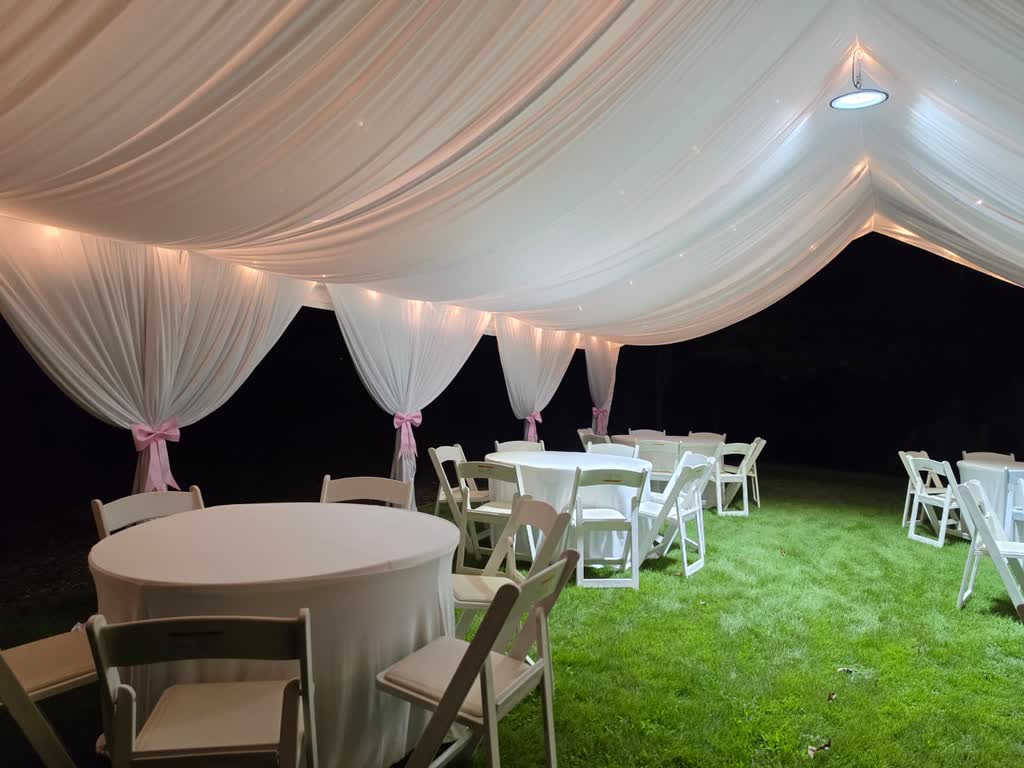
Timeline for Load‑In, Setup, and Soundcheck in Canton
Begin load‑in approximately 90 minutes before the guest arrival time to allow for equipment placement and cable routing. Drive from our Pendergrass warehouse to Canton takes about 60 minutes, so departing at 7:30 AM for a 9:00 AM start ensures you arrive with time to spare. Position speakers on sturdy stands or weighted bases, keeping them at least six feet away from walls or fences to reduce reflections. Run speaker cables safely along the ground, using cable covers if the yard has foot traffic.
After placing the speakers, set up the mixer and microphones, then conduct a line check to confirm each channel is active. Play a short music track at moderate volume and walk the venue to verify coverage. Adjust speaker tilt and EQ as needed. Finally, invite the host or a designated speaker to test the mic levels; make any last‑minute tweaks before guests arrive. This structured timeline leaves ample buffer for unexpected delays while ensuring the sound system is ready when the celebration begins.
Rain Plan and Weather Contingencies for Outdoor Sound
Canton’s weather can shift quickly, especially during spring and summer months. DecoEvent ATL provides tents with sidewalls that protect both equipment and guests from rain while maintaining acoustic openness. If precipitation is forecast, secure the tent canopy first, then place the speaker stands inside the covered area, ensuring the speakers remain elevated and dry. Use waterproof cable connectors and keep mixers under a protective cover to prevent moisture damage.
Should conditions become unsafe for setup—such as high winds or thunderstorms—the date can be rescheduled without penalty, as outlined in our policy. Keep an eye on local forecasts the day before and the morning of the event, and maintain open communication via WhatsApp at (678) 815-8774 for any changes. By preparing a rain‑ready plan, you protect your investment in audio equipment and guarantee that the celebration proceeds smoothly regardless of weather shifts.
Post‑Event Breakdown and Equipment Return
Once the celebration concludes, begin breakdown by powering down all audio gear and coiling cables neatly. Remove microphones first, storing them in their cases to avoid damage. Next, lower speaker stands and fold any tent sidewalls if used, ensuring the tent fabric is dry before packing. Load the equipment onto the vehicle in the reverse order of arrival, checking that nothing is left behind in the yard.
After returning to our Pendergrass warehouse, we perform a quick inspection and sanitize all gear before it goes back into inventory. This careful process ensures that the next client receives equipment in optimal condition. By following a disciplined breakdown routine, you help maintain the reliability of our sound rental service and keep the post‑event cleanup swift and hassle‑free.
Guest‑Count Math for Sound Planning
Start by writing down the total number of people you expect. For gatherings under 50 guests, a single pair of compact speakers often provides even coverage. Between 50 and 100 guests, adding a third speaker or using slightly larger drivers helps fill the space without creating hot spots. For events with 100 to 200 guests, consider a staggered layout where speakers are placed at the corners of the main area and aimed toward the center. When the guest list exceeds 200, a distributed system with multiple smaller units spaced evenly ensures that every corner receives clear audio. Adjust the volume gradually during the soundcheck to avoid sudden peaks that could disturb neighbors.
Yard Preparation for Clear Audio
Walk the lawn and note any hard surfaces like patios, decks, or pool walls that can reflect sound and cause echo. Soft surfaces such as grass, mulch, or garden beds absorb sound and help reduce reverberation. If possible, place speakers on grassy areas rather than directly on concrete to minimize bounce. Trim low‑hanging branches that might block speaker lines of sight, but keep enough foliage to provide natural diffusion. Lay down outdoor rugs or rubber mats under speaker stands to isolate vibrations and prevent the equipment from sinking into soft ground.
Load‑In Timeline Details
In addition to the basic 90‑minute window, factor in extra time for any equipment that requires assembly, such as speaker stands with adjustable height or mixers with multiple input panels. Allocate 10‑15 minutes for checking cable integrity and testing connectors before final placement. If the venue includes a sloped yard, plan for additional minutes to level speaker bases using shims or adjustable feet. Communicate the exact arrival window with the host so that any preparatory work, like clearing a path or moving garden furniture, can be completed ahead of time.
Rain Plan Enhancements
Beyond sidewalls, consider using a canopy with a slight pitch to allow water runoff away from the speaker area. Keep a set of silica gel packs inside mixer bags to absorb any residual moisture that might seep in during a drizzle. If the forecast calls for prolonged rain, have a backup plan to shift the audio equipment under a sturdy pop‑up tent that can be anchored securely. Always test the waterproof covers before the event to ensure zippers seal tightly and Velcro flaps stay closed.
Local Logistics in Canton
Our team is familiar with the main routes from Pendergrass to Canton, including I‑575 and GA‑20, which helps us avoid rush‑hour congestion on weekday mornings. We coordinate with local utilities if any temporary power hookups are needed for larger sound systems. Knowing the typical permit requirements for temporary structures in Cherokee County allows us to advise you on any paperwork that may be required for tents over a certain size. We also keep a list of nearby contacts for emergency assistance, should unexpected situations arise during setup or teardown.
Event Day Checklist
- Confirm guest count and finalize speaker layout
- Verify exact address, including street, city, state, and ZIP
- Check weather outlook and prepare rain gear
- Load speakers, stands, mixer, microphones, and cables
- Pack waterproof covers, cable ties, and ground protection mats
- Arrive at venue 90 minutes before guest arrival
- Position speakers away from walls and fences
- Run cables safely and secure with covers
- Conduct line check and soundcheck
- Test microphone levels with host or speaker
- Monitor volume during event and adjust as needed
- Begin breakdown after final song or announcement
- Power down gear, coil cables, store microphones
- Fold tent sidewalls only when fabric is dry
- Load equipment onto vehicle in reverse order
- Perform post‑return inspection and sanitization