
Understanding Your Acworth Backyard
When you start planning an event in Acworth, the first step is to get a clear picture of the outdoor area you have to work with. Measure the length and width of the usable lawn, note any permanent features like trees, garden beds, or slopes, and think about how guests will move from the entrance to the dining or activity zones. Knowing the exact dimensions helps you decide how many tables and chairs you can fit while still leaving room for circulation, a dance floor, or a buffet line. This kind of site assessment is especially useful in Acworth because many backyards blend open grass with shaded spots near Lake Acworth, giving you flexibility to place seating where guests can enjoy the view.
Using the phrase tables and chairs rental Acworth ga as a starting point, consider how the local climate and typical yard sizes influence your choices. Most residential lots in Cobb County provide between 800 and 1,200 square feet of flat space, which can comfortably accommodate a 20×20 foot tent for a medium‑sized gathering. Once you have the tent footprint mapped out, you can begin to experiment with different table arrangements that keep pathways clear and maintain a comfortable guest density. Remember to leave at least three feet of walking space between furniture clusters so that servers and guests can move easily without crowding.
Choosing the Right Table Shapes for Guest Flow
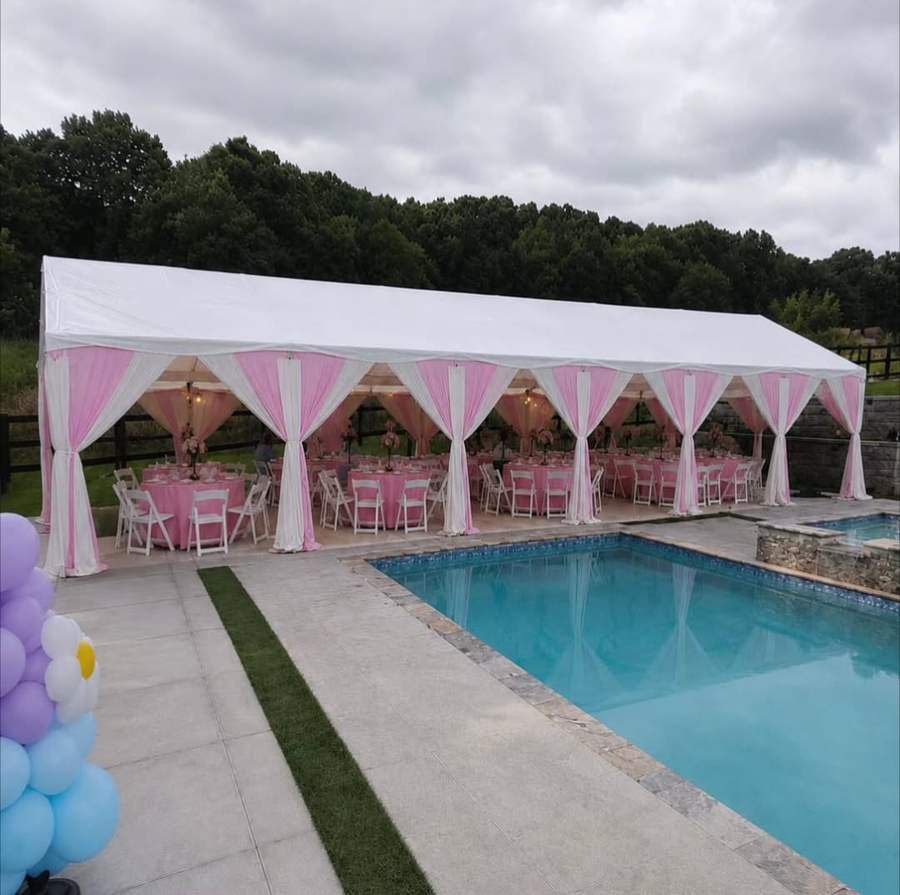
The shape of your tables has a direct impact on how people interact during the event. Round tables encourage conversation because everyone faces the center, making them ideal for receptions, birthday parties, or family reunions where mingling is a priority. A standard 60‑inch round table seats up to ten guests comfortably, while a 72‑inch version can hold twelve when the layout is optimized. If you prefer a more formal look, rectangular tables work well for plated dinners or buffet lines; an eight‑foot rectangular table typically accommodates eight to ten people seated along the long sides.
For cocktail‑style gatherings, consider using a mix of high‑top tables and smaller bistro units. High‑top tables, often around 30 inches in height, allow two to four guests to stand comfortably while they enjoy drinks and appetizers. Placing these tables around the perimeter of the tent creates natural traffic lanes toward the food stations or dance area. By combining round tables for seated guests with a few high‑top units for standing areas, you create zones that serve different parts of the event without sacrificing overall flow.
Chair Styles that Complement Outdoor Settings
Chair selection is just as important as table choice because it affects both comfort and aesthetics. The Mainstays premium white resin folding chair is a popular option for Acworth events; it features a padded vinyl seat, a seat height of about 17.5 inches, and a static capacity that exceeds typical guest weight. Its lightweight design makes it easy to transport and set up, while the white finish provides a clean backdrop that works well with virtually any color scheme or decoration theme.
If you want a more upscale appearance, consider chiavari chairs with cushions in a fabric that matches your linens or floral accents. These chairs have a slimmer profile, which can help you fit additional seating within the same tent footprint. Regardless of the style you choose, make sure to inspect each chair for stability before the event, especially if the ground is soft or uneven. A quick check of the legs and joints prevents wobbling and keeps guests safe throughout the celebration.
Mixing and Matching for Different Event Types
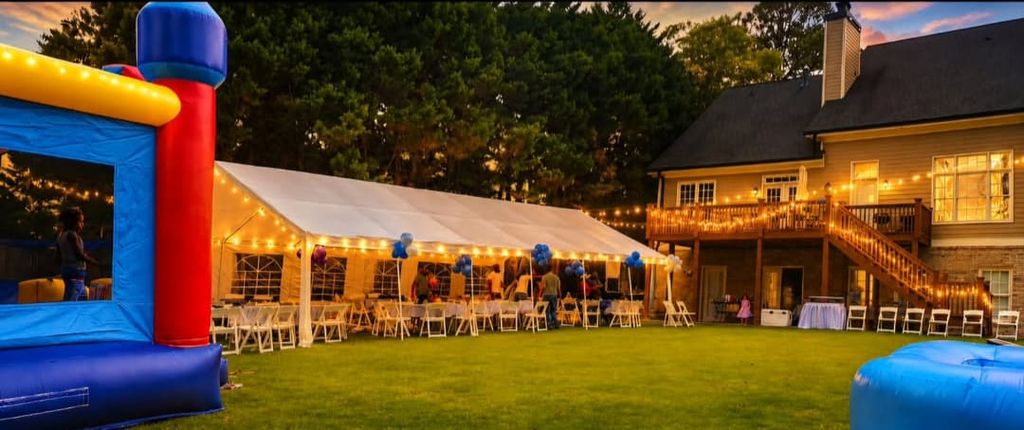
Different celebrations call for slightly different layouts. For a quinceañera, you might want a central dance floor surrounded by round tables for family and friends, with a small cocktail table area near the entrance for guests arriving early. A baby shower often benefits from a long rectangular table set up for gifts and a separate seating cluster with round tables for games and conversation. Corporate picnics in Acworth frequently use a combination of banquet‑style rectangular tables for catering and a few round tables for team‑building activities.
When planning the layout, start by determining the primary activity—dining, dancing, or a mix—and then allocate space accordingly. Use graph paper or a simple online tool to sketch the tent footprint, place the tables, and experiment with chair counts. This visual approach helps you see whether you need to add a second smaller tent for a buffet or a lounge area, ensuring that each zone feels intentional rather than cramped.
Preparing the Yard: Grass, Leveling, and Access
Before any furniture arrives, the yard must be ready to support the weight of tents, tables, and guests. If the lawn is natural grass, check for any low spots that could collect water after rain; filling these areas with topsoil and lightly compacting the surface creates a more even base. For areas with harder ground like packed clay or concrete, a ground protection layer such as interlocking plywood or dance floor panels can prevent damage to the surface and provide a stable footing for equipment.
Access routes are another critical factor. Ensure there is a clear path from the street or driveway to the setup zone that is at least four feet wide; this allows the delivery truck, tent crew, and any generators to move without trampling flower beds or damaging irrigation systems. Mark the path with temporary signage or cones on the day of delivery so that the crew knows exactly where to drive and where to place the tent stakes or weights.
Timeline: From Booking to Setup and Takedown
Begin the planning process at least four to six weeks before your desired event date, especially if you are hoping for a Saturday slot during the peak season. This lead time gives you ample opportunity to confirm the exact guest count, finalize the table and chair quantities, and discuss any special requests such as linens, chair covers, or decorative accents. Once the details are locked in, the rental team will prepare the equipment and schedule the delivery window based on your address in Acworth.
On the day of the event, the crew typically arrives two to three hours before the scheduled start time to unload the tents, tables, and chairs, and to begin installation. They will anchor the tent according to the surface—using stakes for grass or weighted bases for concrete—and then lay out the furniture according to the approved layout. After the celebration ends, the same team returns to break down the tent, load the items back onto the truck, and leave the yard in the same condition they found it, usually within an hour or two of the event’s conclusion.
Rain Plan and Wind Considerations for Outdoor Events
Weather can change quickly in North Georgia, so having a contingency plan is essential. Sidewalls are a valuable add‑on for tents when there is a chance of rain or cooler temperatures; they attach to the tent frame and can be closed on one or two sides to block wind and precipitation while still allowing airflow. If the forecast calls for strong winds, discuss anchoring options with the crew—additional stakes, sandbags, or weighted plates can increase stability and keep the tent secure throughout the event.
In the event of severe weather that makes setup unsafe, the rental company can work with you to reschedule the date or shift the start time to a window when conditions improve. Keeping an eye on the local forecast in the 24 hours leading up to the event and maintaining open communication with the provider ensures that any adjustments are made smoothly, letting you focus on enjoying the celebration rather than worrying about the elements.
Frequently asked questions
How far in advance should I book tables and chairs for an Acworth backyard event?
Aim to reserve your rentals four to six weeks ahead of your desired date, especially for Saturday events during the busy season, to ensure availability and allow time for layout planning.
What table shape works best for encouraging guest conversation at a party?
Round tables promote face‑to‑face interaction, making them ideal for mingling; a 60‑inch round table comfortably seats up to ten guests.
Do I need to prepare my grass lawn before the tent and furniture arrive?
Yes, level any low spots, ensure the surface is firm enough to support weight, and clear a four‑foot‑wide access path for the delivery and setup crew.
Can I mix different chair styles within the same event setup?
Absolutely; combining resin folding chairs for general seating with chiavari chairs for a head table or special area adds visual variety while maintaining comfort.
What should I do if the weather forecast shows rain on the day of my event?
Consider adding sidewalls to your tent for protection, discuss extra anchoring options with the crew, and keep open communication about possible rescheduling if conditions become unsafe.
How long does the setup and takedown process usually take on the event day?
The crew typically arrives two to three hours before start time for installation and returns after the event to break down and load equipment, usually completing takedown within an hour or two.