
Tent on Sloped Yard Talmo GA: Assessing Your Landscape
Before any equipment arrives, walk the property and note the degree of incline across the area where you plan to place the tent. Use a long board or a laser level to measure the drop from the highest point to the lowest point; a slope greater than 5 percent may require additional leveling steps. In Talmo, many yards feature gentle rolling farmland that transitions quickly near Highway 82, so take multiple readings at different spots to understand the overall shape. Observe how water flows after a rain; pooling spots indicate where the ground retains moisture and could affect tent stability if not addressed.
Check the soil composition as well. Talmo’s ground often contains a mix of clay and loam, which can become slick when wet but holds weight well when compacted. If the surface is loose or sandy, you may need to spread a layer of crushed stone or gravel to create a firmer base for anchoring. Identify any existing obstacles such as tree roots, rocks, or buried utility lines; marking these ahead of time prevents damage during stake installation. Taking these measurements and notes gives you a clear picture of the work needed before the tent arrives.
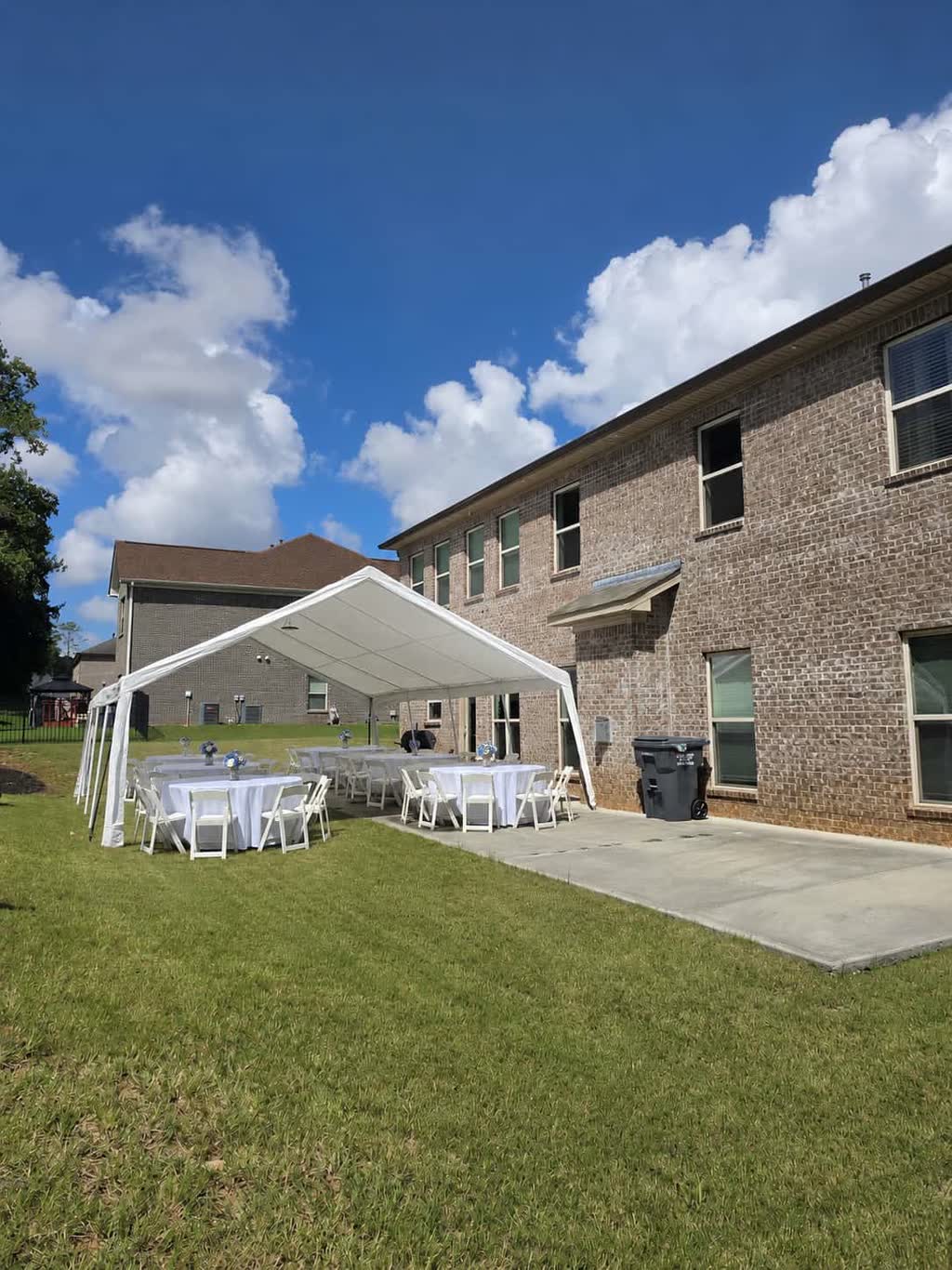
Site Preparation Steps for Uneven Ground
Begin by mowing the grass to a short height, ideally no more than two inches, to reduce tripping hazards and allow the tent floor to sit flat. Remove any debris like sticks, leaves, or loose stones that could puncture the tent floor or interfere with stake placement. If the yard has noticeable low spots, fill them with clean fill dirt or sand and tamp the material down firmly; this creates a more uniform surface and helps prevent water from collecting under the tent.
Lay down a ground protection layer such as a polyethylene tarp or interlocking foam tiles, especially if you plan to set up on grass that you want to preserve. This barrier distributes the weight of the tent and any equipment, reducing the chance of ruts. For steeper sections, consider building a simple retaining edge using landscape timbers or sandbags to hold the fill in place. Once the base is smooth and compacted, double‑check the level with a long spirit level; adjustments at this stage save time later when the tent is being raised.
Choosing the Right Tent Style and Size for Talmo Events
Select a tent model that offers sidewall options, as sidewalls add rigidity and help resist wind forces on a slope. The COBIZI line available through DecoEvent ATL features galvanized steel frames and waterproof covers, suitable for grass or concrete after a site check. Determine the guest count you expect; for example, a 20 × 20 foot tent comfortably seats 32 to 40 guests, while a 20 × 30 foot tent fits 48 to 60 seated guests. Matching the tent size to your guest list ensures adequate space for tables, chairs, and any activity zones without overcrowding.
Consider the layout of tables and chairs on the incline. Placing the longest side of the tent parallel to the slope reduces the amount of leveling needed under the furniture. If you plan a dance floor or a buffet table, position those elements on the flattest portion of the yard, which you can identify during the site assessment. Using a mix of round and rectangular tables can help conform to the terrain; round tables of five feet accommodate up to eight guests comfortably, while six‑foot rounds seat ten when arranged optimally. Proper sizing and placement keep the event flow smooth and safe.
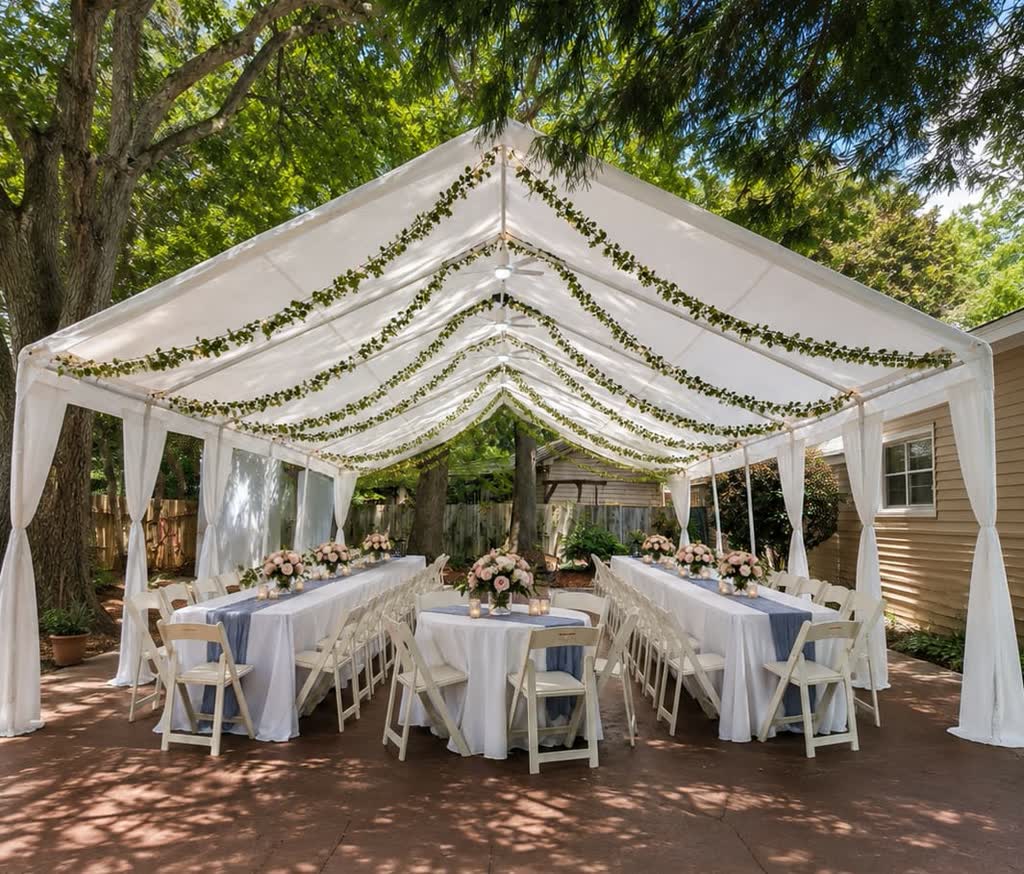
Anchoring and Stability Techniques on a Slope
Standard tent stakes work best when driven straight down into firm soil; on a slope, you may need to angle them slightly uphill to increase holding power. Use the heavy‑duty steel stakes provided with the COBIZI tents, and drive them to the full depth recommended by the manufacturer. If the ground is too rocky or compacted for stakes, employ sandbags or water weights placed on the downwind side of each anchor point; these counteract the lift that wind can generate on an inclined surface.
For added security, install ratchet straps or tie‑downs that connect the tent frame to ground anchors or heavy objects like concrete blocks placed on the higher side of the slope. Tighten the straps evenly to avoid putting excess stress on any single pole. Inspect all connections before the event starts and re‑check them if wind picks up during the gathering. Proper anchoring prevents the tent from shifting, which could cause discomfort for guests or damage to the equipment.
Timeline: From Delivery to Setup and Takedown
Delivery typically occurs the morning of the event, allowing the crew to assess the final ground conditions before beginning assembly. The crew will first unload the tent components, lay out the ground protection, and begin framing the structure. On a sloped yard, they may spend extra time leveling the base using adjustable base plates or shims under the frame poles. Expect the initial frame erection to take about one to two hours depending on tent size and slope complexity.
Once the frame is upright, the crew attaches the cover, installs sidewalls if requested, and secures all anchoring points. After the tent is stable, they proceed with interior setup: placing tables, chairs, linens, and any décor items such as draping or lighting. This phase usually adds another hour. For takedown, the process reverses; the crew removes interior items, detaches the cover, collapses the frame, and loads everything back onto the truck. Total on‑site time for a medium‑sized tent on a sloped yard in Talmo generally ranges from four to six hours, including a buffer for unexpected adjustments.
Rain Plan and Weather Considerations for Talmo, Jackson County
Monitor the forecast in the days leading up to the event using reliable local sources; Talmo’s weather can shift quickly, especially in the spring and summer months. If rain is predicted, ensure the tent you select includes sidewalls that can be zipped or fastened to create a fully enclosed space. Sidewalls not only keep guests dry but also add wind resistance, which is valuable on a slope where gusts can exert upward force on the tent fabric.
In the event of sudden rain during the gathering, the crew can quickly deploy any available ground tarps beneath the tent floor to reduce water seepage. If the slope causes water to run toward the tent opening, consider digging a shallow diversion trench on the uphill side to channel runoff away from the entrance. After the event, allow the tent and grounds to dry completely before packing to prevent mildew on the fabric and corrosion on the frame. Proper preparation keeps the celebration comfortable regardless of the weather.
Local Landmarks and Logistics: Driving from Pendergrass Warehouse to Talmo
DecoEvent ATL’s warehouse in Pendergrass, Georgia, is roughly ten minutes from Talmo under normal traffic conditions. The most direct route follows Highway 82 westbound, passing the open farm lots that characterize the northern part of Jackson County. As you approach Talmo, you’ll notice the distinctive driveways that split off from the highway near the intersection with Old Jefferson Road; these serve as useful visual cues for locating residential properties in the area.
Because the distance is short, the crew can arrive early to conduct a final site walk‑through and make any last‑minute leveling adjustments before the guest arrival window. Keep in mind that weekend deliveries to this corridor are popular, so confirming the exact address and access points ahead of time helps avoid delays. Providing the crew with a clear description of any narrow gates, low‑hanging branches, or limited turn‑around space ensures the truck can maneuver safely and the tent can be positioned precisely where you envision it.
Frequently asked questions
What is the best way to measure the slope of my yard in Talmo?
Use a long board or a laser level to determine the height difference between the highest and lowest points of the planned tent area; a slope greater than 5 percent may require additional leveling steps before installation.
Which tent size should I choose for 50 guests in Talmo?
A 20 × 30 foot tent comfortably seats 48 to 60 guests, providing ample space for tables, chairs, and any activity zones while accommodating your guest count.
How do I prepare the soil if it is loose or sandy?
Spread a layer of crushed stone or gravel over the loose area, tamp it down firmly, and then add a ground protection tarp to create a stable base for the tent and anchoring system.
Can I use regular tent stakes on a sloped yard?
Yes, but drive the stakes at a slight angle uphill to increase holding power, and supplement with sandbags or water weights on the downhill side if the soil is too hard or rocky for deep penetration.
What should I do if rain starts during my event in Talmo?
Ensure the tent has sidewalls that can be fastened to keep water out, and use ground tarps beneath the floor to reduce seepage; if water runs toward the entrance, create a small diversion trench on the uphill side to channel runoff away.
How far is DecoEvent ATL’s warehouse from Talmo, and what route do they take?
The warehouse in Pendergrass is about ten minutes from Talmo; the crew typically follows Highway 82 westbound, passing the open farm lots and using the driveways off Old Jefferson Road as landmarks for precise location.