
Understanding Tent Options for Gainesville Backyards
Planning a backyard celebration in Gainesville means working with the unique landscape of Hall County. Many homes sit near Lake Lanier, offering water views and spacious lawns, while others are nestled in the rolling hills of Chicopee Woods or along the quiet streets off Thompson Bridge Road. The first step is to assess the usable area of your yard, taking into account any trees, slopes, or existing structures that could affect where a tent can be anchored. Knowing the exact dimensions of your available space helps you match the right tent footprint to your event vision, ensuring guests have room to mingle, dine, and enjoy activities without feeling cramped.
Our team serves the entire 40‑mile radius around Pendergrass, GA, which includes Gainesville and its surrounding neighborhoods. Because we are located just about twenty‑five minutes away, we can respond quickly to site visits and delivery requests. When you share the exact address, we confirm the drive distance and plan the most efficient route for our trucks, keeping the setup process smooth and timely. This local knowledge lets us anticipate any permit considerations that might arise in specific subdivisions and advise you on the best placement for both the tent and any additional rentals you may need.
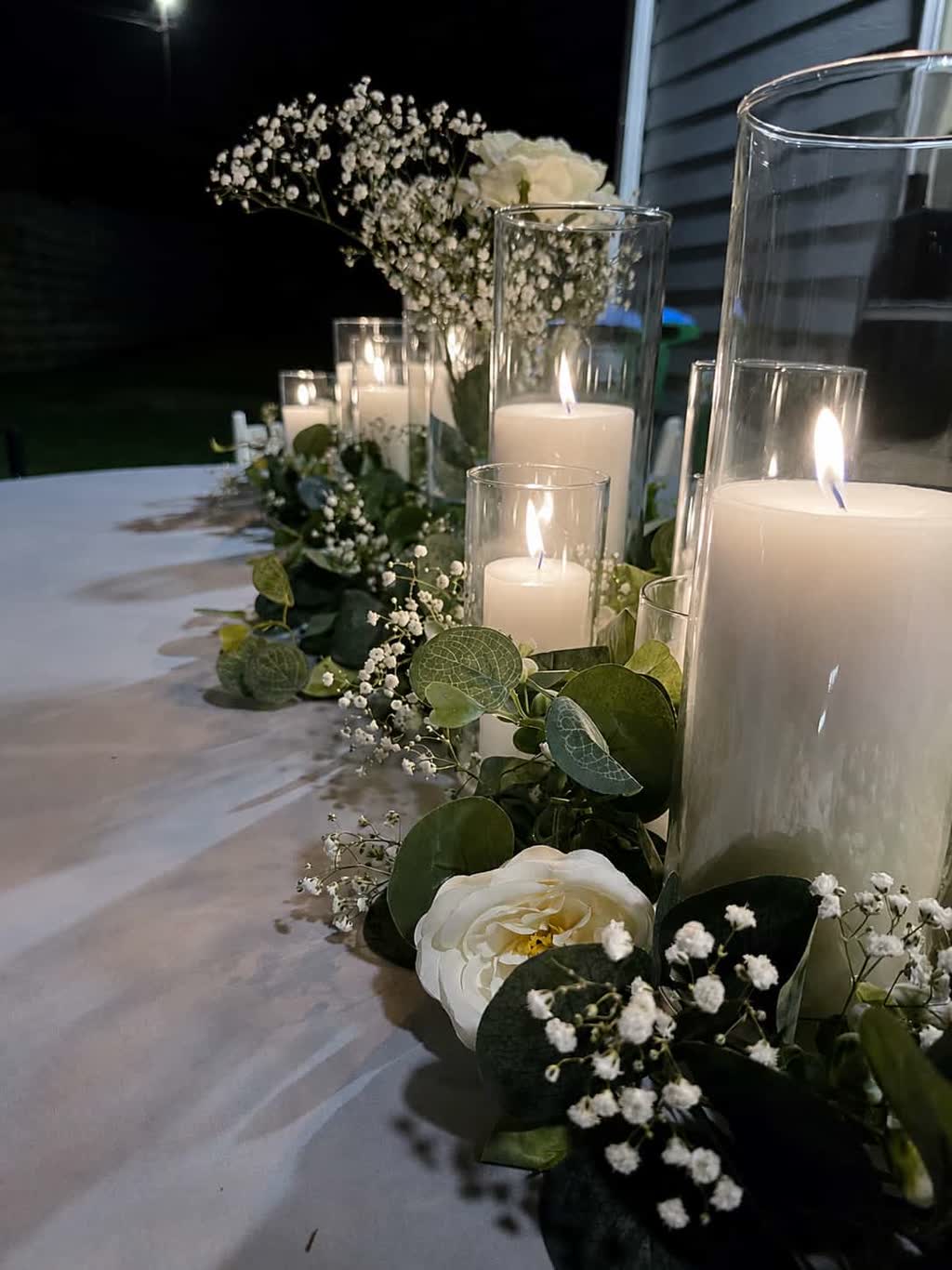
Tent Rental Gainesville ga: Matching Size to Guest Count
Selecting a tent begins with a clear idea of how many people will attend. A common guideline is to allow about ten square feet per guest for a seated dinner style, while a cocktail‑style layout may need slightly less floor space per person. For example, a gathering of fifty guests seated at tables would typically require a tent that offers at least five hundred square feet of usable area. By calculating the square footage you need, you can narrow down the options to the sizes that best fit your guest list without over‑ or under‑estimating the space required.
In Gainesville’s typical backyard layouts, a 20 × 20 foot tent provides four hundred square feet, comfortably seating thirty‑two to forty guests. Moving up to a 20 × 30 foot tent adds another two hundred square feet, raising the capacity to forty‑eight to sixty seated guests. If your event calls for a larger dance floor or a buffet area separate from the main dining space, pairing a 20 × 40 tent with a smaller 10 × 20 unit can create a combined footprint that still respects the dimensions of most residential yards while giving you the flexibility to designate zones for different activities.
Calculating Guest Numbers for Your Gainesville Event
Start by listing every attendee you expect, including vendors, staff, and any extra guests who might arrive last minute. Multiply that headcount by the square‑footage allowance that matches your chosen style—formal seated dining usually calls for ten to twelve square feet per person, while a relaxed cocktail flow can work with six to eight square feet per person. This calculation gives you a baseline area requirement that you can compare against our tent sizes. Remember to add space for any special features such as a dance floor, a gift table, or a kids’ play zone, as those elements need their own clear footprint.
Yard Preparation and Setup Timeline
Before the tent arrives, a quick walk through the yard helps identify any obstacles that need attention. Low‑lying branches, garden beds, or decorative stones may need to be trimmed or relocated to provide a clear area for the anchoring system. If the ground is grass, our crew uses specialized stakes and weight plates that secure the fabric without damaging the turf. For concrete or paver surfaces, we employ base plates that distribute weight evenly, ensuring the structure stays stable throughout the event.
On the day of the rental, our team typically arrives two to three hours before the scheduled start time. This window allows us to unload the components, lay out the frame, raise the canopy, and attach any sidewalls or lighting you have chosen. We then conduct a safety check, verifying that all connections are tight and that the tent is properly tensioned. Once the structure is secure, we move on to arranging tables, chairs, and any additional decor, leaving plenty of time for you to focus on final touches like floral arrangements or signage.
Preparing Your Lawn and Grounds for Installation
Walk the perimeter and mark any irrigation heads, underground utilities, or shallow tree roots that could interfere with stakes or weight plates. If you have pets, consider keeping them indoors or in a secured area during the setup window to avoid accidental disturbance of equipment. For grassy surfaces, lightly water the area a day before installation if the soil is very dry; this helps the stakes grip better without tearing the turf. For paved areas, sweep away loose gravel or debris so the base plates sit flush and level.
Timeline for Load‑In and Tent Erection
Our crew begins by positioning the truck as close as possible to the work zone, then unloads the frame sections, canopy fabric, and accessory bags. The frame is assembled on the ground, lifted with the help of a winch or manual lift depending on size, and secured to the anchoring system. Once the canopy is draped and tightened, we attach sidewalls, lighting, and any requested décor elements. A final walk‑through ensures every bolt is fastened, every strap is tensioned, and the tent is ready for furniture placement.
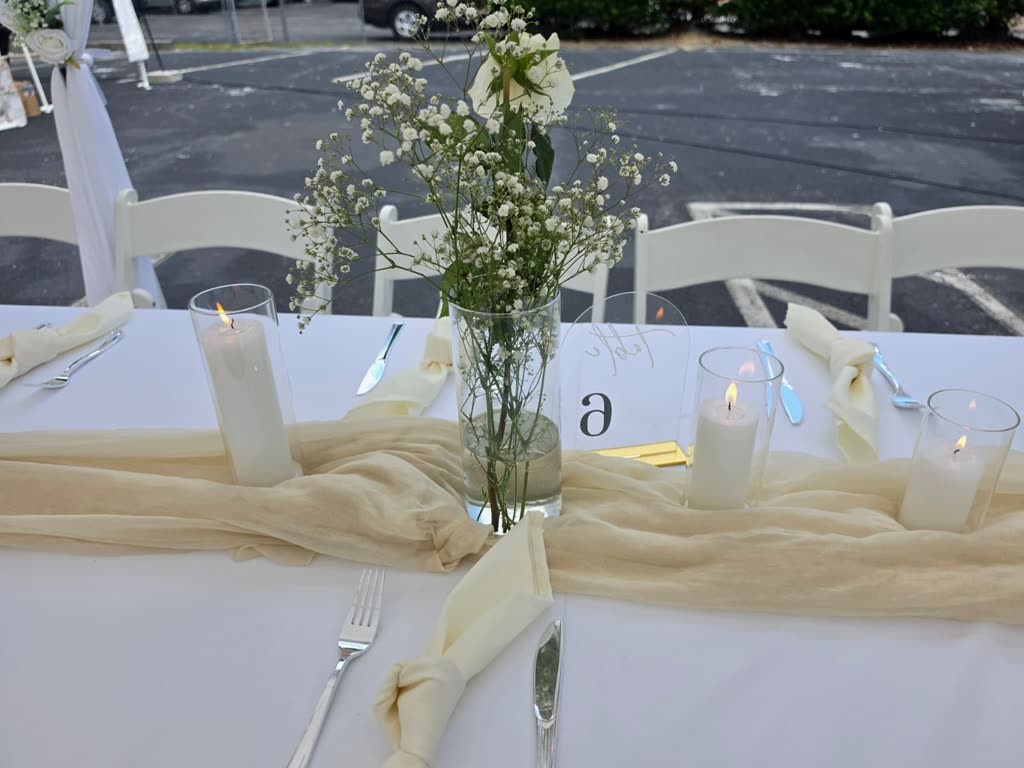
Guest Count Math and Seating Layouts
To translate your guest count into a tent size, start by deciding on the primary layout. A banquet style with long rectangular tables usually needs about eight to ten square feet per person, while round tables tend to require a bit more space due to the need for aisle clearance. For a party of eighty guests seated at round tables, aiming for twelve square feet per person suggests a target of roughly nine hundred sixty square feet, which points toward a 30 × 60 foot tent or a combination of two smaller tents that together meet that area.
If you plan to include a buffet table, a gift table, or a lounge area, allocate additional square footage for those zones. For instance, a 10 × 20 foot buffet tent adds two hundred square feet, letting you keep the main dining tent focused solely on guest seating. By breaking the event into distinct zones and calculating each area’s requirements, you avoid overcrowding and ensure that guests can move freely between dining, dancing, and socializing spaces.
Weather Considerations and Rain Plan
Hall County experiences a mix of sunshine and occasional showers, especially during the spring and summer months. Our tents are built with waterproof covers and reinforced seams to keep the interior dry when light rain occurs. For added protection, sidewalls can be attached to block wind and drive rain away from the entrance. We recommend discussing the possibility of sidewalls early in the planning process, especially if your event is scheduled for a season with higher precipitation chances.
In the event that weather conditions become unsafe for setup—such as sustained high winds or thunderstorms—we work with you to reschedule the delivery and installation to a later time that still fits your celebration window. Because we monitor local forecasts and maintain open communication, we can adjust the timeline without compromising the quality of the installation. This proactive approach helps ensure that your party proceeds as planned, regardless of unexpected atmospheric changes.
Weather Readiness: Sidewalls and Rain Protection
Discuss sidewall options early if your event is slated for late afternoon or evening when temperatures may drop. Clear sidewalls provide visibility while still shielding guests from wind and drizzle. If you anticipate heavier rain, ask about water‑resistant sidewall fabrics that add an extra barrier without sacrificing airflow. Our team can also recommend ground drainage solutions such as temporary gravel trenches or sandbags to keep water from pooling under the tent floor.
Drive Logistics from Our Pendergrass Warehouse
Our warehouse in Pendergrass, GA, is positioned to serve Gainesville efficiently. The typical drive takes about twenty‑five minutes via Highway 365 and local roads, depending on traffic conditions. When we receive your exact address, we calculate the mileage to confirm whether the delivery falls within the free zone, the sixteen‑to‑thirty‑mile band, or the thirty‑one‑to‑fifty‑mile band, and we communicate any associated logistics clearly.
Upon arrival, our crew positions the truck as close to the work area as possible to minimize the distance that heavy components must be carried. We coordinate with you to ensure that a suitable access point exists for our vehicles, whether that is a driveway, a side street, or a designated loading zone. This careful planning reduces setup time and helps keep the day’s schedule on track, allowing you to enjoy the preparation process without unnecessary delays.
Local Route Planning and Access Details
We review the most direct roads that accommodate our box trucks, noting any low bridges, weight‑restricted streets, or narrow turns that could affect arrival time. If your community has a homeowners’ association with specific delivery hours, we coordinate in advance to obtain any necessary permissions. For properties with gated entries, we request the access code or a representative to be on site to unlock the gate, ensuring our crew can proceed without delay.
Event Day Checklist: Ensuring Nothing Is Overlooked
- Confirm the exact event address, including apartment or unit number if applicable.
- Provide a contact phone number that will be monitored throughout the setup window.
- Share any special instructions regarding pets, children, or gated access.
- Mark the desired tent location on a sketch or with temporary flags for our crew.
- Verify that a grounded exterior outlet is within reach for blowers, lighting, or audiovisual gear.
- Arrange for parking space for our delivery truck near the work zone.
- Plan a clear path from the driveway to the tent site, moving any lawn furniture or décor that could obstruct movement.
- Have a backup indoor area identified in case weather forces a last‑minute change of plans.
- Review the timeline with our team so you know when the crew will arrive, when the tent will be raised, and when furniture placement will begin.
- After setup, do a quick walk‑through to ensure all stakes, straps, and connections are secure before guests arrive.
Frequently asked questions
What factors should I consider when choosing a tent size for my Gainesville backyard party?
Consider the number of guests, the type of seating or layout you prefer, any additional zones like a buffet or dance floor, and the exact dimensions of your usable yard space after accounting for trees, slopes, or existing structures.