
Why a Tent Works for Anniversary Celebrations
Choosing a tent for your anniversary dinner transforms an ordinary backyard into a distinguished venue that reflects the significance of the milestone. In Clermont, Georgia, the rolling foothill properties north of Gainesville provide a picturesque backdrop that pairs beautifully with a clear‑span canopy. A tent offers shade during daytime celebrations and a cozy enclosure for evening festivities, allowing you to control lighting, temperature, and ambiance without relying on the unpredictability of an open yard.
Beyond aesthetics, a tent provides practical advantages for hosts who want to focus on enjoying the moment. The structure shields guests from sudden showers, keeps décor elements such as linens and floral arrangements secure, and creates a defined space where sound systems and lighting can be installed safely. With the professional team from DecoEvent ATL handling delivery, installation, and removal, you can concentrate on greeting loved ones, sharing stories, and raising a toast to many more years together.
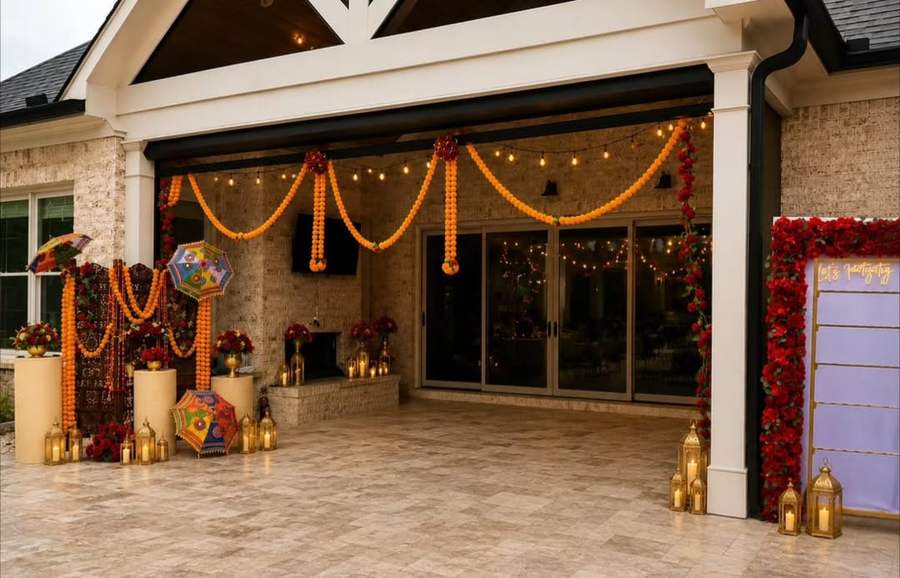
Anniversary Party Rentals Clermont GA: Guest Count and Seating Layout
Determining the right number of guests is the first step in shaping a comfortable layout. Start with a final headcount and then consider how different table styles accommodate groups. A 6‑foot round table comfortably seats ten people, while a 5‑foot round table fits eight guests. If you prefer rectangular options, a 6‑foot rectangle works well for six to eight diners, and an 8‑foot rectangle can host eight to ten. These figures help you calculate the total seating capacity needed for your anniversary celebration.
Once the core seating is established, you can add cocktail tables for standing guests and reserve space for a dance floor. A typical cocktail table (30‑inch Flash Furniture) accommodates two to four standing guests, and planning one table per eight to twelve attendees ensures smooth flow. Subtract the area taken by the dance floor from the overall tent footprint to confirm that tables and chairs fit without crowding. This methodical approach guarantees that every guest has a place to sit, mingle, and enjoy the evening under the tent.
Yard Preparation and Setup Timeline
Preparing the lawn in Clermont begins with a careful walk‑through to identify any obstacles such as tree roots, irrigation heads, or uneven ground. Mark the perimeter where the tent will sit, ensuring there is at least a two‑foot buffer around the edges for anchoring stakes or weights. Clear away loose stones, twigs, and any debris that could puncture the tent floor or create tripping hazards. If the surface is grass, consider mowing it short the day before to provide a stable base; for compacted soil, a light raking can improve drainage.
The installation timeline typically starts the morning of the event. The delivery crew arrives with the tent frame, cover, and ancillary equipment, beginning with the layout of the base rails. Once the structure is erected, the cover is secured, sidewalls are attached if desired, and the interior is prepared for flooring, draping, and furniture. Tables, chairs, linens, and lighting are placed according to the pre‑approved diagram, followed by a final walk‑through to verify stability and aesthetics before guests arrive.

Weather Ready: Rain Plan and Wind Considerations
Clermont’s weather can shift quickly, especially in the spring and summer months, so having a rain plan is essential. The tents offered by DecoEvent ATL come with optional sidewall kits that zip onto the frame, providing a barrier against light rain and wind. When gusts are forecast, the anchoring system—using steel stakes for grass or weighted bases for hard surfaces—ensures the canopy remains stable. It is advisable to check the latest forecast the day before and make any necessary adjustments to sidewall configuration.
If conditions become unsafe for setup, the company’s policy allows the event date to be rescheduled without penalty, provided the new date falls within the agreed‑upon window. In the event of a sudden shower during the celebration, sidewalls can be deployed quickly to keep the interior dry while guests continue to enjoy dinner and conversation. Proper ventilation is maintained by leaving small gaps at the top of the sidewalls, preventing condensation buildup and ensuring a comfortable atmosphere throughout the evening.
Local Vendors and Logistics: Delivery from Pendergrass
DecoEvent ATL’s warehouse is located in Pendergrass, Georgia, approximately thirty‑two minutes from Clermont under normal traffic conditions. The route primarily follows State Route 53 and Interstate 985, providing a straightforward drive for the delivery truck. Knowing the exact travel time helps the team schedule arrival windows that align with your yard preparation and setup timeline, reducing any waiting periods on the day of the event.
Upon reaching Clermont, the crew unloads the tent components, tables, chairs, and any additional items such as lighting packages or bounce houses. They coordinate with you or your designated point of contact to confirm placement marks, verify access points for the truck, and ensure that the work area is clear. After the event concludes, the same team returns to dismantle the equipment, load it onto the truck, and transport it back to the warehouse, leaving your property clean and ready for the next use.
Personalizing the Space: Décor, Lighting, and Extras
The interior of the tent becomes a canvas for expressing the personality of the couple celebrating their anniversary. Draping in soft ivory or champagne tones can be paired with rich overlays that match your chosen color palette, while floral arrangements—whether artificial blossoms or fresh seasonal blooms—add a touch of elegance to each table. Balloon arches or organic garlands over the entrance create a festive welcome, and table runners with subtle patterns provide visual interest without overwhelming the setting.
Lighting plays a crucial role in setting the mood as daylight fades. LED tent lighting installed along the interior rails offers even illumination throughout the space, while bistro strings draped above the dining area cast a warm, inviting glow suitable for toasts and dancing. A professional sound system capable of covering up to three hundred guests ensures that music, speeches, and any live entertainment are heard clearly. If children are attending, options such as a bounce house or a water slide can be added to keep younger guests entertained while adults enjoy the dinner and conversation.
Guest Count Mathematics
To translate your headcount into a physical layout, start by dividing the total guests by the average occupancy per table type. For round tables, a 6‑foot unit seats ten, so divide the guest number by ten to estimate the minimum number of those tables needed. If you opt for a mix of 5‑foot and 6‑foot rounds, allocate the larger tables first for efficiency, then fill remaining seats with the smaller size.
For rectangular tables, a 6‑foot piece accommodates six to eight, while an 8‑foot piece holds eight to ten. Choose the size that best fits your yard shape and then compute how many are required to cover the seated portion of your guest list. Remember to reserve additional space for cocktail tables, typically one per eight to twelve guests, and for a dance floor, which often occupies a square area roughly equal to the number of standing guests divided by two.
Yard Preparation Steps
Begin by walking the proposed site at different times of day to note sun patterns and any low‑lying areas that might collect water. Mark the tent corners with spray paint or flags, then measure the diagonals to confirm a perfect rectangle or square before anchoring. Remove any garden hoses, sprinkler heads, or decorative rocks that could interfere with stakes or weight bags.
If the ground is uneven, consider renting a small plate compactor to create a firm base, especially for larger tents that require uniform tension across the frame. After compaction, lay a ground protection tarp if the surface is particularly soft; this adds an extra layer of safety for both the tent floor and guest foot traffic.
Load‑In Timeline Overview
The crew typically arrives 90 minutes before the scheduled start time to begin staging equipment near the truck’s rear. First, they lay out the base rails and connect the frame sections, checking each joint for tightness. Next, the canopy is unfurled and pulled over the frame, followed by the installation of sidewalls if weather calls for them.
Once the structure is secure, flooring options such as interlocking tiles or grass‑friendly mats are placed, then tables and chairs are positioned according to the approved diagram. Lighting fixtures, sound gear, and any specialty items like bounce houses are added last, with a final safety check performed ten minutes before guest arrival.
Weather Contingency Plan
Beyond sidewalls, consider adding a lightweight rain fly that can be snapped onto the tent’s exterior for extra protection against heavier showers. This layer works in tandem with the sidewall system to keep the interior dry without sacrificing ventilation.
If wind speeds exceed the manufacturer’s recommended limit, the crew will reinforce anchoring with additional straps and ground spikes. In the rare event that conditions become hazardous, the team will safely dismantle the tent and store it on‑site until the weather improves, then resume setup as soon as it is safe to do so.
Delivery Logistics from Pendergrass
The route from Pendergrass to Clermont includes a brief stretch on Highway 129 before merging onto State Route 53, which offers a steady flow of traffic and minimal stops. The driver monitors real‑time traffic updates to adjust departure time, ensuring arrival within the agreed window.
Upon reaching the property, the team performs a quick site verification to confirm that the previously marked layout matches the actual ground conditions. Any necessary adjustments to anchor points are made on the spot, and equipment is off‑loaded in a sequence that minimizes handling time and maximizes efficiency.
Anniversary Party Checklist
- Confirm final guest count and share with DecoEvent ATL
- Select tent size based on guest math and layout preferences
- Choose table and chair quantities, noting any specialty seating
- Decide on draping colors and fabric types
- Pick lighting package (LED tent lighting, bistro strings, or both)
- Arrange for sound system coverage up to three hundred guests
- Optional: add bounce house, water slide, or other entertainment
- Schedule a yard walk‑through at least two days prior
- Mark utility lines, sprinklers, and obstacles
- Plan for mowing or ground preparation the morning of the event
- Confirm delivery window and contact person on site
- Prepare a rain plan: sidewall kits, rain fly, and ventilation gaps
- Have a backup date noted in case of severe weather
- Do a final walk‑through after setup to verify stability and aesthetics
- Enjoy the celebration and let the team handle teardown
Frequently asked questions
How far in advance should I book a tent for my anniversary dinner in Clermont?
It is recommended to reserve your tent and related equipment at least four to six weeks before the event date, especially for weekends during peak season, to ensure availability of your preferred sizes and accessories.
What size tent do I need for a guest list of eighty people?
For eighty guests, a 20 × 30‑foot tent provides comfortable seated dining with room for a small dance floor, while a 20 × 40‑foot option offers additional space for a larger dance area or extra lounge seating.
Can I have both lighting and a sound system under the same tent?
Yes, the tent can accommodate LED lighting along the interior rails and a professional sound system; the installation team will position speakers and lights to avoid interference and maintain even coverage.
Are sidewalls included with the tent rental, or do I need to request them separately?
Sidewalls are an optional add‑on that can be requested when you confirm your booking; they are not part of the base tent package but are readily available for events where weather protection is desired.
What preparations are needed if my yard has a slight slope?
A mild slope can be accommodated by using adjustable base plates or leveling shims provided by the crew; during the site walk‑through, the team will assess the grade and make the necessary adjustments to ensure a stable, level floor.
Is it possible to extend the rental period for an early‑morning setup and a late‑night takedown?
The rental period can be adjusted to allow for early delivery and late pickup; simply communicate your desired timeline when you confirm the booking so the crew can schedule the appropriate windows.