
When you host a gathering in Carl, Barrow County, choosing taquiza catering Carl ga brings the vibrant flavors of Mexican street food right to your backyard. Planning the right amount of food per guest ensures everyone enjoys the meal without waste or shortages, and it helps you coordinate other details like seating, serving stations, and cleanup. This guide walks you through the essential calculations, yard preparation steps, timing considerations, weather contingencies, and drive logistics from our Pendergrass warehouse, all tailored to the quiet residential streets off Highway 211 where your event will take place.
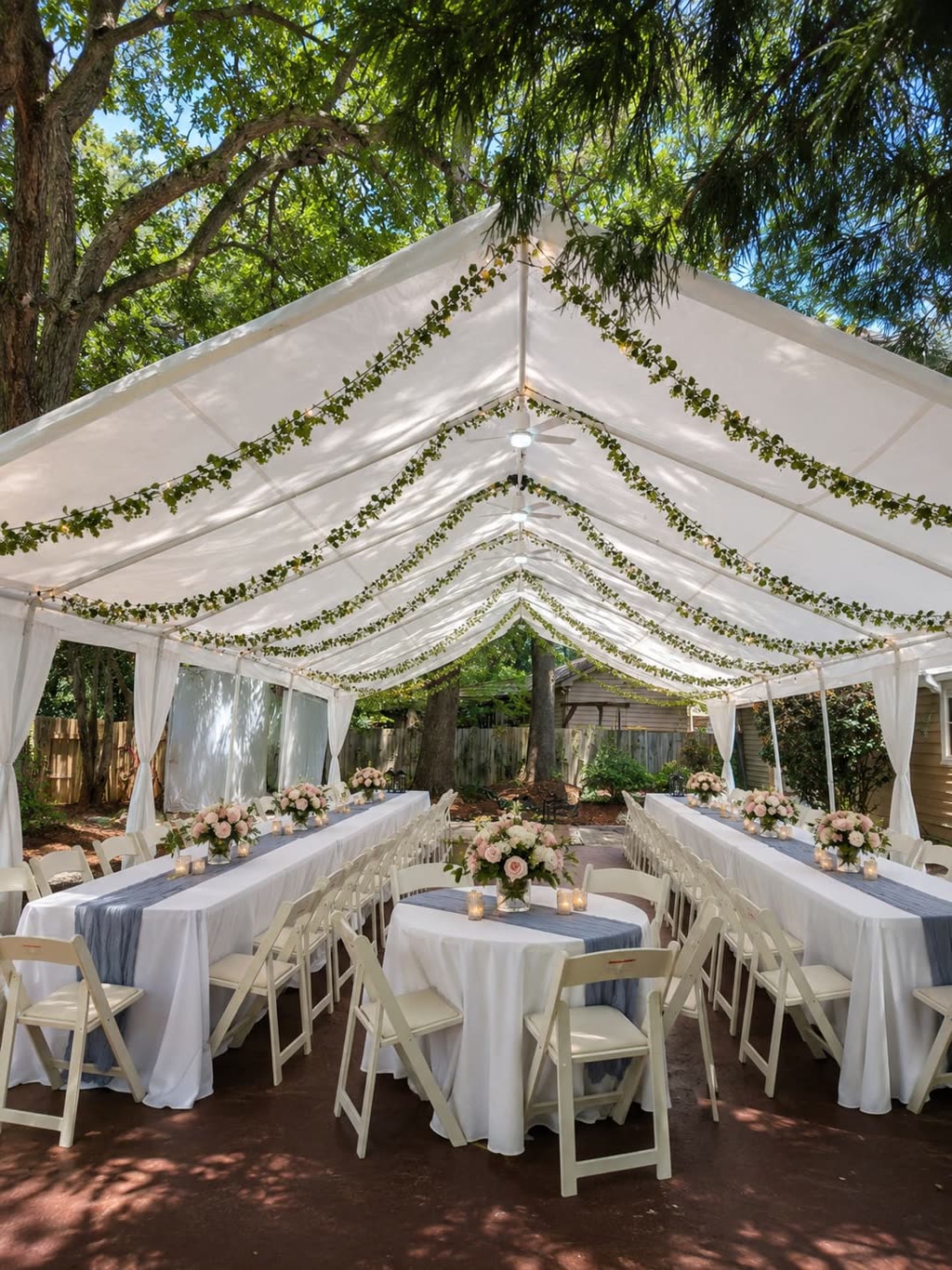
Understanding Taquiza Portions Per Guest
Start by estimating how many people will attend your celebration. A typical taquiza spread includes proteins such as carne asada, al pastor, pollo, and chorizo, along with fresh toppings like diced onions, cilantro, lime wedges, and salsa varieties. For a balanced serving, plan on about three to four small tacos per guest if the taquiza is the main course, or two to three tacos per person if you also serve side dishes such as Mexican rice, refried beans, or grilled vegetables. This estimate assumes each taco uses a standard 6‑inch corn tortilla filled with roughly two ounces of protein and a tablespoon of toppings.
Next, adjust the count based on the event’s duration and the age mix of attendees. If the party runs longer than three hours or includes many teenagers and adults who tend to eat more, increase the per‑guest taco count by one. Conversely, for a shorter gathering with mostly children or light eaters, you may stay at the lower end of the range. Keep a small buffer of extra tortillas and proteins—approximately ten percent of the total calculated amount—to accommodate unexpected appetites or last‑minute guests.
Yard Preparation for Taquiza Setup
Before the catering team arrives, inspect the lawn or patio area where the food stations will be placed. Ensure the surface is level and free of debris, sticks, or animal waste that could interfere with equipment stability. If the ground is soft after recent rain, consider laying down temporary ground protection mats or plywood sheets to prevent the serving tables and warmers from sinking. This step also helps keep the area clean and makes post‑event cleanup easier.
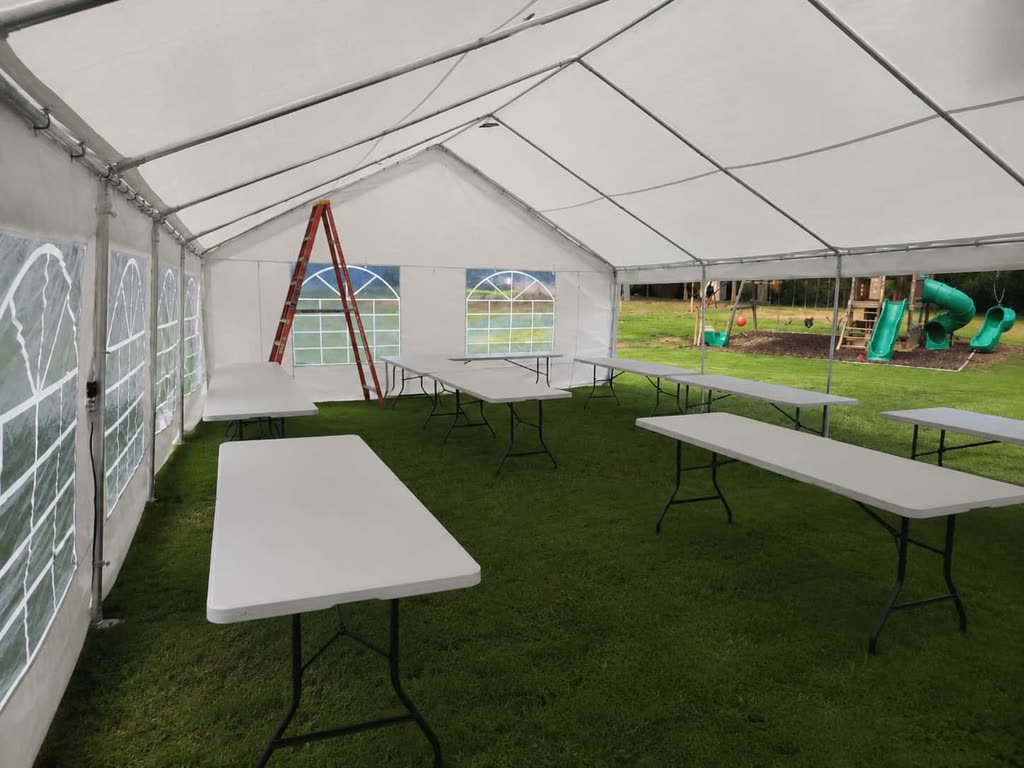
Mark out zones for the cooking grill, the topping bar, and the serving tables. Allow at least three feet of clearance around each station so guests can move comfortably and staff can replenish supplies without crowding. Position the grill downwind of the seating area to keep smoke away from guests, and place the topping bar near shade or a pop‑up canopy if the sun is strong. Having a clear flow from the grill to the serving line to the dining space reduces congestion and enhances the overall experience.
Timeline for the Day
Begin the day by confirming the delivery window with the catering team. For a location in Carl, which is roughly twenty‑two minutes from our Pendergrass warehouse, aim for a setup start time that allows at least ninety minutes before guests arrive. This buffer gives the crew enough time to unload the grill, warmers, tortilla press, and topping containers, and to conduct a quick safety check of propane connections and electrical cords.
Schedule the food preparation so that proteins are cooked just before the serving period begins. Keeping the meat warm in insulated containers or on low‑heat burners maintains quality without overcooking. Aim to have the first batch of tacos ready fifteen minutes prior to the expected guest arrival, then replenish the topping bar every twenty to thirty minutes. If your event includes a toast or speech, plan a brief pause in service to allow guests to gather, then resume the taquiza flow shortly afterward.
Weather & Rain Plan
Check the forecast for Carl, Barrow County, the day before the event and again the morning of. While tents and sidewalls can provide shelter, the taquiza grill itself should be positioned under a sturdy canopy or pop‑up tent rated for open‑flame use. Ensure the canopy is securely anchored, especially if wind is predicted, and keep a fire extinguisher nearby as a precaution. If rain is likely, have sidewalls ready to enclose the cooking area while still allowing ventilation for smoke.
In case of sudden downpour, the catering team can shift the serving tables under a larger event tent that covers the dining space, keeping the food dry and guests comfortable. Communicate any changes to the timeline promptly; for example, if setup is delayed by fifteen minutes due to weather, adjust the guest arrival time accordingly or offer a light appetizer while the grill is being readied. Having a clear rain plan reduces stress and helps the event proceed smoothly regardless of conditions.
Drive Logistics from Pendergrass Warehouse
Our Pendergrass warehouse is located approximately twenty‑two minutes from Carl under normal traffic conditions, traveling via Highway 211 and local roads. When scheduling the delivery, provide the exact street address, including unit number if applicable, so the driver can navigate directly to your property. Mention any narrow driveways, low‑hanging branches, or limited turning radius that might affect the arrival of the box truck carrying the grill, warmers, and supplies.
On the day of the event, the driver will call ahead to confirm arrival time and to let you know when they are five minutes away. This call allows you to have a clear path ready, unlock any gates, and ensure pets are secured indoors. After setup, the team will perform a quick walkthrough with you to confirm that all equipment is functioning and that the layout matches your plan. Once the event concludes, the same vehicle will return to pick up the equipment, so keep the access route clear for the departure as well.
Final Checklist & Tips
Create a short checklist the night before: confirm guest count, verify taco per‑guest calculation, ensure tortilla and topping buffers are packed, and double‑check that the grill propane tank is full. Lay out serving utensils, napkins, and waste bins in accessible locations, and label any dietary‑specific toppings if you have guests with allergies or preferences. Having a printed or digital copy of the timeline and contact numbers for the catering lead and the warehouse dispatcher helps everyone stay on track.
On the day of the celebration, greet the catering crew upon arrival, walk them through the yard layout you prepared, and point out the designated zones for cooking, topping, and dining. Encourage guests to serve themselves from the topping bar while the grill crew keeps the meat flowing. After the meal, collect any reusable items for cleaning, and thank the team for their work. Following these steps will help your taquiza catering Carl ga event be flavorful, well‑organized, and memorable for everyone involved.
Guest‑Count Math
Start with the RSVP list and add a buffer for extra guests. Multiply the expected headcount by the taco per‑guest figure you decided on earlier to get the base taco quantity. Then add ten percent to that number to cover second helpings or unexpected arrivals. For side dishes, calculate portions using the same guest count and apply a similar buffer. Write down the totals on a sheet so the catering team can prep the exact amount of protein, tortillas, and toppings.
If you are serving a mixed age group, consider weighting the calculation: assign a factor of 1.2 for adults and teenagers, and 0.8 for children under ten. Apply these factors to the guest count before multiplying by the taco per‑guest number. This refined method helps avoid over‑preparing for kids while still satisfying hearty eaters. Keep the final numbers handy when you discuss the order with the catering lead.
Yard Prep
Beyond leveling the surface, check for underground utilities or irrigation lines before placing any stakes or weights. Use a handheld stud finder or call the local utility locator service if you are unsure. Mark any hazards with temporary flags so the crew can avoid them during setup.
Lay down interlocking floor panels or rubber mats in high‑traffic zones to protect the grass and provide a stable walking surface. These panels are easy to remove and store after the event. If you have a sprinkler system, shut it off the night before to prevent water accumulation that could soften the ground.
Finally, set up a designated waste station with separate bins for recycling, compost, and trash. Label each bin clearly and place them near the exit to encourage guests to dispose of items properly. This keeps the yard tidy and reduces post‑event cleanup time.
Load‑In Timeline
Sixty minutes before the crew’s estimated arrival, verify that the driveway is clear of vehicles, toys, or garden equipment. Have a spare set of keys or a lockbox ready if the gate is locked. This pre‑check prevents delays once the truck arrives.
When the box truck pulls in, the driver will position it as close as possible to the work zone. The crew will then begin unloading the grill, warmers, and storage bins in a predefined order to keep the workflow smooth. Assign one person to hold the door open and another to guide each item to its spot.
After unloading, perform a quick safety walk: check propane connections, test electrical cords, and ensure all equipment is upright and stable. Sign off on a simple checklist with the catering lead before moving on to food preparation. This step guarantees everything is ready for the cooking phase.
Rain Plan
If the forecast shows a chance of rain, prepare a secondary canopy that can be erected over the dining area within ten minutes. Keep the canopy’s frame and fabric folded and stored in a dry spot near the setup zone so it can be deployed quickly.
For the cooking station, have a removable windbreak made of heavy‑duty PVC strips that can be snapped onto the grill canopy. This shields the flame from gusts while still allowing smoke to escape. Test the windbreak before the event to ensure it fits securely.
Communicate the rain plan to all vendors and helpers in a group message so everyone knows who is responsible for deploying each piece. Assign a timekeeper to monitor the sky and give a five‑minute warning before any anticipated shower.
Local Logistics
Carl’s residential streets often have limited width, so confirm that any delivery vehicle will fit without blocking neighbor driveways. Provide the dispatcher with a cross‑street reference or a landmark such as the nearest mailbox to aid navigation.
If your property is accessed via a gravel or dirt road, advise the crew to drive slowly to avoid kicking up dust that could settle on food surfaces. A quick spray of water on the road before arrival can reduce dust, but check local regulations first.
After the event, schedule the pickup for a time when traffic is light, typically mid‑morning the following day. Leave a note for any homeowners’ association or security patrol if your community requires notification of large vehicle movements.
Checklist
- Confirm final guest count and dietary notes
- Verify taco per‑guest calculation and buffer amounts
- Pack extra tortillas, proteins, and toppings (10 % extra)
- Check propane tank level and electrical cords
- Prepare ground protection mats or plywood if needed
- Mark cooking, topping, and dining zones with flags or tape
- Set up waste and recycling stations with clear labels
- Have canopy, windbreak, and rain‑sidewall ready
- Share exact address, cross‑street, and any access restrictions with the dispatcher
- Schedule delivery window and confirm call‑ahead protocol
- Run a safety walkthrough after unloading
- Keep the access route clear for departure and equipment pickup
- Enjoy the event and thank the crew afterward