
Understanding Taquiza Catering Lilburn GA Basics
Taquiza catering brings the vibrant flavors of a Mexican street‑food grill to private celebrations, and it has become a favorite choice for hosts in Lilburn who want an interactive, fresh‑served experience. The service typically includes seasoned meats grilled on‑site, warm tortillas, a variety of salsas, guacamole, lime wedges, and fresh toppings such as cilantro, onions, and radishes. Because the food is prepared and served live, guests can customize their tacos to their liking, which adds a fun, communal element to weddings, quinceañeras, birthdays, and family reunions. In Lilburn, many backyards offer shaded areas off Killian Hill Road that provide a pleasant setting for the grill and serving stations, making the logistics smoother for both the catering team and the guests.
When planning a taquiza event, the first step is to confirm the exact guest count, as this drives every other decision from meat quantities to tortilla stacks and topping bowls. Knowing the number of adults versus children helps adjust portion sizes, since younger guests often eat smaller tacos while adults may enjoy two or three. The catering team will need clear access to the yard for their grill, fuel, and serving tables, so measuring the driveway or gate width ahead of time avoids last‑minute surprises. By establishing these basics early, you create a solid foundation for a seamless, flavorful experience that reflects the lively spirit of Lilburn’s community.
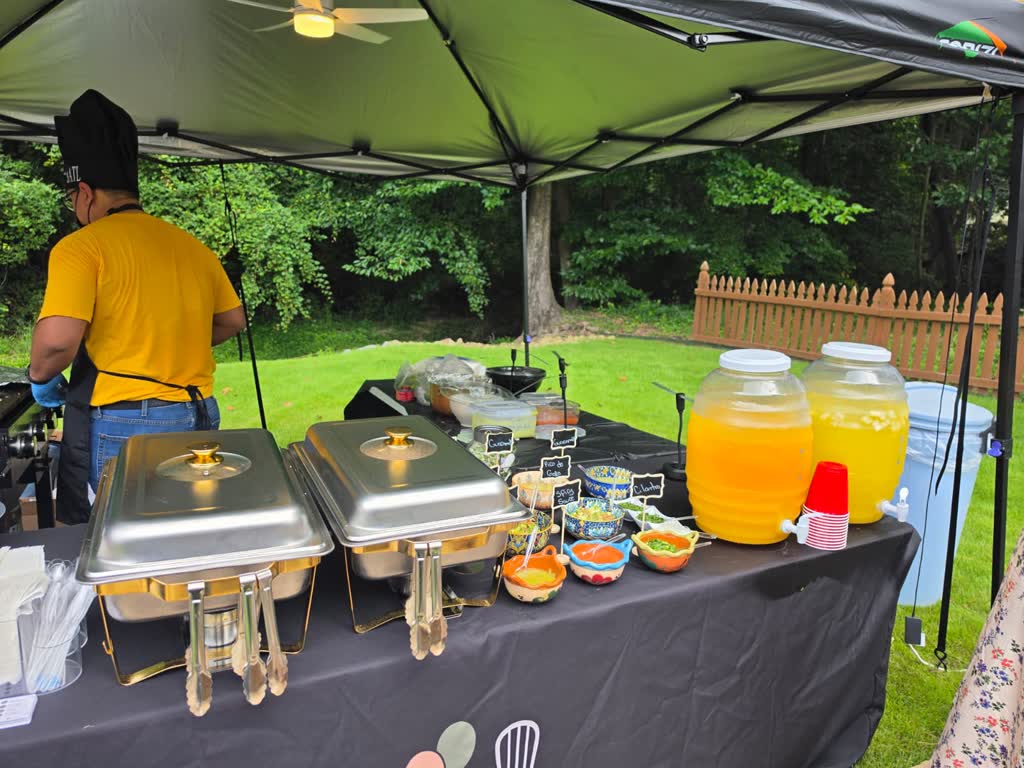
taquiza catering Lilburn ga: estimating food per guest
To estimate how much food to prepare per guest, start with a baseline of protein. A typical serving calls for about four to five ounces of grilled meat per adult taco, which translates to roughly two tacos per person if each taco holds two ounces of filling. For a gathering of 100 adults, this means planning for approximately 200 tacos, or 800 to 1 000 ounces of meat total. Adjust the baseline downward for children, perhaps to two to three ounces per taco, and upward if you know your crowd loves extra meat or if you plan to offer multiple protein options such as chicken, steak, and chorizo.
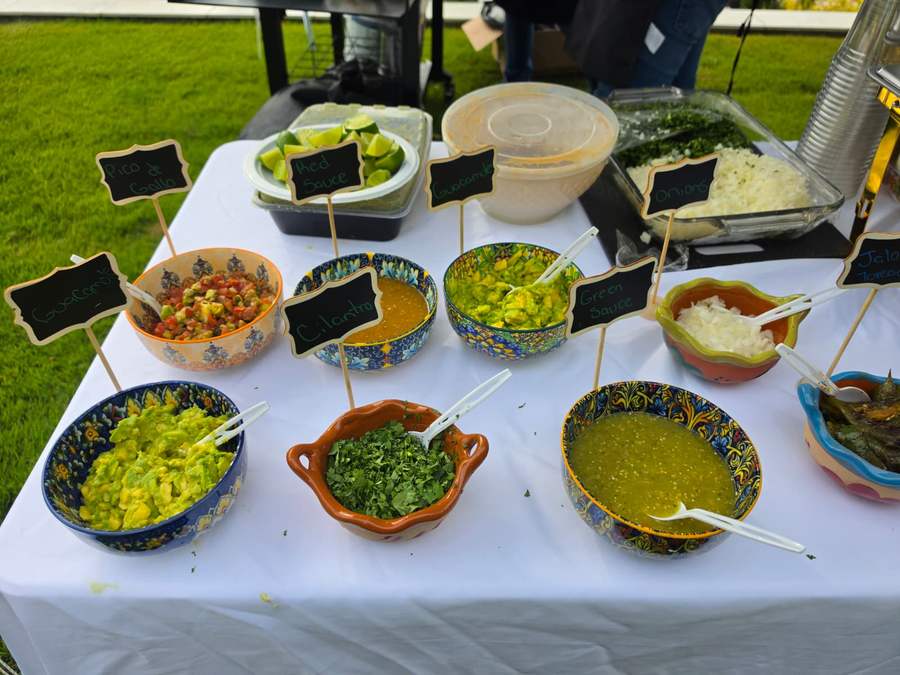
Next, calculate tortillas and toppings. Plan for two tortillas per taco, so the same 100‑adult example needs about 400 tortillas. For salsas and guacamole, aim for roughly two tablespoons of each per taco, which scales to about 12 ½ cups of salsa and 12 ½ cups of guacamole for 100 adults. Fresh toppings like diced onions, cilantro, and radishes can be estimated at a quarter cup per taco. Having these numbers written down helps the catering team prep the right amount of each component, minimizing waste while ensuring every guest can build their ideal taco.
Yard Preparation and Setup Timeline for Lilburn Backyards
Begin yard preparation by walking the space where the grill and serving stations will sit. Look for a level area that is free of low‑hanging branches, sprinkler heads, or garden hoses that could interfere with the equipment. In Lilburn, many homes have shaded patches off Killian Hill Road that provide natural relief from the sun; positioning the grill under this shade keeps the cooking surface at a stable temperature and makes the serving line more comfortable for guests. Measure the length and width of the chosen zone to confirm it can accommodate the grill (usually about six feet wide), a serving table (around eight feet), and enough room for guests to line up comfortably.
Next, establish a clear timeline for the day. The catering crew typically needs about two hours to unload, set up the grill, and arrange the serving stations before guests arrive. Schedule their arrival at least two hours prior to the event start time, allowing for a buffer in case of traffic on Lawrenceville Highway or unexpected delays. Confirm that the driveway or side gate is at least nine feet wide to accommodate the delivery truck, and inform any neighbors if the truck will need to park briefly on the street. Having a written timeline shared with the catering lead ensures everyone knows when to expect the truck, when the grill will be lit, and when the food will be ready for the first guests.
Coordinating Drinks, Sides, and Extras
While the taquiza grill provides the main protein, rounding out the meal with complementary sides and drinks enhances the overall experience. Traditional accompaniments include Mexican rice, refried or black beans, elote (grilled corn), and a fresh salad with lettuce, tomato, and avocado. For a guest count of 120, plan for roughly half a cup of rice and half a cup of beans per person, which translates to about 30 cups of each. Elote can be served on the cob or off the cob, aiming for one ear per two guests if you want to keep the line moving efficiently.
Beverages are equally important. Offer a selection of aguas frescas such as horchata, jamaica, and tamarindo, along with bottled water and soft drinks. A good rule of thumb is to provide one 12‑ounce drink per guest per hour of event duration, plus a few extra for refills. Ensure you have enough ice, cups, and napkins readily available near the drink station. Label each beverage clearly and keep the serving area stocked throughout the event so guests can help themselves without causing bottlenecks near the grill.
Weather Contingency and Rain Plan Essentials
Even with a favorable forecast, it is wise to prepare for sudden changes in weather, especially during the spring and summer months in North Georgia. The catering team can bring a pop‑up canopy or a side‑wall tent that attaches to the grill area, protecting the flame and food from light rain or gusty winds. Verify that the anchoring system used for the tent is suitable for grass surfaces, as many Lilburn backyards have lawns that need stakes or sandbags to stay secure. Discuss with the provider whether they have waterproof covers for the serving tables and whether they can quickly move any delicate items, such as salsa bowls, to a sheltered spot.
In the event of a heavier downpour, having a backup plan to shift the serving line under a larger tent or onto a covered patio can keep the event flowing. Confirm the address and any gate codes with the catering lead so they can navigate the property quickly if weather forces a relocation. Keep a list of nearby indoor alternatives, such as a community center or a neighbor’s garage, just in case the yard becomes unsafe. Communicating the rain plan to guests ahead of time via a brief note on the invitation or a group chat helps set expectations and reduces confusion if adjustments become necessary.
Day‑of Timeline and Staff Coordination
On the day of the event, a clear timeline helps the catering crew, any additional helpers, and the hosts stay synchronized. Begin with the grill crew’s arrival, followed by a quick site walk to confirm the setup location matches the pre‑plan. The grill should be lit approximately thirty minutes before the first guests are expected to arrive, allowing the grates to reach the proper cooking temperature. While the meat cooks, the side‑dish team can warm the rice and beans, and the topping station can be stocked with fresh cilantro, diced onions, lime wedges, and sliced radishes.
As guests arrive, designate one person to greet them and direct them to the serving line, reducing congestion at the grill entrance. Have a replenishment schedule in place: after every thirty minutes of service, check meat levels, refill tortillas, and top off salsas and guacamole. Assign a teammate to monitor drink stations, ensuring ice does not melt away and cups remain stocked. After the main serving period, allocate time for a quick cleanup of the grill surface, collection of used plates, and storage of any leftover food in insulated containers. A final walk‑through with the catering lead confirms that all equipment is accounted for and the yard is left in good condition.
Final Checklist and Communication with Your Provider
Before the event date, run through a concise checklist to avoid overlooking any detail. Verify the exact street address, including apartment or unit number if applicable, and confirm the five‑digit ZIP code matches the service‑area list for Lilburn, Gwinnett County. Re‑confirm the event start time, the estimated guest count, and any special dietary requests such as gluten‑free tortillas or mild salsa options. Share the contact information for the person who will be on site to greet the crew, and provide a secondary phone number in case the primary line is unavailable.
On the day of the event, maintain open communication with the catering lead via text or phone. If the grill needs additional fuel or if a topping runs low, a quick message allows the team to respond without interrupting the flow. After the event, ask for a brief debrief on what went well and any observations for future gatherings. This feedback loop helps both you and the provider refine the process for the next celebration. By following these steps, you ensure that the taquiza catering experience in Lilburn is delicious, well‑organized, and memorable for every guest.