
Understanding Weather Risks in Norcross, GA
Norcross, nestled in Gwinnett County, experiences a dynamic climate where spring showers and summer thunderstorms can appear without warning. For hosts planning an outdoor celebration—whether it’s a backyard wedding, a quinceañera, or a family reunion—recognizing the local weather patterns is the first line of defense. Historical data shows that May through September brings the highest chance of rain, often during late afternoon hours, which aligns with typical event start times. By consulting the National Weather Service a week before your event and setting up alerts on the day of, you gain a real‑time view that informs quick decision‑making and helps you stay one step ahead of unexpected precipitation.
In addition to monitoring forecasts, consider the micro‑climate created by the Historic Norcross yards and the neighborhoods off Jimmy Carter Boulevard. Tree canopies in these areas can produce localized drizzle even when broader forecasts predict clear skies. Walking the event site a day before the celebration gives you the chance to spot low‑lying areas that tend to collect water, assess drainage, and identify natural wind breaks. This on‑the‑ground reconnaissance, coupled with a reliable forecast, forms a solid foundation for the rest of your rain‑ready strategy.
Building a Flexible Event Timeline
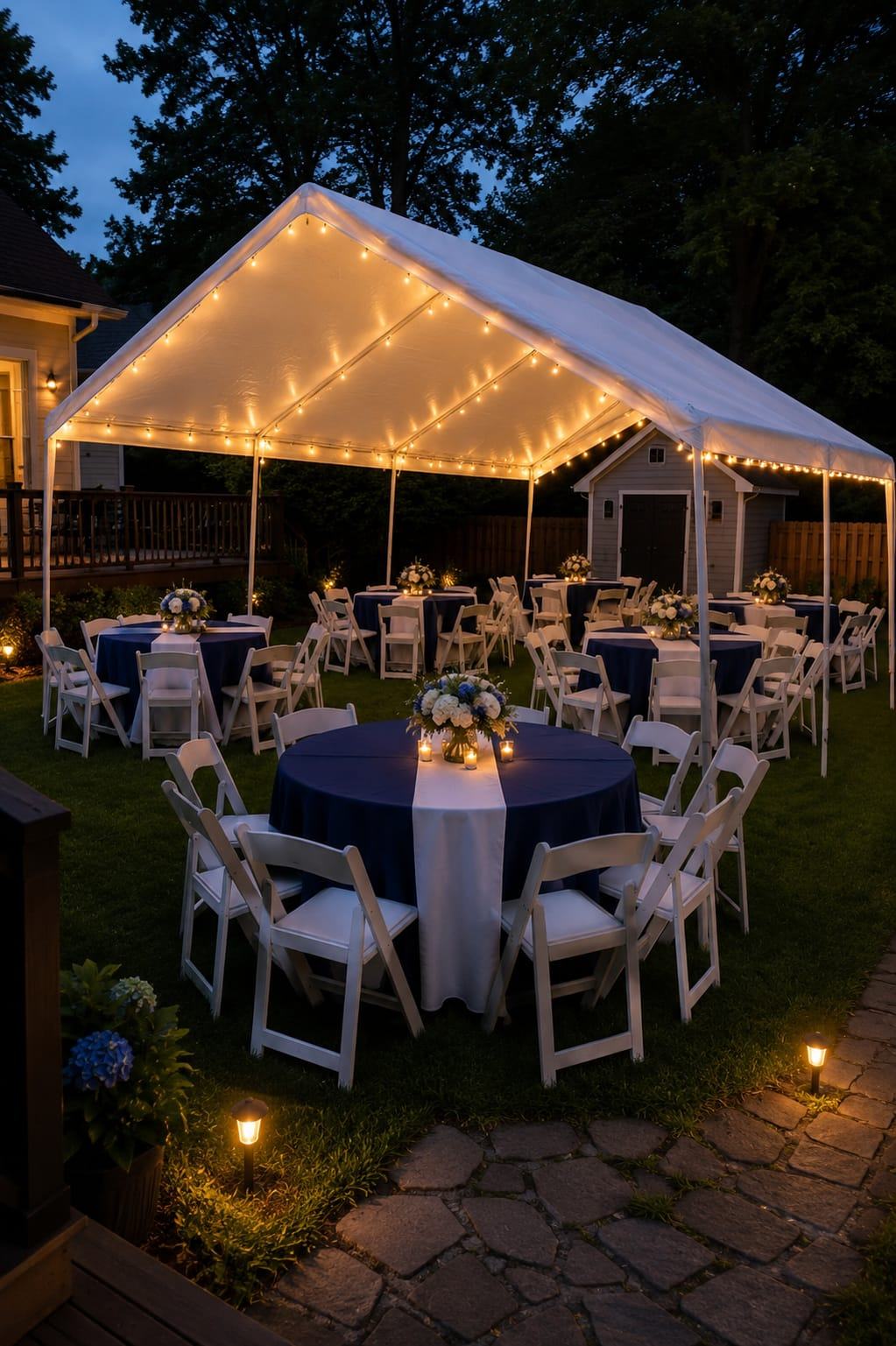
A well‑structured timeline is essential when you need to adapt quickly to changing weather. Begin by scheduling the most weather‑sensitive components, such as ceremony seating and live music, during the early portion of the day when rain probability is statistically lower. For a typical Norcross backyard with a capacity of 120 guests, allocate the first two hours for the ceremony, cocktail hour, and any formal introductions. This arrangement not only reduces exposure to late‑day thunderstorms but also provides a buffer to transition guests into a protected environment if clouds gather.
Incorporate contingency blocks into the schedule. Reserve a 30‑minute “rain buffer” after the ceremony for a seamless move to a tented area or for adjusting lighting and décor. Communicate this flexible structure clearly in your invitations and through any event app you use, so guests know that a short pause may be part of the plan. By embedding these buffer periods, you avoid last‑minute scrambling, keep the flow of the celebration smooth, and demonstrate professionalism that reassures attendees even when the sky turns gray.
Choosing the Right Tent and Sidewalls
DecoEvent ATL’s commercial COBIZI tents are engineered for the kind of weather challenges common in Norcross. For gatherings of 100‑150 guests, a 20 × 40 tent offers ample space for seating, a dance floor, and a buffet while still fitting comfortably in most residential lots. This size comfortably seats 64‑80 guests at tables, leaving room for a cocktail area and a small stage. Importantly, the 20 × 40 model can be equipped with sidewalls that extend up to 10 feet high, providing protection against rain and wind while preserving an open, airy feel. Sidewalls also help control temperature, keeping the interior cooler on humid days.
When selecting sidewalls, consider the direction of prevailing winds in the Norcross area—typically from the west during summer storms. Installing sidewalls on the windward side first creates a barrier that reduces wind pressure on the tent, decreasing the risk of flapping fabric or structural strain. Pair the sidewalls with a clear roof panel if you want to maintain natural light while staying dry. This combination offers both protection and ambiance, allowing guests to enjoy views of the Historic Norcross yards even under overcast skies.
Securing Tables, Chairs, and Flooring
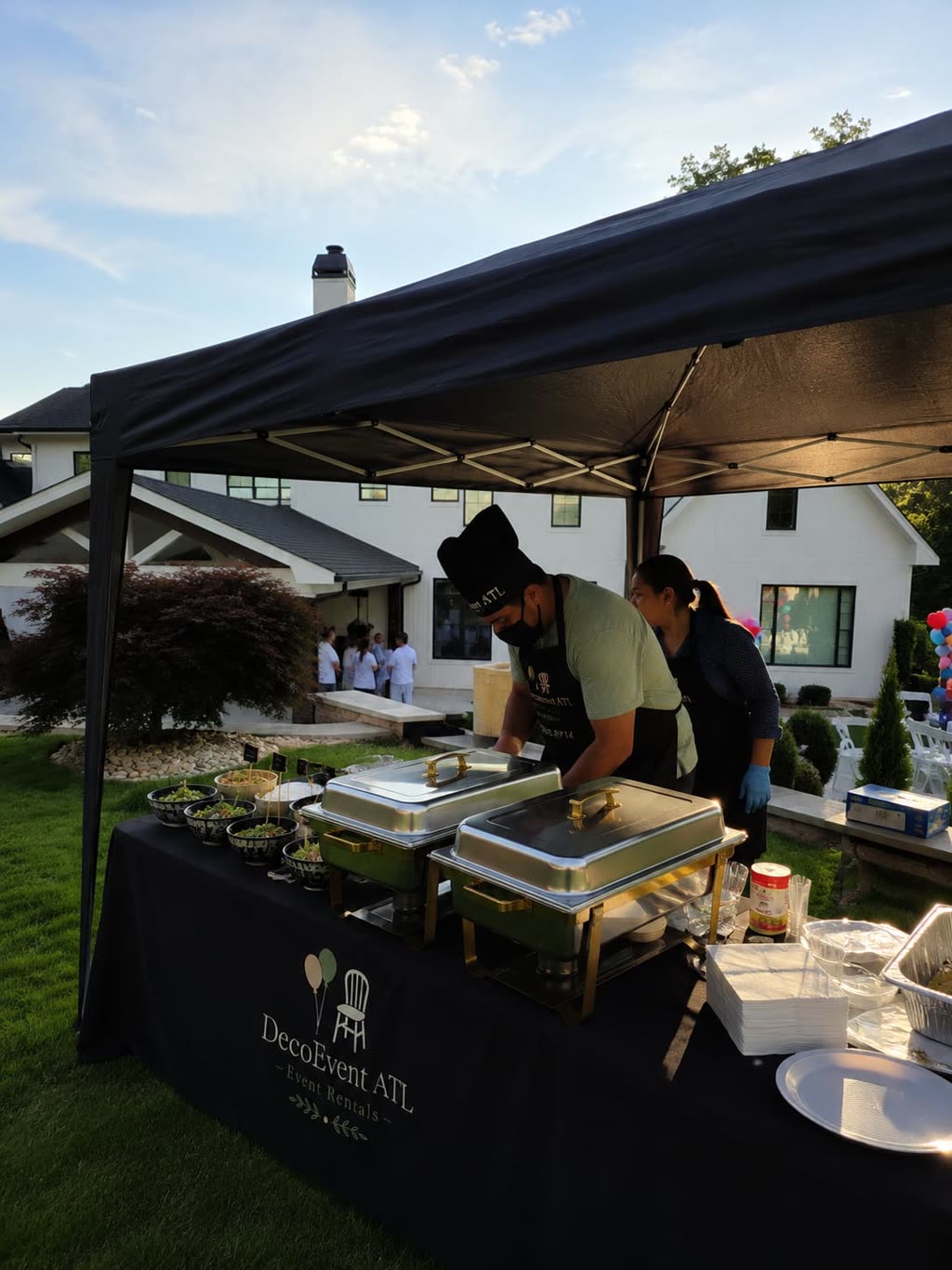
Rain can turn grass and soil into a slippery surface, so protecting your furniture and ensuring stable footing is critical. Use the standard 4‑foot round tables that comfortably seat 4‑6 guests each; for a 120‑guest event you’ll need roughly 20‑22 tables. Place a 4‑inch plywood platform beneath each table to create a level, dry surface. The platform should extend at least 18 inches beyond the table edge to prevent water from pooling under the legs. This method not only safeguards the tables from moisture but also provides a safe walking area for guests and staff.
Resin folding chairs are lightweight yet strong enough to handle occasional moisture. Arrange chairs in clusters of four to six per table, leaving a narrow walkway of at least 24 inches between rows to facilitate easy movement. If the ground is particularly soft, add interlocking rubber tiles beneath the chair rows. These tiles distribute weight evenly, preventing chairs from sinking and reducing the cleaning effort afterward. By proactively preparing the floor, you preserve the look of your décor and keep the event running smoothly regardless of a sudden drizzle.
Protecting Decorations, Lighting, and Audio
Floral arrangements and balloon arches add color to an outdoor celebration, but they are vulnerable to rain. Choose artificial florals for the core décor; they retain their vibrancy even when exposed to moisture. If you prefer fresh flowers for centerpieces, place them inside clear acrylic vases and cover each vase with a lightweight, transparent rain shield made from PVC film. This setup allows guests to admire the natural blooms while keeping water off the stems. Balloon garlands should be inflated with helium and secured with clear fishing line to prevent them from sagging or popping if humidity rises.
Lighting strategies should include both functional and atmospheric elements. LED tent lighting strings illuminate the interior of the tent uniformly, while bistro strings can be draped along the perimeter of the sidewalls to add a warm glow. Position these lights at least two feet above the heads of seated guests to avoid water contact. For audio, the sound system can support up to 300 guests, but ensure speakers are elevated on stands and shielded with waterproof covers. By integrating water‑resistant equipment and defensive décor practices, you maintain the visual and auditory experience even when clouds open.
Managing Guest Comfort and Safety
Rain does not have to diminish guest enjoyment if you plan for comfort. Provide each guest with a clear, laminated itinerary that highlights the location of the covered area, restrooms, and any indoor backup space. Offer disposable ponchos or branded umbrellas near the entrance; these can be stored in a dry corner of the tent when not in use. Additionally, set up a small heated patio heater inside the tent if the temperature drops, as cooler rain often feels colder for guests.
Safety protocols are essential in wet conditions. Assign a staff member to monitor sidewall connections throughout the event, ensuring that fasteners remain tight and that no water is seeping into the tent interior. Place non‑slip mats at the base of any stairs or raised platforms, and keep a wet‑floor sign visible near any areas where water may accumulate. By addressing both comfort and safety, you demonstrate thorough care for your guests, turning a potentially soggy day into a memorable, well‑managed celebration.
Logistics: Delivery, Setup, and Drive from Pendergrass
DecoEvent ATL’s warehouse sits in Pendergrass, GA, and the drive to Norcross typically takes about 45 minutes via GA‑400 and I‑85, covering roughly 35 miles. Our delivery crew plans the route to arrive at least three hours before the event’s start time, allowing ample time for tent erection, sidewall installation, and furniture placement. The crew uses a real‑time GPS system that updates traffic conditions, ensuring on‑time arrival even during peak commuter hours.
On the day of the event, the setup crew begins by staking the tent anchors into the yard, taking care to avoid underground utilities. After the tent frame is secured, sidewalls are attached, followed by the flooring platforms for tables and chairs. Lighting, sound equipment, and décor are installed last to protect them from any early rain. Once the event concludes, the crew dismantles the tent and removes all equipment, leaving the yard clean and ready for post‑event celebrations. By following this precise logistical timeline, you enjoy a seamless experience from the moment the truck rolls in until the final guest says goodbye.
Frequently asked questions
What if it starts raining during the ceremony?
Move guests promptly to the tented area, using the pre‑planned rain buffer time to transition without interrupting the ceremony flow.
How long does it take to set up a 20 × 40 tent?
The professional crew typically needs three to four hours for full installation, sidewalls, flooring, and lighting in a standard backyard.
Can we keep our fresh flower centerpieces if it rains?
Yes, by placing each arrangement in a clear acrylic vase covered with a waterproof PVC shield, you protect the blooms while keeping them visible.
Do we need to provide umbrellas for guests?
Supplying disposable ponchos or umbrellas near the entrance is recommended for guest comfort, especially during sudden showers.
Will the sound system work inside the tent during a storm?
The sound equipment is mounted on waterproof stands and covered, ensuring clear audio even if rain hits the sidewalls.
How far is Norcross from your warehouse?
Norcross is about a 45‑minute drive, roughly 35 miles, from the Pendergrass warehouse, allowing timely delivery and setup.