
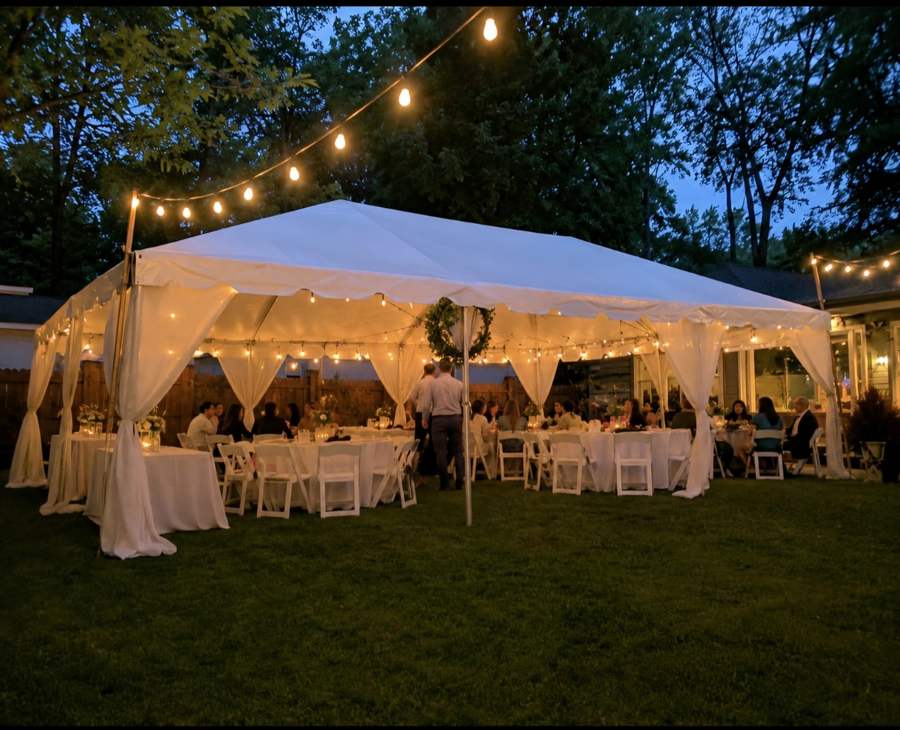
Understanding the Challenges of a Tent on Sloped Yard Sandy Springs ga
When planning an outdoor celebration in Sandy Springs, Fulton County, the topography of many residential yards introduces unique considerations for installing a tent. A tent on sloped yard Sandy Springs ga requires careful assessment of the grade, soil stability, and drainage patterns to ensure the structure remains level and secure throughout the event. Homeowners often notice that yards off Roswell Road or near the Dunwoody border have gentle rises that can affect tent anchoring and flooring. By evaluating the slope angle, typically measured in degrees, you can decide whether additional shimming, adjustable base plates, or a raised platform is necessary. This initial walk‑through also helps identify any low‑lying spots where water might collect after rain, allowing you to plan for proper runoff or temporary drainage solutions.
Beyond the physical slope, the surface material—whether grass, compacted soil, or a mixture of mulch and leaf litter—affects how weight is distributed across the tent frame. Soft ground may lead to settling, which could cause uneven tension on the canopy and stress on the sidewalls. Conversely, overly hard or rocky substrates can make it difficult to drive stakes or secure weights. Taking note of these conditions early enables you to choose the right anchoring system, whether that means heavy‑duty sandbags, water barrels, or ground screws designed for uneven terrain. Documenting the slope direction and any existing landscaping features, such as retaining walls or flower beds, provides a clear picture for the installation team and helps avoid surprises on the day of the event.
Site Preparation Steps for a Tent on Sloped Yard Sandy Springs ga
Preparing the yard begins with clearing the designated area of debris, toys, garden tools, and any loose vegetation that could interfere with tent layout or create tripping hazards. Homeowners in Sandy Springs often find that a quick sweep of the lawn, followed by a light raking of the grass, reveals hidden rocks or roots that need attention. Once the surface is clean, marking the perimeter with spray chalk or garden twine helps visualize the tent footprint and ensures that the structure will not encroach on walkways, driveways, or utility lines. This step is especially important in yards that slope toward the street, where runoff could otherwise flow into the tent interior if not properly diverted.
Next, address the slope itself by creating a level base. One common method is to lay interlocking timber planks or composite decking boards across the low side, building up until the surface matches the high side. These boards can be secured with landscape spikes or screws to prevent shifting. For gentler inclines, adjustable steel base plates that come with many commercial tent systems allow you to fine‑tune each leg’s height individually, compensating for variations of up to several inches without additional lumber. If the slope exceeds what the tent’s adjustable legs can handle, constructing a simple wooden platform framed with pressure‑treated 2×4s and topped with plywood provides a stable, level deck that distributes weight evenly across the frame.
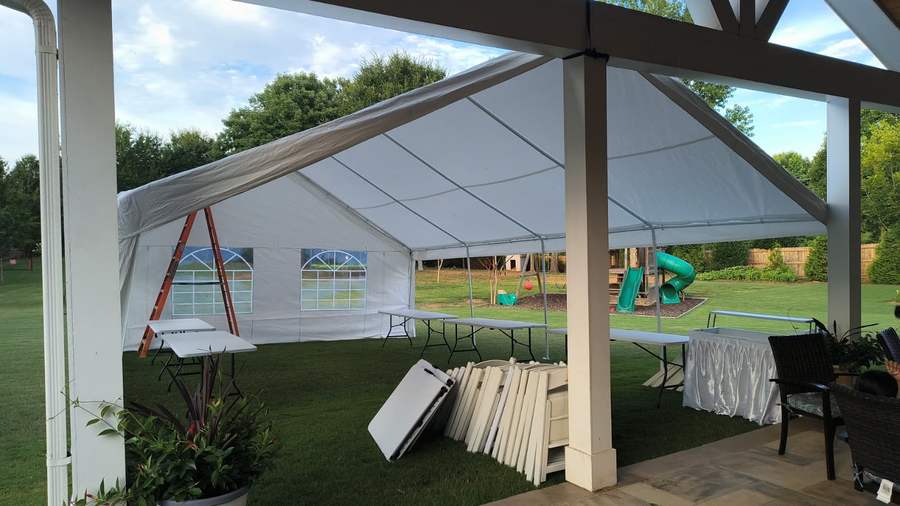
Choosing the Right Tent Type for Uneven Terrain in Sandy Springs
Not all tent designs perform equally well on sloped ground, so selecting a model with adequate flexibility is essential. Frame‑tents that feature independent leg adjustment, such as pole‑less aluminum frames with telescoping legs, allow each corner to be set to a different height, maintaining a flat roof plane even when the ground beneath varies. Clear‑span tents, which lack interior poles, also benefit from this characteristic because the roof tension is distributed across the perimeter, reducing the risk of pooling water on one side. For events in Sandy Springs where wind can pick up off the Chattahoochee River corridor, a tent with reinforced cross‑bracing and sturdy steel connectors offers added peace of mind.
Consider the sidewall options as well. On a sloped yard, wind can funnel up the slope and exert lateral pressure on the tent walls. Choosing sidewalls with reinforced stitching and optional wind straps helps maintain integrity. If the event includes a dance floor or buffet tables, selecting a tent with sufficient interior height—typically at least 8 feet at the eaves—ensures that guests can move comfortably even after the legs are adjusted to compensate for the slope. Finally, verify that the tent’s anchoring system includes options for both ground stakes and weighted bases, so you can switch methods depending on whether the soil is soft enough for stakes or requires ballast on harder patches.
Guest Count Math and Layout Planning for a Tent on Sloped Yard Sandy Springs ga
Understanding how many guests your tent can accommodate helps you decide on the appropriate size and layout, especially when working with uneven ground that may limit usable space. A standard 20 × 20‑foot frame tent comfortably seats 32 to 40 guests in a banquet‑style arrangement with 60‑inch round tables, each seating eight to ten people. If you opt for rectangular banquet tables, a 20 × 20 layout can fit eight tables of 8 feet length, accommodating roughly 64 guests when seated side‑by‑side. For a cocktail‑style flow, the same tent can support up to 50 standing guests when you incorporate highboys and open‑circulation pathways.
When the yard slopes, you may need to allocate a portion of the tent footprint for a leveling platform or for drainage channels, which reduces the available area for seating. For example, if a 4‑foot wide strip along the low edge is raised with timber decking, the effective interior shrinks to roughly 16 × 20 feet, adjusting the capacity accordingly. In such a case, you might choose a larger tent, such as a 20 × 30‑foot model, which still fits within many Sandy Springs yards and offers 48 to 60 seated guests even after accommodating a leveling zone. By mapping out the tent dimensions on graph paper or using a simple online layout tool, you can visualize table placement, ensure adequate aisles of at least 3 feet for service staff, and confirm that the dance floor or buffet table sits on the flattest section of the platform.
Timeline: From Setup to Takedown for a Tent on Sloped Yard Sandy Springs ga
A well‑structured timeline ensures that the tent is installed safely, the event runs smoothly, and the site is restored promptly after the celebration. Begin the day before the event with a site inspection to verify that the ground preparation—leveling boards, adjustable legs, or platform—remains intact and that no erosion has occurred overnight. On the morning of the event, aim to start installation at least four hours before the scheduled start time. This window allows the crew to unload the tent components, position the base plates or lumber, raise the frame, and tension the canopy without rushing. In Sandy Springs, where morning traffic on Roswell Road can be heavy, scheduling the crew arrival for 8:00 AM for a 2:00 PM event typically provides a comfortable buffer.
Once the frame is upright, attach the sidewalls, secure any wind straps, and install lighting or décor elements such as bistro strings or uplighting. After the structural components are in place, lay down the flooring—whether interlocking tiles, wood planks, or a temporary dance floor—ensuring that seams are tight and the surface is level. Finally, bring in tables, chairs, linens, and any catering equipment, conducting a quick walk‑through with the host to confirm that aisles are clear and that the tent looks symmetrical. After the event concludes, reverse the process: remove décor, break down tables, lower the frame, and pack the components. Aim to finish takedown within two hours of the guest departure to avoid overtime charges and to leave the yard in its original condition.
Rain Plan and Weather Contingencies for a Tent on Sloped Yard Sandy Springs ga
Even with a carefully installed tent, unpredictable weather can affect an outdoor event, especially in the Atlanta metro area where afternoon thunderstorms are common in spring and summer. A solid rain plan begins with selecting a tent that includes sidewalls and, if possible, a rain‑fly or waterproof coating that prevents water from seeping through the canopy. For a tent on sloped yard Sandy Springs ga, ensure that the low‑edge sidewalls are properly sealed and that any seams are taped, as water tends to run down the slope and could infiltrate at the lowest point. Additionally, verify that the tent’s anchoring system remains secure when the ground becomes soggy; water‑logged soil can reduce stake holding power, so having weighted bases or sandbags ready as a backup is advisable.
If rain becomes heavy enough to make the setup unsafe, the company policy allows the event date to be rescheduled without penalty, provided the new date falls within the vendor’s availability window. Keep an eye on local forecasts from trusted sources such as the National Weather Service for the Sandy Springs ZIP code 30350, and maintain open communication with the event coordinator via phone or WhatsApp. In cases where only light drizzle is expected, deploying gutter extensions or temporary French drains along the low edge of the tent can channel water away from the interior, keeping the floor dry and guests comfortable. Having a few extra towels or a wet‑vac on hand for quick spill cleanup further enhances guest experience.
Drive Logistics and Service Area Considerations for Sandy Springs, Fulton County
Delivering a tent and related equipment to Sandy Springs involves navigating the suburban road network that connects Pendergrass, Georgia, to the northern Fulton County neighborhoods. The approximate distance from the DecoEvent ATL warehouse in Pendergrass to a typical Sandy Springs address near Roswell Road and Dunwoody border is about 35 miles, which translates to a drive time of roughly 55 minutes under normal traffic conditions. This places the location well within the 40‑mile service radius, ensuring that standard delivery fees apply according to the company’s distance‑based schedule.
When planning the delivery, consider peak travel times on major arteries such as GA‑400 and I‑285, which can experience congestion during morning and evening rush hours. Scheduling the truck to arrive outside of these windows—either early in the morning before 7:00 AM or after the evening peak around 7:00 PM—helps avoid delays that could push back the setup timeline. The driver should also be prepared for potential detours around construction zones near the Perimeter Mall area, which occasionally affect travel times. Providing the exact street address, including the ZIP code, allows the logistics team to confirm the precise mileage and to prepare the appropriate number of assistants for off‑loading, especially when dealing with larger tents or additional equipment like bounce houses or sound systems.
Frequently asked questions
How do I know if my yard is too sloped for a tent setup?
Assess the grade by measuring the rise over run; if the slope exceeds the adjustable leg range of the tent system (usually about 6‑8 inches), you may need a leveling platform or additional shimming. A quick visual check for noticeable leaning or water runoff can also indicate excessive slope.
What materials work best for creating a level base on uneven ground?
Interlocking timber planks, composite decking, or adjustable steel base plates are effective. For steeper slopes, a simple wooden frame topped with plywood provides a stable, level surface that distributes weight evenly.
Can I install a dance floor on a sloped yard with a tent?
Yes, once you have built a level platform or used adjustable legs to compensate for the slope, you can place a portable dance floor on top, ensuring seams are tight and the surface is level for guest safety.
What should I do if rain starts during the event?
If the tent has sidewalls and a proper rain fly, the interior should stay dry. In case of heavier rain, the event can be rescheduled according to the vendor’s policy, and you can use gutter extensions or temporary drains to divert water away from the tent interior.
How far in advance should I schedule delivery for a Sandy Springs event?
Aim to have the delivery truck arrive at least four hours before the event start time, allowing sufficient window for unloading, positioning, and frame erection without rushing.
Are there any restrictions on tent height in Sandy Springs residential areas?
Most residential zones permit temporary structures up to 15 feet in height for events; however, it is advisable to check any homeowner association guidelines or local ordinances that may apply to your specific property.