
Why Choose Tent Draping in Atlanta, GA
Atlanta’s diverse neighborhoods—from the upscale yards of Buckhead to the eclectic patios of East Atlanta—offer a variety of outdoor venues that often start with a simple, functional tent. Adding professional draping transforms that plain structure into a customized backdrop that reflects the host’s style, enhances ambience, and creates a cohesive look that matches the city’s vibrant energy. Clients appreciate the ability to tailor color palettes, fabric weights, and finishing touches to echo personal themes while still benefiting from the durability of DecoEvent ATL’s commercial COBIZI tents.
Beyond aesthetics, draping adds practical benefits. Heavy‑weight fabrics can block harsh midday sun, reducing heat for guests and easing the load on supplemental patio heaters. In the cooler evenings of North Georgia, draped walls can help retain warmth, making outdoor celebrations comfortable from start to finish. The added layers also serve as a built‑in rain guard, allowing an event to proceed under sidewalls without the need for a last‑minute tent upgrade.
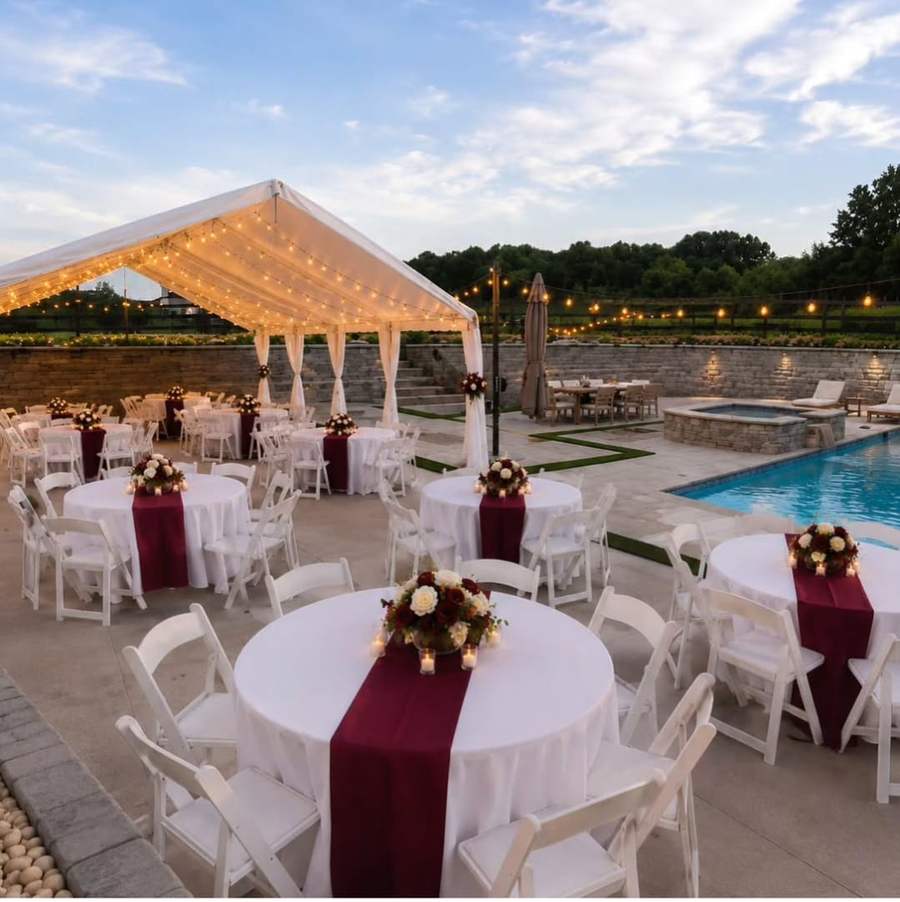
Visual Impact: Color, Texture, and Atmosphere
When you select draping, you are essentially painting the canvas of your event. Soft ivory organza can lend an ethereal, wedding‑ready glow, while bold jewel‑tone jacquard adds drama for a quinceañera or a corporate gala. The texture of the fabric influences how light interacts with the space; matte drapes absorb sunlight for a warm, intimate vibe, whereas glossy polyester reflects ambient lighting, creating a lively sparkle that works well for nighttime parties in Midtown rooftops.
Layered draping also creates depth. By hanging full‑height panels on the side walls and adding pillar drapes at each corner, you can frame the interior, draw eyes toward the dance floor, and hide unsightly background elements like nearby fences or utility lines. The result is a polished, Instagram‑ready scene that feels larger than the actual tent footprint, a coveted effect for hosts who want their backyard or patio to feel like a boutique event venue.
Calculating Guest Capacity with Draped Tents
Understanding how draping influences guest capacity helps you plan seating, table layout, and circulation. A standard 20×30 COBIZI tent comfortably seats 48‑60 guests at banquet style. Adding full‑height drapes reduces usable floor space by roughly 10‑12%, shifting the comfortable range to about 43‑54 guests. For cocktail‑style gatherings, where standing guests occupy less square footage, the same draped tent can accommodate up to 70 guests while still allowing room for a bar and a small dance area.
To illustrate, imagine a Buckhead backyard event with 80 guests. You might opt for a 20×40 tent, which seats 64‑80 guests. Applying draping around the perimeter cuts the seating area by about 10%, so you’d plan for 58‑72 seated guests and provide cocktail tables for the remaining 8‑22 standing guests. Using our verified table capacities—5‑foot round tables seat eight comfortably—you’d need eight such tables for seated guests, plus a series of 30‑inch cocktail tables (one per 8‑12 guests) for the standing portion. This math ensures you avoid overcrowding while preserving a stylish, draped aesthetic.
Preparing the Yard and Site Logistics
Before the crew arrives, the host should clear the event zone of debris, trim low branches, and level any uneven ground. For concrete patios in Decatur or rooftop decks in East Atlanta, a protective groundsheet is recommended to prevent moisture damage and to provide a stable base for the tent’s anchoring system. In grassy yards common in Fulton County, the crew will stake the tent at four corners using steel spikes, but they may need to place wooden plates or sandbags if the soil is particularly soft after recent rain.
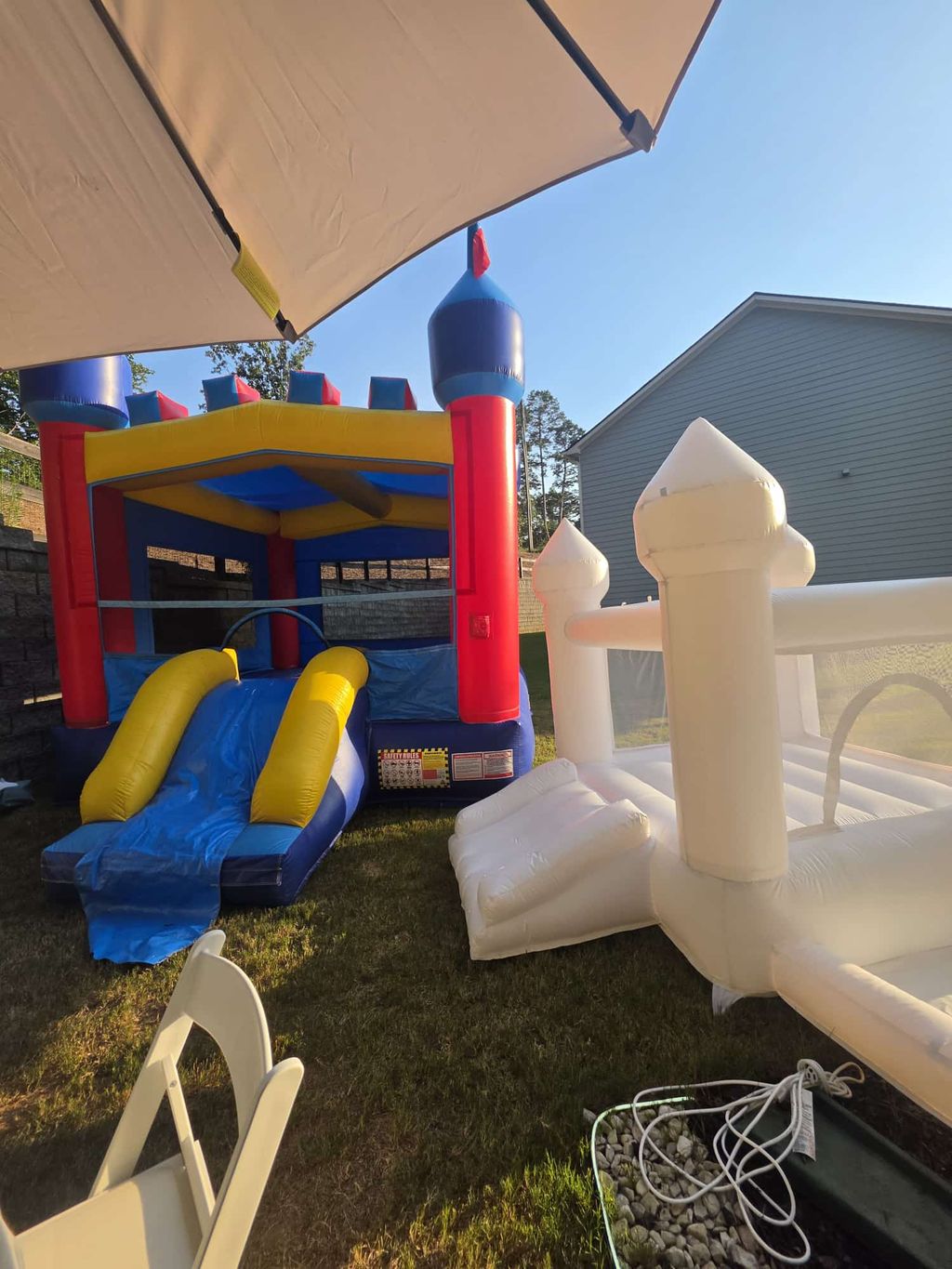
Additional site prep includes mapping out power access for lighting and sound equipment, designating a delivery path for the 20‑foot tent sections, and ensuring a clear 10‑foot perimeter around entrances for safety. If you plan to incorporate a bounce house nearby, confirm a flat, non‑slippery surface and allocate a dry zone for the water hose connection. Proper preparation minimizes setup time and reduces the risk of last‑minute adjustments that could affect the drape layout.
Timeline: From Delivery to Teardown
A typical timeline for a draped tent event in Atlanta starts with a delivery window two hours before the event’s official start time. The crew unpacks the COBIZI frame, positions the base, and secures all corners. Once the structure is upright (usually within 45‑60 minutes for a 20×40 tent), they begin hanging the drape panels, starting with the side walls and then adding any pillar drapes or decorative backdrops.
Full draping on a 20×30 or larger tent generally takes an additional 60‑75 minutes, depending on the number of colors and the complexity of the design. After the drapes are in place, tables, chairs, and décor are arranged according to the floor plan. The final walk‑through with the host ensures spacing, lighting, and any special requests are satisfied. Teardown begins at the event’s conclusion, with the crew removing drapes, collapsing the frame, and loading equipment back onto the trucks—typically completed within 90 minutes, allowing the venue to return to its original state promptly.
Rain Plan and Weather Contingencies
Atlanta’s spring and summer weather can be unpredictable, so a solid rain plan is essential. All DecoEvent ATL tents come with optional sidewalls that can be installed in under an hour. When draping is already in place, the sidewalls attach to the same poles, creating a seamless barrier that keeps rain out while preserving the visual effect of the fabric. The sidewalls are waterproof and UV‑protected, matching the performance standards of our commercial tents.
If a forecast calls for severe storms or strong winds, the crew will assess the ground conditions. Should the soil become saturated, stakes may be reinforced with additional sandbags or wooden plates. In extreme cases, the event date can be moved without penalty, and the draped tent is stored safely until the new date. This flexible approach ensures guests remain comfortable and the investment in draping is protected against weather‑related damage.
Drive Logistics and Delivery Coordination
DecoEvent ATL’s warehouse in Pendergrass is located approximately 60 minutes from central Atlanta, covering Fulton and DeKalb counties. The typical route follows GA‑400 South to I‑285 West, then exits onto Peachtree Road for Buckhead or onto the Eastside Trail for East Atlanta. The distance to most Atlanta neighborhoods falls within the 16‑30‑mile delivery band, which qualifies for a modest flat delivery fee as outlined in our policy. While we cannot disclose exact fees in public content, we assure customers that delivery costs are calculated based on true mileage from our warehouse to the event address.
When you provide the exact street address, city, and ZIP code, our logistics team confirms the county—Fulton or DeKalb—and verifies that the location lies within our 40‑mile service radius. This verification step also determines the appropriate delivery tier and ensures that the crew arrives with the correct equipment load, whether it’s a single tent with drapes or a multi‑tent setup for larger celebrations. Prompt communication of your address helps us schedule the delivery window, assign the right number of installers, and guarantee a smooth setup experience on the day of your event.
Additional Tips for Maximizing Comfort and Style
Consider adding a low‑profile runner or an airy rug beneath the draped walls to create a subtle visual transition from the yard to the interior space. Soft ambient lighting—such as LED uplights or bistro strings—can be woven through the fabric to highlight texture after sunset, turning the drapes into a luminous backdrop. If the event stretches into the evening, portable patio heaters placed near the perimeter keep the temperature comfortable without interfering with the drape panels.
For events with a dance floor, position the floor a short distance from the sidewalls to allow the drapes to frame the activity without obstructing movement. A shallow stage or a raised platform can be set up on a reinforced section of the floor, and a simple backdrop banner can be attached directly to the drape fabric for branding or personalized messaging. These small adjustments enhance the overall flow while preserving the elegant look created by the draping.
Event Day Checklist for a Draped Tent
- Confirm the exact street address, city, and ZIP code; verify county and service radius.
- Clear the chosen site of debris, trim low foliage, and level the ground where possible.
- Mark power outlet locations and ensure adequate extension cords for lighting and sound.
- Reserve a 10‑foot clear perimeter around all entry points for safe crew access.
- Arrange a flat, non‑slippery area for any bounce houses or water slides, and set up a dry zone for hose connections.
- Communicate the final guest count at least 48 hours before delivery.
- Identify any special requests for pillar‑only draping, decorative backdrops, or additional sidewalls.
- Review the timeline with the crew, noting the delivery window, setup start time, and expected teardown completion.
- Prepare a backup indoor space or confirm the rain‑day relocation plan in case of severe weather.
- Designate a point‑of‑contact for the crew on the day of the event to streamline communication.
Frequently asked questions
What fabrics are available for tent draping?
We offer a range of heavyweight polyester, satin, and organza fabrics in solid colors and subtle patterns, all suitable for outdoor use and compatible with our COBIZI tents.
Can I see a sample drape before the event?
Yes, we can arrange a small fabric swatch sample to be delivered or shown at our warehouse so you can confirm color and texture in person.
How does draping affect lighting options?
Draping can diffuse natural light for a softer ambience; we can combine it with LED tent lighting or bistro strings to highlight the fabric and create layered illumination.
Is there a limit to how many colors I can use?
You may select up to three main colors for a coordinated look; additional accent colors require a custom quote from our design team.
Do you provide setup for rooftops in East Atlanta?
Our team can install tents on sturdy rooftop decks with proper load ratings, ensuring safe anchoring and drape attachment while complying with local safety codes.
What happens if rain is forecasted on my event day?
We will install waterproof sidewalls and secure the drapes to protect against rain; if conditions become unsafe, we can reschedule the event at no extra cost.