
Planning Your Backyard Wedding in Conyers
Conyers, located in Rockdale County, offers charming residential yards that are perfect for an intimate celebration. Many homes sit just a short drive from the Georgia International Horse Park, providing a scenic backdrop and easy access for guests traveling from nearby towns. Because DecoEvent ATL’s warehouse in Pendergrass is roughly sixty minutes away, the team can arrive early in the morning to begin setup while you finalize last‑minute details.
Choosing a local provider means you benefit from familiar knowledge of the area’s roads, zoning considerations, and typical yard layouts. The crew knows how to navigate suburban streets, position equipment for optimal flow, and respect neighborhood guidelines. This local expertise helps ensure that the rental equipment arrives on time, is installed securely, and leaves the property in the same condition it was found.

Backyard Wedding Rentals Conyers GA: Essentials for Your Day
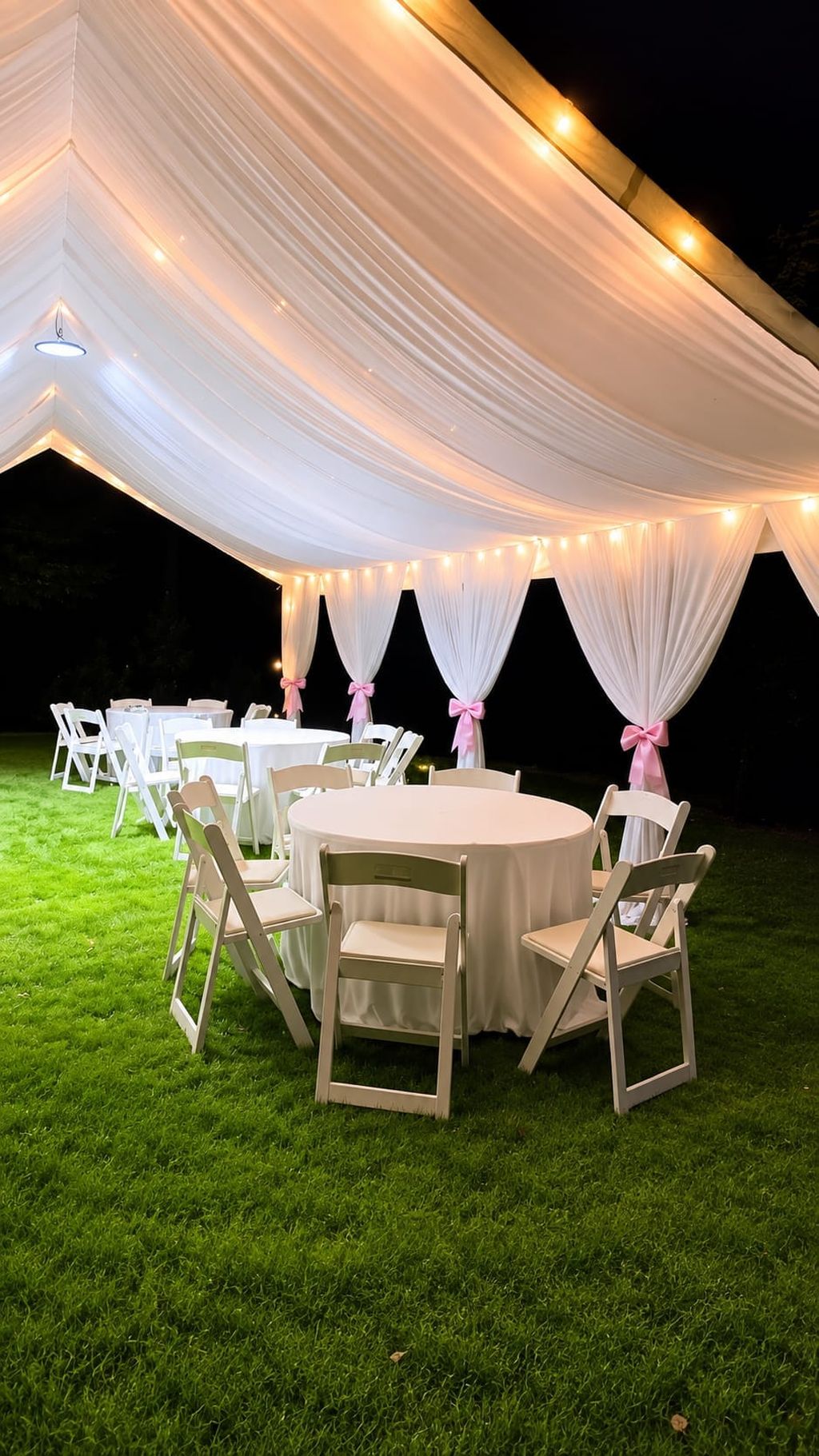
The core rental package for an outdoor wedding includes a sturdy tent that shields the ceremony and reception from sun or light rain, along with sidewalls if extra protection is desired. Inside the tent you can arrange resin folding chairs and tables that are suitable for grass or concrete surfaces, paired with matching linens and runners to create a cohesive look. A sound system capable of covering up to three hundred guests ensures that vows, speeches, and music are heard clearly.
Beyond the basics, you can personalize the space with decorative elements such as pipe‑and‑drape backdrops, elegant chandeliers, lanterns, and centerpieces that incorporate a metallic touch. A welcome mirror with custom wording adds a memorable gesture without extra cost. Floral arrangements, balloon arches, and LED tent lighting provide ambience that transitions smoothly from daytime ceremony to evening celebration.
Guest Count and Space Planning
Understanding how many guests each tent size accommodates helps you select the right structure. A ten‑by‑ten foot tent comfortably seats six to eight people, while a ten‑by‑twenty foot unit holds sixteen to twenty seated guests. For larger gatherings, a twenty‑by‑twenty foot tent seats thirty‑two to forty, a twenty‑by‑thirty foot tent seats forty‑eight to sixty, and a twenty‑by‑forty foot tent seats sixty‑four to eighty. These figures allow you to calculate the needed square footage based on your expected headcount.
In addition to seated dining, consider allocating space for a cocktail area, a dance floor, and a buffet station. Cocktail tables measuring thirty inches in diameter accommodate two to four standing guests each, so plan roughly one table for every eight to twelve attendees. If you prefer a separate food zone, a second smaller tent—such as a ten‑by‑twenty foot unit—can house rectangular tables, linens, and serving pieces, keeping the main dining area focused on guest seating.
Yard Preparation and Timeline
Before the rental team arrives, inspect the yard for any underground utilities, low‑lying spots that may collect water, and obstacles such as tree stumps or large rocks. Mow the grass to a uniform height, and if the soil is soft, consider laying down protective ground boards to prevent ruts from heavy equipment. Clearly mark the desired tent perimeter with stakes or spray paint so the crew knows exactly where to anchor the structure.
On the day before the event, the delivery truck will bring the tent, tables, chairs, and accessories. The crew typically begins setup early in the morning, aiming to have the main structure erected and anchored within a few hours. After the frame is secure, they install sidewalls, lay flooring if needed, place furniture, and run lighting and sound cables. This schedule leaves the afternoon free for you to arrange décor, conduct a final walk‑through, and greet vendors such as caterers or photographers.
Ceremony to Reception Flow
Once the foundation is set, you can arrange the ceremony space at one end of the tent, leaving ample room for the processional and recessional. After the vows, guests can transition to the cocktail area or move directly to the dining tables, depending on your preferred timeline. The dance floor is usually positioned opposite the buffet or food tent to encourage smooth traffic flow. Throughout the event, the sound system remains active for announcements and music, and lighting can be adjusted from bright daylight to a warm evening glow.
Weather Contingency and Rain Plan
DecoEvent ATL’s tents are designed with waterproof covers and UV‑protected fabric, and they can be fitted with sidewalls that shield against wind and light rain. Because the installation team uses proper anchoring equipment for grass surfaces, the structure remains stable even if the ground is slightly damp. Monitoring the forecast in the days leading up to the wedding allows you to decide whether to keep the sidewalls closed or open based on conditions.
If severe weather develops that makes setup unsafe—such as strong winds or thunderstorms—the team will work with you to reschedule the date to a nearby alternative that still fits within the vendor’s availability. Having a clear rain plan communicated early prevents last‑minute confusion and ensures that all parties, including any entertainment or catering staff, know the protocol for moving indoors under the tent or postponing the event.
Logistics: Delivery, Setup, and Coordination from Pendergrass
The journey from the Pendergrass warehouse to Conyers typically follows Interstate‑85 south, exiting toward GA‑20 and then following local roads into Rockdale County. This route averages about sixty minutes under normal traffic conditions, allowing the crew to arrive well before the ceremony start time. The exact mileage determines the delivery surcharge, which is confirmed once you provide the full street address, city, state, and ZIP code.
Coordination begins with a phone or WhatsApp message to (678) 815‑8774, where you share the event date, start time, guest count, and any special requests such as a second tent for catering or specific lighting preferences. The team will verify that the address lies within the forty‑mile service radius, confirm the county (Rockdale), and schedule a convenient time for a site visit if you wish to have the backyard measured in advance. Throughout the process, all communication is available in English and Spanish to accommodate your preferences.
Final Checklist and Next Steps
Before signing the rental agreement, verify that you have confirmed the following items: the exact event address with five‑digit ZIP, the chosen date and start time, the total number of guests, the list of rental items (tent size, tables, chairs, linens, lighting, sound, any additional tents for food or lounge areas), décor preferences such as colors, floral styles, and welcome mirror wording, and the rain‑plan details including sidewall usage and possible date flexibility. Having these details written down helps avoid misunderstandings on the day of the celebration.
When you are ready to proceed, send a message via WhatsApp at (678) 815‑8774 or email Info@decoeventatl.com with the information outlined above. The team will respond with a summary of the agreed‑upon services, arrange any needed site measurements, and confirm the delivery and setup timeline. By handling the logistics through a trusted local provider, you can focus on enjoying the moment with family and friends, knowing that every practical detail is being managed professionally.
Guest‑Count Math: Seating & Standing Capacity Details
When planning your layout, start by converting guest numbers into required square footage. Each seated guest typically needs about ten square feet for chair spacing and table clearance, while standing guests need roughly six square feet per person. Multiply your expected seated count by ten and add the standing count multiplied by six to get a baseline area. Compare this total to the interior square footage of your chosen tent size to ensure comfort and flow.
Remember to subtract space taken up by essential elements such as the dance floor, buffet tables, and any decorative arches. A standard twelve‑by‑twelve foot dance floor consumes about one hundred forty‑four square feet, which should be deducted from the usable area before finalizing guest counts. Adjust your tent selection or consider a secondary lounge tent if the numbers indicate tight quarters.
Yard Preparation: Ground Inspection & Protection Steps
Begin with a thorough walk‑through of the property, noting any slopes that could cause water runoff toward the tent site. Use a long level or a smartphone inclinometer app to verify that the ground variation stays within two inches across the planned perimeter. Mark any high spots where soil may need slight grading to prevent pooling.
If the soil is particularly soft after recent rain, lay down interlocking ground protection panels or plywood sheets along the tent’s footprint and the expected traffic paths for vendors. These panels distribute weight and reduce the chance of ruts or damage to the lawn. Secure the panels with sandbags or stakes to keep them from shifting during setup.
Load‑In Timeline: Delivery, Setup & Vendor Coordination
The delivery vehicle typically arrives between 7:00 AM and 9:00 AM on the event day, depending on the season and traffic. The crew first unloads the tent components, laying out the frame sections and checking that all parts are present before beginning assembly. This initial inspection helps avoid delays caused by missing hardware.
Once the frame is up and anchored, the team installs the canopy, then proceeds to attach sidewalls if requested. Simultaneously, a second crew member begins positioning tables and chairs according to the floor plan you provided. Lighting cables and speaker wires are run last, allowing for a quick test of the sound system before guests arrive.
Rain Plan: Sidewalls, Rescheduling & Safety Protocols
Sidewalls are constructed from the same waterproof material as the tent roof and feature reinforced seams to handle gusts up to twenty‑five miles per hour. When closed, they create a fully enclosed environment that keeps the interior dry while still allowing ventilation through built‑in mesh panels. Decide ahead of time whether you prefer the sidewalls fully closed, partially open for airflow, or removed entirely if the forecast looks clear.
In the event of lightning or sustained winds exceeding safe limits, the crew will pause work and consult with you about moving the event to an alternate date. Because DecoEvent ATL maintains a flexible schedule, rescheduling within the same week is often possible without affecting vendor bookings. Always keep a copy of the revised timeline handy for all parties involved.
Local Logistics: Routes, Timing & Communication from Pendergrass
The primary route from Pendergrass to Conyers uses Interstate‑85 South to Exit 126, then follows GA‑20 East into Rockdale County. During peak travel windows, such as Friday afternoons, consider allowing an extra fifteen minutes for possible congestion near the Lawrenceville split. The team monitors real‑time traffic apps to adjust departure times as needed.
Communication begins with a confirmation message that includes the estimated arrival window, a point‑of‑contact name, and a direct phone line for on‑site questions. Any changes to the address, gate codes, or parking instructions should be relayed at least two hours before the scheduled arrival to prevent confusion. All updates are logged in the job sheet so the crew can reference them throughout the day.
Final Checklist: Pre‑Booking Verification & Day‑Of Essentials
Review the rental contract line by line to confirm that every item matches your verbal agreement, including quantities of chairs, tables, linens, and any specialty décor pieces. Verify that the delivery address includes the correct street number, unit if applicable, city, state, and five‑digit ZIP code. Double‑check the event start time and any agreed‑upon overtime provisions.
On the morning of the event, have a printed copy of the floor plan and a list of vendor arrival times readily available for the crew. Keep a charged mobile phone and the WhatsApp contact (678) 815‑8774 accessible in case last‑minute adjustments are needed. After the event concludes, conduct a quick walk‑through with the team to ensure all equipment is accounted for and the property is returned to its original condition.