
Understanding Tent Sizes for Backyard Parties
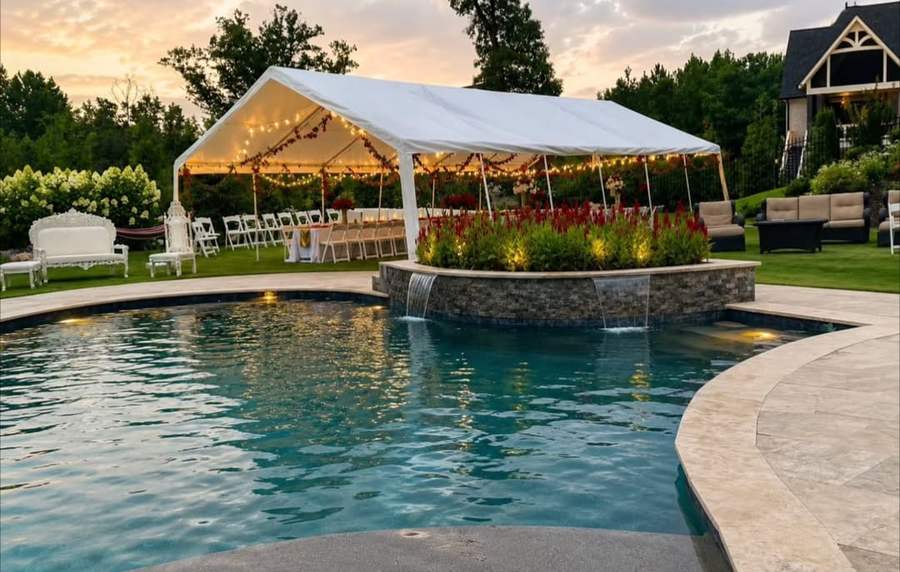
When planning a celebration in Conyers, the first step is to match the tent dimensions to the space you have available and the number of guests you expect. A 10×10 foot tent provides a cozy setting for a small gathering, comfortably seating six to eight people or accommodating eight to ten standing guests. This size works well for intimate birthday celebrations or a modest bridal shower where the focus is on close conversation. The footprint fits neatly in most suburban yards without overwhelming the lawn, leaving room for a small gift table or a refreshment station.
For larger events, a 10×20 foot tent expands the capacity to sixteen to twenty seated guests or up to twenty‑five standing guests in a cocktail style layout. This size is ideal for quinceañeras, graduation parties, or family reunions where you want a designated dining area plus space for a dance floor or a buffet table. The rectangular shape allows you to arrange tables in rows or clusters, giving you flexibility to create distinct zones for eating, dancing, and mingling while still keeping the overall layout open and inviting.
Guest Count Math and Seating Options
Determining the correct guest count is essential for selecting a tent that feels neither cramped nor excessively spacious. Start by listing all attendees, including adults, children, and any vendors who will be on site. For a seated dinner, a standard 5‑foot round table comfortably seats eight guests, while a 6‑foot round table can accommodate ten guests in a relaxed layout. If you prefer rectangular tables, a 6‑foot table seats six to eight, and an 8‑foot table seats eight to ten. By multiplying the number of tables by their seating capacity, you can quickly see whether a 20×20 foot tent, which holds thirty‑two to forty seated guests, will meet your needs.
If you envision a more fluid event with mingling and a buffet, consider the cocktail‑style capacity. A 20×30 foot tent can seat forty‑eight to sixty guests or accommodate up to seventy‑five standing guests when you open the center for a dance area. This flexibility lets you shift from a formal dinner setup to a lively party atmosphere without needing to rent a second structure. Remember to leave aisles of at least three feet between tables for easy movement, especially when guests are carrying plates or drinks.
Yard Preparation and Site Check
Before the tent arrives, a quick inspection of the backyard helps ensure a smooth installation. Look for level ground; a slight slope of less than two degrees is usually manageable with proper anchoring, but steep inclines may require additional support or a different location. Clear the area of debris, low branches, and any objects that could interfere with the tent poles or sidewalls. If you have a sprinkler system, mark the heads so the installation team can avoid them while staking the tent.
Measure the exact footprint you plan to cover, adding a few extra feet on each side for guy lines and anchoring equipment. For a 20×20 foot tent, aim for a cleared space of at least 22×22 feet to accommodate the tension ropes and any sidewalls you might choose. Confirm that the surface—whether grass, compacted soil, or a patio—can bear the weight of the tent and any equipment such as generators or lighting fixtures. A solid base prevents shifting during the event and makes takedown easier and safer.
Timeline for Delivery, Setup and Removal
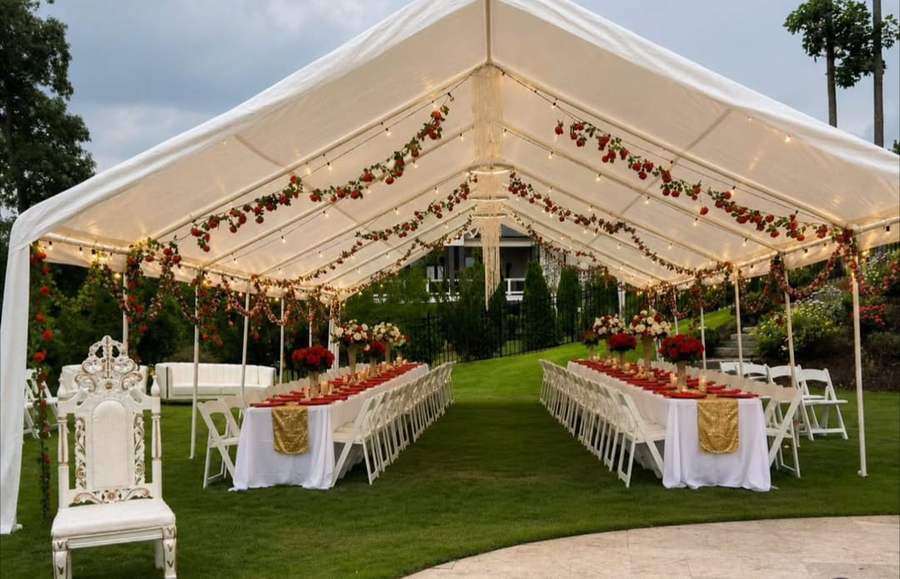
Coordinating the delivery window helps the day run smoothly, especially when you have vendors arriving for catering, entertainment, or photography. The team typically arrives in the morning to unload the tent components, poles, fabric, and any requested accessories such as lighting or draping. Setup time varies with size and accessories; a 10×10 foot tent may be erected in under an hour, while a 30×60 foot structure with sidewalls, lighting, and flooring can take three to four hours. Having a clear start time allows you to schedule other deliveries, like tables and chairs, to arrive shortly after the tent is secure.
After the celebration, the removal process follows a similar timeline in reverse. The crew will first detach any lighting, sidewalls, and décor, then collapse the frame and fold the fabric for transport. Efficient takedown usually takes about half the time required for setup, depending on weather conditions and the amount of equipment involved. Scheduling the pickup for late evening or early the next morning ensures the venue is cleared promptly, letting you return the yard to its original state without delay.
Rain Plan and Weather Contingencies
Georgia weather can change quickly, so having a rain plan protects your guests and keeps the festivities on schedule. Sidewalls are the primary defense against precipitation; they attach securely to the tent frame and create a sealed enclosure that keeps the interior dry. For added protection, consider pairing sidewalls with a rain gutter system that channels water away from the tent base, reducing the chance of pooling inside.
If the forecast calls for strong winds or severe storms, the team will assess safety on site and may recommend postponing the setup until conditions improve. In such cases, having a flexible date or a backup indoor alternative—like a covered patio or a garage—can be discussed during the planning conversation. Clear communication about weather thresholds helps everyone feel confident that the event will proceed safely, regardless of a passing shower.
Drive Logistics from Pendergrass to Conyers
Knowing the exact mileage allows us to plan the departure time so the truck arrives within your requested window. We factor in potential stops for fuel, weight checks, and any required inspections to ensure the load is secure. Providing the precise street address, including apartment or lot number, helps the driver navigate the final turn onto your street and position the vehicle for efficient unloading. Clear access points, such as a wide driveway or a gate that can accommodate a large truck, further streamline the delivery process.
Additional Services to Pair with Your Tent Rental Conyers GA
While the tent provides the core shelter, many hosts choose to enhance the atmosphere with complementary offerings. Lighting options such as LED tent illumination create a warm glow after sunset, while bistro strings add a decorative touch over dining areas without interfering with the tent structure. If you envision a dance floor, modular panels can be installed inside the tent, giving guests a stable surface for movement.
For refreshments, a taquiza station or a live paella pan can be set up adjacent to the tent, taking advantage of the open‑air feel while still benefiting from the shelter’s shade. Entertainment elements like bounce houses or water slides are positioned a safe distance from the tent walls, with blowers and hoses routed to nearby power outlets. By discussing your vision early, the team can coordinate delivery times for each item, ensuring everything arrives, is installed, and is ready for your guests to enjoy.