
Your Ultimate Backyard Wedding Rentals Snellville GA Guide
Planning a wedding in the comfort of your own yard can feel both intimate and exhilarating, especially when you live in Snellville, GA, a charming suburb of Gwinnett County just 45 minutes from our Pendergrass warehouse. Whether your venue overlooks the scenic homes near Briscoe Park or the quiet cul‑de‑sacs off Scenic Highway, a successful celebration starts with a solid logistics plan and the right rental items. This guide walks you through each decision point—from estimating guest count to selecting the perfect tent—so you can focus on love, not logistics. All of the equipment we recommend is available through DecoEvent ATL, the only local provider that bundles tents, décor, lighting, sound, and catering options under one contract.
Because you’re hosting outdoors, every element—weather protection, lighting, and sound—must be tailored to a backyard environment. Unlike indoor venues, you’ll need to think about ground stability, power access, and a contingency plan for rain. The following sections break down the process into manageable steps, complete with calculations, local considerations, and timeline recommendations so your Snellville celebration runs like a well‑rehearsed ceremony.
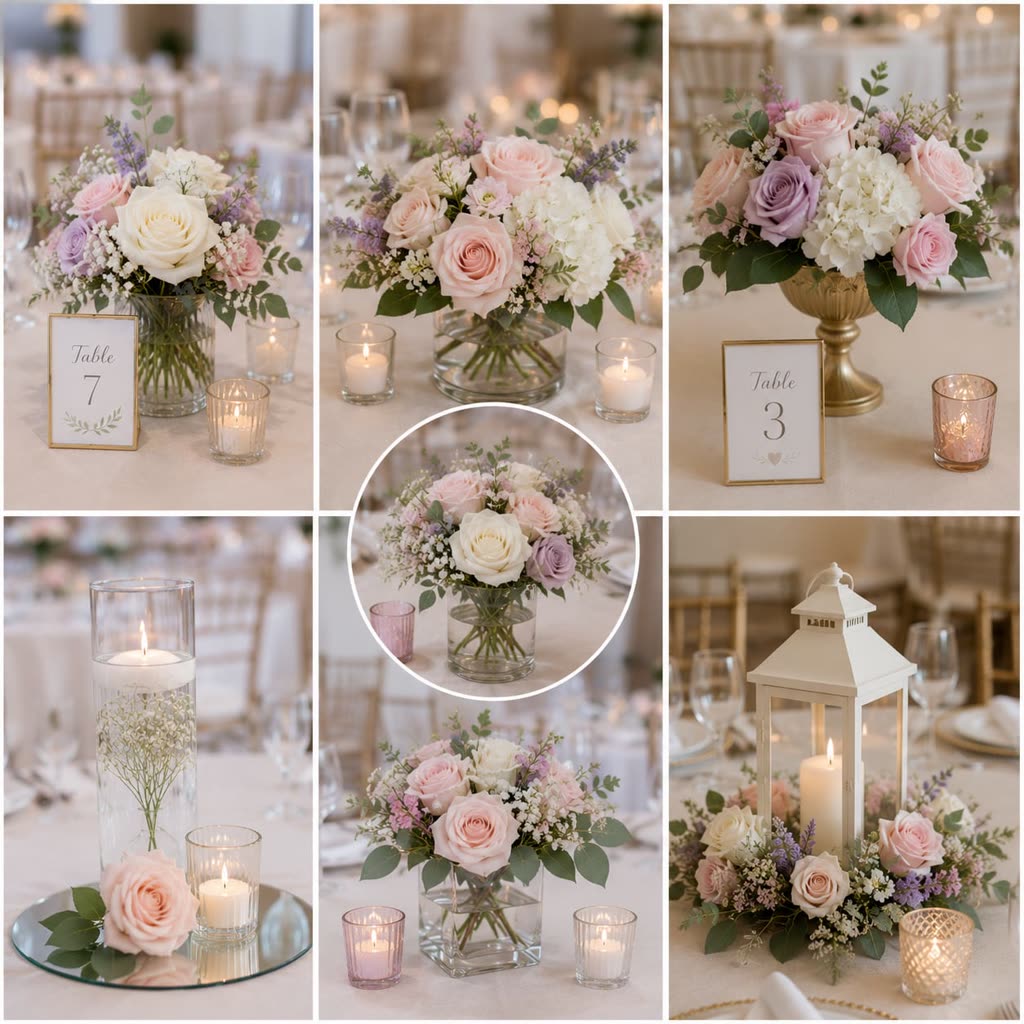
Step 1: Estimate Guest Count and Seating Layout
Accurate guest numbers are the backbone of your rental plan. Begin by sending digital RSVPs and requesting a firm headcount at least six weeks before the wedding day. For a typical Snellville wedding, families often invite 80 to 150 guests. Once you have a final figure, translate it into table needs using our verified capacities: a 6‑foot round table comfortably seats 10 guests, while a 5‑foot round table can handle up to 8. For example, a 120‑guest celebration would require twelve 6‑foot round tables (12 × 10 = 120) or a mix of larger and smaller tables to fit your space.
Next, map the yard dimensions. Measure the usable square footage, accounting for existing landscaping, pathways, and the location of the home or any permanent structures. A standard 20 × 30 ft tent offers a 600‑sq‑ft footprint and comfortably fits a married‑couple dance floor plus surrounding tables. Align tables in a “U‑shaped” layout if you want the ceremony and reception to share the same space, reserving space for a sweetheart table at the head. Remember to keep at least 3 ft of clearance around each chair for easy movement, and consider a 4‑ft aisle between the ceremony area and the reception zone.
Step 2: Choose the Perfect Tent and Weather Protection
Choosing the right tent size ensures your guests stay comfortable regardless of the summer heat or unexpected showers. Our COBIZI commercial tents are built with galvanized, anti‑corrosion steel frames, waterproof covers, and UV protection—ideal for the Georgia climate. For a 120‑guest wedding, a 20 × 40 ft tent comfortably seats 70‑80 guests and can accommodate a secondary 10 × 20 ft side tent for a buffet or cocktail area. If you anticipate a larger crowd of up to 150 guests, the 30 × 60 ft tent provides a spacious environment for dancing, dining, and décor while still fitting within most residential lots.
Rain protection is essential. Sidewalls can be added to any tent size to shield against wind‑driven rain while still allowing airflow. Discuss placement of sidewalls with your installer to keep the entry clear for guests and vendors. In the event of a severe storm, our team will coordinate a temporary move of equipment to a safer location within the property, following the rain‑plan guidelines outlined later in this checklist.
Step 3: Furniture, Tables, and Chair Selections
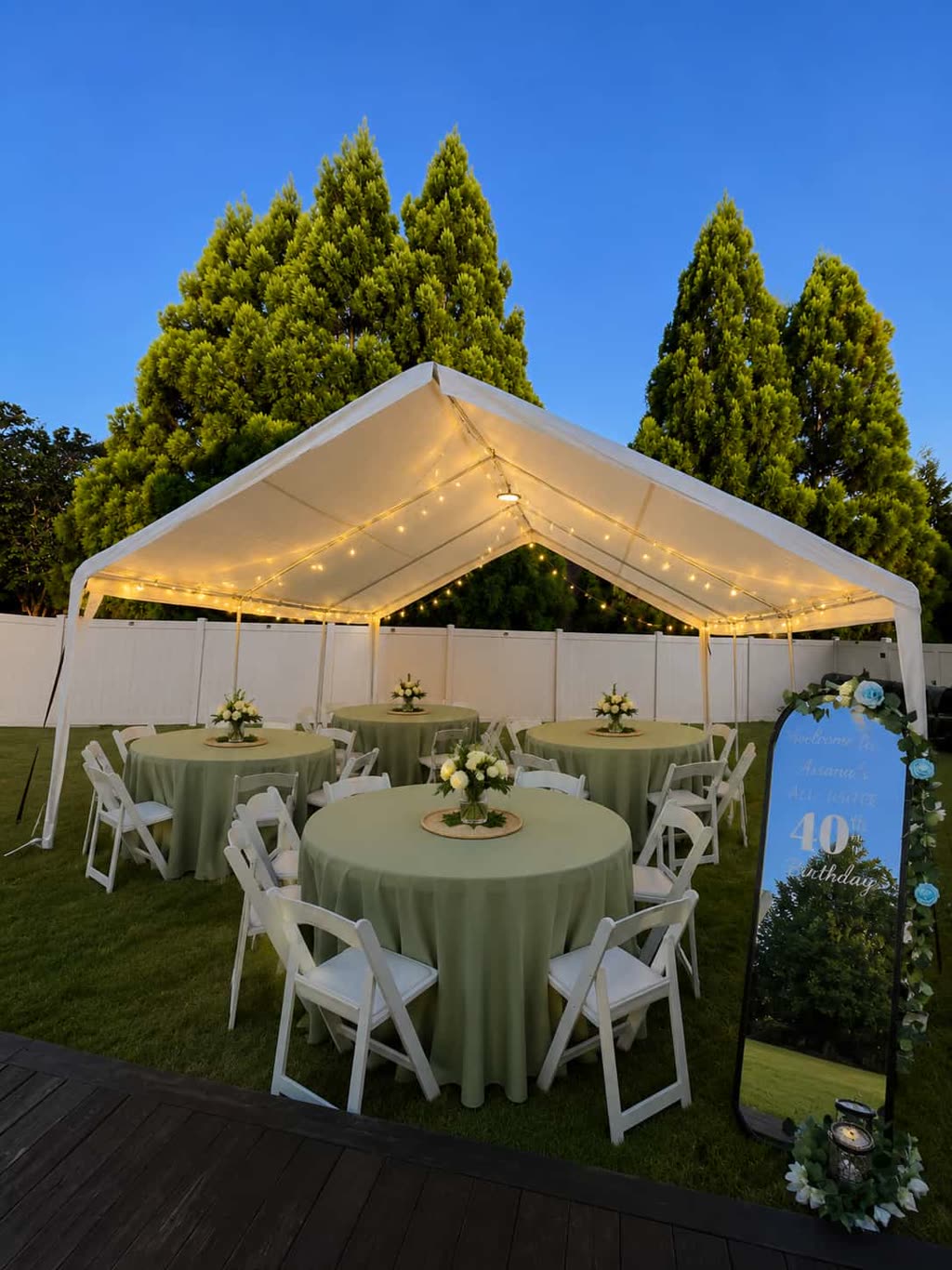
Once the tent is secured, the next focus is furniture. Our inventory includes premium white resin folding chairs, which weigh only 9 lb each and can be placed on grass or concrete without damage. For a 120‑guest wedding, you’ll need at least 120 chairs—plus a few extras for the bridal party and any last‑minute additions. Pair them with the 6‑foot round tables calculated earlier, and add a few high‑top cocktail tables (30‑inch Flash Furniture) for a drinks station; plan roughly one cocktail table per 8–12 guests for standing comfort.
Linens, runners, and napkins add a layer of elegance. Choose cotton or polyester blends in a color palette that complements your wedding theme. If you’re leaning toward a rustic vibe typical of Snellville backyards, consider earth tones and natural textures. Remember to allocate a small staging area for linen folding and storage, ideally under a sidewall or in a nearby garage to keep them dry before the ceremony begins.
Step 4: Lighting, Draping, and Décor Essentials
Draping can transform a plain tent into a dreamlike canopy. Full‑tent draping packages are available for each tent size, while pillar‑only draping requires a custom quote based on color and pillar count. If you’re aiming for a classic white canopy, request full‑tent draping for a unified look. Add floral arches, balloon garlands, or a welcome mirror at the entrance to create a photo‑ready backdrop that reflects the natural beauty of the Snellville neighborhood.
Step 5: Sound, Music, and Catering Logistics
A backyard wedding needs a reliable sound system that can cover up to 300 guests—our standard package comfortably handles that capacity. Position speakers on sturdy tables or specialized stands to avoid water damage if the event runs late into the night. Work with a local DJ or live band and run a 110‑V extension cord from the house’s outdoor outlet, ensuring it is safely routed and protected from foot traffic.
Catering in a backyard setting often includes our signature Taquiza and live paella stations, which add a festive, communal feel. Coordinate with your caterer to locate the food stations near the side tent or under a sidewall for protection from wind. Provide a separate power source for hot plates or grilling equipment, and set up a short “food‑service lane” to keep guests moving smoothly from dining to dancing.
Step 6: Rain Plan, Timeline, and Day‑of Checklist
Even the best‑prepared outdoor wedding can face unexpected weather. Establish a rain plan that includes sidewalls, sturdy tent anchoring, and a clear communication channel with your guests (e.g., a text blast a day before). If rain makes the yard unsafe, identify a nearby flat area on the property—such as a driveway or garage floor—where the tent can be repositioned. All equipment, including tables and chairs, can be moved quickly by our crew, minimizing downtime.
Develop a detailed timeline: start setup at 9:00 AM, allowing three hours for tent erection, lighting, and draping. Begin sound checks at 12:00 PM, and have catering arrive by 1:00 PM for a light lunch or rehearsal dinner. Schedule the ceremony for 4:00 PM, followed by cocktail hour at 4:30 PM, dinner at 5:30 PM, and dancing from 7:00 PM onward. Allocate a one‑hour buffer for unexpected delays and a final breakdown window from 11:00 PM to midnight. Keep a printed checklist on the day‑of, covering power checks, water access for sanitation, and a final walk‑through with your DecoEvent ATL coordinator.
Step 7: Drive Logistics and Local Considerations for Snellville
Snellville’s location in Gwinnett County means most guests will travel from neighboring towns like Lawrenceville, Duluth, or Norcross. The closest major highway is GA‑84, which connects directly to Scenic Highway—perfect for routing delivery trucks without congesting residential streets. Our warehouse in Pendergrass is roughly a 45‑minute drive, so truck arrival times should be scheduled early in the morning to allow ample setup time before guests arrive.
Consider parking for both guests and service vehicles. Designate a portion of the driveway or a nearby street (with a permit if required) for guest parking, and keep the area directly adjacent to the tent clear for loading and unloading equipment. If your yard is on a slope, discuss potential leveling or matting options with the installation crew to prevent tent instability. By addressing these local logistics early, you’ll ensure a smooth flow from delivery to teardown, letting you and your loved ones enjoy a stress‑free celebration under the Georgia sky.
Frequently asked questions
What size tent is best for 120 guests in Snellville?
A 20 × 40 ft tent comfortably seats 70‑80 guests, so pairing it with a 10 × 20 ft side tent provides enough space for dining, dancing, and a buffet area.
How many chairs do I need for a 150‑guest wedding?
Plan for one chair per guest plus a few extras for the bridal party and any unexpected attendees; for 150 guests, order at least 155 chairs to ensure coverage.
Can I have a dance floor inside a backyard tent?
Yes, place a portable dance floor in the center of the tent, leaving at least 4 ft of clearance around it for tables and guest movement.
What power requirements do the sound system and catering equipment need?
Both typically run on standard 110‑V outlets; ensure you have two dedicated circuits, one for the sound system and another for catering appliances, with extension cords safely routed.
How do I handle rain if a storm appears on wedding day?
Activate sidewalls on your tent, move equipment to a sheltered area if needed, and communicate the backup plan to guests via text or email before the ceremony starts.
Do I need a permit for parking trucks on my Snellville street?
If you plan to use a public street for guest or vendor parking, check with the City of Snellville for any required permits; private driveway parking does not require a permit.