
Understanding Taquiza Catering Lula ga Basics
taquiza catering Lula ga brings the vibrant flavors of a Mexican street‑food feast to private gatherings, and planning it right starts with a clear view of the guest list. In Lula, GA, where wide lots along Highway 365 offer plenty of room for outdoor setups, hosts can tailor the experience to match the size of their party. Knowing how many people will attend lets you decide the amount of meat, tortillas, salsas, and sides that will keep everyone satisfied without waste. This guide walks through each step, from the first headcount to the final cleanup, using the specifics of the Lula area to make the process smooth and predictable.
The town of Lula sits just a short drive from our Pendergrass warehouse, making logistics straightforward for a team that knows the backroads and main arteries of Hall County. When you picture a celebration on a spacious property, think about the flow of guests from the parking area to the serving line, and then to a shaded spot for eating. A quick walk of the site helps you spot any low branches, uneven ground, or soft spots that might need extra support for tents or tables. By addressing these details early, you create a safe environment where the focus stays on the food, the music, and the company of friends and family.
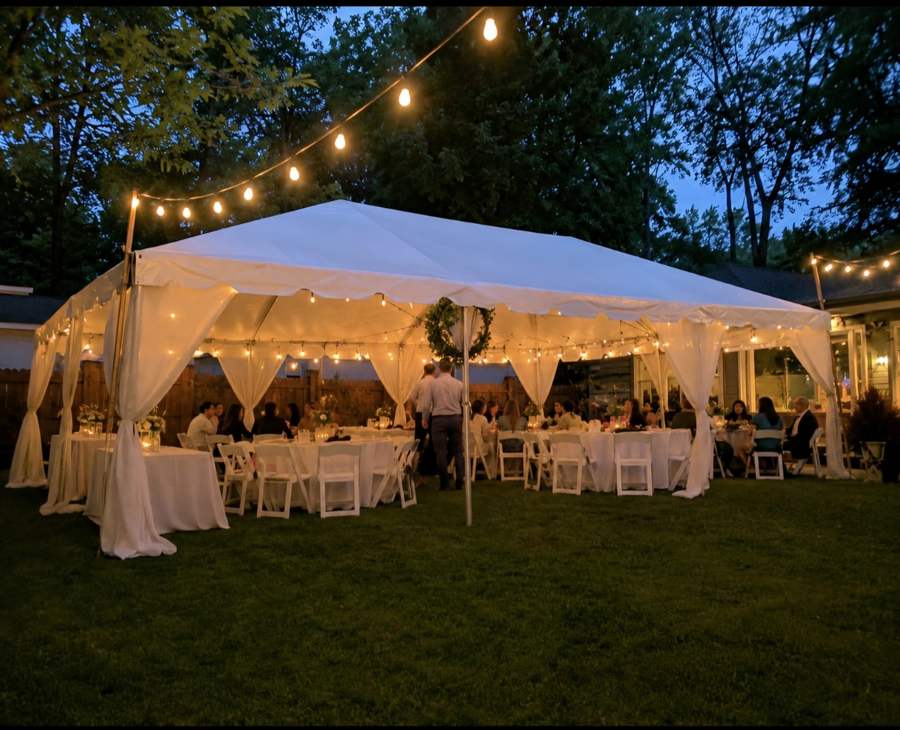
Guest Count Math and Portion Planning for taquiza catering Lula ga
Start with the exact number of guests you expect, because every calculation builds from that figure. A common rule of thumb for a taquiza is to plan for three to four tacos per person when the meal is the main focus of the event. If you are serving a variety of proteins, you might allocate roughly equal portions of each meat so that guests can sample different flavors. For example, with a guest list of eighty, you would prepare about two hundred forty to three hundred twenty tortillas, and then divide the total meat weight accordingly. Adjustments are made for children, who often eat fewer tacos, and for big eaters who may want an extra piece.
Beyond the taco count, think about the accompaniments that round out the meal. A typical serving includes a small scoop of rice and beans per guest, plus a handful of fresh toppings such as diced onions, chopped cilantro, lime wedges, and crumbled cheese. Salsas range from mild pico de gallo to spicy habanero blends, and offering at least two options lets guests customize their heat level. For dessert, a simple fruit platter or churros keeps the sweet note light without overwhelming the savory flavors. By breaking down each component into per‑guest amounts, you create a shopping list that matches the headcount exactly and avoids last‑minute rushes.
Menu Selection and Variety
Choosing the right mix of proteins is central to a successful taquiza. Classic options include carne asada, al pastor, pollo, and carnitas, each bringing its own texture and seasoning profile. For a twist, you can add barbacoa, lengua, or even a grilled vegetable option for guests who prefer plant‑based fare. When you decide on the varieties, consider the cooking equipment you have available; some meats benefit from a slow‑cook method, while others shine when grilled over high heat. Matching the protein to the equipment ensures that every piece arrives juicy and flavorful.
Toppings and salsas are where guests can personalize each taco, so a well‑stocked topping bar adds to the fun. Provide a range of fresh vegetables like shredded lettuce, sliced radishes, avocado slices, and pickled red onions. Offer several salsa styles: a fresh tomato‑based pico, a roasted tomatillo green salsa, a smoky chipotle adobo, and a fiery habanero blend. Don’t forget the basics — lime wedges, coarse salt, and chopped cilantro — because they brighten every bite. A colorful array invites guests to build their own creations and keeps the line moving smoothly.
Yard Preparation and Setup Timeline
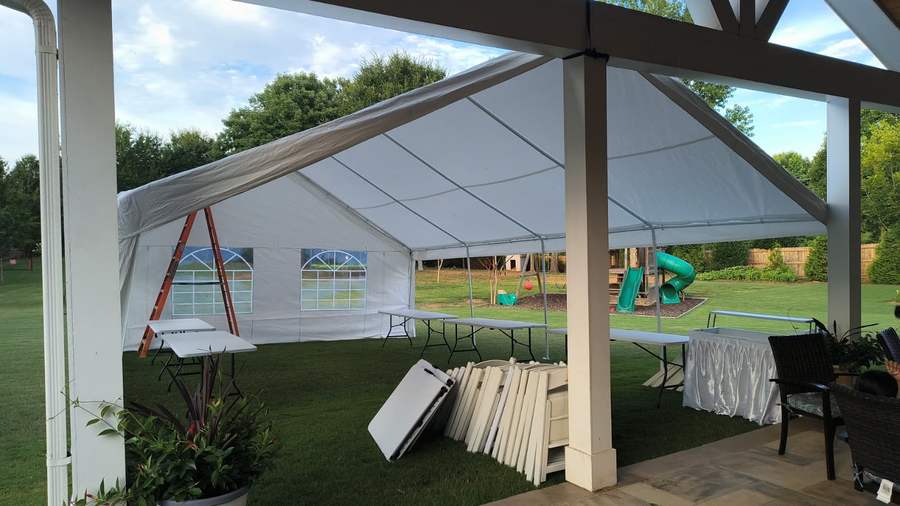
Before any equipment arrives, walk the property with a measuring tape or a laser device to capture the exact dimensions of the space where the tents and tables will go. Mark the corners with stakes or spray paint so the installation team knows where to place the anchors. Clear away any loose stones, sticks, or toys that could puncture a tent floor or trip a guest. If the ground is soft, consider laying down ground protection mats or plywood sheets to distribute weight and prevent sinking.
A realistic timeline helps the day run without stress. The day before the event, confirm that all food items are properly stored and that any marinades have had time to work. On the morning of the celebration, the crew arrives early to unload the tents, tables, chairs, and serving stations, aiming to have the main structure up at least two hours before guests are expected to arrive. This buffer allows time for final adjustments, such as tightening guy lines, leveling tables, and placing signage for the food line and beverage station.
Equipment and Service Flow
The layout of the serving area influences how quickly guests can move through the line. Position the tortilla warmer at the start, followed by the protein bins, then the topping bars, and finish with the salsa stations. Keeping hot items in insulated containers and cold items on ice ensures food safety throughout the event. Clearly label each bin with a simple sign so guests know what they are selecting, and place trash and recycling bins at the end of the line for easy cleanup.
Staffing the line with at least two attendants keeps the flow steady, especially during peak arrival times. One person can focus on replenishing proteins and tortillas, while the other monitors toppings and assists guests with questions. Provide each attendant with a clean set of tongs, spoons, and gloves, and make sure there is a steady supply of napkins and disposable plates. A designated beverage station with a cooler of water, horchata, and soft drinks keeps guests hydrated without crowding the food area.
Weather Contingencies and Rain Plan
Checking the forecast the night before and again the morning of the event gives you a chance to activate any weather‑related precautions. If rain is possible, having sidewalls ready for the tents adds an extra layer of protection without sacrificing the open‑air feel. Secure the sidewalls with the same straps and stakes used for the main canopy, and make sure the entrances remain clear for easy traffic flow.
In the event of a sudden downpour, the plan may shift to moving the serving line under a larger canopy or into a nearby garage or covered patio, provided the space meets health and safety guidelines. Keep food warm in insulated carriers and transfer it quickly to the new location to maintain temperature. Communicate the change to guests through a brief announcement or a posted sign so everyone knows where to find the food and seating.
Local Logistics: Drive from Pendergrass to Lula
The distance from our Pendergrass warehouse to Lula, GA, is approximately thirty minutes by car under normal traffic conditions. The most direct route follows Interstate 85 south to Highway 365, then turns onto local roads that lead into the heart of Lula. Along the way you pass landmarks such as the Lake Lanier shoreline and the rolling farms that characterize northeastern Georgia, giving the crew a clear sense of arrival time.
Knowing the travel time allows the team to schedule the load‑out and departure with precision. Aim to leave the warehouse early enough to arrive at the property at least ninety minutes before the scheduled start of the taquiza. This window provides ample time to unload equipment, position the tents, and begin the setup process without rushing. If the event is set for a late afternoon start, the crew can adjust the departure accordingly, always keeping a buffer for unexpected delays such as road work or weather‑related slowdowns.
Final Checklist and Day-of Coordination
A concise checklist helps confirm that nothing is overlooked before the guests arrive. Verify the final guest count, review the menu selections, and ensure that any dietary restrictions have been noted. Check that the property address is correct, including street name, city, state, and ZIP code, and confirm that the driveway or entry point can accommodate a delivery truck. Make sure that water access is available for cleaning and that there is a power source if you need to run any electrical equipment such as lights or a sound system.
On the day of the event, maintain open communication with the designated point of contact, whether that is the host, a family member, or a friend. Share updates on arrival time, setup progress, and any changes to the plan due to weather or other factors. After the last guest has been served, begin the breakdown process by clearing tables, folding chairs, and packing up tents and equipment. A final walk‑through of the property ensures that all personal items are collected and the space is left in the same condition as it was found.
Frequently asked questions
What is taquiza catering Lula ga?
Taquiza catering Lula ga refers to a Mexican‑style taco feast service tailored for events in Lula, Georgia, featuring proteins, tortillas, salsas, and sides prepared on‑site.
How many tacos per guest should I plan?
A typical recommendation is three to four tacos per person when the taquiza is the main meal, with adjustments for children or larger appetites.
Which proteins work well for a taquiza?
Popular choices include carne asada, al pastor, pollo, carnitas, barbacoa, and grilled vegetables, depending on equipment and guest preferences.
How do I prepare my yard for the setup?
Clear debris, level the ground, use ground protection if needed, and mark anchor points for tents and tables before the crew arrives.
What is the rain plan for an outdoor taquiza?
Have sidewalls ready for tents, and be prepared to move the serving line to a covered area if needed while keeping food at safe temperatures.
How far is Lula from the Pendergrass warehouse?
Lula is about a thirty‑minute drive from Pendergrass via I‑85 south and Highway 365, allowing timely delivery and setup.