
Tent on Sloped Yard Lula GA: Assessing Slope and Soil
When planning a tent on sloped yard Lula GA, the first step is to measure the grade of the ground. Use a long board and a level or a smartphone inclinometer to determine the rise over run across the area where the tent will sit. Note any sections that exceed a five‑percent slope, as steeper grades may require additional leveling techniques such as grading soil or using adjustable base plates. Document the high and low points so you can decide where to place the heaviest equipment like the tent frame and anchors.
Next, examine the soil composition. Lula’s yards often contain a mix of red clay and loam, which can become slick when wet. Perform a simple squeeze test: take a handful of soil, moisten it, and see if it forms a firm ball. If it crumbles easily, you have good drainage; if it stays sticky, consider adding a layer of gravel or sand beneath the tent floor to improve water runoff. Identifying these characteristics early helps prevent shifting or pooling once the tent is erected.
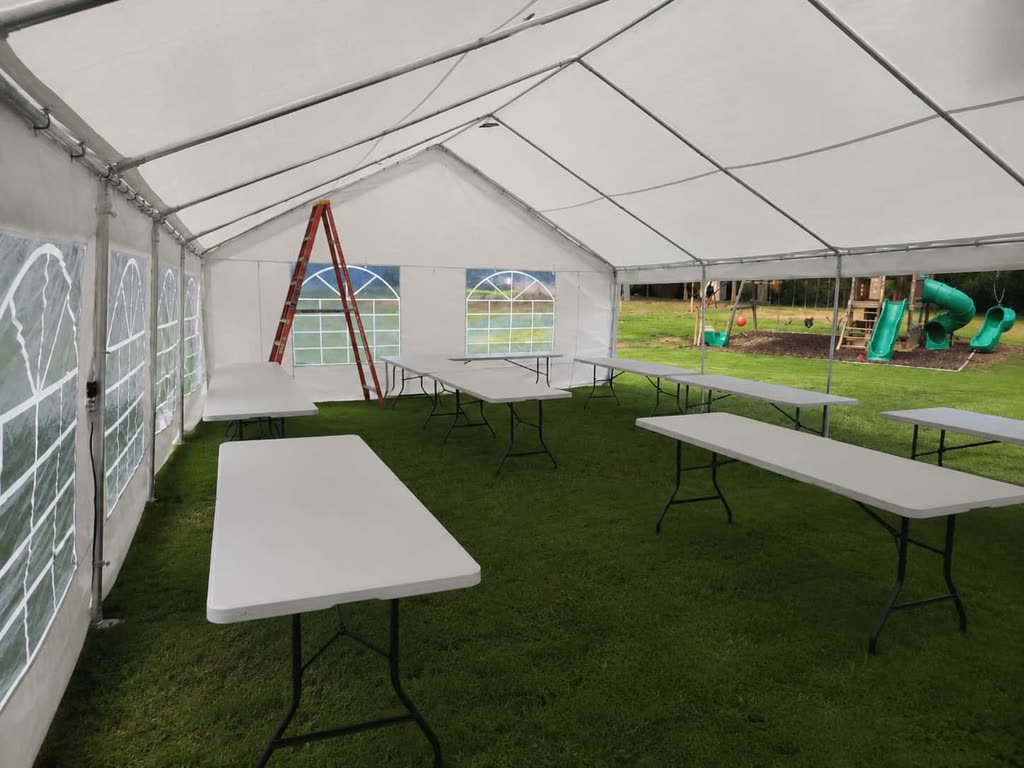
Clearing and Leveling the Work Area
Start by removing any debris, rocks, or vegetation that could interfere with tent stakes or weight bags. Use a rake to clear loose leaves and twigs, then mow the grass to a uniform height of about two inches. This creates a clean surface for measuring and for laying down ground protection such as interlocking plywood or synthetic flooring panels.
After clearing, address any noticeable dips or bumps. Fill low spots with compacted fill dirt, tamping it down with a plate compactor or the back of a shovel. For high spots, scrape away excess soil until the surface is within the acceptable tolerance. Re‑check the slope with your level after each adjustment to ensure you stay within the target range for a stable tent setup.
Choosing the Right Tent Anchoring System
On a sloped surface, standard stakes may not provide sufficient holding power. Consider using augur anchors or screw‑in ground spikes that can be driven deeper into the soil to reach more stable layers. These anchors resist lateral movement caused by the incline and are especially effective in clay‑rich soils common around Lula.
Alternatively, weight‑based systems such as sandbags or water barrels can supplement anchoring. Place the weights on the downhill side of each tent leg to counteract the pull of gravity. Ensure the total weight meets the manufacturer’s recommendation for the specific tent size and expected wind conditions, adjusting the distribution as needed for the slope.

Timeline for Setup and Takedown
Begin the delivery window early in the morning to take advantage of cooler temperatures and lighter traffic on Highway 365. The drive from our Pendergrass warehouse to Lula typically takes about thirty minutes, allowing the crew to arrive, unload, and start site preparation before the heat peaks. Allocate roughly ninety minutes for ground clearing, leveling, and laying protective flooring.
Erecting the tent frame usually requires two to three hours depending on size and accessory count. Once the frame is up, attach sidewalls, lighting, and any décor elements. Reserve the final hour for tightening anchors, checking tension, and performing a walk‑through with the client. For takedown, reverse the process, aiming to complete removal within the same timeframe to leave the yard in its original condition.
Rain Plan and Weather Contingencies
Monitor the forecast the day before and the morning of the event. If rain is predicted, deploy sidewall panels to create a sealed enclosure and use the tent’s built‑in drainage channels to direct water away from the interior. Keep a wet‑vac on hand to remove any standing water that may collect on the floor.
In case of strong winds or thunderstorms that make setup unsafe, have a backup date ready. Our policy allows rescheduling without penalty when weather conditions threaten safety. Communicate the alternate date promptly and confirm that the client’s schedule can accommodate the shift, ensuring the event proceeds smoothly once conditions improve.
Guest Count Math and Layout Planning
Determine how many guests will attend to size the tent correctly. For a standard 20 × 20 foot tent, the comfortable seated capacity is thirty‑two to forty people, while a cocktail arrangement can accommodate up to fifty standing guests. Use this math to decide whether a single tent suffices or if you need to add a second unit or a larger 30 × 60 foot model for bigger gatherings.
Lay out the floor plan with the entrance facing the downhill side to ease traffic flow. Position tables and chairs so that the aisles run parallel to the slope, reducing the chance of guests slipping. Keep the dance floor or activity zone on the flattest portion of the yard, and place any bounce houses or slides on level ground cleared of debris for safe operation.
Final Checks and Client Walk‑Through
Before the event starts, walk the perimeter with the client to verify that all anchors are secure, sidewalls are fastened, and lighting is functioning. Test any sound equipment and confirm that the microphone levels are appropriate for the space. Ensure that exits are clearly marked and unobstructed, providing a safe path for guests to leave if needed.
After the celebration, repeat the inspection to confirm that nothing has been left behind, that the yard is free of trash, and that any protective flooring has been removed. Take a few photos of the restored area for your records and thank the client for choosing a tent on sloped yard Lula GA for their special occasion.
Yard Preparation Details
Soil Stabilization Techniques
After identifying soil type, you can improve stability by mixing in coarse sand or small gravel. This creates a firmer base that reduces settlement when the tent weight is applied. For clay‑heavy areas, a thin layer of landscape fabric underneath the gravel helps prevent fine particles from rising to the surface. Spread the material evenly, then compact it with a hand tamper or plate compactor until it feels solid underfoot.
Protective Ground Cover Options
Laying down interlocking plywood panels or synthetic flooring protects the grass and provides a level walking surface. Choose panels that snap together tightly to avoid shifting under foot traffic. If the yard will host heavy equipment such as generators or catering carts, double‑layer the panels in those zones. Secure the edges with sandbags or weight bags to keep the cover from sliding during setup or teardown.
Load‑In Timeline Details
Morning Arrival and Equipment Check
The crew arrives at the Pendergrass warehouse before sunrise to load trucks with tents, anchors, flooring, and décor. A quick inventory check ensures that all items are accounted for and that any damaged gear is set aside for repair. Once loaded, the driver reviews the route sheet and confirms the estimated travel time to Lula.
Staging and Crew Coordination
Upon arrival, the team unloads the heaviest components first, placing them near the work zone to minimize double handling. A brief huddle assigns roles: one person handles ground protection, another manages anchor installation, and a third oversees framing. Clear communication via two‑way radios keeps everyone synchronized as the tent rises.
Local Logistics for Lula GA
Route Planning from Pendergrass
The primary route follows Highway 365 northbound, then exits onto State Route 52 toward Lula. This corridor avoids low bridges and weight‑restricted roads that could delay the truck. Real‑time traffic apps are consulted before departure to adjust for any construction or accidents.
Permits and Neighborhood Considerations
While most residential setups in Lula do not require a special permit, it is wise to check with Hall County planning if the event will exceed a certain number of attendees or involve amplified sound. Informing nearby neighbors about the schedule helps maintain goodwill and reduces the chance of noise complaints.
Event Day Checklist
Pre‑Setup Verification
- Confirm exact address and ZIP code
- Verify guest count against tent capacity
- Inspect tent fabric for tears or wear
- Check that all anchors, sandbags, and weight bags are present
- Test lighting and sound equipment
During Event
- Monitor anchor tension, especially after wind gusts
- Keep sidewall drainage channels clear of debris
- Have a spare set of extension cords and bulbs on hand
- Keep the client’s contact number saved in the crew phone
Post‑Event Wrap‑Up
- Remove all décor, linens, and tableware
- Inspect ground protection for damage before removal
- Take final photos of the restored yard
- Load trucks and double‑check that nothing is left behind
Frequently asked questions
What is the best way to measure slope for a tent on sloped yard Lula GA?
Use a long board with a level or a smartphone inclinometer to calculate rise over run across the tent area, noting any sections that exceed a five‑percent grade for further leveling.
How should I prepare the soil before setting up a tent on a sloped yard in Lula?
Clear debris, perform a squeeze test to assess drainage, and add gravel or sand if the soil is sticky clay to improve water runoff and prevent shifting.
Which anchoring methods work best on inclined surfaces?
Augur anchors or screw‑in spikes provide deep holding power, while sandbags or water barrels placed on the downhill side add extra weight to counteract gravity.
What is the typical timeline for delivering and installing a tent in Lula?
Expect about thirty minutes drive from Pendergrass, ninety minutes for site prep, two to three hours for frame erection, and a final hour for tightening and client walk‑through.
How do I handle rain during an event with a tent on sloped ground?
Deploy sidewall panels, use drainage channels, keep a wet‑vac for standing water, and have a reschedule option if winds or storms make setup unsafe.
How does guest count influence tent size selection on a sloped yard in Lula?
A 20 × 20 foot tent seats thirty‑two to forty guests or holds up to fifty cocktail‑style; larger events may require a second tent or a 30 × 60 foot unit for adequate space.