
Why Summer Party Shade Fans Gillsville Ga Matter for Guest Comfort
When planning a summer party in Gillsville, GA, the combination of shade, fans and hydration becomes the foundation for guest comfort. The phrase summer party shade fans Gillsville ga captures the essential trio that protects attendees from heat stress while allowing them to enjoy the celebration. High temperatures in North Georgia can push the heat index well above 90°F, making direct sun exposure a risk for dehydration and fatigue. By integrating shaded areas, moving air and readily available water, hosts create an environment where guests can linger, socialize and participate in activities without feeling overwhelmed by the weather.
Beyond physical comfort, thoughtful shading and airflow enhance the overall aesthetic of the event. A well‑placed tent or canopy defines spaces for dining, dancing and lounging, while strategically positioned fans add a gentle breeze that makes the ambience feel more inviting. Hydration stations that offer infused water, iced tea or lemonade signal hospitality and encourage guests to stay refreshed. Together, these elements support a smooth flow of the party, reduce the need for frequent breaks indoors and help keep the schedule on track, ensuring that the celebration proceeds as envisioned from start to finish.

Assessing Your Gillsville Yard: Space, Layout and Guest Count
Begin by measuring the usable area of your lawn or backyard. For a typical summer party in Gillsville, a space of at least 30 × 40 feet provides room for a 20 × 30 foot tent, a dining area, a dance floor and circulation paths. Sketch a simple layout on paper or use a free online tool to mark where the tent will sit, where tables will be placed and where guests will walk. Consider existing features such as trees, slopes or garden beds that might affect placement. Remember that the tent needs clearance of at least three feet on all sides for safe anchoring and for sidewalls if rain becomes a concern.
Next, translate your guest count into spatial requirements. A common rule of thumb is to allow 10 square feet per seated guest and 6 square feet per standing guest. For example, if you expect 120 guests and plan for 80 seated and 40 standing, you need roughly 800 square feet for seating (80 × 10) plus 240 square feet for standing (40 × 6), totaling about 1,040 square feet. Add extra space for the tent footprint, buffet tables, a dance floor (approximately 12 × 12 feet) and pathways. This calculation helps you decide whether a 20 × 30 foot tent (600 square feet) will suffice or if you need a larger 30 × 60 foot unit to accommodate all elements comfortably.
Choosing the Right Shade Structures: Tents, Canopies and Natural Options
For reliable shade in Gillsville’s summer climate, a commercial-grade tent offers the most consistent coverage. The COBIZI line provides galvanized steel frames, waterproof covers and UV protection, suitable for grass or concrete after a site check. A 20 × 30‑foot tent shades roughly 600 square feet, enough for a seated dining area of 40‑50 guests when using 5‑foot round tables (each seating eight to ten). If you anticipate a larger crowd or want a separate buffet zone, consider adding a second 10 × 20‑foot tent dedicated to food service, which keeps the main area open for dancing and mingling.
Natural shade from mature trees can complement the tent, especially along the western edge where the sun sets. Identify any large oaks or maples on your property and position tables beneath their canopy to reduce direct exposure. However, never rely solely on trees for critical shading because wind can move branches and sunlight shifts throughout the day. Always secure the tent with appropriate stakes or weights for grass installations, and verify that the ground is free of irrigation sprinklers or hidden utilities before anchoring. Combining structural and natural shade creates a layered defense against heat while preserving the scenic feel of your Gillsville farm lawn.
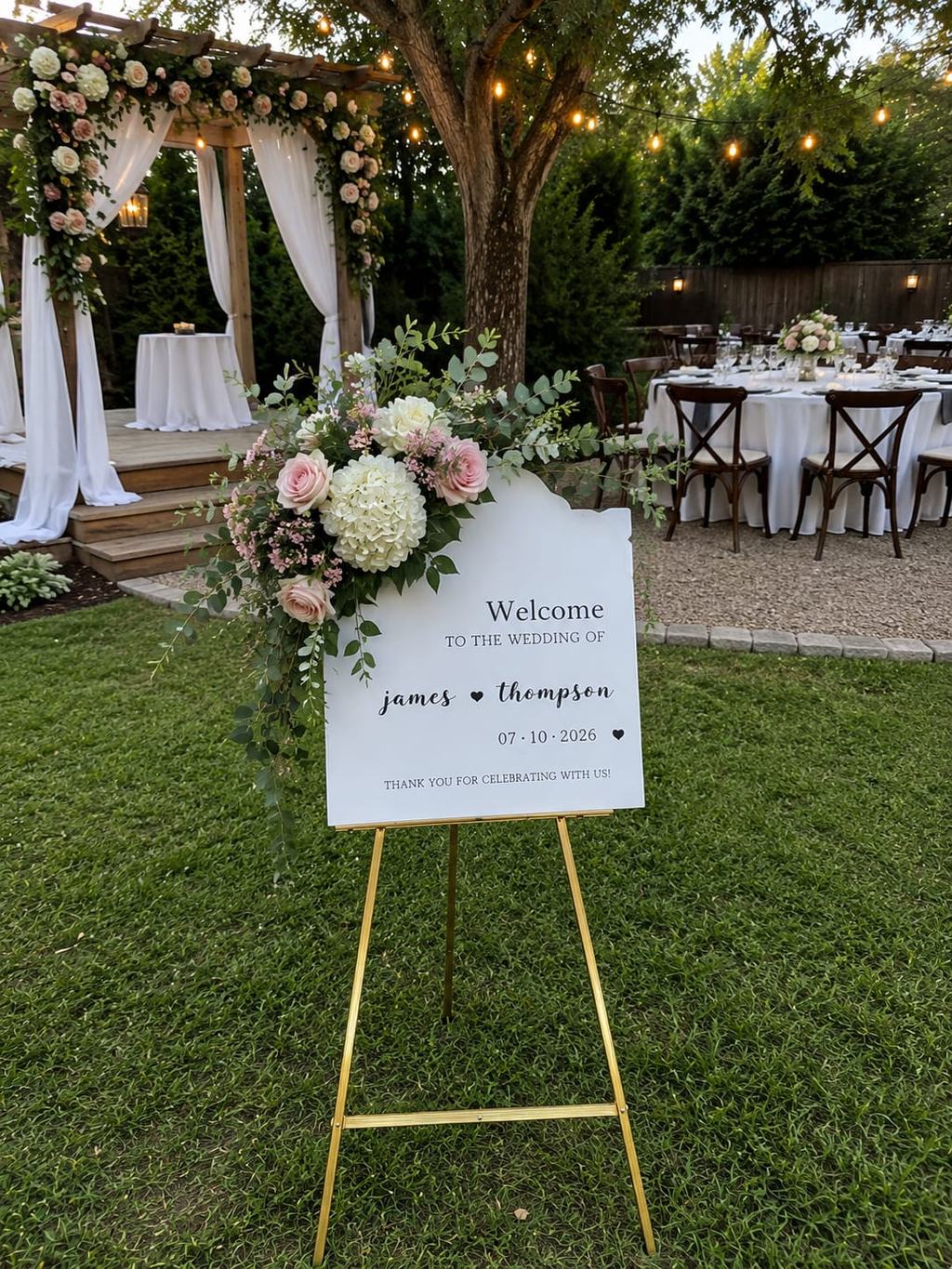
Optimizing Airflow with Fans: Placement, Quantity and Power Needs
Effective airflow turns a shaded space into a comfortable refuge. For a 20 × 30‑foot tent housing up to 50 seated guests, aim for at least three high‑velocity fans placed at opposite corners and one near the center of the longest side. This arrangement creates a cross‑draft that moves warm air out and draws cooler air in. If your guest count rises to 100, increase the number to five or six fans, spacing them evenly along the perimeter to avoid dead zones. Each fan should be rated for outdoor use and capable of moving at least 2,000 cubic feet per minute to produce a noticeable breeze without excessive noise.
Power logistics are straightforward but essential. Most commercial fans operate on standard 110‑120 V outlets, drawing roughly 12 amps each. Verify that your property’s electrical panel can handle the combined load, or use a generator rated for the total wattage. Run extension cords that are rated for outdoor use and keep them away from walkways to prevent tripping hazards. Position the fans so the airflow is directed slightly upward, which helps circulate air throughout the tent volume rather than just along the floor. Test the setup at least an hour before guests arrive to adjust angles and ensure the breeze feels pleasant, not gusty.
Hydration Stations: Water, Ice and Refreshing Drinks for a Summer Party
Hydration is the third pillar of heat safety. Plan for at least one gallon of water per guest per hour of event duration, adjusting upward if temperatures exceed 90°F or if activities are active. For a four‑hour party with 100 guests, budget roughly 400 gallons of water. Use large, food‑grade dispensers with spigots and keep them shaded under the tent or a separate canopy to prevent the water from warming too quickly. Add slices of citrus, cucumber or mint to plain water for a refreshing twist that encourages guests to drink more frequently.
Ice is equally important; anticipate needing about one pound of ice per guest per hour to keep drinks cold and to fill coolers. For the same 100‑guest, four‑hour scenario, that translates to roughly 400 pounds of ice. Store ice in insulated coolers placed near the beverage stations, and replenish them regularly. Offer a variety of non‑alcoholic options such as iced tea, lemonade and electrolyte‑enhanced drinks alongside water. Clearly label each station and provide plenty of cups or reusable bottles. A well‑stocked hydration area not only supports health but also adds a hospitable touch that guests will remember.
Timing Your Event: Setup Timeline, Vendor Coordination and Day‑of Flow
A detailed timeline prevents last‑minute rushes and ensures every element is ready when guests arrive. Begin by confirming the delivery window with the rental company; for a location in Gillsville, expect the truck to depart the Pendergrass warehouse approximately 22 minutes before arrival, traveling via GA‑52 North and local county roads. Aim to have the tent and all major equipment on site at least four hours before the scheduled start time. This buffer allows for anchoring, positioning fans, laying out tables and setting up hydration stations without pressure.
Next, coordinate with any caterers, entertainers or photographers. Share a site plan that marks the tent entrance, buffet area, dance floor and vendor power locations. Confirm that vendors know where to park and where to plug in equipment. On the day of the event, follow a staged approach: first erect the tent and secure sidewalls if rain is a possibility, then install fans and connect power, followed by arranging tables, chairs and linens. Place hydration stations near the entrance and buffet line so guests can grab a drink as they arrive. Finally, do a walk‑through with the host to verify that pathways are clear, signage is visible and the overall layout matches the planned flow.
Rain Plan and Weather Contingencies: Sidewalls, Date Shifts and Safety
Even with careful planning, summer storms can develop quickly in Hall County. The primary rain mitigation strategy is to equip the tent with sidewalls that zip or Velcro closed, creating a fully enclosed space that keeps guests dry while preserving ventilation through mesh panels if needed. Ensure the sidewall material is compatible with the tent frame and that the installation crew knows how to secure them properly before the event begins. Keep a small repair kit on hand, including extra straps and tarp clips, in case of wind‑related adjustments.
If weather forecasts indicate severe conditions such as high winds, lightning or heavy rain that would make setup unsafe, have a clear protocol for postponing. Communicate the postponement policy to guests in advance, offering a new date within the same week or the following weekend. Document the decision‑making process, noting the specific weather thresholds that trigger a move (for example, sustained winds over 20 mph or lightning within ten miles). This transparent approach builds trust and ensures safety remains the top priority while still honoring the celebratory intent of the gathering.
Local Logistics: Drive from Pendergrass, Landmarks and Service Area Details
The drive from the Pendergrass warehouse to a typical Gillsville venue takes about 22 minutes under normal conditions. Depart the warehouse on GA‑52 North, continue through the town of Hoschton, then turn left onto GA‑332 West toward Gillsville. As you approach the Hall and Banks county line, you will notice rolling farm lawns that straddle the boundary—a distinctive local landmark that helps drivers confirm they are in the correct service area. This stretch of road offers good visibility and minimal traffic delays, making timing predictions reliable for event planners.
Because the venue lies well within the 40‑mile radius, standard delivery fees apply based on distance: zero to fifteen miles is free, sixteen to thirty miles incurs a modest charge, and thirty‑one to fifty miles carries a slightly higher rate. Confirm the exact mileage once you provide the street address, as this determines the final delivery cost. Keep in mind that weekend inventory—especially tents, chairs and bounce houses—is allocated on a first‑confirmed, first‑served basis, so securing your date early improves the likelihood of obtaining the preferred equipment. Providing the exact address, guest count and preferred start time allows the logistics team to plan the most efficient route and ensure timely arrival for setup, teardown and any subsequent pick‑up.
Frequently asked questions
How many fans should I use for a 100‑guest summer party in Gillsville?
For a gathering of around one hundred guests, plan on five to six high‑velocity outdoor fans spaced evenly around the tent perimeter. This setup creates consistent airflow that moves warm air out and draws cooler air in, keeping the comfort level high without excessive noise. Adjust the angle slightly upward to circulate air throughout the tent volume rather than just along the floor.
What is the best way to keep drinks cold throughout the event?
Use food‑grade beverage dispensers kept in the shade and replenish ice regularly, aiming for roughly one pound of ice per guest per hour. Store extra ice in insulated coolers near the stations and rotate supplies as needed. Adding citrus or herb slices to water encourages guests to drink more often while staying refreshed.
Can I rely on trees alone for shade at my Gillsville party?
Trees provide pleasant supplemental shade, especially on the western side, but they should not be the sole source of coverage. Sun angles shift, wind can move branches, and sudden rain may leave guests exposed. Combine natural tree shade with a commercial tent and sidewalls for reliable protection against heat and precipitation.
How far in advance should I confirm my date with the rental company? ·
Weekend inventory such as tents, chairs and bounce houses is allocated on a first‑come, first‑served basis. To secure your preferred equipment, confirm your date and place a deposit as soon as your plans are firm, ideally several weeks ahead for spring‑through‑fall Saturdays.
What steps should I take if a storm develops on the day of my event? ·
If safe, close the tent sidewalls to keep guests dry while maintaining ventilation through mesh panels. If winds become hazardous or lightning is observed, follow the postponement protocol: move the event to a pre‑agreed alternate date and inform guests promptly. Always prioritize safety over the schedule.
Is there a specific guest‑count threshold that requires a second tent for food service? ·
There is no fixed number, but many hosts add a second 10 × 20‑foot tent for the buffet when the guest count exceeds eighty or when they want to keep the main area open for dancing and mingling. Evaluate your layout and flow to decide if a separate food tent improves convenience and guest experience.