
Understanding Monroe’s Summer Climate
Monroe, located in Walton County, experiences typical Georgia summer weather with high temperatures often reaching the mid‑90s°F and humidity levels that can make the heat feel even more intense. The historic‑district lawns and surrounding farm properties near Highway 78 receive direct sunlight for most of the day, which raises the perceived temperature on open grass. Being about a forty‑minute drive from the Pendergrass warehouse means that delivery crews can arrive early in the morning to set up before the sun reaches its peak, giving hosts a chance to secure shade and airflow before guests arrive.
For event planners, understanding these conditions translates into concrete preparation steps. A guest list of eighty to one hundred twenty people will generate considerable body heat, making shade and moving air essential for comfort. By calculating the expected heat load and noting that a well‑placed tent can lower the ambient temperature by several degrees, hosts can prioritize shade structures first. Knowing the local climate also helps in scheduling the event start time, opting for a late‑afternoon or early‑evening slot when the sun’s angle begins to decrease, thereby reducing the need for excessive cooling measures.
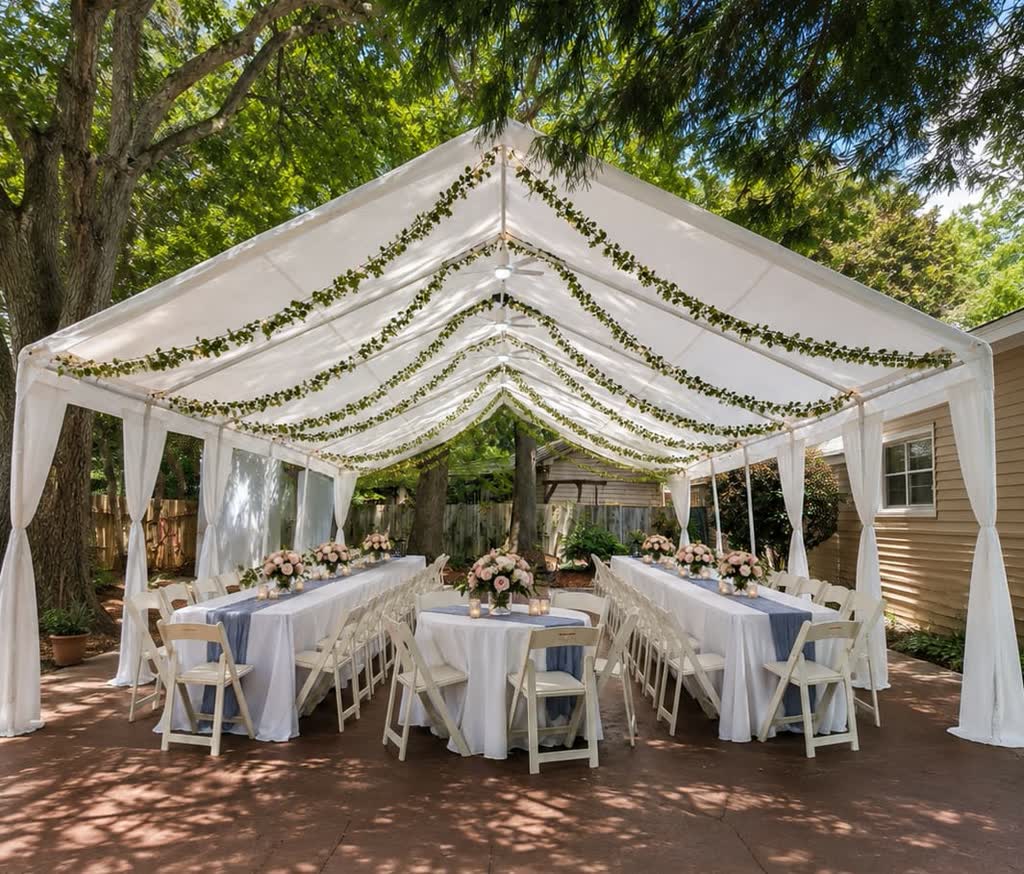
Essential Shade Structures for Outdoor Comfort
Choosing the right tent size is a foundational step in creating a comfortable environment. A 10 × 10 foot canopy provides shade for roughly six to eight seated guests or eight to ten standing guests, making it suitable for intimate gatherings or cocktail‑style areas. For larger groups, a 20 × 20 foot tent comfortably accommodates thirty‑two to forty seated guests, while a 20 × 30 foot option expands capacity to forty‑eight to sixty seated guests. These measurements follow the company’s verified capacities and ensure that guests have enough space to move without feeling cramped.
Beyond tents, additional shade options include market umbrellas, shade sails, and leveraging natural tree cover where available. When setting up on grass, a site check confirms that the ground can support the tent’s weight and anchoring system; on concrete, appropriate weights or sandbags are required. Coordinating the placement of shade structures with the planned flow of foot traffic ensures that pathways remain clear and that guests can easily move from the dining area to the entertainment zone without navigating around obstructive poles.
summer party shade fans Monroe ga
Fans play a critical role in moving air beneath tents and across guest areas, especially when humidity makes still heat feel oppressive. High‑velocity pedestal fans or commercial‑grade box fans are effective choices because they can push a substantial volume of air while operating on standard 110‑volt outlets. Positioning fans at the corners of a tent or along the longer sides helps create a gentle breeze that circulates without creating a direct draft on guests, which is important for maintaining comfort during meals or speeches.
To maximize the cooling effect, fans should be aimed slightly upward to mix the warmer air near the ceiling with cooler air at guest level. When using a tent with sidewalls, placing fans near the lower edges encourages air to exchange with the outside, reducing heat buildup inside the canopy. Ensuring that power cords are secured and routed away from walkways prevents tripping hazards, and using outdoor‑rated extension cords protects against moisture. A quick sound check before guests arrive confirms that the fans operate at a acceptable noise level, allowing conversation to flow easily.
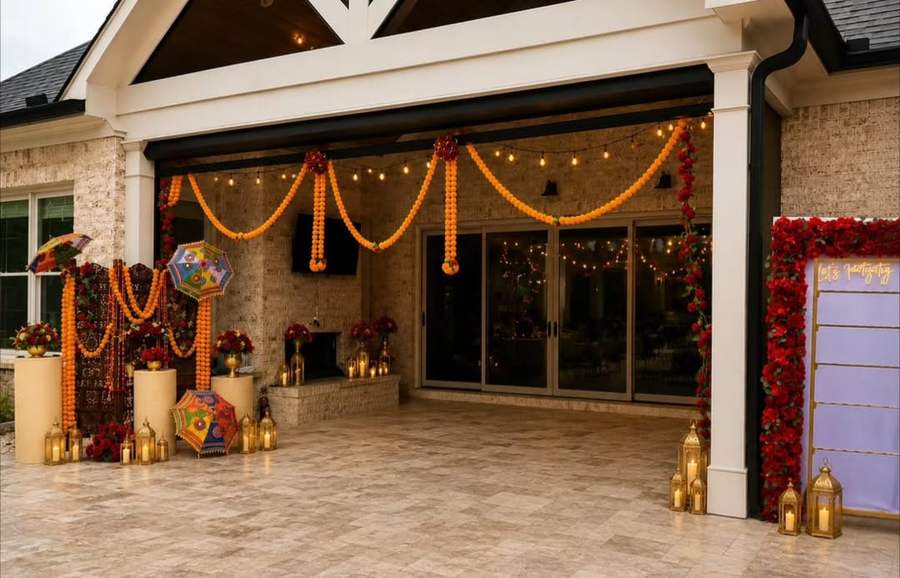
Effective Fan Placement and Airflow Tips
Creating a cross‑breeze is one of the most efficient ways to cool a shaded event space. By placing one fan at the west end of the tent and another at the east end, the airflow moves across the width of the area, pulling warm air out and drawing in cooler air from the sides. For events with guest counts exceeding one hundred, adding a third fan in the center or near the food service zone helps maintain consistent temperatures throughout the venue. Elevating fans on sturdy stands a few feet off the ground prevents the airflow from being blocked by tables or chairs.
Noise considerations are also important; selecting fans that are rated for low decibel operation ensures that background sound does not interfere with speeches or music. It is advisable to check the weather forecast for wind speeds on the day of the event, as strong gusts can affect fan performance and may require adjusting fan angles or temporarily securing them with sandbags. Finally, conducting a brief walkthrough after setup confirms that no cords pose a hazard and that all fans are stable before guests arrive.
Hydration Stations and Beverage Management
Providing ample hydration is essential for guest safety and enjoyment during a summer party. A central water station equipped with large dispensers, infused water options (such as cucumber‑mint or citrus), and traditional lemonade encourages guests to drink regularly. Positioning the station under shade or inside a tent keeps the beverages cool and reduces the rate at which ice melts. Supplying reusable cups or eco‑friendly disposable options minimizes waste while ensuring that each guest has easy access to a drink.
For events that include alcohol, balancing alcoholic beverages with non‑alcoholic alternatives helps prevent dehydration. Clear signage reminding guests to alternate between alcoholic drinks and water, along with having staff or volunteers monitor consumption, supports responsible drinking. Extra water should be readily available for children, elderly guests, and anyone engaging in active games such as bounce houses. Keeping a spare cooler with ice on hand allows quick replenishment of drinks throughout the event without requiring a trip back to the kitchen.
Yard Preparation and Timeline Checklist
Proper yard preparation begins well before the delivery crew arrives. Mowing the lawn to a uniform height, removing sticks, rocks, and any debris creates a safe surface for tent anchoring and guest walking. Measuring the available space against the chosen tent dimensions ensures that there is enough room for sidewalls, fan placement, and clear pathways of at least three feet. Marking any underground utilities or irrigation lines prevents accidental damage during staking or weighting.
A practical timeline helps everything run smoothly. The day before the event, confirm the delivery window and verify that the address includes street, city, state, and ZIP code for accurate routing. On the morning of the event, the crew arrives, unpacks the tent, and begins anchoring while fans are positioned and tested. Approximately two hours before the scheduled start time, tables, chairs, linens, and décor are set up, followed by a final walkthrough to check that shade, airflow, and hydration stations are all functional. Adjustments can be made based on the real‑time sun angle and any sudden changes in weather.
Rain Plan and Contingency Strategies
Even with a solid forecast, summer storms can develop quickly, so having a rain plan is vital. The company’s tents come with optional sidewalls that can be zipped closed to provide waterproof coverage while still allowing airflow through vents. If the forecast calls for heavy rain, consider scheduling the event for a later time when the system is expected to pass, or be prepared to shift the start time by an hour or two. Having extra weights, sandbags, or water bags on hand ensures that the tent remains secure if wind picks up alongside the rain.
Communication is the final piece of a successful contingency plan. Create a group chat via WhatsApp or text message to quickly inform guests of any changes, such as a delayed start or a move to a more sheltered area of the property. Keep a supply of dry towels and a backup power source for fans in case moisture reaches electrical connections. After the event, inspect all equipment for water damage before storing it, ensuring that everything remains in good condition for future rentals. By planning ahead for both sunshine and showers, hosts can guarantee a comfortable experience regardless of the weather.
Frequently asked questions
How far in advance should I book a tent and fan setup for a Monroe summer party?
It is advisable to reach out at least two to three weeks before your desired date, especially for weekend events during peak season, to secure the preferred tent size and fan quantities.
What size tent works best for a guest list of about one hundred people in Monroe?
A 20 × 20 foot tent comfortably seats thirty‑two to forty guests, while a 20 × 30 foot tent accommodates forty‑eight to sixty seated guests, so combining a 20 × 20 with additional shade or opting for a larger size may be needed for one hundred guests.
Do I need to provide power for the fans, or does the rental company supply generators?
The rental company provides the fans, but you must supply a standard 110‑volt power source; extension cords and outdoor‑rated power strips are recommended to reach the tent’s interior.
How can I keep the tent cool if the humidity is very high in Walton County?
Pairing shade structures with high‑velocity fans creates airflow that evaporates perspiration and reduces the perceived temperature, and placing fans low near the sidewalls encourages warm air to exit the canopy.
What should I do if a sudden thunderstorm occurs during the party?
Close the tent sidewalls to keep rain out, secure any loose items, and if lightning is observed, pause outdoor activities and move guests to a covered area until the storm passes.
Is it possible to have both a bounce house and a dance floor under the same tent?
Yes, as long as the tent size provides sufficient clear floor space for both items; verifying dimensions and leaving at least three‑foot walkways ensures safe use of each attraction.