
Understanding the Nicholson GA Summer Climate
Nicholson, Georgia sits in Jackson County where summer temperatures regularly climb into the high eighties and low nineties Fahrenheit, with humidity that can make the air feel even warmer. The area experiences frequent afternoon thunderstorms, which bring brief but intense rain showers that can interrupt outdoor activities if no shelter is available. Because the sun is strong from late morning until early evening, guests exposed to direct sunlight may quickly become uncomfortable, especially children and older adults. Planning for shade and airflow is therefore not a luxury but a practical necessity for any gathering held in a backyard or open field. Understanding these climatic patterns helps hosts decide how much covered space to provide and where to position cooling equipment to keep everyone safe and enjoying the celebration.
When the temperature rises, the body’s ability to cool itself through sweating diminishes if the surrounding air is already saturated with moisture, which can lead to heat‑related fatigue or discomfort. In a party setting, this discomfort can translate into guests leaving early or avoiding activities such as dancing or games. By installing adequate shade structures and ensuring a steady flow of air, hosts reduce the perceived temperature and help guests maintain a comfortable core temperature. Additionally, shade protects food items, decorations, and electronic equipment from direct sun exposure, which can cause wilting, fading, or overheating. Taking the climate into account early in the planning process allows for a smoother setup and a more enjoyable experience for everyone attending.
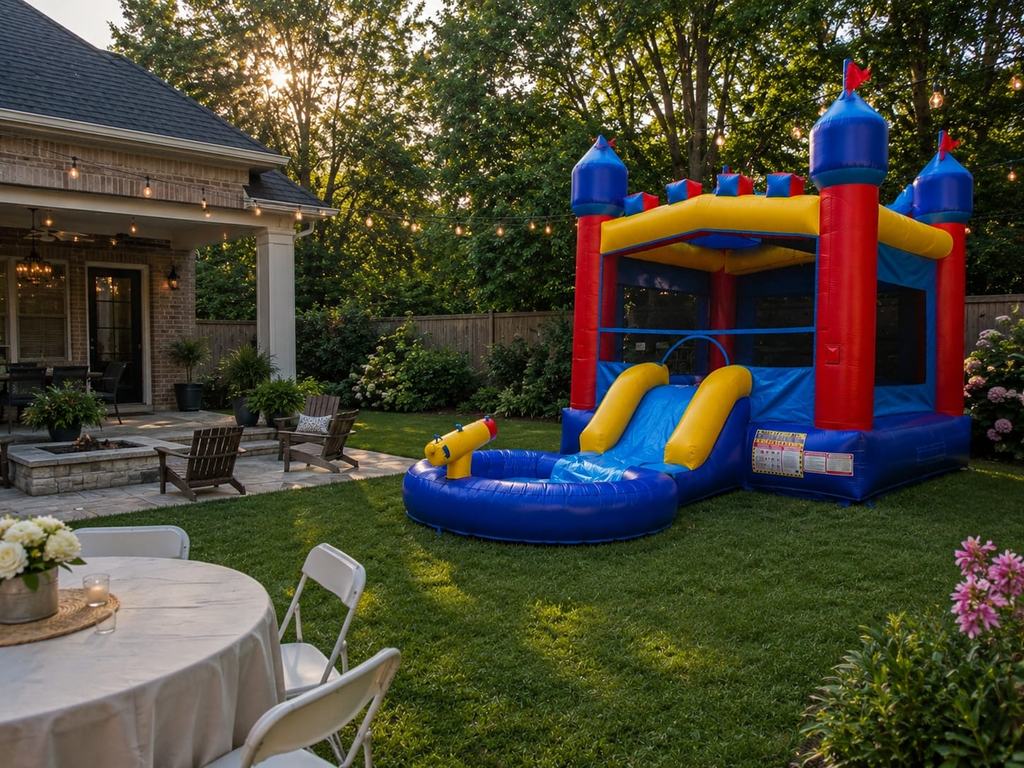
Summer Party Shade Fans Nicholson ga: Choosing the Right Shade Solutions
Selecting the appropriate tent size starts with an accurate guest count. For seated dining, a 10×10 foot tent comfortably accommodates six to eight guests, while a 10×20 foot tent fits sixteen to twenty seated guests or up to twenty‑five in a cocktail layout. A 20×20 foot tent provides space for thirty‑two to forty seated guests, a 20×30 foot tent suits forty‑eight to sixty seated guests, and a 20×40 foot tent holds sixty‑four to eighty seated guests or up to one hundred cocktail‑style. If you expect a larger gathering, a 30×60 foot tent can accommodate one hundred twenty to one hundred fifty seated guests or up to one hundred eighty cocktail‑style. Matching the tent dimensions to your guest list ensures everyone has adequate shade without overcrowding the space.
Beyond tents, additional shade options include freestanding canopies, shade sails, or utilizing existing trees. Trees can offer natural relief, but their coverage shifts with the sun’s angle, so they are best used as a supplement rather than the sole source of shade. For a polished look, draping can be added around the tent perimeter or on support poles; draping options are available and can be customized after a consultation to match your event’s color scheme. Combining a solid tent roof with strategic draping and any available natural shade creates a layered defense against direct sunlight, keeping the temperature under the canopy noticeably lower than the open yard.
Positioning Fans for Maximum Airflow
Industrial fans are effective tools for moving air inside a tented space, especially when the ambient humidity is high. Look for units rated at approximately 1,500 watts with 110‑volt operation, as these provide sufficient airflow without overloading standard residential circuits. For a tent up to 30×60 feet, placing two fans at opposite ends creates a cross‑draft that pushes warm air out and draws cooler air in. If the tent is larger or the guest count is elevated, adding a third fan along the midpoint can help maintain consistent circulation throughout the entire area.
To maximize effectiveness, elevate the fans slightly off the ground so the airflow is not blocked by tables, chairs, or decorative elements. Secure power cords with tape or cord covers to prevent tripping hazards, and ensure outlets are protected from moisture with weather‑proof covers if the event could encounter rain. Periodically check that the fans are running smoothly and that no obstructions have shifted during the event. Proper fan placement not only lowers the perceived temperature but also helps reduce condensation on tent walls, contributing to a drier and more comfortable environment for guests.
Hydration Stations: Keeping Guests Refreshed
Staying hydrated is critical when temperatures climb, and a general guideline is to provide at least one quart of drinking water per person per hour. If the forecast calls for temperatures above ninety degrees Fahrenheit or if guests will be active—such as dancing or playing games—increase the allocation to one and a half quarts per person per hour. Use insulated coolers filled with plenty of ice to keep the water cold, and consider labeling containers clearly so guests can locate them quickly. Reusable cups or biodegradable options reduce waste while still offering a convenient way to refill.
Position hydration stations in shaded areas, preferably near the entrance of the tent and close to the food service zone, so guests can grab a drink without having to walk far into the sun. Arrange the stations on stable tables with a drip tray underneath to catch any spillage, and assign a staff member or responsible volunteer to monitor ice levels and replenish water throughout the event. Providing a variety of beverages such as infused water, iced tea, or lemonade alongside plain water caters to different preferences while still emphasizing the importance of fluid intake. Regularly rotating ice and checking cup supplies ensures the station remains fully stocked from the start of the celebration to the final goodbye.
Yard Preparation Timeline for a Nicholson GA Event
Begin planning at least two weeks before the event by confirming the exact guest count, which drives decisions about tent size, table and chair quantities, and the scale of shade and fan requirements. Measure the available yard space to verify that the chosen tent will fit with adequate clearance for guy lines, anchoring stakes, and safe walkways. Schedule delivery of the tent, tables, chairs, linens, and any rental equipment with the provider, specifying the exact Nicholson address and a preferred arrival window that allows sufficient time for setup. Verify that the property offers accessible electrical outlets for fans and any lighting, and identify a reliable water source for filling coolers and hydration stations.
Two days prior to the party, clear the yard of debris, toys, or garden equipment that could interfere with stake placement or create tripping hazards. Level the ground where the tent will sit, using sand or gravel if needed to create a stable surface for anchoring. Mark the anchor points according to the tent manufacturer’s guidelines and install the stakes or weighted bags securely. Lay out extension cords and power strips in a safe, organized manner, keeping them away from high‑traffic zones. Set up the hydration stations, fill coolers with ice, and place fans in their intended positions to test airflow before guests arrive. On the morning of the event, conduct a final walk‑through to ensure all equipment is stable, the tent is taut, and the shade and fan layout delivers the intended comfort.
Rain Plan and Weather Contingencies
Even with a solid forecast, summer thunderstorms can develop quickly in Nicholson, making a rain plan essential. Choose a tent model that includes sidewalls, which can be deployed to deflect wind and rain while maintaining ventilation through mesh panels or vents. Having sidewalls ready allows you to close the tent quickly if rain begins, protecting guests, food, and electronic equipment from moisture. If the weather forecast indicates a high probability of severe storms, consider discussing an alternate date with the rental provider well in advance, as moving the event to a different day is often safer than attempting to set up in hazardous conditions.
On the day of the event, monitor weather updates through a reliable app or local news station, and establish a clear communication chain with any vendors, helpers, or guests who may need to be notified of changes. Keep extra tarps or a lightweight pop‑up canopy on hand to cover the food and drink areas if the main tent’s sidewalls are insufficient for a sudden downpour. Ensure that all electrical connections are protected with weather‑proof covers and that fans are turned off and unplugged if water intrusion is a risk. By preparing these contingencies ahead of time, you can respond swiftly to changing conditions while keeping the celebration safe and enjoyable for everyone involved.
Drive Logistics from Pendergrass Warehouse to Nicholson GA
The rental warehouse in Pendergrass, Georgia is approximately fifteen minutes from Nicholson under normal traffic conditions, covering a distance of roughly ten to twelve miles via State Route 332 and local residential roads. Travel time may vary during peak commuting hours or if there is road work, so it is wise to build a buffer into the schedule. When planning the delivery window, specify the exact Nicholson address, including street name, city, state, and ZIP code, to allow the driver to navigate directly to the site without detours.
On the day of the event, load the tent poles, fabric, tables, chairs, linens, fans, and any additional equipment early in the morning to avoid rush‑hour congestion. Ensure the transporting vehicle has sufficient bed space and securing straps to keep items stable during transit. Upon arrival, position the truck as close to the work area as possible to minimize the distance heavy components must be carried. After the event concludes, reverse the process by loading the rental items back onto the vehicle, conducting a quick inventory check to confirm nothing is left behind, and returning to the Pendergrass warehouse for cleaning and maintenance. Properly coordinating the drive logistics helps guarantee that setup and teardown proceed smoothly and on schedule.
Final Checklist for a Successful Summer Party
Begin the final review by verifying the guest count against the tent and seating layout to confirm that shade, tables, and chairs meet the planned capacity. Walk the perimeter of the tent to ensure all stakes or weight bags are firmly secured and that the fabric is taut without excessive sagging. Test each fan to confirm it powers on, runs smoothly, and directs airflow as intended; check that cords are secured and outlets are functioning. Inspect the hydration stations to ensure coolers are stocked with ice, water levels are adequate, and cups or glasses are readily accessible.
Complete the checklist with a quick sweep of the ground for any stray tools, loose cords, or debris that could pose a hazard. Confirm that any lighting, if used, is properly installed and that batteries or power sources are sufficient for the event’s duration. Keep a copy of the rental agreement and a point‑of‑contact phone number handy in case questions arise during the celebration. After the last guest departs, perform a final walk‑through to make sure the site is left clean, all rental items are accounted for, and the yard is returned to its original condition. Following these steps helps ensure that the summer party in Nicholson proceeds comfortably, safely, and without unexpected interruptions.
Frequently asked questions
How much shade should I provide for a summer party in Nicholson GA?
Provide roughly 10-12 square feet of covered space per guest if they will be seated, or 8-10 square feet per guest for a cocktail-style layout. This ensures everyone has relief from direct sun while still allowing room for tables, chairs, and movement. Adjust upward if you expect longer stays or if the event includes activities that generate extra body heat.
What type of fans work best for cooling a tented event in Nicholson?
Industrial-grade floor fans with a minimum of 1,500 watts and 110V operation are effective for moving air inside tents up to 30×60 feet. Place fans at opposite ends to create a cross‑draft, and elevate them slightly so airflow is not blocked by tables or chairs. Ensure cords are secured and outlets are protected from moisture.
How much water should I have on hand for guests during a hot Nicholson afternoon?
Plan for at least one quart of drinking water per person per hour, increasing to 1.5 quarts if the temperature exceeds 90°F or if guests are active. Keep water in insulated coolers with plenty of ice, and refill stations regularly to maintain a cold supply throughout the event.
Can I rely on natural shade from trees in my Nicholson yard instead of renting a tent?
Mature trees can provide valuable shade, but their coverage varies with the time of day and the sun’s angle. For reliable protection, especially for food tables and guest seating, combine tree shade with a portable canopy or tent to guarantee consistent coverage regardless of shifting light.
What steps should I take if a thunderstorm is forecast for my Nicholson party date?
Monitor the forecast closely, and if thunderstorms are expected to make setup unsafe, consider rescheduling to an alternate date. Have sidewalls ready for the tent to deflect wind and rain, and keep extra tarps or a secondary canopy on hand to protect the food and drink areas while you wait for conditions to improve.
How far in advance should I confirm delivery and setup times with the rental team from Pendergrass?
Confirm the delivery window at least five to seven days before the event, specifying the exact address in Nicholson and the desired start time. This allows the team to plan the approximately 15‑minute drive, load the appropriate equipment, and arrive with enough margin to complete anchoring, fan placement, and hydration station setup before guests arrive.