
Guest‑Count Math for Your Event
Understanding how many guests can be accommodated helps you choose the right combination of tents, tables, and seating arrangements. The numbers below are based on the verified capacities of DecoEvent ATL’s inventory and are meant to guide your planning without guaranteeing a specific layout.
Seating Capacity Tables
- A 4‑foot round table comfortably seats four to six guests.
- A 5‑foot round table comfortably seats eight guests, with the possibility of up to ten when the layout is optimized.
- A 6‑foot round table comfortably seats ten guests; a specially approved layout may allow up to twelve.
- A 6‑foot rectangular table accommodates six to eight guests.
- An 8‑foot rectangular table accommodates eight to ten guests.
- A cocktail table (30‑inch Flash Furniture, 30‑inch or 42‑inch height) holds two to four standing guests.
Tent Size and Guest Capacity
- A 10×10 foot tent holds six to eight seated guests or eight to ten standing guests.
- A 10×20 foot tent holds sixteen to twenty seated guests or up to twenty‑five cocktail‑style guests.
- A 20×20 foot tent holds thirty‑two to forty seated guests.
- A 20×30 foot tent holds forty‑eight to sixty seated guests.
- A 20×40 foot tent holds sixty‑four to eighty seated guests or up to one hundred cocktail‑style guests.
- A 30×60 foot tent holds one hundred twenty to one hundred fifty seated guests, depending on layout, or up to one hundred eighty cocktail‑style guests.
Use these ranges as a starting point. For a precise fit, discuss your exact guest count, preferred table mix, and any additional elements such as a dance floor or buffet tables with a sales representative.
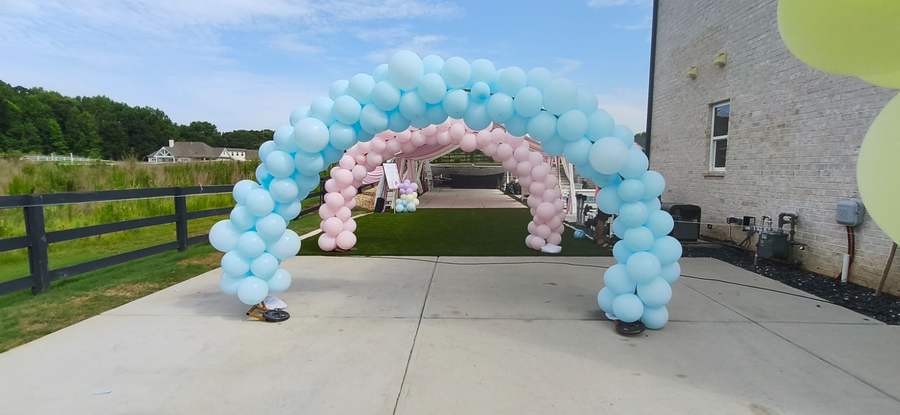
Yard Preparation Tips
Preparing the outdoor space before the crew arrives ensures a smooth setup and helps avoid last‑minute surprises. Focus on the ground, accessibility, and any site‑specific considerations.
Ground Assessment
- Check for low spots that collect water after rain; leveling may be needed.
- Identify any underground utilities or irrigation lines that could be disturbed by stakes or weights.
- Confirm the surface type—grass, concrete, pavers, or a mix—as this affects anchoring methods.
Clearing and Leveling
- Remove debris, toys, garden tools, and any furniture that could obstruct the tent footprint.
- Trim overhanging branches that might interfere with pole installation or lighting.
- If the area is uneven, consider adding a thin layer of sand or gravel to create a uniform base.
- Ensure there is a clear path at least three feet wide from the street or driveway to the event zone for equipment carts.
Access and Utilities
- Verify that the nearest power outlet is within a safe distance for lighting, sound, and any equipment requiring electricity.
- Confirm water access if you plan to use wet bounce houses or a water slide; a hose connection is necessary.
- Mark any sprinkler heads or outdoor outlets that should be avoided during stake placement.
Taking care of these items ahead of time helps the crew focus on installation rather than site troubleshooting.
Load‑In Timeline Overview
A well‑structured load‑in schedule keeps the event on track and reduces stress for everyone involved. The timeline below assumes a standard setup for a mid‑size celebration; adjustments can be made based on specific requirements.
Day‑Before Steps
- Confirm the delivery address, contact phone number, and any gate codes or access instructions.
- Review the weather forecast and note any potential wind or precipitation concerns.
- Prepare a staging area near the event site where equipment can be briefly stored if early arrival is needed.
Morning Of – Arrival and Staging
- The crew arrives within the agreed window and checks in with the on‑site contact.
- Equipment is offloaded close to the work zone to minimize double‑handling.
- Tents, tables, chairs, and décor items are inventoried against the packing list.
Installation Phase
- Tent poles are erected, sidewalls are attached if required, and the canopy is secured.
- Flooring or ground protection is laid down where needed.
- Tables and chairs are positioned according to the agreed layout.
- Lighting strings, sound systems, and any special effects are installed and tested.
- Bounce houses, water slides, or games are anchored, inflated, and safety‑checked.
Final Touches and Client Walk‑Through
- Linens, runners, napkins, and decorative elements are placed.
- Floral arrangements, balloon décor, and centerpieces are added.
- The on‑site contact walks through the space to confirm everything matches expectations.
- Any last‑minute adjustments are made before the guest arrival time.
Communicating any changes to the schedule promptly allows the crew to adapt without compromising quality.
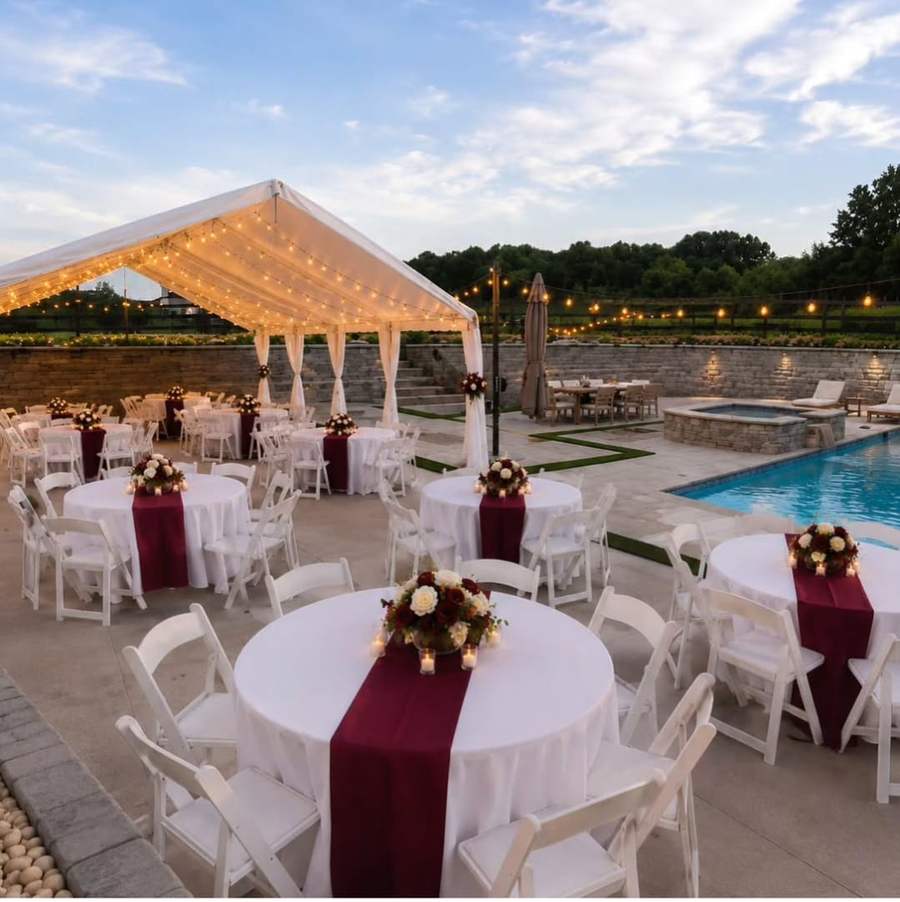
Rain Plan Essentials
Weather can be unpredictable, especially in the Georgia climate. Having a clear rain plan protects your investment and keeps guests comfortable.
Sidewall Options
- Tent sidewalls can be added to block wind and precipitation while maintaining visibility.
- Clear sidewalls allow natural light to enter while keeping rain out.
- Solid sidewalls provide full enclosure for cooler temperatures or heavy rain.
Rescheduling Guidance
- If forecasted winds exceed safe limits for tent installation, the crew will advise on postponing to a later time.
- Light rain usually does not require cancellation; sidewalls and proper drainage keep the interior dry.
- In the event of severe storms, the crew will work with you to find the next available date that fits both parties’ schedules.
Pre‑Event Preparations
- Ensure the ground has adequate drainage; consider adding sand or gravel in low‑lying areas.
- Keep extra towels or mats handy for entryways where guests may track in moisture.
- Discuss any electrical safety concerns with the crew; all equipment is rated for outdoor use but should be kept away from standing water.
Planning ahead for weather contingencies lets you focus on enjoying the celebration rather than worrying about the forecast.
Local Logistics for Peachtree Corners, Gwinnett County
Understanding the local environment helps streamline delivery, setup, and breakdown. Peachtree Corners sits in Gwinnett County, offering a mix of residential streets and commercial zones that influence traffic patterns.
Delivery Windows
- Standard delivery occurs between 8:00 AM and 5:00 PM, depending on the day of the week and current workload.
- Weekend deliveries often require earlier start times to avoid peak residential traffic.
- Specific time slots can be requested; the crew will confirm feasibility based on distance and crew availability.
Traffic Considerations
- Major routes such as Peachtree Parkway and Medlock Bridge Road can experience congestion during morning and evening rush hours.
- School zones along Spalding Drive and Holcomb Bridge Road may reduce speed limits during arrival and dismissal times.
- Events scheduled on game days at nearby venues may increase local traffic; allow extra buffer time for arrival and departure.
Permit Reminders
- Most residential properties do not require a special permit for a temporary tent under a certain size, but it is wise to check with Gwinnett County planning if you plan a large structure or extended duration.
- If your event includes amplified sound, verify the county’s noise ordinance to ensure compliance with permitted decibel levels and curfew times.
- For events that involve food service, such as a taquiza or grill catering, confirm any temporary food vendor requirements with the local health department.
Staying informed about these local details helps avoid unexpected delays and ensures a smooth experience from start to finish.
Event Day Checklist
A concise checklist keeps everyone on the same page and reduces the chance of overlooking an important item. Review this list with your coordinator or the on‑site contact before the celebration begins.
- Confirm the exact event address, including street number, apartment or unit if applicable, city, state, and ZIP code.
- Provide a reliable phone number or WhatsApp contact for the crew to reach you on the day of the event.
- Share the event start time and estimated end time to help the crew plan breakdown.
- List the total number of guests attending, broken down by adults and children if relevant.
- Mention any special accommodations needed, such as wheelchair access or designated quiet areas.
- Verify that the delivery crew has clear instructions for gate codes, parking restrictions, or homeowners’ association rules.
- Ensure that the power source is accessible and that extension cords, if needed, are in good condition.
- Check that water hookups are available for any wet equipment and that hoses are free of kinks.
- Confirm the layout plan, including tent orientation, table placement, and any focal points like a dance floor or buffet.
- Review the inventory list of rented items to verify quantities before signing off.
- Have a backup plan for inclement weather, such as sidewall availability or an alternate indoor space if needed.
- Designate a point of contact for the crew to address any questions during setup or breakdown.
- After the event, walk through the space with the crew to ensure all rented items are accounted for and the area is left clean.
Following this checklist helps create a seamless experience, allowing you to focus on celebrating with your guests.
Frequently asked questions
Now we need to craft FAQ. Must be 6 lines. Each line: Question
Answer. Answer 30-60 words plain text. No HTML. Must be plain text.