
Why a tent on sloped yard Tucker ga requires special preparation
Setting up a tent on sloped or uneven ground in Tucker, GA introduces challenges that a flat lawn does not present. The angle of the soil affects how weight distributes across the tent frame, which can lead to uneven tension on the fabric and potential water pooling if the slope directs rain toward the center. Proper preparation ensures the structure remains stable, the fabric stays taut, and guests enjoy a safe environment. By evaluating the degree of incline and selecting appropriate anchoring methods, you can transform a challenging yard into a functional event space without compromising the integrity of the tent or the comfort of attendees.
In Tucker, many residential properties along Main Street and the yards off Lawrenceville Highway feature gentle rises or dips that are common in the Piedmont region. Understanding the local topography helps you decide whether to use adjustable base plates, sandbags, or weighted straps to counteract the slope. Additionally, addressing drainage early prevents water from accumulating under the tent floor during a sudden shower. Taking these steps not only meets safety standards but also enhances the overall aesthetic, allowing the tent to blend naturally with the surrounding landscape while providing a level surface for furniture and activities.
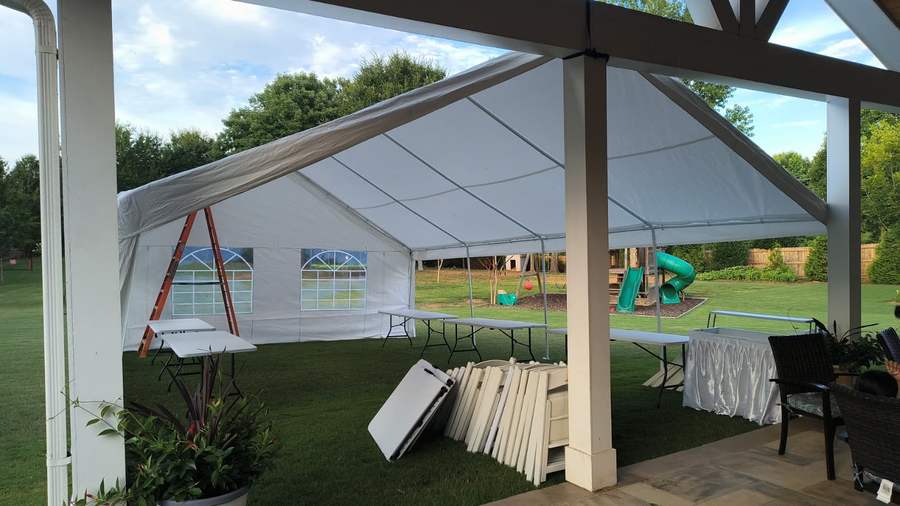
Assessing the slope and planning the layout
The first step in preparing for a tent on sloped yard Tucker ga is to measure the incline across the intended footprint. Use a long board and a level, or a smartphone inclinometer app, to determine the rise over run at multiple points. If the variation exceeds a few inches over the width of the tent, you will need to implement leveling techniques. Sketch a simple plan that marks the highest and lowest corners, then decide where to place the tent’s support poles so that the fabric can be pulled evenly. This preliminary assessment informs how much material you will need for shimming or filling low areas.
Once the slope is quantified, consider how the layout will affect guest flow and functional zones. For example, if the slope runs from the back of the yard toward the house, you may want to position the dining area at the higher end to prevent guests from feeling like they are walking downhill during the event. Conversely, placing a dance floor or lounge area at the lower end can create a natural gathering spot. By aligning the tent’s orientation with the natural contour, you minimize the amount of ground modification required while still achieving a comfortable, level surface for tables, chairs, and any additional equipment such as a sound system or lighting.
Preparing the ground: leveling techniques and materials
After assessing the slope, the next phase involves physically adjusting the ground to create a stable base. One common method is to spread a layer of coarse sand or crushed stone across the low spots, then compact it with a plate compactor or a hand tamper. This filler provides drainage and a firm surface that resists shifting under the weight of the tent and furniture. For steeper gradients, you may need to build a shallow retaining wall using landscape timbers or interlocking blocks to hold the fill in place, ensuring the level area remains intact throughout the event.
Another approach is to use adjustable base plates or steel shims under the tent’s anchor points. These devices allow you to fine‑tune the height of each leg independently, compensating for variations without moving large amounts of soil. Regardless of the method chosen, always verify that the final surface is level to within half an inch across the entire footprint. A level base not only improves the tent’s appearance but also reduces stress on the frame, helping the structure withstand wind and supporting the weight of guests, tables, and any additional décor you plan to install.

Choosing the right tent size and anchoring system
Selecting a tent size that matches both your guest count and the available level area is crucial. For a seated dinner, a 20 × 20‑foot tent comfortably accommodates 32 to 40 guests, while a 20 × 30‑foot layout increases capacity to 48‑60 seated guests. If you anticipate a cocktail‑style reception, the same 20 × 30 footprint can support up to 100 standing guests. Matching the tent dimensions to the leveled zone ensures you do not overextend the fabric over unprepared ground, which could cause sagging or water collection.
Anchoring is equally important on sloped terrain. Standard stakes may not hold effectively if the soil is loose or if the pull direction is uneven. Consider using heavy‑duty steel augers or screw anchors that can be driven deep into the soil at an angle opposing the slope’s direction. Additionally, ratchet straps paired with sandbags or water weights provide supplementary tension, especially for the uphill side of the tent where the fabric naturally experiences greater pull. Double‑check all connections before the event begins, and re‑inspect them if weather conditions change.
Timeline from delivery to teardown for Tucker events
A clear timeline helps ensure that the tent arrives, is installed, and is removed without disrupting the neighborhood. For a Tucker event located roughly 50 minutes from our Pendergrass warehouse, we schedule the delivery truck to depart early in the morning to arrive by 8:00 AM, allowing time for any unexpected traffic on I‑85 North. Upon arrival, the crew conducts a quick site walk‑through to confirm the marked level area matches the pre‑survey plan, then begins laying out the ground‑preparation materials if any filler is needed.
Installation typically takes two to three hours for a medium‑sized tent, depending on the complexity of the slope and the anchoring system used. Once the frame is upright and the fabric is secured, the team adds any requested lighting, draping, or flooring accessories. After the event concludes, the teardown process mirrors the setup in reverse, usually completed within two hours. The truck then departs for the return trip to Pendergrass, aiming to be back by early evening to keep the crew’s schedule predictable and to avoid late‑night noise in residential areas.
Rain plan and weather‑responsive strategies
Even with thorough preparation, Georgia weather can change quickly, so having a rain plan is essential. If the forecast shows a chance of precipitation, we recommend adding sidewalls to the tent to create a fully enclosed space that keeps the interior dry. Sidewalls also help prevent wind‑driven rain from entering through the open edges, preserving the comfort of guests and protecting any electronic equipment such as speakers or microphones.
In addition to sidewalls, consider incorporating a simple drainage solution: a shallow trench filled with gravel around the tent’s perimeter can redirect water away from the floor area. If the slope directs water toward the center of the tent, a slight elevation of the floor using interlocking plastic tiles or a raised platform can keep the walking surface dry. Should conditions become unsafe due to high winds or severe thunderstorms, the contract allows the date to be rescheduled without penalty, ensuring the event can proceed when the weather improves.
Local landmarks and drive logistics from our Pendergrass warehouse
Our service team frequently travels from the Pendergrass warehouse to Tucker, navigating a route that takes approximately 50 minutes under normal conditions. The journey typically follows GA‑316 West to I‑85 North, then exits at Exit 114 for Lawrenceville Highway, which leads directly into the heart of Tucker. Along the way, drivers pass notable points such as the Mall of Georgia and the historic downtown area of Tucker, making it easy to verify progress and anticipate any local traffic patterns that might affect arrival times.
Knowing the exact distance and travel time helps us plan the delivery window accurately, ensuring the truck arrives during the agreed‑upon window and avoids peak‑hour congestion on major arteries. It also allows us to communicate a reliable estimate to the client, so they know when to expect the crew and can prepare their yard accordingly. By aligning our logistics with the familiar landmarks and roadways of Tucker, we maintain a consistent, dependable service that respects both the client’s schedule and the surrounding community’s peace.
Frequently asked questions
What size tent fits 50 seated guests on a sloped yard in Tucker, GA?
A 20 × 30‑foot tent provides comfortable seating for 48‑60 guests, making it suitable for a 50‑person dinner even when the yard requires slight leveling adjustments.
How do I know if my yard’s slope needs leveling before a tent install?
Measure the rise over run at several points across the planned footprint; if the variation exceeds a few inches over the width of the tent, leveling with sand, stone, or adjustable bases is recommended.
Can sidewalls be added to a tent on uneven ground in Tucker, GA?
Yes, sidewalls attach securely to the tent frame and work effectively on sloped or uneven surfaces once the base is leveled and anchored properly.