
Why Tent Draping Matters for Tucker Celebrations
When you set up a plain COBIZI tent in a backyard or front‑yard space off Lawrenceville Highway, the first impression often hinges on how the structure looks before any tables or chairs appear. Tent draping in Tucker, GA, turns a utilitarian shelter into an elegant backdrop that reflects the personality of the host, the color palette of the celebration, and the architectural cues of nearby Main Street homes. By artfully hanging fabric from the perimeter poles, you soften the steel silhouette, create a seamless canopy that can hide ceiling rigs, and provide a canvas for lighting, flowers, and signage. The result is a cohesive, Instagram‑ready scene that makes a modest backyard feel like a high‑end event venue.
Planning the Space: Yard Prep and Drive Logistics
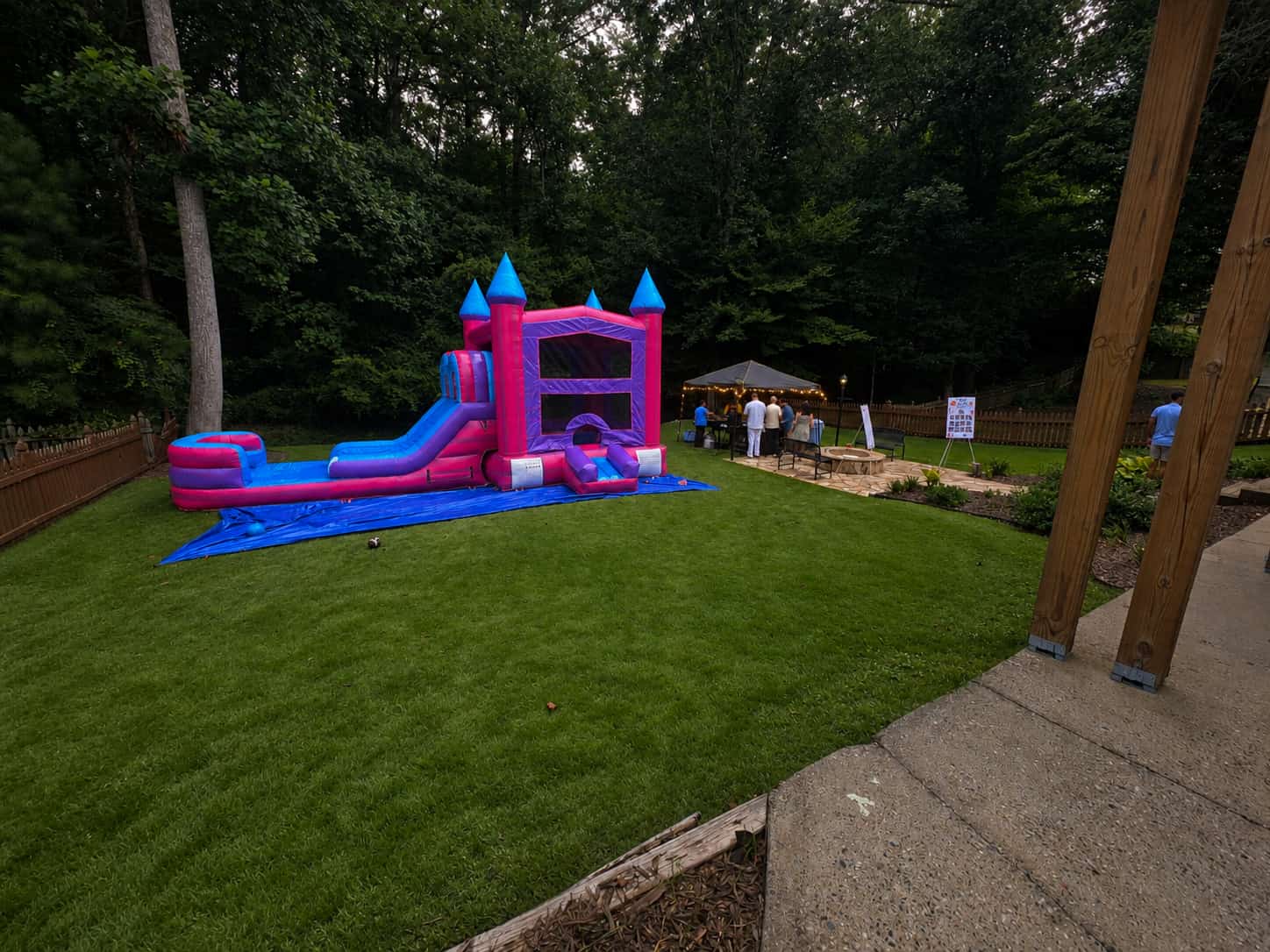
Before any drape is attached, the yard must be pre‑pped to guarantee a safe, level foundation for the 20×30 or 20×40 commercial tent we typically install around Tucker. Start by clearing debris, trimming low vegetation, and ensuring a clear 10‑foot perimeter around the tent footprint. Since Tucker’s soil can vary from sandy loam near the river to more compact clay in the interior neighborhoods, we recommend a quick site walk with the installation crew to confirm ground stability. The drive from our Pendergrass warehouse to Tucker is roughly 50 minutes, traveling north on GA‑53 and then east on Lawrenceville Highway; this timing influences when the delivery truck should arrive—ideally two hours before the planned start of décor work.
Logistics also include placement of power generators for lighting and sound, which must be positioned on a stable surface away from foot traffic. If the host’s property includes a driveway or paved parking area, we can stage the delivery there to minimize disruption. In most Tucker yards, the arrival of the tent frames coincides with the start of drape installation, so coordinating with the homeowner on a precise drop‑off time helps keep the schedule on track and prevents bottlenecks in high‑traffic weekend neighborhoods.
Guest Count and Table Layout with Draped Aesthetics
Understanding how many guests will be under the draped canopy is essential for calculating both seating and fabric coverage. For example, a 20×30 tent comfortably seats 48–60 guests at round 5‑foot tables, or up to 25 cocktail‑style guests when using high tables. If you plan a mixed layout—four 5‑foot round tables for family dining and a cocktail area with three 30‑inch Flash Furniture high tables—the drape must accommodate the elevated height of the cocktail section while still providing a unified look. Using the verified capacity tables, you can determine that a 20×30 tent with a 5‑foot pole height will need at least 30 linear feet of fabric per side to achieve a floor‑to‑ceiling effect, ensuring the drape does not sag when guests move around the space.
When you add a dance floor or a stage for live music, the drape can be lifted slightly in those zones to allow for proper lighting rigs. The additional fabric is typically cut in half‑width panels that can be tucked or gathered, preserving the clean lines that make the tent feel larger than the actual footprint. By calculating the exact number of guests and the desired table arrangement early, you can request the precise amount of fabric during the quote process, avoiding excess material and ensuring a polished finish.
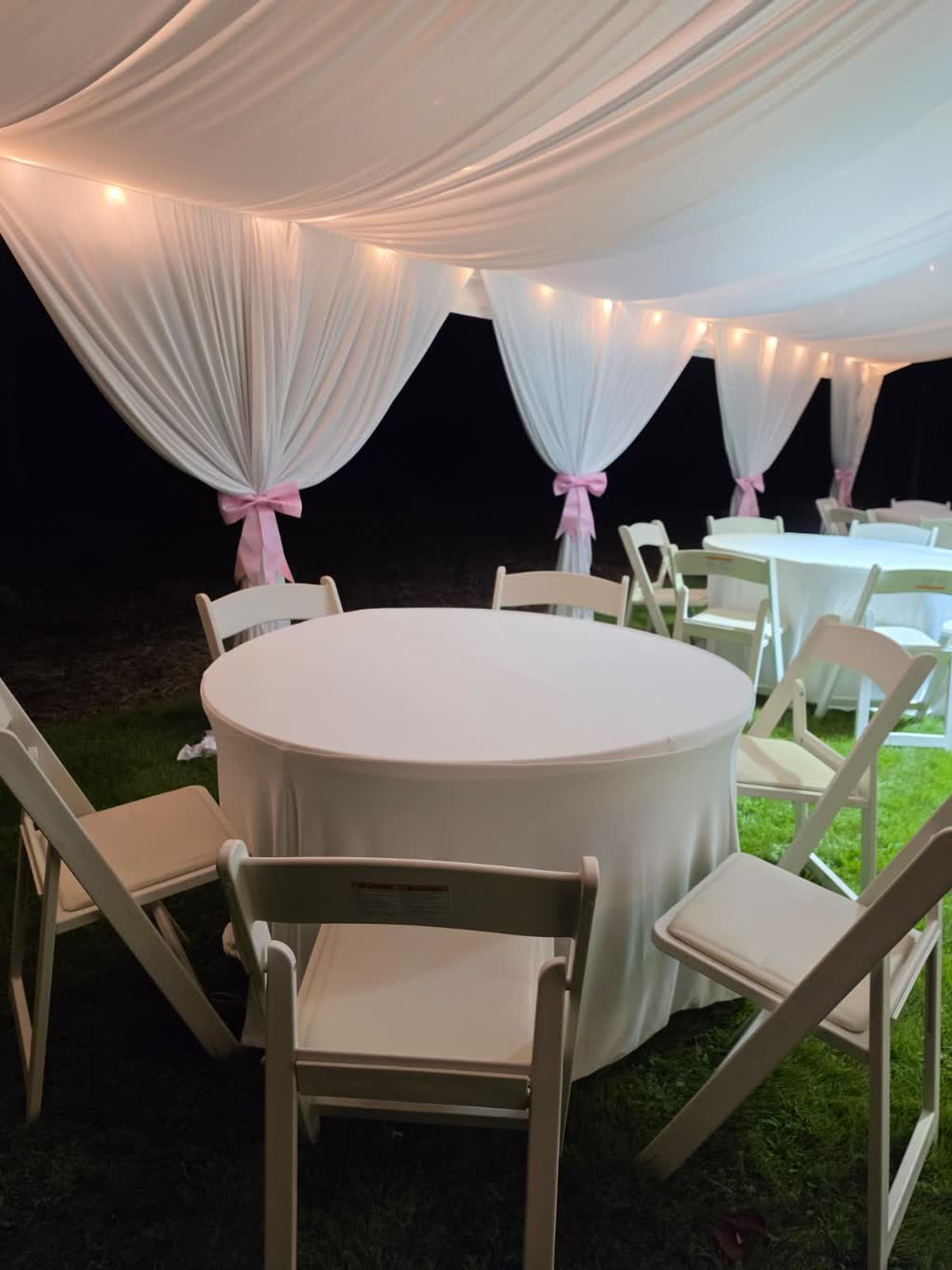
tent draping Tucker ga
In Tucker, the ambient lighting and evening temperature often call for a combination of soft fabric and strategic illumination. Selecting a lightweight polyester drape with a subtle sheen creates a luminous backdrop when paired with LED tent lighting that washes the entire interior. For a classic look, a ivory or champagne‑colored drape works well against the natural greens of suburban yards, while darker hues like navy or deep emerald can make a statement for evening receptions, especially if you plan to hang string lights or bistro lighting above the tables. The key is to match the drape color to the overall décor theme, ensuring the fabric does not clash with floral arrangements or balloon arches that will be added later.
Installation of the drape is performed by our trained crew, who attach the fabric using tension‑adjustable hooks at each pole and tie‑back cords along the edges. This method allows you to quickly raise or lower the drape if weather changes or if you decide to reveal the tent’s metal ribs for a more industrial aesthetic during the after‑party. Because the drape is removable, the same tent can serve multiple events in a single day—perhaps a daytime birthday celebration followed by an evening wedding reception—without compromising the look or safety of the structure.
Choosing Fabrics and Colors for Tucker Homes
Homeowners in Tucker often have distinct architectural styles, ranging from Craftsman bungalows along Main Street to newer ranch‑style homes near the highway. To complement these variations, we recommend fabrics that either echo the existing exterior palette or create a contrasting focal point. A light, breathable muslin drape offers a casual, airy vibe that pairs nicely with rustic wooden tables and mason‑jar centerpieces, while a satin‑finish polyester adds a touch of luxury for more formal events such as anniversaries or commitment ceremonies. The material choice also influences how the drape handles wind; heavier fabrics are less likely to ripple during breezy evenings, which is a common condition in the Tucker region during summer months.
Color selection should also consider the time of day. For morning or early afternoon events, pastel tones—soft peach, dusty rose, or pale lavender—enhance natural daylight and create a gentle backdrop for photography. For sunset or night‑time gatherings, richer shades like burgundy, midnight blue, or forest green absorb ambient light and make uplighting stand out. When in doubt, a neutral ivory or champagne base provides flexibility for later additions such as floral garlands, balloon arches, or custom signage that can be layered on top without clashing.
Timeline: From Delivery to Teardown
A typical tent‑and‑drape setup in Tucker follows a four‑hour window from arrival to completion. The delivery truck arrives at the agreed‑upon time, unloads the frame components, and begins erecting the tent within the first hour. Once the structural poles and sidewalls are securely anchored, our crew starts hanging the drape, which usually takes another hour for a 20×30 canvas. Simultaneously, tables, chairs, and linens are positioned, allowing the décor team to begin placing centerpieces and lighting fixtures while the drape is being smoothed out. By the third hour, the venue should look fully dressed, with lighting tested and sound equipment calibrated for up to 300 guests if needed.
The final hour is reserved for a walkthrough with the host to confirm placement of signage, any additional décor elements like balloon arches, and to address last‑minute adjustments. After the event, teardown follows a reverse process: lighting is turned off, drape is carefully taken down to avoid tearing, and the tent frame is disassembled and loaded onto the truck. Because Tucker traffic can be busy on weekend evenings, we schedule the departure for after 11 PM to ensure safe travel back to Pendergrass without rush‑hour delays.
Rain Plan and Contingencies for Outdoor Tucker Events
North Georgia weather can be unpredictable, so a solid rain plan is essential for any tented event in Tucker. Our commercial tents come with optional sidewalls that can be installed quickly if rain threatens. When sidewalls are added, the drape is adjusted to sit just above the wall seams, preserving the visual continuity while keeping the interior dry. In the event of a sudden downpour, the crew is trained to secure the drape tighter to prevent wind‑induced billowing. Because the drape is not a structural element, it does not affect the tent’s wind rating, but proper tensioning reduces the risk of fabric tears.
If the forecast calls for severe storms or high winds beyond safe limits, we recommend moving the event date to a later time within a reasonable window, offering the client a hassle‑free reschedule using the same venue space. The flexibility of our modular system allows us to dismantle and re‑erect the tent quickly, minimizing downtime. Additionally, we provide guidance on placing indoor backup options such as a nearby community hall—though DecoEvent ATL does not service indoor venues, we can suggest local partners if an indoor fallback becomes necessary.
Frequently asked questions
What is the typical height of a draped tent in Tucker?
A standard COBIZI tent with draping has a pole height of 12‑15 feet, providing ample clearance for lighting and décor while keeping the fabric smooth.
Can I choose my own fabric for draping?
Yes, we offer a range of polyester and muslin fabrics in various colors; a custom sample can be selected during the quote process.
How long does it take to set up a draped tent for a 50‑guest party?
Approximately three to four hours from delivery to full décor, including tent erection, drape installation, and table placement.
Do you provide lighting for draped tents?
We can add LED tent lighting or bistro strings; both integrate well with draped fabrics to create a warm, even glow.
What is the rain contingency if my event gets stormy?
Sidewalls can be installed, and the drape is tightened; if conditions become unsafe, we’ll work with you to reschedule the date.
How far is Tucker from your warehouse and how does that affect logistics?
Tucker is about a 50‑minute drive from Pendergrass; we schedule delivery early to ensure ample setup time before the event starts.