
Finding the right tent rental Commerce ga for your backyard party
When you start planning a celebration in Commerce, Jackson County, the first question that often arises is how much shelter you need to keep guests comfortable. The answer depends on the number of people you expect, the activities you have planned, and the layout of your outdoor space. By looking at the typical dimensions of a Commerce backyard—often a modest lot near Commerce City Park or along the corridors off Highway 441—you can match the tent footprint to the available area while leaving room for tables, chairs, a dance floor, and any entertainment stations you envision. This initial assessment helps you avoid over‑or under‑estimating the shelter needed, ensuring that the event flows smoothly from arrival to farewell.
Our team begins by asking for the exact guest count you anticipate, because that figure drives the math behind seating and standing capacity. For a relaxed mix of seated dining and standing mingling, a common rule is to allow about ten square feet per person for seated arrangements and a bit less for cocktail‑style flow. Once we have the headcount, we translate that into a recommended tent size range, taking into account any additional zones you might want, such as a buffet area, a lounge, or a stage for live music. This methodical approach gives you a clear starting point before we move on to measuring the physical yard itself.
Understanding your guest count and space needs
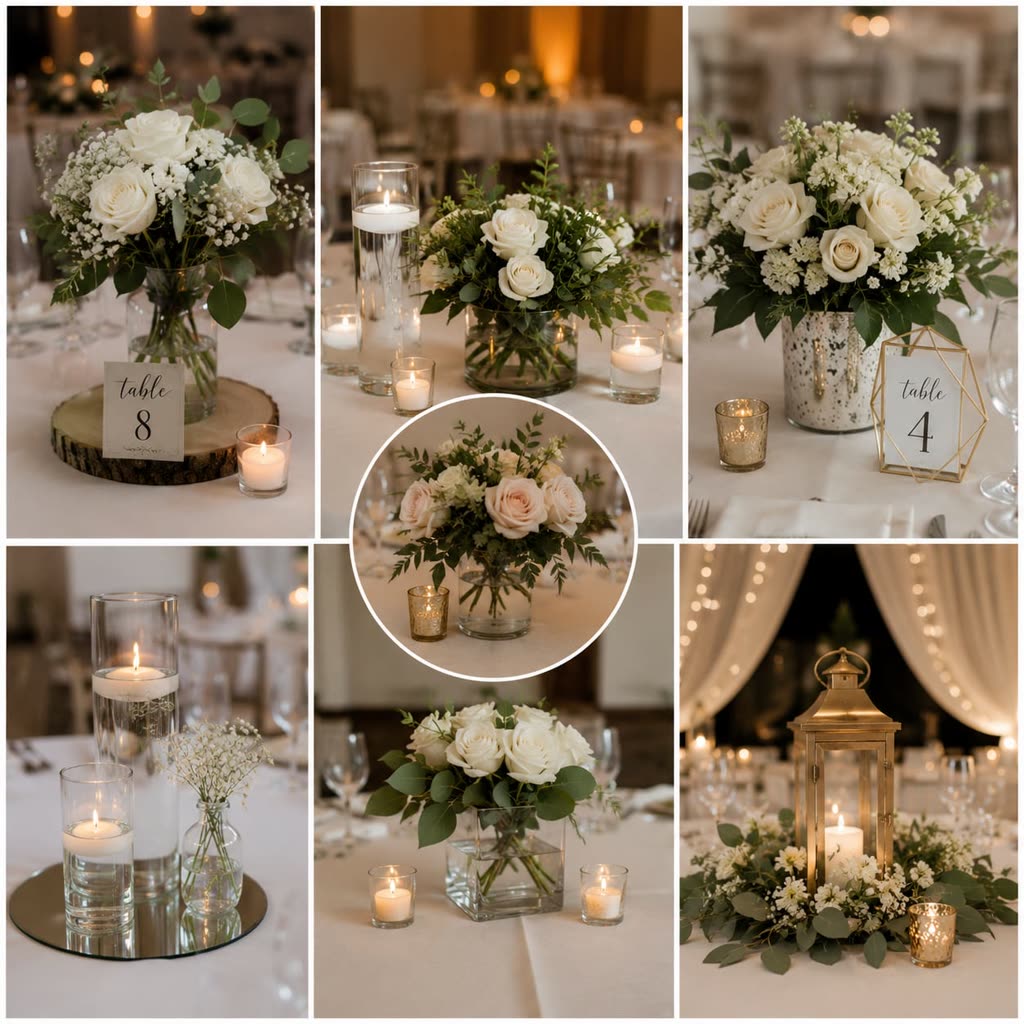
Guest count is the cornerstone of any tent size decision. If you are planning a modest gathering of thirty to forty people, a 10 × 20‑foot tent often provides enough room for a banquet‑style table setup with space for a small dance floor. For larger celebrations, such as a quinceañera or a family reunion that might draw eighty to one hundred guests, a 20 × 30‑foot tent begins to look appropriate, offering ample area for multiple tables, a buffet line, and a dedicated dance zone. When the guest list climbs toward one hundred fifty or more, the 20 × 40‑foot or even the 30 × 60‑foot options become relevant, especially if you want to incorporate lounge seating, a photo booth, or a catering station.
Beyond raw numbers, consider the type of event. A seated dinner with formal table service needs more floor space per person than a casual BBQ where guests may gravitate toward a food table and mingle. If you plan to include activities like a bounce house, a lawn game, or a live paella station, allocate extra square footage for those zones. By breaking down the event into zones—dining, dancing, entertainment, and circulation—you can arrive at a tailored tent recommendation that matches both the headcount and the functional flow of your Commerce backyard party.
Measuring your Commerce backyard
Accurate site measurement is essential before any tent is delivered. Start by walking the perimeter of the area where you intend to place the structure, noting any permanent features such as trees, garden beds, fences, or utility boxes that could obstruct poles or anchor points. Use a measuring tape or a laser distance tool to capture the length and width of the usable zone. In many Commerce lots, the backyard depth ranges from twenty to thirty feet, while the width can vary from fifteen to twenty‑five feet, especially in the neighborhoods surrounding Commerce City Park where lots are often rectangular but may have irregular corners due to landscaping.
Once you have the raw dimensions, subtract a buffer of at least two feet on each side to accommodate guy lines, anchoring stakes, and safe walkways. This buffer ensures that the tent fabric does not rub against obstacles and that installers have room to secure the structure properly. If your yard includes a slope, note the grade; our team can adjust anchoring methods to accommodate slight inclines, but steep gradients may require a different layout or additional ground preparation. By providing these precise measurements, you enable us to confirm that the selected tent will fit comfortably without compromising safety or aesthetics.
Tent size options and capacity guidance
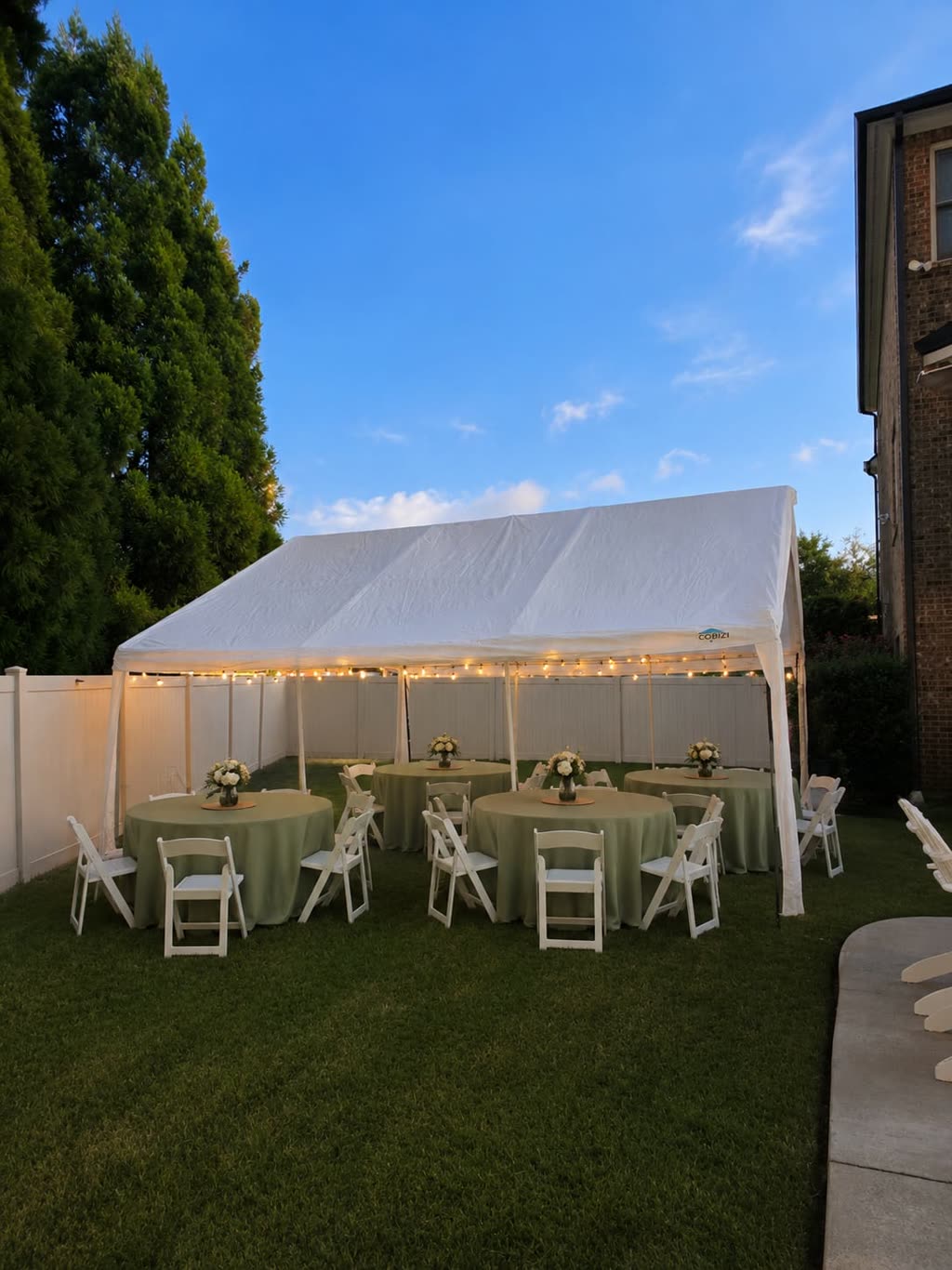
We offer a range of clear‑span canvas tents that are engineered for quick setup and reliable performance on grass or concrete. The smallest option, a 10 × 10‑foot unit, comfortably seats six to eight guests at banquet tables or accommodates eight to ten people in a cocktail arrangement. Moving up, a 10 × 20‑foot tent supports sixteen to twenty seated guests or up to twenty‑five standing guests, making it a popular choice for medium‑sized gatherings. The 20 × 20‑foot model doubles the covered area, fitting thirty‑two to forty seated guests, while the 20 × 30‑foot version expands to forty‑eight to sixty seated guests.
For larger affairs, the 20 × 40‑foot tent can host sixty‑four to eighty seated guests or up to one hundred in a cocktail layout. The flagship 30 × 60‑foot tent provides a versatile space for one hundred twenty to one hundred fifty seated guests, or up to one hundred eighty when configured for standing reception style. Each size comes with optional sidewalls, which can be added to enhance privacy or protect against wind. By matching your guest‑count calculations and activity zones to these capacity ranges, you can select a tent that feels neither cramped nor excessively spacious.
Preparing the site: grass, ground, and access
Site preparation begins with a clear, level surface. If your Commerce backyard is primarily grass, we recommend mowing the area short and removing any debris, sticks, or loose stones that could interfere with anchoring. For yards with uneven patches, a simple leveling step—such as filling low spots with sand or topsoil—helps ensure the tent fabric sits evenly, reducing stress on the poles and improving water runoff. If the ground is hard‑packed soil or compacted clay, our crew can use specialized stakes or weights to achieve a secure hold without damaging the surface.
Access for delivery and installation is another practical consideration. The truck that carries the tent framework and ancillary equipment needs a clear path from the street to the setup zone. Measure the width of your driveway or gate; a minimum of eight feet is typically required for our vehicles to maneuver safely. If there are overhead obstacles such as low‑hanging branches or power lines, please note them so we can plan the lift angle accordingly. Once the site is prepped and access confirmed, our team arrives on the scheduled date, unloads the components, and begins the anchoring process, which usually takes between one and two hours depending on the tent size and ground conditions.
Timeline: from consultation to setup and takedown
The process starts with a brief consultation where we gather the essential details: exact event address, date, start time, expected guest count, and any specific preferences for decor, lighting, or additional amenities like a bounce house or sound system. After this information is captured, we prepare an itemised overview that outlines the recommended tent size, any optional add‑ons, and the estimated labor timeline for installation and removal. This overview is shared with you promptly, typically the same business day, allowing you to review and request any adjustments.
On the day of the event, our crew arrives in the morning—often between eight and nine o’clock—to begin setup. The duration of the erection phase varies with tent size; a 10 × 20‑foot structure may be ready in under an hour, while a 30 × 60‑foot unit could take closer to two hours. Once the tent is anchored, sidewalls are attached if requested, and flooring or ground cover is laid, we move on to arranging tables, chairs, linens, and any décor you have chosen. After the celebration concludes, the takedown crew returns to disassemble the tent, pack the equipment, and restore the yard to its original condition, usually completing the process within the same timeframe as the setup.
Rain plan and weather considerations
Weather preparedness is a key part of any outdoor event plan in North Georgia. Our tents are constructed with water‑proof covers and reinforced seams, and they can be fitted with sidewalls that create a barrier against light rain or gusty winds. If the forecast shows a chance of precipitation, we recommend closing the sidewalls early in the event to keep the interior dry while still allowing ventilation through the roof vents. In cases where heavy rain or strong winds are expected, our team monitors conditions and may advise postponing the setup to a safer window, always prioritizing the safety of guests and crew.
Because we operate within a forty‑mile radius of our Pendergrass warehouse, we can respond quickly to changes in the forecast. If a sudden storm develops, we have protocols to secure the tent, lower any loose equipment, and shelter guests until conditions improve. Conversely, if the weather clears after a brief shower, we can reopen the sidewalls and resume the event without significant delay. By discussing the rain plan during the consultation phase, you gain confidence that the celebration will continue smoothly, regardless of what the sky does.
Final steps: confirming details and next actions
Before the event date is locked in, we ask you to verify the exact street address, city, state, and five‑digit ZIP code. This information allows us to confirm that the location falls within our service area and to calculate the precise travel distance from our warehouse in Pendergrass. We also reconfirm the event start time, the expected guest count, and any special requests such as a specific tent color, lighting style, or additional rentals like tables, chairs, or a sound system. Once all details are affirmed, we provide a written summary that captures the agreed‑upon scope.
The next step is to secure the date with a confirmation, after which our team begins the logistical planning—scheduling the delivery truck, assigning the installation crew, and preparing the equipment for transport. On the morning of the event, you will receive a brief check‑in message to confirm that we are en route and to answer any last‑minute questions. After the celebration, we follow up to ensure everything was taken down to your satisfaction and to gather feedback that helps us refine our service for future Commerce gatherings.
Frequently asked questions
How do I determine the number of guests my tent should accommodate?
Start with your expected headcount and allocate roughly ten square feet per person for seated dining, or slightly less for cocktail‑style flow. Add extra space for any activity zones such as a dance floor, buffet table, or entertainment stations. Our team uses this calculation to recommend a tent size that balances comfort and function.
What measurements do I need to provide about my Commerce backyard?
Provide the length and width of the area where you want the tent placed, noting any permanent features like trees, fences, or utility boxes. Include a two‑foot buffer on each side for guy lines and safe walkways. If the ground slopes, share the approximate grade so we can plan anchoring accordingly.
How long does it take to set up and takedown a tent for a party in Commerce?
Setup time depends on tent size and ground conditions; a 10 × 20‑foot unit often takes under an hour, while a 30 × 60‑foot structure may require close to two hours. Takedown typically mirrors the setup duration, and our crew works efficiently to return the yard to its original state.
What happens if rain is forecast on the day of my event?
Our tents feature waterproof covers and can be equipped with sidewalls to shield against light rain. We monitor the forecast and can adjust the setup timing if severe weather is expected. If conditions improve, we reopen the sidewalls and continue the event with minimal disruption.
Is it necessary to have a completely flat lawn for tent installation?
A relatively level surface works best, but minor slopes can be accommodated with proper anchoring and weight distribution. If your yard has noticeable unevenness, we recommend filling low spots or using leveling materials before arrival to ensure stability and even fabric tension.
Can I add extra features like lighting or a dance floor inside the tent?
Yes, we offer interior lighting options, dance floor panels, and various décor elements that can be arranged within the tent space. Discuss your preferences during the consultation so we integrate them into the layout plan and ensure all fit comfortably inside the chosen shelter.