
Introduction: Why Tent Size Matters for Your Danielsville Celebration
When planning a backyard party in Danielsville, GA, selecting the appropriate tent dimensions sets the tone for comfort and flow. A tent that is too small leaves guests cramped, while an oversized canopy can overwhelm a modest yard and create unnecessary setup challenges. By focusing on the specific layout of your property and the number of attendees you expect, you can choose a structure that enhances the celebration without dominating the space. This guide walks you through the key considerations that help you match a tent to your Danielsville venue, ensuring a smooth experience from delivery to takedown.
The phrase tent rental Danielsville ga often appears in searches by locals who want a reliable partner for outdoor events. Understanding how tent size interacts with your yard’s dimensions, local ordinances, and typical weather patterns allows you to make an informed decision. In the sections that follow, we break down guest‑count calculations, yard preparation steps, weather‑ready options, and the logistics of delivery and installation, all tailored to the Madison County area.
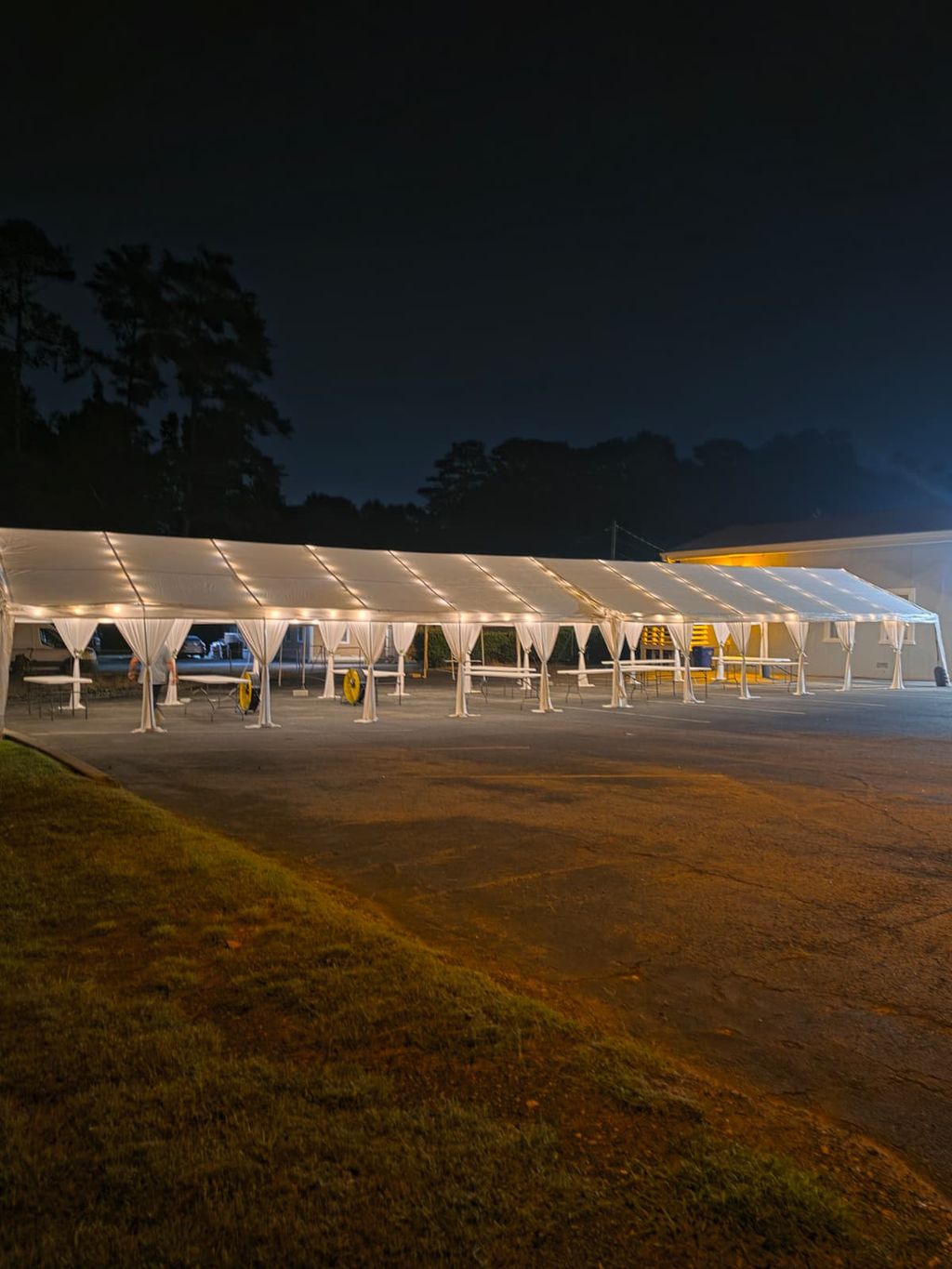
Assessing Your Backyard’s Available Space
Danielsville properties often feature generous lot sizes, with many homes situated on quarter‑acre or larger parcels that provide ample room for a party tent. Start by measuring the length and width of the area where you envision the tent, keeping in mind any existing landscaping, trees, or permanent structures that could interfere with pole placement. Subtract a buffer of at least three feet on each side to accommodate guy lines, stakes, and safe walkways around the perimeter.
Typical residential yards in Madison County range from 80 to 120 feet in depth and 60 to 100 feet in width, which comfortably accommodates tents up to 20 × 40 feet when a three‑foot clearance is maintained. If your yard includes a slope or uneven terrain, note the high and low points; a level surface simplifies anchoring and ensures the canopy sits evenly. Taking these measurements early prevents surprises on the day of delivery and helps you communicate precise needs to the service team.
Guest Count Math and Seating Arrangements
Estimating how many guests will attend is the first step in matching tent size to your event. A common rule of thumb for seated dining is to allocate about ten square feet per person when using standard banquet tables and chairs. For a cocktail‑style layout where guests stand and mingle, you can plan for roughly six to eight square feet per person. Multiply your expected headcount by the appropriate square‑footage factor to obtain the minimum floor area required.
For example, a gathering of eighty guests seated at tables would need roughly eight hundred square feet, which aligns well with a 20 × 40‑foot tent (eight hundred square feet). If you anticipate a mix of seated dining and a dance floor, consider adding an extra ten to fifteen percent to the base calculation to accommodate open space for movement. This method ensures that the tent you choose provides enough room for tables, chairs, a buffet line, and any activity zones you have planned.
Exploring Tent Styles and Structural Options
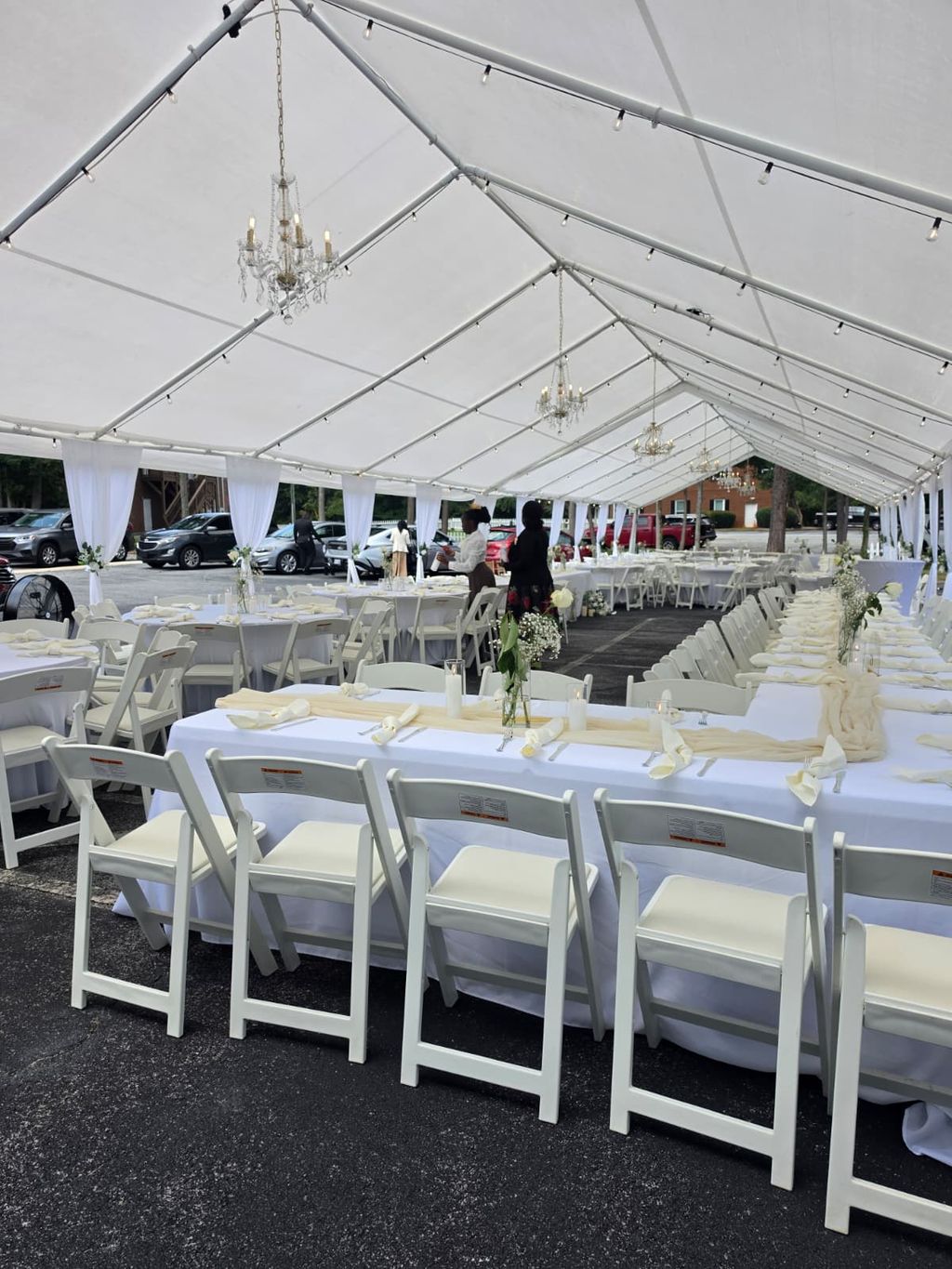
DecoEvent ATL offers a range of frame‑supported tents that are engineered for quick installation and reliable stability. The COBIZI series features galvanized steel frames, waterproof covers, and UV‑protected fabric, making them suitable for grass or concrete surfaces after a site check. Frame tents eliminate the need for central poles, providing an unobstructed interior that simplifies furniture placement and improves sightlines across the space.
Sidewalls are an optional add‑on that can be attached to any frame tent to shield against wind, light rain, or cooler evenings. They come in solid or mesh varieties and can be installed on one, two, or all four sides depending on the weather forecast and your comfort preferences. Because sidewalls add weight and affect anchoring, the installation team will assess the ground conditions and recommend the appropriate number of ground stakes or sandbags needed to keep the structure secure.
Weather Considerations and Rain Plan
North Georgia weather can shift quickly, especially during the spring and summer months when afternoon thunderstorms are common. When you reserve a tent, discuss the possibility of adding sidewalls to protect against rain gusts and to retain heat if the event extends into the evening. Mesh sidewalls allow airflow while still blocking precipitation, whereas solid vinyl sidewalls create a more sealed environment.
In addition to sidewalls, the anchoring system is critical for stability. For grass installations, the team uses heavy‑duty stakes driven deep into the soil; for concrete or paved areas, they employ weighted sandbags or specially designed base plates. A clear timeline is established so that if forecasts indicate unsafe winds, the crew can delay setup or, if necessary, reschedule the event to a later date. This proactive approach minimizes disruption and keeps guests safe.
Delivery, Setup, and Takedown Timeline
Delivery is coordinated based on the distance from our Pendergrass warehouse to your Danielsville address. The crew arrives with the tent components, hardware, and any requested accessories such as flooring, lighting, or sidewalls. Upon arrival, they conduct a brief site walk‑through to confirm measurements, locate utility outlets for blowers or lighting, and verify that the ground is prepared for anchoring.
Installation typically takes between two and four hours for a medium‑sized frame tent, depending on the complexity of the layout and the number of sidewall panels. Once the event concludes, the takedown crew removes the fabric, folds the frame, and loads all equipment onto the truck, usually completing the process within a similar timeframe. Clear communication about start and end times helps you plan other vendors, such as caterers or entertainers, around the tent schedule.
Enhancing the Space with Lighting, Décor, and Furniture
A tent provides a blank canvas that can be transformed with thoughtful lighting and decorative elements. LED tent lighting strips installed along the interior perimeter create a warm glow that is visible after sunset without overpowering the natural daylight during daytime events. Bistro strings, which are distinct from tent lighting, can be draped above tables to add a festive touch to open‑air areas.
Furniture selections such as resin folding chairs, cocktail tables, and linen‑covered banquet tables work seamlessly within the clear span of a frame tent. Because there are no central poles, you can arrange rows of chairs for a ceremony, cluster tables for a buffet, or open a central dance floor without navigating around obstructions. Coordinating these elements with the tent size ensures a balanced layout where guests can move freely between dining, entertainment, and relaxation zones.
Final Checklist and Next Steps
Before finalizing your tent choice, run through a quick checklist: confirm the exact event address, verify the guest count, note any specific layout requests (such as a separate food tent or a dance floor), and discuss weather‑contingency options like sidewalls. Having this information ready allows the sales team to produce a custom quote that reflects your unique needs without any guesswork.
To move forward, reach out via WhatsApp at (678) 815‑8774 or send an email to Info@decoeventatl.com with your full name, event address, date, start time, phone number, and guest count. The team will confirm availability, provide a detailed quote, and schedule a convenient time for a backyard measurement visit if desired. Taking these steps secures your tent rental and sets the stage for a memorable celebration in Danielsville.
Frequently asked questions
What tent size is best for 80 seated guests in Danielsville?
A 20 × 40‑foot frame tent provides approximately eight hundred square feet, which comfortably accommodates eighty guests at banquet tables with room for a buffet line and modest walkways.
How far in advance should I book a tent for a Danielsville backyard party?
It is advisable to reserve your tent at least four to six weeks before the event date, especially for weekend dates during peak season, to ensure availability of the desired size and accessories.
Can I install a tent on a sloped yard in Danielsville?
Yes, the installation team can adjust stakes and use leveling plates to accommodate moderate slopes, but a site check is required to confirm safe anchoring and proper drainage.
Do sidewalls affect the interior height of the tent?
Sidewalls attach to the lower edges of the canopy and do not reduce the peak height; they provide vertical coverage while preserving the full interior clearance for standing guests and décor.
Is electricity required for lighting or blowers inside the tent? (self-contained)
LED tent lighting and bistro strings need a standard 110 V outlet; blowers for bounce houses or water slides also require 110 V power, so confirm outlet proximity or plan for a generator.
What happens if the weather forecast shows high winds on the event day?
The crew monitors conditions and can delay setup, add extra anchoring, or, if necessary, reschedule the event to a later date to ensure guest safety and equipment integrity.