
Understanding Tent Sizes for Backyard Parties in Demorest
When you plan a celebration in Demorest, the first step is to think about how many guests will attend and what activities you want under the shelter. A clear picture of the guest list helps you match the event to a tent that offers enough room for seating, dining, and any extra features like a dance floor or a buffet table. In the campus‑area neighborhoods around Piedmont University, many homes have spacious lawns that can accommodate a range of structures, from compact canopies to large pole‑free frames. By starting with a solid headcount, you avoid the guesswork that can lead to overcrowding or wasted space.
Once you have a number in mind, consider the type of gathering you are hosting. A relaxed birthday picnic may need less floor space than a formal quinceañera that includes a seated dinner, a live music area, and a photo booth. Think about how you want guests to move: will they be seated at tables most of the time, or will there be periods of standing and mingling? By aligning the tent’s interior layout with the flow of the event, you ensure that everyone can enjoy the celebration without feeling cramped. This thoughtful approach also makes it easier to add optional items such as lighting, draping, or a welcome mirror later on.
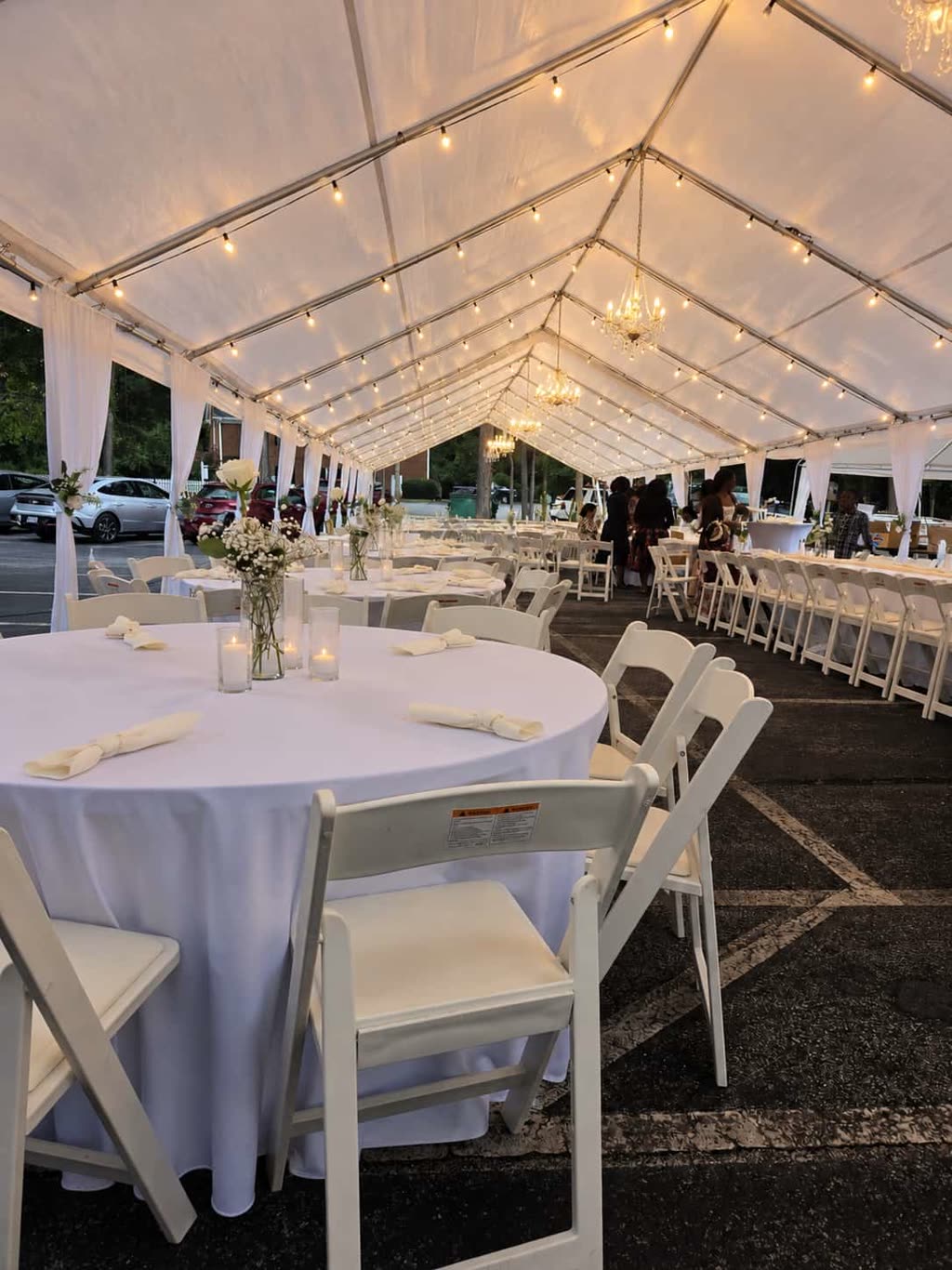
Assessing Your Guest List and Space Requirements
Start by writing down the exact number of people you expect. If you plan to use round tables, a 6‑foot round table comfortably seats ten guests, while a 5‑foot round table holds eight. Rectangular tables work differently: an 8‑foot rectangle accommodates eight to ten, and a 6‑foot rectangle fits six to eight. Multiply the table size by the quantity you need, then add a buffer for aisles, a dance floor, or a buffet line. This simple calculation gives you a baseline square footage that the tent must cover for your event.
Next, walk the lawn where you want the tent placed. Measure the length and width of the area, noting any slopes, trees, or utility lines that could affect anchor placement. In Demorest, many properties near Piedmont University have level grass that is ideal for staking, but some yards may have uneven ground that requires weight bags or sandbags. Sketch a simple rectangle on paper that matches the tent’s footprint, then verify that you have at least two feet of clearance around the edges for safe entry and exit today.
Common Tent Sizes and Their Capacities
The inventory includes several standard footprints that work well for backyard gatherings. A 10‑by‑10 foot tent fits six to eight seated guests or eight to ten standing. Moving up, a 10‑by‑20 foot shelter accommodates sixteen to twenty seated or up to twenty‑five cocktail‑style. The 20‑by‑20 foot unit holds thirty‑two to forty seated, while a 20‑by‑30 foot frame provides forty‑eight to sixty seated. A 20‑by‑40 foot tent supports sixty‑four to eighty seated, or up to one hundred cocktail‑style. Finally, the largest option, a 30‑by‑60 foot structure, can seat one hundred twenty to one hundred fifty guests, with a cocktail capacity of up to one hundred eighty.
Think about how the space will be used during the party. If you intend to serve a plated dinner, you will need enough room for tables, chairs, and clear pathways for servers. A cocktail‑style reception with high tables and open floor benefits from a larger footprint that allows guests to mingle freely. For events that include a dance floor, add an extra ten to twelve feet of length or width to the tent dimensions so that dancers have space to move without bumping into furniture. Matching the tent size to the planned activities helps keep the flow smooth and the atmosphere comfortable.
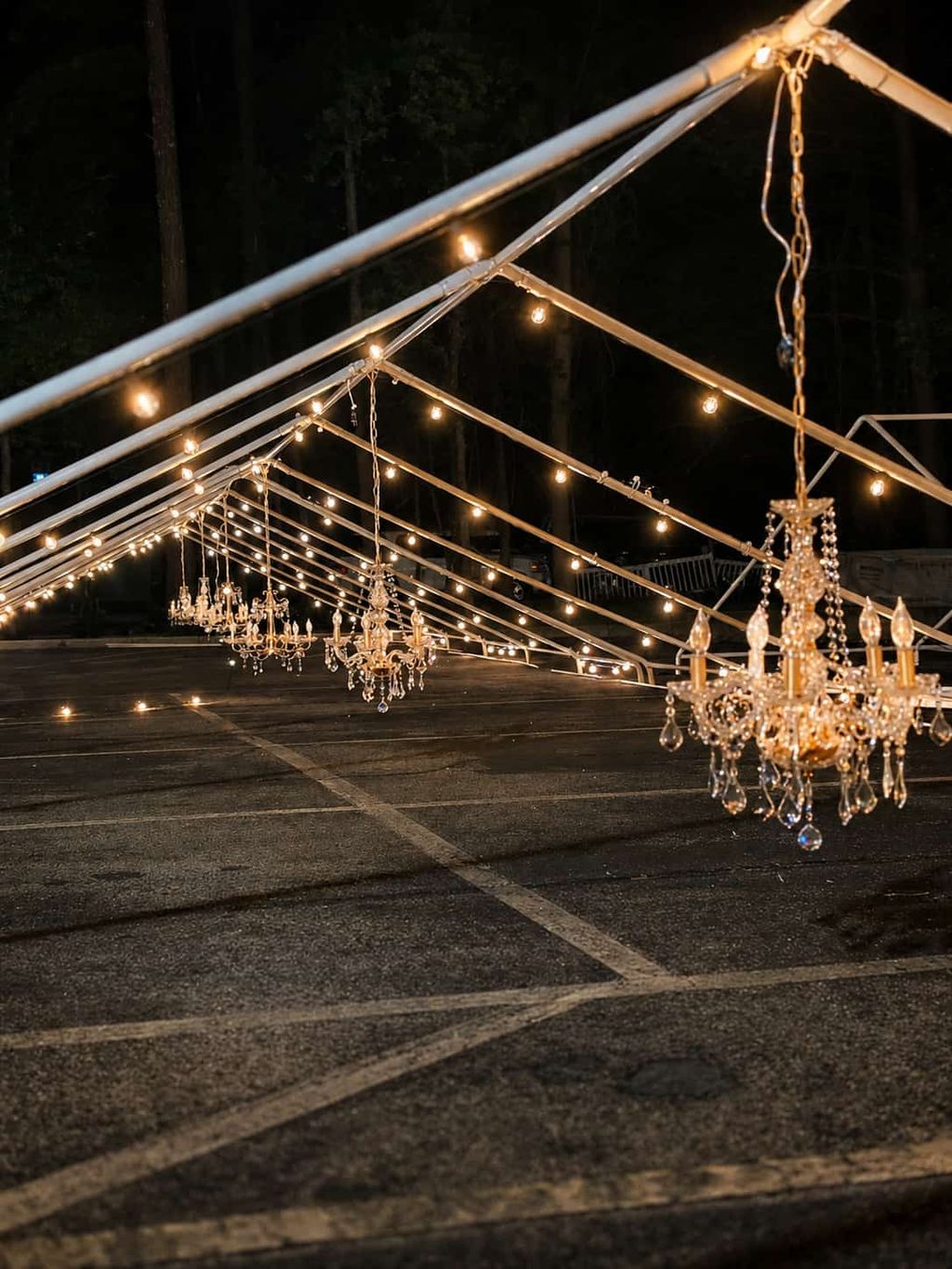
Yard Preparation and Site Checks for Demorest Properties
Before the crew arrives, walk the chosen spot and note any features that could interfere with the tent’s anchors or poles. Look for low branches, garden beds, or permanent structures like sheds and fences. In Demorest, many homes near the university have well‑maintained lawns that are mostly flat, but some properties have decorative stone pathways or raised flower beds that need to be avoided. Measure the length and width of the clear zone, then compare it to the tent’s footprint to confirm there is at least a two‑foot buffer on all sides.
The installation team uses ground stakes for grass surfaces and weighted bases for concrete or patio areas. If your yard has a sprinkler system or underground cables, mark those locations so the crew can avoid them. In most residential zones of Habersham County, no special permit is required for a temporary tent under a certain size, but it is wise to check with the city’s planning office if you plan to erect a structure larger than 400 square feet. Once the anchors are secured, the crew will raise the frame, attach the cover, and tension the ropes to ensure a stable setup.
Weather Considerations and Rain Plans for North Georgia Events
In Habersham County, late spring and summer afternoons often bring brief showers, while evenings can become cool enough to appreciate sidewalls. Adding sidewalls to the tent helps block wind and retain heat, making the space comfortable even if a light rain passes through. The sidewalls attach securely to the frame and can be closed on two or four sides, depending on the forecast and the desired level of protection. This simple upgrade transforms an open‑air shelter into a more enclosed environment without sacrificing the outdoor feel. Many clients choose to keep at least two sides closed for a balance of ventilation and shelter.
Keep an eye on the forecast in the days leading up to the event, and let the crew know if you anticipate strong winds or heavy rain. If conditions look unsafe for installation, the team can propose moving the date to a nearby weekend or shifting the start time to avoid the worst weather. Because the service operates within a 40‑mile radius of Pendergrass, rescheduling usually involves only a short drive for the crew and minimal disruption to your plans. Clear communication ensures that the tent is up when you need it and taken down when the celebration concludes.
Logistics: Delivery Distance from Pendergrass to Demorest
Demorest lies about thirty‑five minutes north of the Pendergrass warehouse, placing it well within the standard service radius. The most common route follows GA‑365 north, then merges onto US‑23 toward the town center. This drive allows the crew to leave the warehouse early in the morning, load the equipment, and arrive at your property with plenty of time to set up before guests begin to arrive. Because the distance is short, the team can also accommodate last‑minute changes to the load, such as adding extra tables or a bounce house, without affecting the overall schedule.
When planning the day, consider the time needed for the truck to navigate any local traffic, especially during school drop‑off or pickup hours near Piedmont University. The crew will confirm the exact arrival window with you the day before, so you know when to expect them at the driveway. After the event ends, the same vehicle returns to collect the tent, tables, chairs, and any other items, making the breakdown process just as straightforward as the setup. This clear communication helps avoid any confusion and ensures that your yard is left clean and ready for normal use once the crew departs.
Final Tips and Next Steps for Your Demorest Celebration
Before the big day, run through a quick checklist: verify the exact number of attendees, confirm the tent size matches your planned layout, and ensure the yard is free of obstacles that could block anchor placement. Double‑check that you have a grounded exterior outlet within reach if you intend to use a bounce house or a blower, and think about where you would like the food area positioned—either under the main tent or in a separate smaller canopy. Having these details settled in advance makes the installation smooth and lets you focus on enjoying the celebration with family and friends.
When you are ready to move forward, send a message with your full name, the exact event address including street, city, state, and ZIP code, the preferred date, and the start time. The team will review the information, confirm