
Assessing Your Mount Airy Backyard for a Tent
Begin by walking the space where you envision the event and noting its exact dimensions. Use a tape measure or pacing to determine the length and width of the usable lawn, keeping in mind any permanent fixtures such as trees, garden beds, or a swing set that could obstruct placement. In Mount Airy, many homes sit on hillside yards above Cornelia, which means the ground may have a natural slope; identifying the flattest area will help ensure the tent sits level and anchors securely. Take note of the distance from the house to the edge of the yard, as this affects how close you can place the tent while still allowing easy access for guests and any vendors.
Consider the orientation of the space relative to the sun and prevailing wind. A spot that receives afternoon shade can keep guests comfortable during warm summer afternoons, while a location that is shielded from strong gusts reduces the need for extra sidewall reinforcement. Check for any underground utilities or irrigation lines that might be impacted by stakes or weights; a quick call to the local utility locator service can prevent surprises. Finally, verify that the delivery truck from our Pendergrass warehouse, roughly a thirty‑five minute drive, can reach the site without navigating narrow gates or low‑hanging branches.
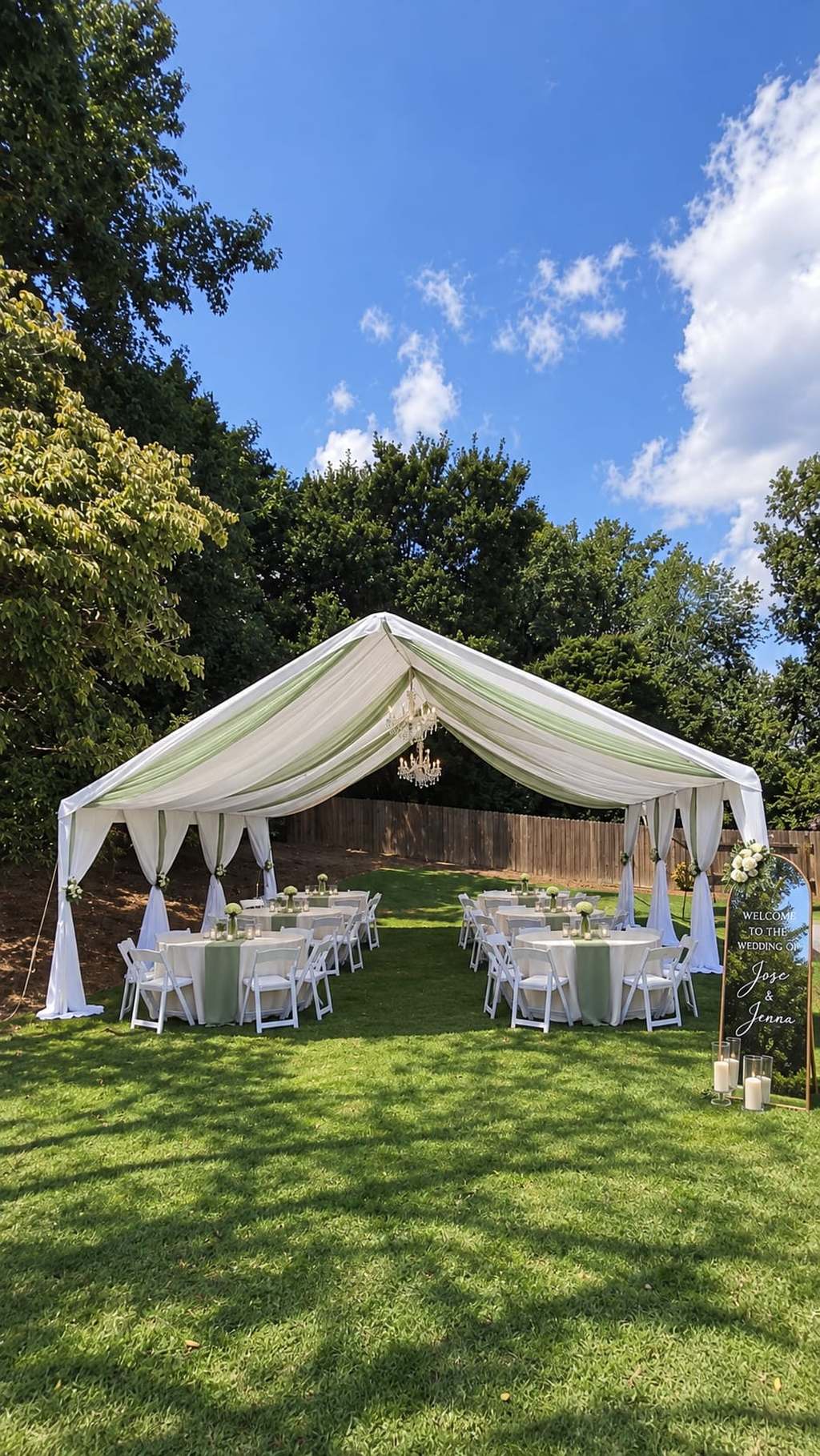
tent rental Mount Airy ga: Matching Tent Size to Guest Count
Start with a clear headcount of everyone who will attend the celebration. For a seated dinner style, plan on roughly ten guests per six‑foot round table, which translates to about sixty to eighty guests fitting comfortably under a twenty‑by‑forty foot tent. If you prefer a cocktail‑style arrangement where guests stand and mingle, the same twenty‑by‑forty tent can accommodate up to one hundred people. Remember that these numbers assume a clear interior space without large dance floors or buffet tables occupying significant floor area.
For events that include both dining and dancing, a common approach is to pair a larger tent with a smaller auxiliary tent. For example, a twenty‑by‑forty foot tent for the main dining area combined with a ten‑by‑twenty foot tent for the buffet or lounge creates distinct zones while keeping the overall footprint manageable. This two‑tent strategy works well in Mount Airy yards where space may be limited by landscaping or elevation changes, and it allows you to tailor each section to its specific function without overcrowding any single area.
Considering Layout and Additional Elements
Once you have settled on a primary tent size, map out where tables, chairs, and any specialty items will go. Sketch a simple overhead view marking the positions of the head table, guest tables, and any service stations such as a taco bar or drink station. Ensure there is at least three feet of clearance around each table to allow guests to move freely and servers to access dishes without obstruction. In Mount Airy’s hillside properties, it is especially important to place heavier items like the dance floor or a buffet table on the flatter portion of the ground to maintain stability.
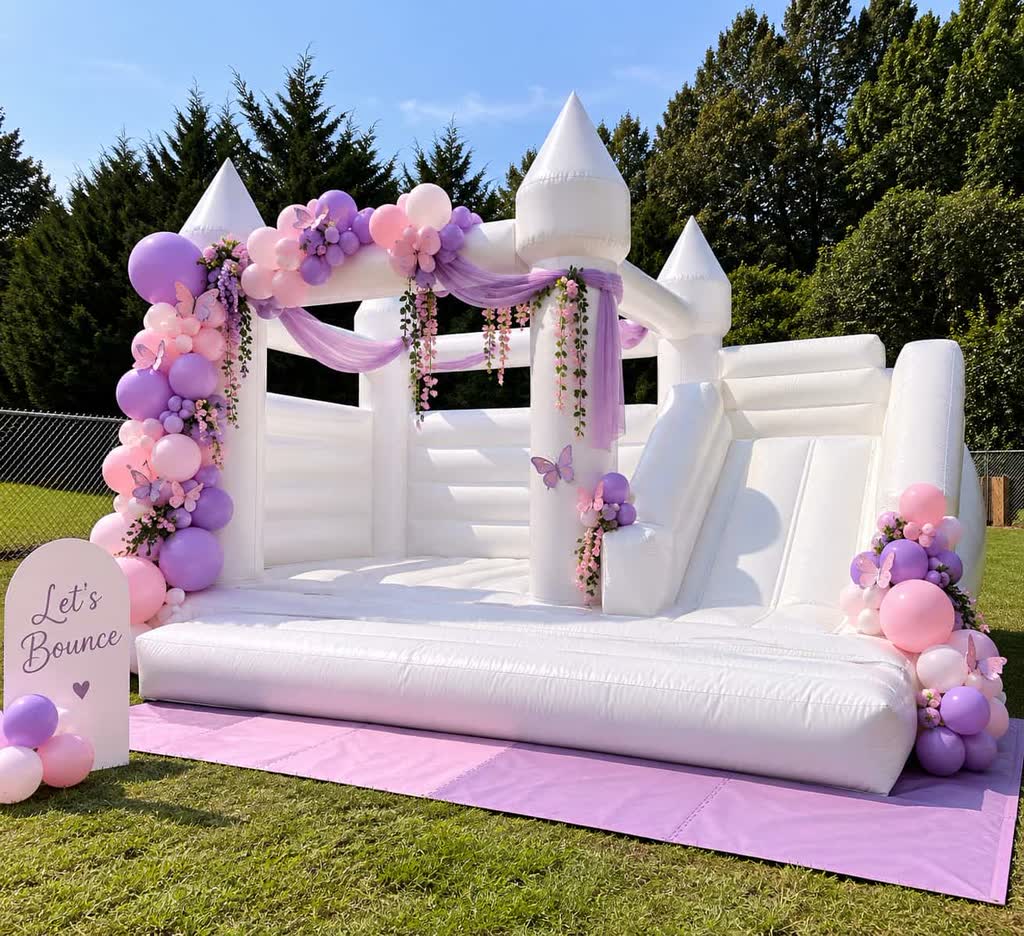
Think about auxiliary rentals that might complement the tent, such as bounce houses, lighting strings, or portable fans. A bounce house requires a clear, level lawn area with at least ten feet of open space around it for safe entry and exit, and it should never be placed directly under the tent fabric to avoid contact with the blower or stakes. Lighting strings can be draped along the perimeter of the tent or anchored to nearby trees for a warm ambience, while fans positioned near the open sides help circulate air on humid evenings. By planning each element’s footprint early, you avoid last‑minute reshuffling on the day of the event.
Yard Preparation Steps Before Installation
Two days before the scheduled delivery, walk the yard and remove any loose debris such as twigs, leaves, or children’s toys that could interfere with anchoring equipment. Trim back low branches that might snag the tent fabric or impede the installation crew’s movement. If the ground is particularly soft after recent rain, consider laying down protective ground boards or plywood sheets under the weight distribution points to prevent sinking. This step is especially relevant in Mount Airy where clay‑rich soils can retain moisture and become slick.
Confirm the location of the nearest grounded electrical outlet if you plan to use any electric accessories like blowers for bounce houses or lighting arrays. If an outlet is not within reach, discuss the option of a quiet generator with the installation team ahead of time. Ensure there is a clear path at least ten feet wide from the street or driveway to the tent site so the delivery truck can maneuver safely and the crew can unload equipment without damaging landscaping. Taking care of these details in advance streamlines the setup process and helps the crew stay on schedule.
Timeline for Setup and Takedown
On the day of the event, the installation crew typically arrives early in the morning, aiming to have the tent fully erected and anchored at least two hours before the scheduled start time. This window allows for any minor adjustments, such as tightening straps or repositioning sidewalls, and gives you time to walk through the space with the crew to confirm that everything meets your expectations. While the tent is going up, other vendors such as caterers or entertainers can begin staging their equipment in the designated areas, keeping the workflow orderly.
After the celebration concludes, the takedown process usually begins within thirty minutes of the last guest departing. The crew will first remove any loose items like decorations or linens, then carefully detach the tent fabric, fold the frame, and load everything back onto the truck. Because the crew is experienced with the specific tent models we use, the entire breakdown often takes less than an hour, leaving the yard in its original condition. Having a clear end‑time communicated to the team ensures that the site is cleared promptly and you can relax after the event.
Rain Plan and Weather Considerations for Mount Airy Events
Mount Airy’s weather can shift quickly, especially during the spring and summer months, so having a contingency strategy is essential. Sidewalls are a valuable addition; they can be zipped or fastened to the tent frame to shield the interior from wind and light rain while still allowing ventilation through screened panels. If the forecast calls for heavier precipitation, the crew can reinforce the anchoring system with additional stakes or weights to maintain stability. Discussing these options during the planning phase lets you decide in advance whether you want sidewalls installed as a standard feature or kept on standby.
Keep an eye on the local forecast in the twenty‑four hours leading up to the event and maintain open communication with the installation crew. If conditions become unsafe for installation—such as sustained high winds or lightning—the team will advise on postponing the setup to a later time slot that same day or rescheduling to an alternate date. Because we monitor weather patterns closely, we aim to provide clear guidance without leaving you guessing about whether the event can proceed as planned.
Final Checklist and Coordination with DecoEvent ATL
Before the day arrives, review a concise checklist to confirm that all essential information has been shared. This includes the full name of the primary contact, the exact street address with city, state, and ZIP code, the event date, start time, expected guest count, and a reliable phone number or WhatsApp line. Double‑check that the ZIP code matches one of the communities within our forty‑mile service radius from Pendergrass, as this ensures accurate routing and timely delivery. Providing these details early allows us to prepare the correct tent size, any requested accessories, and the appropriate crew size.
On the morning of the event, expect a brief message from our team confirming that the crew is en route and offering to answer any last‑minute questions. After the installation is complete, we will walk through the space with you to verify that the tent is positioned correctly, that sidewalls are secure if used, and that all ancillary items are in place. This collaborative approach helps ensure that your Mount Airy backyard celebration proceeds smoothly, allowing you to focus on enjoying the moment with family and friends.
[[FAQ] What size tent do I need for fifty guests in Mount Airy? :: For a seated dinner layout, a twenty‑by‑twenty foot tent comfortably fits around fifty guests when using six‑foot round tables, while a cocktail arrangement could allow up to sixty‑five guests in the same space. How far in advance should I book a tent for a Mount Airy party? :: It is advisable to reach out at least two weeks before your desired date, especially for weekend events during peak seasons, to confirm availability and secure the necessary equipment. Can I install a tent on a sloped yard in Mount Airy? :: Yes, our crew can level the tent using adjustable bases and proper anchoring, but we recommend identifying the flattest possible area to reduce the need for extensive ground preparation. Do sidewalls come standard with the tent rental? :: Sidewalls are an optional add‑on; they are not included automatically and can be selected based on your preferences for wind protection or privacy. What happens if it rains on the day of my event in Mount Airy? :: If light rain occurs, sidewalls can keep the interior dry; for heavier rain, we will assess conditions and may recommend postponing or moving the setup to a safer time. Is a generator required for lighting or bounce houses in Mount Airy? :: A generator is only needed if there is no grounded electrical outlet within reach of the setup area; otherwise, we can use existing power sources safely.