
Understanding taquiza catering for your Chestnut Mountain event
Taquiza catering brings the vibrant flavors of Mexican street food to private celebrations, offering a flexible menu that centers on freshly made tortillas, seasoned proteins, and a variety of salsas and toppings. In Chestnut Mountain, hosts appreciate the interactive nature of a taquiza station where guests can build their own tacos to match personal taste. Planning the right amount of food per guest helps avoid waste while ensuring everyone leaves satisfied. Understanding the basic components of a taquiza—meat, tortillas, garnishes, and sides—creates a foundation for calculating portions that match the size and tone of your gathering.
Chestnut Mountain sits in Hall County, approximately twenty‑four minutes by car from the DecoEvent ATL warehouse in Pendergrass, Georgia. The area is known for its rolling terrain and sloped yards that face south toward Gainesville, which can affect how tents are secured. When preparing an outdoor space for a taquiza, it is important to evaluate the grade of the lawn, identify any low spots where water might collect, and determine the best location for both the food service area and guest seating. Knowing these local characteristics early in the planning process helps the installation team choose the right anchoring method and equipment for a safe setup.
Before any details are finalized, the first step is to confirm the exact number of attendees and the desired date for the event. With a clear headcount, you can begin discussing menu preferences, such as the choice of carne asada, al pastor, chicken, or vegetarian options, and decide on complementary sides like Mexican rice, refried beans, and fresh salads. Reaching out to the service team early also allows them to verify availability within the forty‑mile radius, confirm the drive time from Pendergrass, and start preparing a customized proposal that aligns with your vision for the celebration in Chestnut Mountain.
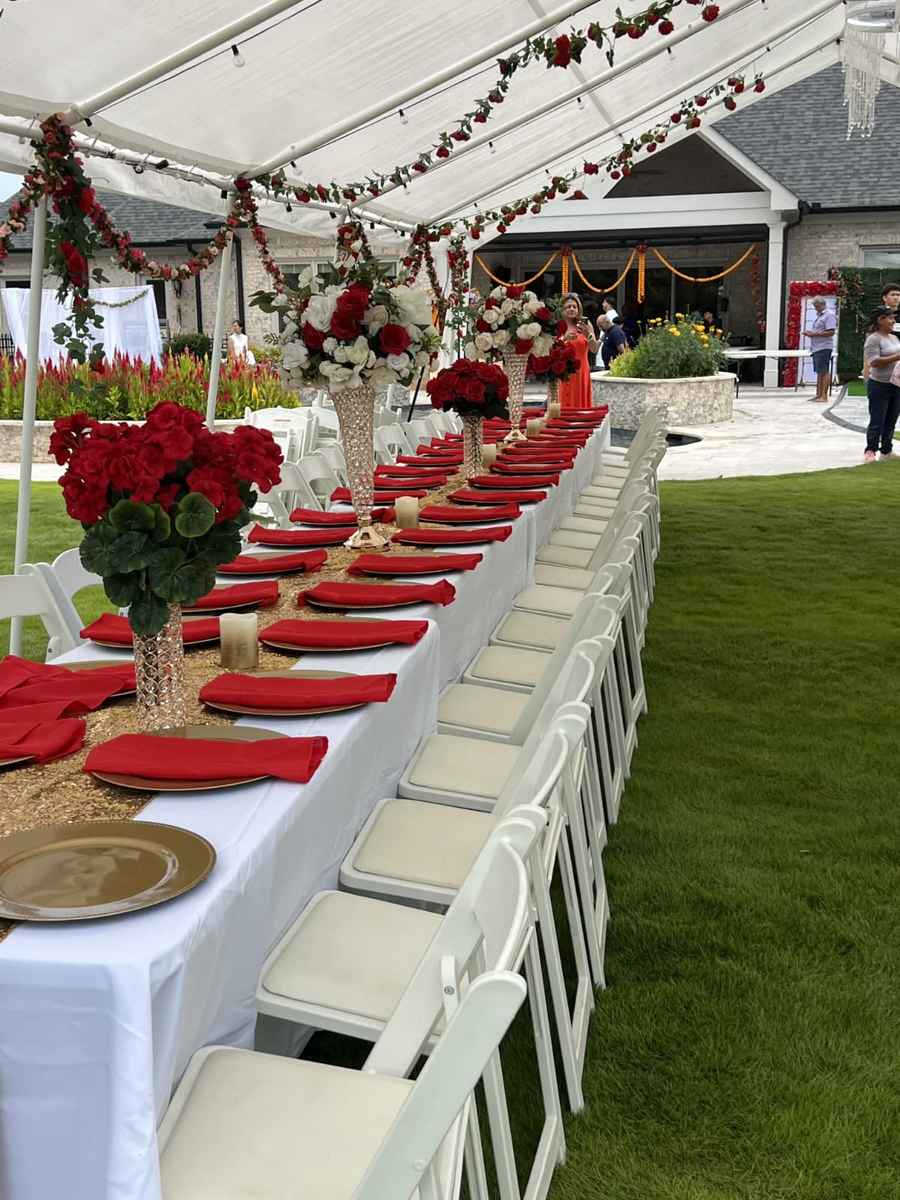
Calculating taquiza catering Chestnut Mountain ga per guest
A typical taquiza spread includes several key elements that work together to create a satisfying taco experience. Proteins are usually offered in two or three varieties, such as marinated steak, pork, and chicken, each prepared to be juicy and flavorful. Fresh corn or flour tortillas serve as the base, while a selection of salsas—ranging from mild pico de gallo to spicy habanero—adds depth. Toppings like chopped onions, cilantro, lime wedges, and shredded lettuce provide texture and brightness, and sides such as guacamole, grilled elote, and sliced radishes round out the offering.
When calculating how much food to prepare per guest, a common starting point is to plan for two tacos per person, which translates to roughly two tortillas and a total of about four to six ounces of protein distributed across the chosen meats. Each taco typically receives a teaspoon of salsa, a small pinch of onions and cilantro, and a squeeze of lime. Side portions are often estimated at a quarter cup of rice or beans per guest, with additional amounts for guacamole and chips based on the overall appetite of the crowd. Adjustments can be made for events that last several hours or for guests known to have larger appetites.
Factors such as the age mix of attendees, the timing of the event relative to other meals, and the presence of other food stations can influence the final quantities. For a family‑friendly gathering with children, you might reduce the protein per taco slightly and increase the amount of mild toppings. If the taquiza is the main course served during a dinner‑time celebration, you may lean toward the higher end of the protein range and add a second side dish. Communicating these nuances to the catering team helps them fine‑tune the prep list so that the amount of food matches the expected consumption without excess.
Yard Preparation and Site Logistics
Evaluating the yard begins with a walk‑through to note the slope, soil type, and any existing landscaping features that could affect tent placement. In Chestnut Mountain, many properties have gentle inclines that run southward, which means the lower edge of the yard may collect water after rain. Identifying these low spots allows you to choose a higher, more stable area for the tent footprint or to plan for additional drainage solutions. The team will also check for overhead obstacles such as tree branches or power lines that could interfere with the height of the tent structure.
Next, confirm that the delivery vehicle can reach the chosen location without navigating narrow gates, steep driveways, or soft ground that might become rutted. Measure the width of the access path to ensure it accommodates the truck and any equipment needed for anchoring. If the property relies on a well or septic system, verify that the tent and any auxiliary equipment will not be placed over sensitive areas. Clear communication about access points helps the crew position the truck for efficient unloading of tables, chairs, linens, and the taquiza equipment.
Once the site is cleared, the installation crew anchors the tent using weighted systems appropriate for grass or sloped terrain, which may include sandbags, steel plates, or specialized ground spikes. After the tent is secure, tables are arranged to create a logical flow: guests approach the taquiza station, move to the condiment bar, and then proceed to seating areas. Proper spacing between tables prevents congestion and allows servers to replenish toppings smoothly. The layout also considers shade and wind direction, using the tent’s sidewalls to block gusts while maintaining an open, welcoming atmosphere.
Timing and Schedule for the Day
Begin planning four to six weeks before the event by finalizing the guest list and confirming the date with the service provider. During this window, schedule a tasting or menu consultation to select the proteins, salsas, and sides that best match the theme of your celebration. Once the menu is set, confirm any rental items such as tables, chairs, linens, and lighting, and request a tentative delivery window based on the distance from Pendergrass. Keeping a shared checklist helps ensure that
Guest‑Count Math for Your Chestnut Mountain Celebration
Start with the exact headcount you confirmed during the initial consultation. Break the total into adults and children, because portion sizes differ between the two groups. For adult guests, plan for the standard protein and tortilla amounts outlined in the per‑guest calculation. For children under twelve, reduce the protein per taco by roughly one‑third and offer a milder salsa selection. Add a small buffer of five percent extra tortillas and sides to accommodate unexpected arrivals or hearty appetites. This simple spreadsheet approach lets you communicate precise numbers to the catering team, ensuring the prep list matches the expected consumption without guesswork.
Adjusting for Event Length and Style
If the celebration spans more than four hours, consider increasing the side portions by a quarter cup per guest to keep energy levels steady. For a cocktail‑style reception where guests graze, you might raise the taco count to three per person while keeping the protein per taco modest. Conversely, a formal sit‑down dinner may benefit from a plated main course alongside a smaller taquiza station for variety. Note these adjustments in your planning notes so the team can scale the prep list accordingly.
Load‑In Timeline and Day‑Of Flow
On the morning of the event, the crew arrives within the agreed delivery window and begins by unloading the tent components, anchoring equipment, and the taquiza station. First, the tent frame is erected and secured according to the soil conditions noted during the site walk‑through. Next, sidewalls and any requested lighting are attached. Once the tent is stable, tables and chairs are positioned, linens are spread, and the taquiza equipment—grill, warmers, and topping stations—is set up. A final walk‑through with the host confirms that pathways are clear, signage is visible, and the flow from food to seating feels natural. The entire load‑in typically takes between two and three hours, depending on the size of the rental package and the accessibility of the property.
Rain Plan and Weather Contingencies
DecoEvent ATL monitors the forecast in the days leading up to your Chestnut Mountain celebration. If rain is predicted, the team prepares sidewall extensions that can be quickly deployed to keep the interior dry while preserving ventilation. In the event of sustained precipitation, the crew can shift the taquiza station under a secondary pop‑up canopy positioned adjacent to the main tent, ensuring the food service remains operational. Guests are informed of any adjustments via a brief announcement or signage, and the layout is tweaked to maintain clear walkways. Should conditions become unsafe, the provider works with you to reschedule the event to the next available date within your preferred window, keeping all previously confirmed rentals intact.
Local Logistics and Access Considerations for Chestnut Mountain
Chestnut Mountain’s winding residential streets and occasional gravel drives require a quick verification of vehicle clearance before the crew departs from Pendergrass. Measure the width of any gates, the height of low‑hanging branches, and the firmness of the driveway surface after recent rain. If the access route includes a steep incline, the team may request additional ground protection mats to prevent rutting. Confirming these details early avoids delays on the day of the event and ensures that the delivery truck can park safely near the work zone without blocking neighbor traffic.
Final Checklist Before the Celebration Begins
- Confirm exact guest count and split between adults and children
- Review menu selections and confirm any dietary restrictions
- Verify delivery window and provide gate or access codes if needed
- Ensure the chosen tent site is free of obstacles and properly graded
- Check that sidewalls, lighting, and any requested draping are packed
- Test the taquiza equipment (grill temperature, warmer function) before guests arrive
- Have a rain‑plan kit (sidewalls, pop‑up canopy) readily accessible
- Designate a point of contact for the crew on site for last‑minute questions
- Schedule a brief walk‑through with the host after setup to approve layout
- Plan for post‑event breakdown timing and confirm trash removal arrangements