
Chestnut Mountain, Georgia Event Rentals Overview
Chestnut Mountain, Georgia homeowners choose DecoEvent ATL for reliable tent rentals, elegant draping, and joyful bounce houses that turn any backyard into a celebration venue with professional setup and friendly service today.
must contain keyword. Also one of the
headings must contain the keyword in Chestnut Mountain, Georgia" src="/__l5e/assets-v1/2166dd81-c1be-492c-9f12-cc69eaa60466/deco0209-09-1024.jpg" alt="Real DecoEvent ATL setup for line. So we will put title containing the keyword. First paragraph after first
must contain keyword. Also one of the
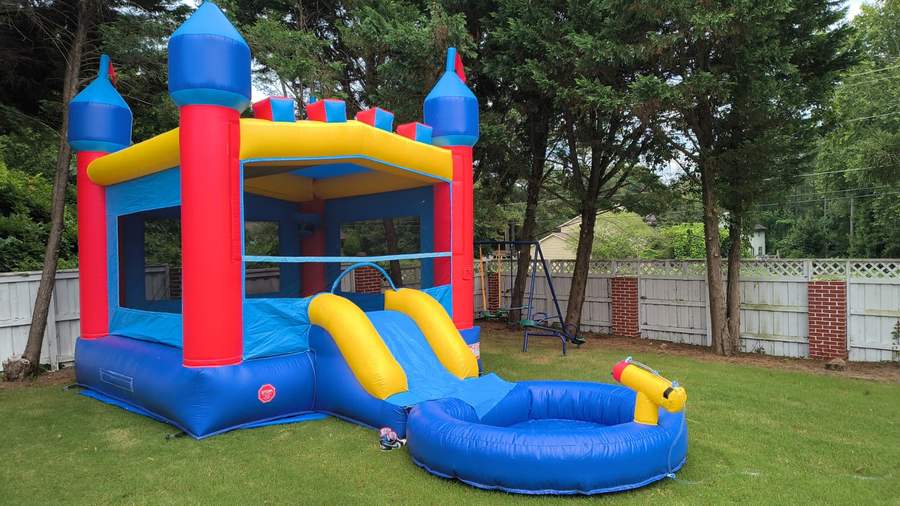
headings must contain the keyword in Chestnut Mountain, Georgia" width="1200" height="800" loading="lazy" decoding="async" />A real DecoEvent ATL install in Chestnut Mountain, Georgia.
Guest‑Count Math
Understanding how many guests your space can accommodate helps you pick the right tent size and table arrangement. A 10‑foot by 10‑foot canopy comfortably seats six to eight people for a dinner setup, while the same area can host eight to ten guests for a cocktail‑style gathering. Moving up to a 10‑by‑20‑foot tent doubles the seated capacity to sixteen to twenty, and allows up to twenty‑five guests when you opt for a standing reception layout.
A 20‑by‑20‑foot tent provides room for thirty‑two to forty seated guests, making it suitable for medium‑sized family reunions or birthday parties. If you anticipate a larger crowd, a 20‑by‑30‑foot tent seats forty‑eight to sixty guests, and a 20‑by‑40‑foot tent accommodates sixty‑four to eighty seated guests, with the possibility of reaching up to one hundred guests for a cocktail arrangement.
For the biggest celebrations, the 30‑by‑60‑foot COBIZI tent offers flexibility. Depending on the layout you choose, you can seat one hundred twenty to one hundred fifty guests for a formal dinner, or expand to one hundred eighty guests for a relaxed, standing‑only event. These figures are based on standard table configurations; adjusting table shapes or adding lounge areas can shift the numbers slightly, so it is useful to sketch a floor plan before finalizing your rental.
Yard Preparation
Before the crew arrives, a quick walk‑through of the backyard ensures a smooth installation. Begin by clearing the area of any loose items such as toys, garden tools, or furniture that could interfere with anchoring stakes or weight bags. Trim any low‑hanging branches that might brush against the tent fabric or lighting strings.
Check the ground surface for levelness. Minor slopes can be compensated with adjustable base plates, but significant unevenness may require additional shims or leveling blocks. If the soil is soft or recently watered, inform the team so they can bring the appropriate anchoring system for grass installations.
Make sure there is a clear path from the driveway or street to the setup zone. This allows the delivery truck to maneuver easily and reduces the time needed to carry equipment. If you have a gate, verify that it is wide enough for the largest tent components, typically the sidewalls and frame sections.
Finally, consider where you want the power source for lighting, sound systems, or blower units. Identify an outdoor outlet that meets the voltage requirements, or plan to use a generator if no outlet is nearby. Communicating these details ahead of time helps the crew prepare the right cables and extension cords.
Load‑In Timeline
The load‑in process is staged to keep the workflow efficient and minimize disruption to your day. First, the arrival team conducts a brief site check, confirming measurements, checking for obstacles, and verifying the anchoring plan. This usually takes ten to fifteen minutes.
Next, the tent frame is unloaded and laid out according to the pre‑marked layout. Connectors are joined, and the structure is raised incrementally. For larger tents, this step may involve multiple crew members working in sync to lift and secure each section. Expect this phase to last anywhere from thirty minutes to an hour, depending on the tent size and ground conditions.
Once the frame is upright, the cover is pulled over and fastened. Sidewalls, if ordered, are attached next, followed by the installation of any interior linings or draping. Lighting fixtures, bistro strings, or uplighting are then positioned and plugged in. This stage generally adds another twenty to forty minutes.
Finally, furniture, tables, chairs, and any specialty items such as bounce houses or food stations are placed. The crew does a final walk‑through to ensure everything is secure and aligned with your vision. The total load‑in time for a typical medium‑sized event ranges from one and a half to two and a half hours, while larger setups may require up to four hours.
Rain Plan
Weather can change quickly, and having a contingency plan protects your celebration. DecoEvent ATL provides sidewalls that zip onto the tent frame, creating a fully enclosed space when rain is forecast. These sidewalls are made from the same waterproof material as the tent roof, ensuring guests stay dry.
If the predicted precipitation is heavy or accompanied by strong winds, the team may recommend postponing the setup to a safer time slot. The company monitors local forecasts and will reach out to discuss alternatives if conditions look unfavorable for installation.
In the event of a sudden shower during the event, the sidewalls can be deployed quickly, and the interior remains comfortable thanks to the ventilation panels built into the tent design. For events that include electrical equipment, all connections are made with weather‑rated cords and Ground Fault Circuit Interrupters to maintain safety.
When rescheduling becomes necessary, the deposit‑free date‑hold policy allows you to select a new day without losing your preferred time slot, subject to availability. The crew will work with you to find the next suitable window that fits your schedule and the venue’s constraints.
Local Logistics
Operating out of Pendergrass, Georgia, DecoEvent ATL serves a forty‑mile radius that covers Chestnut Mountain and many surrounding communities. Knowing the exact distance helps the team plan the most efficient route and determine any travel considerations that may affect the schedule.
The service area includes parts of Jackson, Hall, Barrow, Gwinnett, Fulton, Walton, Cherokee, Cobb, DeKalb, Rockdale, Newton, Forsyth, Banks, Habersham, White, Lumpkin, Dawson, Oconee, Clarke, Madison, and Oglethorpe counties. When you provide your full street address, city, state, and ZIP code, the team confirms that the location falls within the covered zone and proceeds with logistics planning.
For addresses near the outer edge of the radius, the crew may allocate additional time for travel and setup, ensuring that the arrival window still meets your event start time. If a location falls beyond the forty‑mile limit, the company will advise you to discuss alternatives via WhatsApp so a human can verify the exact distance and feasibility.
All equipment is loaded onto company‑owned vehicles that are regularly maintained for safe transport. The crew secures tents, frames, and accessories with straps and padding to prevent shifting during transit. Upon arrival, items are inspected for any transport‑related wear before being placed on site.
Communication stays open throughout the process. You will receive a confirmation message with the expected arrival window, and the team will check in once they are on location to confirm any last‑minute details.
Checklist for a Stress‑Free Event
To make sure nothing is overlooked, use this simple checklist as you prepare for your celebration in Chestnut Mountain.
- Confirm the exact event address, including street, city, state, and five‑digit ZIP code.
- Provide the event date, start time, and estimated end time.
- Share the total guest count, distinguishing between seated and standing attendees if applicable.
- List any specialty items you want, such as specific tent sizes, lighting options, draping colors, bounce house models, or food stations.
- Identify power sources or let the team know if a generator will be needed.
- Clear the setup area of debris, toys, and low branches.
- Ensure a clear access path from the street to the backyard.
- Communicate any concerns about ground conditions, such as soft soil or slopes.
- Discuss rain‑plan preferences, including sidewalls or potential rescheduling.
- Confirm preferred method of receiving the final invoice and any requested details for the quote.
- Remain available for a brief site walk‑through the day before or the morning of the event for final verification.
Frequently asked questions
exactly 6 lines each "Question
Answer". No extra prose.