
When planning a summer party shade fans Chestnut Mountain ga becomes the cornerstone of comfort for guests enjoying outdoor celebrations in the foothills of Hall County. The elevated terrain around Chestnut Mountain means sloped yards that catch the sun early and hold heat into the evening, making effective shade, airflow, and hydration essential. Whether you are hosting a quinceañera, a graduation, or a family reunion, the right combination of tent coverage, high‑velocity fans, and water stations can transform a sweltering backyard into a pleasant oasis. This guide walks you through each element, from selecting the proper tent size and anchoring method for grass or concrete, to positioning fans for maximum cross‑breeze, and setting up hydration points that keep everyone refreshed. Follow these steps to ensure your event stays cool, safe, and memorable from start to finish.
Choosing the Right Tent Size and Type for Chestnut Mountain Summers
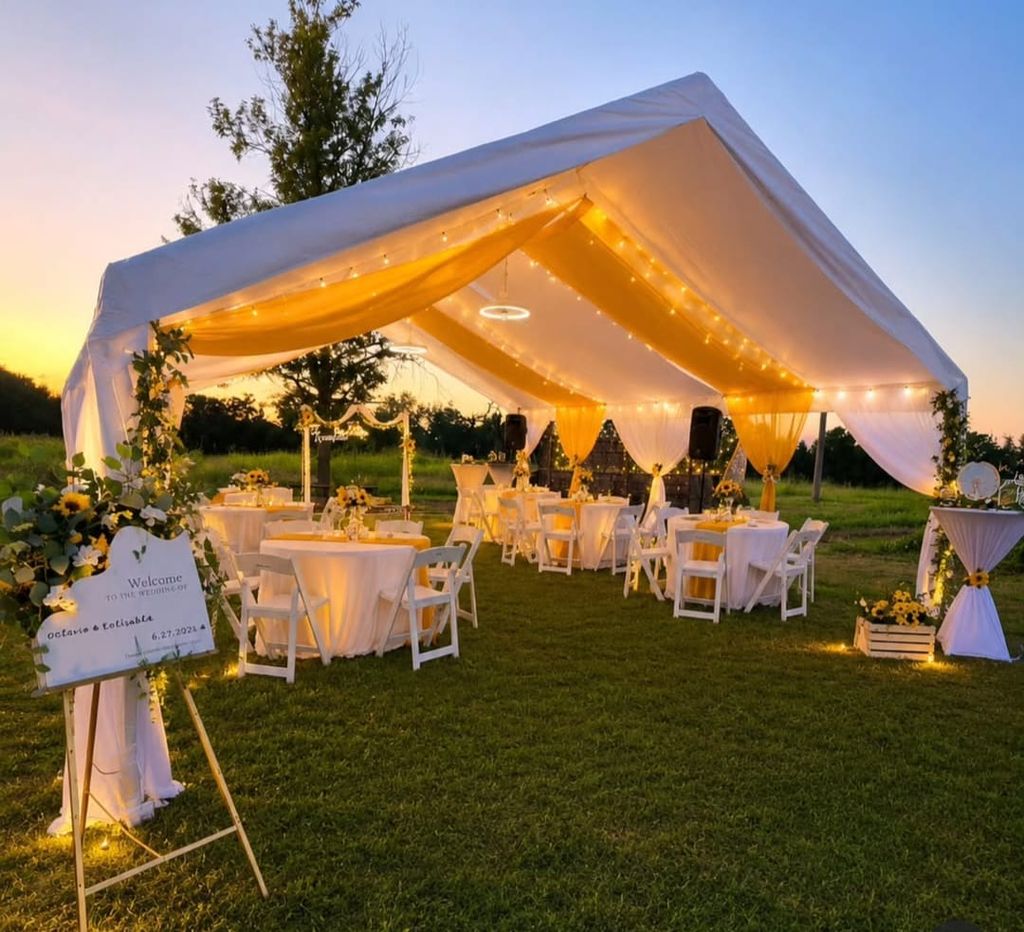
Start by calculating your guest count and the activities you plan. A 10×10 foot tent comfortably seats six to eight people or accommodates eight to ten standing guests, while a 10×20 foot tent holds sixteen to twenty seated or up to twenty‑five cocktail‑style. For larger gatherings, a 20×20 foot tent seats thirty‑two to forty, and a 20×30 foot tent fits forty‑eight to sixty seated guests. If you need a dance floor or buffet area, add an extra ten‑by‑ten foot section or opt for a 20×40 foot tent, which can hold sixty‑four to eighty seated or up to one hundred cocktail‑style. Remember that the sloped yards common in Chestnut Mountain require weighted anchoring rather than stakes, so choose a tent system that includes sandbags or water weights for secure installation on grass.
Optimizing Airflow with High‑Velocity Fans and Natural Ventilation
High‑velocity fans are essential for moving warm air out of the tent and creating a cooling breeze. A typical commercial fan delivers 1,500 CFM (cubic feet per minute) and operates on 110V power. For a 20×20 foot tent housing up to forty guests, position two fans opposite each other near the mid‑points of the longer sides to generate a cross‑breeze that sweeps the interior. If you have a larger 20×40 foot tent, add a third fan centered on one of the short ends to prevent dead zones. Keep fans at least three feet away from walls or draping to avoid obstructing the airflow, and ensure power cords are safely taped down to prevent tripping hazards.
Natural ventilation can complement mechanical fans. Orient the tent so that the prevailing breeze—usually from the southwest in summer—enters through one sidewall and exits through the opposite side. In Chestnut Mountain, the sloped terrain often channels wind downhill; placing the tent’s open side facing downhill maximizes this effect. If trees or fences block the wind, consider adding a short section of open‑air canopy or using bistro strings to create a vented gap. Schedule the most active parts of your event, such as dancing or games, for the late afternoon when temperatures begin to drop, and run fans continuously during peak heat to maintain comfort.
summer party shade fans Chestnut Mountain ga
Integrating shade, fans, and hydration creates a microclimate that keeps guests comfortable even when the sun is at its zenith. Begin by erecting the tent to provide full overhead shade, then position fans to circulate air underneath the canopy. Place water stations near the tent entrance and at opposite corners so guests can grab a drink without crowding a single point. Use insulated coolers filled with ice and water, and replenish them every hour to maintain a chilled supply. Adding a misting fan or a portable evaporative cooler near the dance floor can lower the perceived temperature by several degrees, making the space feel more inviting.
Set up the tent and fans at least two hours before guests arrive to allow the air to stabilize and the anchoring to settle. Conduct a quick wind check; if gusts exceed fifteen miles per hour, secure additional weights or postpone the setup. Have a rain plan ready: sidewalls can be zipped on quickly, and the tent’s waterproof cover will keep the interior dry. If lightning is forecast, delay the event or move activities indoors under a sturdy pavilion. After the party, turn off fans, drain any water from coolers, and leave the tent open for a few minutes to vent moisture before packing it away.
Hydration Stations: Water, Ice, and Beverage Ideas for Hot Days
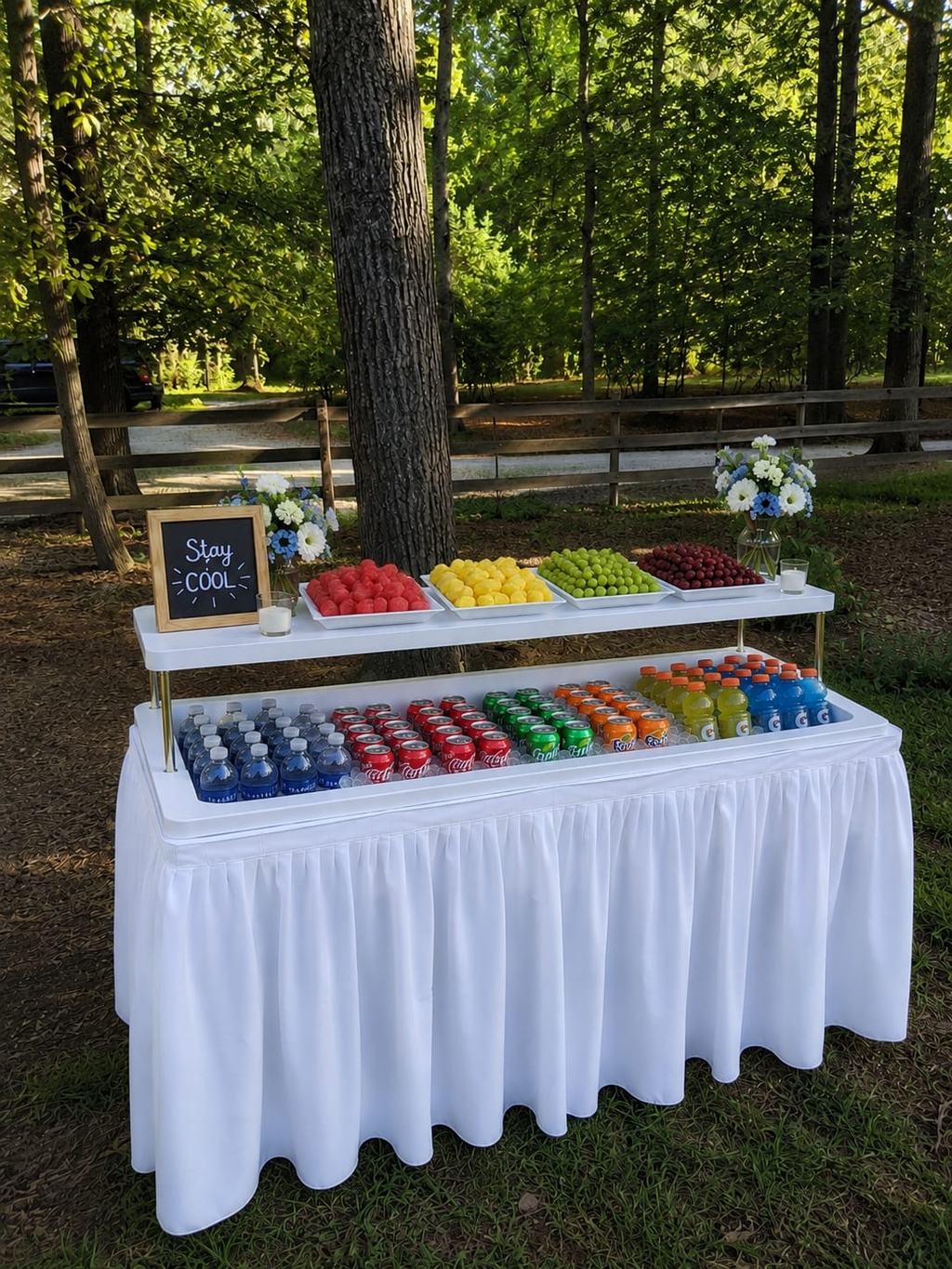
Calculate water needs based on guest count, activity level, and temperature. A good rule of thumb is one gallon of water per adult per hour of outdoor activity, and half a gallon per child. For a four‑hour event with fifty adults and twenty children, you’d need roughly 250 gallons of water—approximately twenty standard 5‑gallon cooler jugs. Stock each cooler with a mix of ice and water, aiming for a 2:1 ice‑to‑water ratio to keep drinks cold longer. Label each station clearly with signs that read “Water – Please Refill” and “Ice – Add as Needed” to guide guests and reduce congestion.
Beyond plain water, offer infused options such as cucumber‑mint, lemon‑lime, or berry‑blend water to encourage drinking. Provide a selection of non‑alcoholic beverages like iced tea, lemonade, and sparkling water in dispensers with spigots for easy self‑service. If you plan to serve alcohol, keep beer and wine in separate ice‑filled tubs and monitor consumption to avoid over‑indulgence. Use reusable plastic cups or biodegradable alternatives, and place clearly marked recycling bins next to each station to keep the site tidy and environmentally friendly.
Yard Preparation and Safety Checks Before the Party
Begin yard prep by walking the entire area and removing any debris, sticks, rocks, or loose toys that could interfere with tent anchoring or create tripping hazards. Mark the locations of underground utilities—gas, water, or electric lines—by contacting Georgia 811 at least two business days before your event; they will send a locator service free of charge. Trim any low‑hanging branches that could snag tent fabric or fan blades, and ensure the ground is relatively level where the tent will sit; if the slope is steep, consider using leveling pads or adjustable bases under the tent frame to maintain stability.
Inspect all anchoring equipment before delivery: sandbags should be intact, water weights free of leaks, and straps without fraying. Confirm that the tent’s sidewalls, if used, have functional zippers and that the fabric shows no tears or mildew. Set up a perimeter of safety cones or rope to keep guests away from the blower units for bounce houses or any electrical equipment. Keep a fully stocked first‑aid kit, a fire extinguisher rated for Class A and B fires, and a list of emergency contacts (local fire department, police, and the nearest hospital) easily accessible. Assign one adult as the safety monitor to watch for signs of heat exhaustion, especially among children and elderly guests.
Timeline: From Delivery to Takedown for a Stress‑Free Day
Delivery typically occurs between 8:00 AM and 10:00 AM on the event day, depending on traffic and distance. Our team will arrive with the tent, fans, tables, chairs, linens, and any rented décor items. After unloading, we’ll perform a site check to confirm the anchoring points, then begin erecting the frame. For a sloped yard, we first lay down weighted bases or sandbags, raise the poles, and attach the canopy. Once the tent is up, we install sidewalls if requested, position the high‑velocity fans at the predetermined spots, and run power cords to the nearest outlet or generator. Tables and chairs are then arranged according to your floor plan, linens are smoothed, and décor elements such as centerpieces, welcome mirrors, and lighting are placed.
During the event, the designated event manager (often a family member or friend) oversees guest flow, refills water stations, and monitors fan operation. If the weather changes, sidewalls can be deployed in under five minutes. After the celebration ends, we begin breakdown by removing décor, folding linens, stacking chairs, and disassembling the tent frame. All equipment is inspected for damage, cleaned if needed, and loaded back onto the truck. Final payment is processed via credit card or Zelle, and we provide a digital receipt via email and text. Our goal is to leave your Chestnut Mountain property exactly as we found it—clean, safe, and ready for the next adventure.
Local Resources and Landmarks: Making the Most of Chestnut Mountain
Chestnut Mountain sits just south of Lake Lanier and offers beautiful views of the surrounding foothills. If your guest list includes outdoor enthusiasts, consider a short pre‑event walk along the Chestnut Mountain Trail, a local favorite that winds through pine forests and provides shaded rest spots—perfect for a quick photo session or a brief warm‑up before the party starts. The nearby town of Gainesville, only a ten‑minute drive north, features the Interactive Neighborhood for Kids (INK) museum and the historic Downtown Square, useful for guests who may want to explore before or after your event.
For any last‑minute needs, several local vendors are within a short drive. The Chestnut Mountain Convenience Store on Highway 60 carries extra ice, bottled water, and snack supplies. Home‑Improvement stores such as Lowe’s in Gainesville (about fifteen minutes away) stock additional sandbags, extension cords, and portable generators should you need backup power. If you prefer to support local businesses, the family‑owned “Mountain Brew Coffee” on Main Street offers freshly brewed iced coffee and pastries that can be added to your beverage menu. Leveraging these nearby resources ensures your summer party runs smoothly while showcasing the charm of Chestnut Mountain, GA.
Frequently asked questions
How far in advance should I book the tent and fans for a Chestnut Mountain summer party?
It is best to reserve at least three weeks ahead, especially for weekend dates from spring through fall, as inventory is limited and confirmed bookings are secured on a first‑come, first‑served basis.
What size tent do I need for 50 guests with a buffet and dance floor?
A 20×30 foot tent comfortably seats 48–60 guests; add a separate 10×10 foot tent for the buffet and allow open space inside the main tent for a dance floor, adjusting layout as needed for sloped yards.
Are the fans safe to use on grass, and do they need a generator?
Yes, the high‑velocity fans operate on standard 110V power; if your yard lacks an accessible outlet, we can provide a quiet generator, and the fans are safe on grass when cords are properly secured and kept dry.
How much water should I provide per guest for a four‑hour event in hot weather?
Plan for one gallon per adult per hour and half a gallon per child per hour, meaning a 50‑guest event with mixed ages needs roughly 180–250 gallons of water total.
Can sidewalls be added after the tent is up, and how long does it take?
Absolutely; sidewalls attach with zippers or Velcro and can be deployed in under five minutes, offering quick protection from wind or rain.
What happens if wind speeds exceed safe limits during setup?
Our crew will halt erection, add extra weight or water bags, and if gusts remain above 15 mph we will postpone the setup until conditions improve to ensure safety.