
Choosing the Perfect Tent Size for Sunrise Serenity
When you’re packing a quiet, introspective space into a backyard in Jefferson, the tent’s footprint is the foundation for the whole experience. A 20×30 COBIZI frame offers 48–60 seats if you arrange the space for a single single growing pattern, fitting for a 60‑guest retreat. If you want a smaller, more intimate circle for 40 participants, a 20×20 sets up beautifully for 32–40. For a dual‑area layout that separates a quiet reflection zone from a soft groove for guided practice, a 20×30 coupled with a 10×20 keeps the groups distinct while sharing the same roofed environment.
Because sunrise is a narrow window, weight and wind are crucial. The COBIZI tents are galvanized, waterproof, and carry a UV safeguard—perfect for early light and the occasional thaw. Denver‑leg Power standards tell us they can hold moderate outdoor conditions, but 10‑20 feet of clear space next to each side is paramount for safe kick‑off of the early sunrise session. A 10×20 trailer for the warm‑up tea table can keep guests’ minds calm even as the tent stretches overhead.
Mapping the Sacred Space – Layout Basics for a Morning Gathering
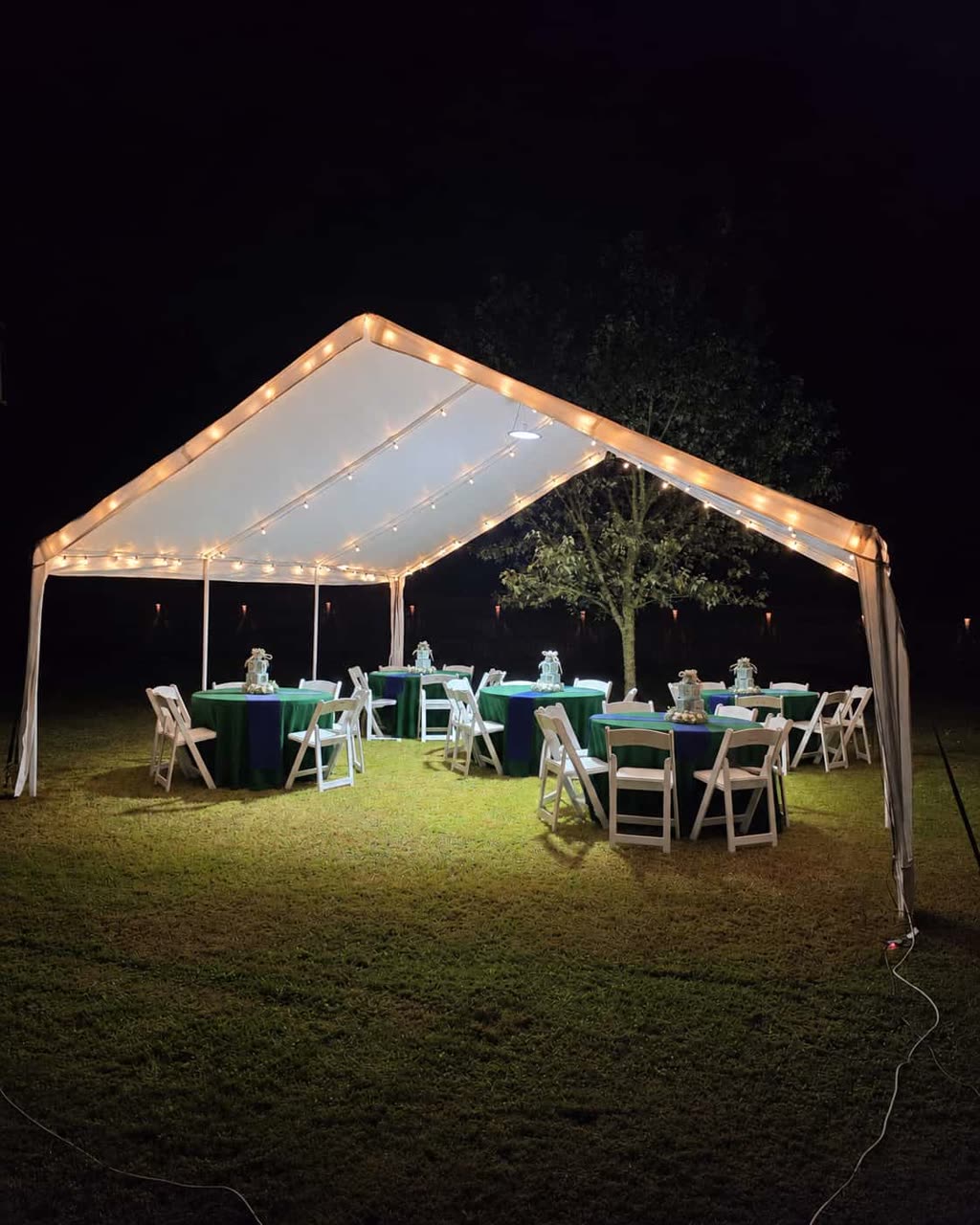
Begin by scrolling a six‑week timeline where you plot out the boot‑up window. If sunrise in Jefferson falls around 6:30 am, swing in the crew by 4:00 am to guarantee all tents, strips, and power are ready for the soft dawn. The 20×30 can feed a single ring of 20‑foot round chairs, each seat a comfortable 6‑foot round table for 10 guests aligns perfectly with the space. This “stepping stone” layout keeps ears open and feet moving but still inward toward the calm center.
Place the 10×20 tent as a support zone behind the main circle; consider a 6‑foot rectangular table that offers the 6–8 guests capacity. This will house the guided‑breath water coolers, personalized name‑tags, and a small altar for incense. The zone also gives the facilitator a quiet spot to adjust breathing or monitor the group’s pulse without sudden rush. Reserve a straight line of 8′ rectangular tables for a few 3‑spot lap seat groups, allowing those who prefer to sit a bit staggered to still feel part of it.
Seating Arrangements: Comfortable Circles for Mindful Connection
The 6‑foot round tables are best suited for the main meditation circle because each table can comfortably take 10 guests or less, which keeps everyone in gentle proximity. A cycle of eight such tables around the 20×30 creates a subtle stela of calm, enabling participants to glance at each other effortlessly. Because the tent dimensions support 48–60 guests, you can slot in one additional row of 4‑foot tables with four seats each for the quiet aromatherapy corner. After the formal breathing, a separate area for journal writing can stay open and airy, separate from the ribbon‑lit path of the main circle.
Make sure the path from the entrance to the center is no narrower than 6 feet. Using a support string— about 4 feet of pole—matches a Zen garden feel. Keep the 6‑foot rectangular tables toward the back of the 20×20 tent with a 10×20 tent behind them to create a flow that lets instructors step reference the floor while attendees remain inside the protective shade.
Light and Sound: Creating a Calm Audio-Visual Environment
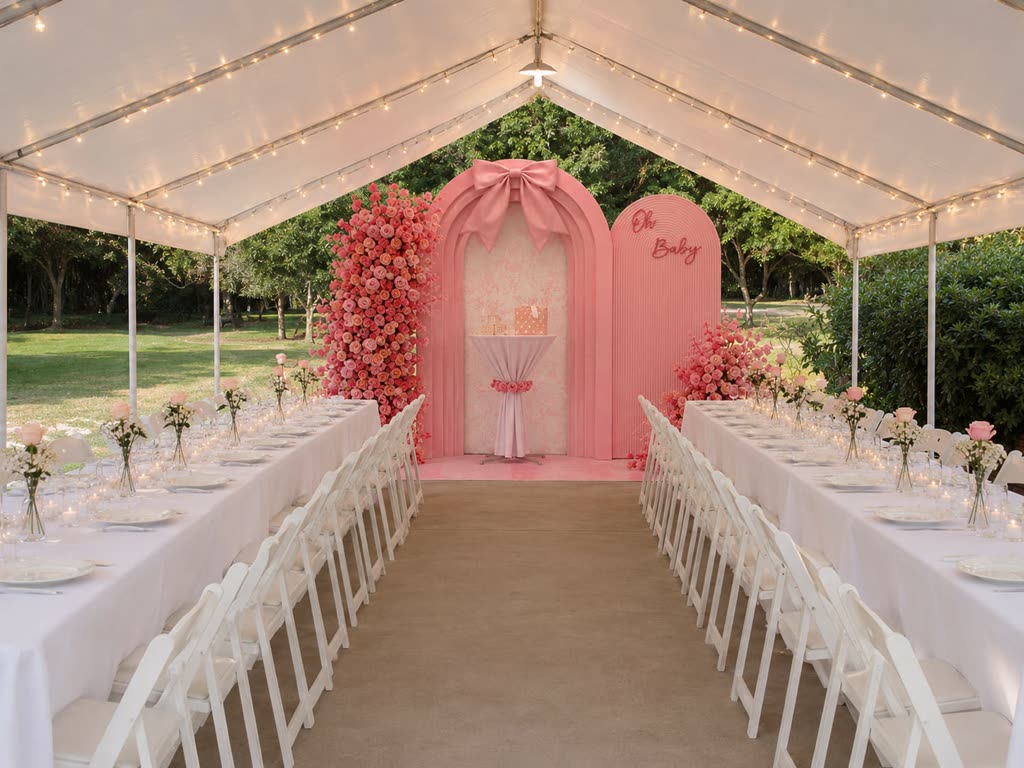
A sunrise meditation retreat thrives on intentional ambience. Deploy soft, indirect LED tent lighting within the 20×30 to wash the interior in a gentle amber glow. Behind the 20×20, place a single 30‑inch Flash Furniture cocktail table and shine warm uplighting from above; the circle of candles can melt into the canopy without overpowering the early light. Do not use the bistro strings for this specific session, as they are too bright and drift with wind; instead, hang lightweight fabric drapes for that gentle hush.
As for sound, a minimized kit powered up through our 110‑volt JOYMOR blower provides background mindfulness music. Keep the speakers in low amps— about 30 w total—avoiding the bathy hum that can invade concentration. A small single microphone can serve the facilitator for additional discourse or live guided phrases, selected to operate at just 20 watts, preventing the sound from spilling outside the tent and startling the dawn’s early birds.
Hygiene, Comfort, and Practical Logistics for a Dawn Event
Prior to the early pre‑sunrise, set up a 4‑foot rectangular tablet for time‑keeping and a sunscreen area. Because the guests arrive before sunrise, the polar variable can be slightly cold, so place small fan system — a 1~5‑amp industrial fan — to help circulate warm air when the tent heats from the morning sun. The 20×20’s counterpart screen should also hold a small station for compostable cups, mindful trash bins, or a touchpoint with a towel cooler for linens that stay fresh.
Road access matters. Jefferson backyards often have 8′ narrow driveways; a 20×30 pop‑up tent has a 5′ base footprint, so a 5′ c‑top is the minimal clearance. Reflect this requirement to the host well beforehand. Filter the footcapping to be weather‑proof— use simple vinyl or protective 2‑inch carpeting. Grease the grass or harness the basement some 2 inch ridges in the runway to secure the tent stakes. Check the local wind map; breezes at morning can reach 10 mph—just a gentle blast that can tilt the tent.
Weather, Safety, and Wind‑Proofing Your Retreat
Prepare for a gusty grace. In Jefferson, morning can carry a fairly steady wind that’s visible over the fields. The best practice is to reinforce the tent’s center line with a 3‑foot back brace or anchor the sharp corners with the 110‑V slip anchor. Such design ensures safe, tether‑secure zone while retaining the visual flexibility needed for a subtle sunrise session. Add supporting small vertical poles on the sides to draw an invisible wall against wind— this limits drooping light from the canopy and keeps attendees safe.
If an unexpected temperate cloud covers the horizon, the 20×30’s UV coat will keep light warmth. Alternatively, set up sidewalls that fold inward for a 10–15 minute closure. The 20×20 can do a “quick lock” feature that keeps the circle protected and still fills with natural light as the clouds pass. Confirm the plan each week; keep the index at the back of the clipboard for the technician hailing when the crew is arriving.
Guest-Count Math for Your Sunrise Gathering
Every configuration starts with the total number of guests you expect to host. Use the precise table capacities provided to calculate how many tables you will need and where to place them within the tents.
Calculating Seating in the Main 20×30 Tent
With each 6‑foot round table holding up to 10 guests, you can fit eight such tables around the perimeter of the 20×30 tent while still leaving enough floor space for movement. That gives a capacity of 80 guests, comfortably above the tent’s official 48–60 seat range, ensuring everyone can sit at distance, if you choose to spread them out.
Adding a 10×20 Support Tent for Snacks
A second 10×20 tent works well for a buffet or hydration station. With 6‑foot rectangular tables that seat 6–8, you can host an additional 20–32 guests in that area—perfect for a brief intermission between guided sessions.
Yard Preparation for Optimal Stability
Preparing your garden before the crew arrives guarantees the tent will fit exactly and the stakes will hold firmly. Follow these steps to create a safe, level foundation.
Clearing Obstacles and Tamping the Soil
- Remove any flower beds, lawn ornaments, or low irrigation lines that cross the tent footprint.
- Use a shovel or a riding mower to level the soil, creating a flat surface for the tent’s base.
- Compact the top layer with a hand tamper so the stakes will penetrate deeper and stay secure.
Securing the Tent Frame on Grass or Hard Surface
- For grass sites, use weighted tent stakes with metal coils to resist wind.
- On concrete or packed dirt, attach pads to the base of the frame and use a hand‑power drill for ground bolts.
- Verify the tent’s center axle lines are straight; use a carpenter’s level to double‑check before tightening all bolts.
Load‑In Timeline: From Dawn to Destiny
Setting a clear schedule for the event day keeps the crew on track and the guests relaxed. Build the timeline around the early sunrise window.
Pre‑Arrival Preparation (10 pm)
- Reconnect the crew’s Bluetooth lot scanner to the base station in the tent.
- Perform a visual inspection of the wind direction on the field.
- Set out the joystick and adjust the JOYMOR blower to 110‑volt standby mode.
First 30 Minutes (11 pm to 11:30 pm)
- Stabilize the tent’s base; drive stakes into the soil and kick‑back the gondola floor.
- Hook up the power cable and test the LED lighting mode.
- Place the 30‑inch cocktail table in the side tent; arrange flyers for the hydration station.
Rain Plan and Weather Flexibility
Unpredictable rain is a natural risk on outdoor event days. Use the following checklist to keep the retreat refreshing regardless of the forecast.
Alternate Indoor Setup
- Collaborate with the host to identify an indoor area if heavy precipitation is forecast.
- Ensure the indoor space has a floor that can accommodate a 20×30 frame for a quick relocation.
- Keep the tent’s sidewalls and cork boards in a ready‑to‑fold position for rapid transition.
Sidewall Deployment Instructions
- Fold each sidewall inward and secure it with a 3‑foot bracket at the base.
- Connect the sidewalls to the central frame with adjustable straps to resist wind.
- Check the airflow through the opening to avoid condensation on the interior.
Local Logistics: Getting the Gear Home
Coordinate every detail with the host’s driveway, neighbors, and local rules to ensure a smooth arrival and departure.
Driveway Clearance and Truck Access
- Verify that an 8‑foot driveway can accommodate a 12‑foot truck; provide a 4‑foot side clearance.
- Place a temporary plywood raft under the vehicle to protect fragile landscaping.
- Mark the tent footprint on the driveway with colored blankets.
Neighbor Etiquette and Noise Ordinances
- Notify the neighbors at least 24 hours before the event.
- Limit the sound volume to 70 decibels in the early morning to respect surrounding peace.
- Offer a contact number for the crew during the event if concerns arise.
Compliance Checklist Before Your Sunrise Event
This one‑page checklist covers all safety, permitting, and comfort items you should confirm before the sunrise.
- Venue address, city, ZIP, and county confirmed.
- Driveway clearance verified and truck size confirmed.
- Wind assessment for the day recorded.
- Backup sidewalls and extra rain cover in hand.
- All electrical cords and outlets inspected for safety.
- Has a neighbor notice been sent out yet?
- Is a small guest help station set up?
- Is the hospitality crew scheduled for arrival time?
Frequently asked questions
What is the recommended tent style for a sunrise meditation noon?
A 20×30 COBIZI tent is ideal for a calm, enclosed area that can seat 48–60 people with space for natural light.
How do I arrange the seating for a large group?
Use 6′ round tables that comfortably seat 10 guests each and line them in a circle, keeping communal space within 6′.
What can I use for a gentle light?
LED tent lighting provides a subtle amber glow that enhances sunrise mood without overpowering natural light.
Does the tent require power?
Yes; a common 110‑Volt supply for LED lights and perfusion for a small speaker system ensures all technical needs.
What are weather precautions?
Add sidewalls for wind, keep clear runway space if driveways are narrow, and prepare a 10–15 minute rain schedule.
Is there a recommended knee‑deep walkway?
Yes— a 2‑foot wide path ensures guests can enter and exit without disruption, especially in windy conditions.