
Planning an outdoor celebration in Tucker, GA? Weather can be unpredictable, especially during spring and summer, so having a solid outdoor event rain plan Tucker ga is essential to protect your guests, your décor, and your budget. This guide walks you through every step—from evaluating the backyard space on Lawrenceville Highway to selecting the appropriate tent size, calculating seating, and coordinating delivery from our Pendergrass hub. By the end, you’ll have a clear, actionable plan that keeps your party moving forward, even if clouds roll in, while ensuring the beautiful setting of the Main Street area homes remains the backdrop you envisioned.
Outdoor Event Rain Plan Tucker GA: Essentials for a Stress‑Free Celebration
First, recognize that a rain plan is not an after‑thought; it is a core component of any outdoor event blueprint. In Tucker, the summer months bring occasional thunderstorms that can develop quickly, so your strategy must include a robust tent structure, sidewalls, and a contingency timeline. Our commercial COBIZI tents are built with galvanized steel frames and waterproof covers, providing reliable protection against rain and wind up to 40 mph. Pair the tent with sidewalls that can be erected in under an hour, creating a sealed environment that maintains a dry floor, protects décor, and keeps the sound system functional for up to 300 guests.
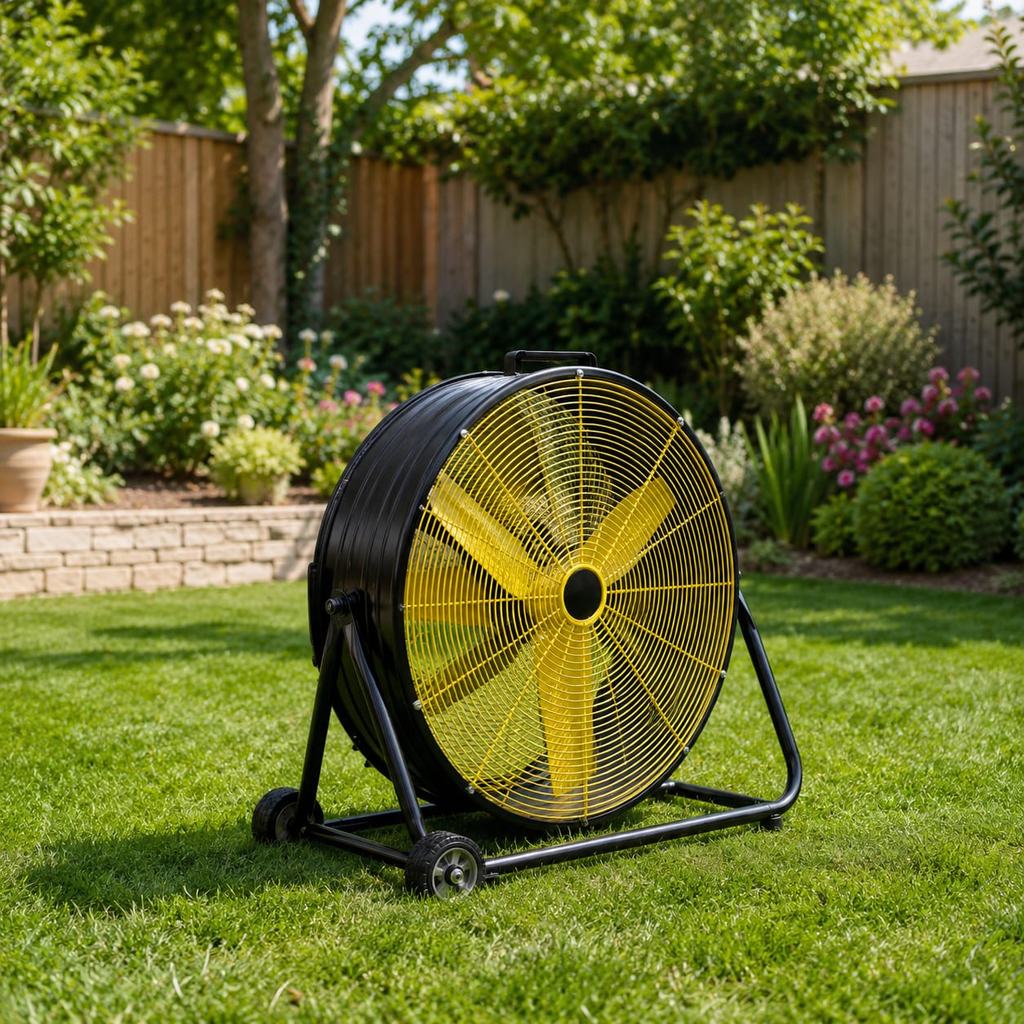
Beyond the physical shelter, your rain plan should address guest comfort and safety. Consider adding industrial fans to circulate air and reduce humidity inside the tent, and plan for lighting that works even when daylight fades. Having a clear communication channel—such as a WhatsApp group or text blast—ensures that all attendees are aware of any schedule shifts caused by weather. By integrating these elements, you turn a potential disruption into a seamless part of the celebration, preserving the ambience of your Tucker backyard while keeping everyone dry and happy.
Assessing Your Tucker Yard and Venue Layout
The first on‑site task is a thorough assessment of the yard where the event will unfold. In Tucker, many homes feature spacious lawns off the Lawrenceville Highway, but the terrain can vary from flat grass to slight slopes. Measure the usable square footage, accounting for existing trees, garden beds, and any structures that might limit tent placement. Our team recommends a minimum clearance of three feet on all sides of the tent for safe entry and egress, as well as space for sidewalls and lighting rigs. Mark the perimeter with stakes or rope to visualize the footprint and confirm that the chosen size fits without obstructing neighbor pathways.
Next, identify power sources and water access points. Most tents require a 110‑120 V outlet for lighting, sound, and any bounce houses or water slides you may include. Ensure that the outlet is on a circuit capable of handling the combined load of the tent lighting (approximately 12 A) and any additional equipment. If the location lacks an outdoor outlet, we can bring a generator, but placement must comply with local fire codes and stay clear of the tent’s sidewalls. By completing this yard audit early, you eliminate surprise obstacles on the day of the event.
Calculating Guest Capacity and Seating Options Under a Tent
Accurate guest‑count calculations are vital for selecting the right tent size and arranging tables. Let’s walk through a common scenario: an 80‑guest wedding reception in Tucker. A 20 × 30 ft tent comfortably seats 48‑60 guests for a seated dinner, but falls short for 80. To accommodate all guests while preserving space for a dance floor and buffet, you’ll likely need a 30 × 60 ft COBIZI tent, which can host 120‑150 seated guests depending on layout. This provides ample room for a 12 × 12 ft dance floor, a buffet table, and a welcome area without crowding.
Table selection follows the proven capacities: a 5 ft round table comfortably seats eight guests, while a 6 ft round table supports ten guests comfortably, with the option to push to twelve if you optimize space. For 80 guests, you might arrange ten 5 ft round tables (80 seats) spaced 6‑8 ft apart to allow movement. Add a cocktail table for a dry bar, which typically holds two to four standing guests. By mapping out these numbers on a scaled diagram, you can visualize traffic flow and ensure that the tent interior remains comfortable even if rain forces guests to stay inside longer than planned.
Choosing the Right Tent and Sidewall Combination
Our commercial COBIZI tents come in several sizes, each with specific capacities and structural considerations. For Tucker’s climate, a sidewall kit is essential; it transforms an open‑air canopy into a fully enclosed space that resists wind and rain. The 20 × 30 ft tent, when paired with four 10 ft sidewall panels, creates a sealed rectangle that can be secured with tie‑downs to the ground, ensuring stability during gusts. The larger 30 × 60 ft option requires eight sidewall panels but offers a generous interior for dancing and dining, and its taller height accommodates lighting rigs and a DJ booth without compromising clearance.
Installation time is another factor: a 20 × 30 ft tent with sidewalls can be set up by a crew of three in roughly 90 minutes, while the 30 × 60 ft tent may take up to two hours with a four‑person team. If your event start time is tight, schedule delivery at least three hours before the ceremony to allow for unforeseen delays. Our experienced crew conducts a site walk‑through beforehand to confirm ground conditions and identify any obstacles that could affect anchoring, guaranteeing a safe and swift erection even when the forecast calls for rain.
Timeline: From Delivery to Breakdown on a Rainy Day
Developing a detailed timeline protects your event from weather‑related setbacks. On the day of an outdoor event in Tucker, aim for delivery of the tent and sidewalls at least three hours prior to the start time. This allows the crew to level the ground, stake the tent, hoist the sidewalls, and install lighting. While the tent is being erected, the catering team can set up tables, chairs, and the buffet station beneath the shelter, ensuring food preparation continues uninterrupted. If rain is imminent, the crew can prioritize sealing the sidewalls and securing the roof first, then move on to décor and furniture placement.
Breakdown follows the reverse order: once the event concludes, the team removes décor, lifts the sidewalls, and then dismantles the tent. With a rain forecast for the evening, schedule breakdown for the following morning to avoid working in wet conditions, which can be slippery and hazardous. Communicate the adjusted timeline to vendors so that the sound system, lighting, and any bounce houses are safely powered down and stored. By adhering to this structured schedule, you minimize exposure to rain and keep the event experience high‑quality from start to finish.
Logistics: Driving from Pendergrass to Tucker and On‑Site Setup
Our warehouse in Pendergrass, GA is located roughly 45 miles, or about a 50‑minute drive, from Tucker. The most direct route follows GA‑20 W to GA‑400 N, then connects to the I‑285 E loop before exiting onto Lawrenceville Highway (US‑29). In the event of rain, traffic can be slower, so we recommend adding a 15‑minute buffer to the estimated travel time. Our delivery trucks are equipped with GPS and real‑time weather alerts, allowing the driver to reroute if severe storms develop along the corridor.
Upon arrival at the Tucker address—please provide the exact street, city (Tucker), state (GA), and ZIP (30084) so our crew can confirm the county (DeKalb) and plan the most efficient unloading spot. We typically position the truck near the driveway, using the rear ramp to bring the tent components directly to the prepared site. The crew then unloads and begins assembly, with each step documented in a checklist to ensure no component is missed, even if wet conditions demand extra caution. This logistical plan keeps the setup smooth and reduces the risk of rain‑related delays.
Backup Activities and Entertainment When the Weather Turns
Even with a sealed tent, it’s wise to have indoor or low‑impact activities ready in case heavy rain makes the exterior area unusable. Consider setting up a dedicated lounge area inside the tent with comfortable seating, soft lighting, and a playlist of background music that can continue during the downpour. If you have booked a bounce house or water slide, plan an alternate entertainment option such as a karaoke set‑up, a photo booth, or a live streamer for a virtual guest book. These alternatives require minimal power and can be accommodated within the same tent footprint without crowding the main dining area.
Additionally, think about a rain‑friendly food service plan. Our Taquiza catering can be arranged on a raised buffet table inside the tent, keeping the food protected from moisture. If the rain is severe enough to affect electricity, have battery‑operated uplighting and a portable generator on standby. By preparing these backup elements, you transform a rainy surprise into a memorable, cozy experience that guests will appreciate for its thoughtful execution.
Communicating the Weather Plan to Guests and Vendors
Clear communication eliminates anxiety and ensures everyone knows what to expect. Send a pre‑event email or message through your event app that outlines the rain plan, specifying the tent location, sidewall setup, and any schedule adjustments. Include a simple map of the Tucker yard showing the tent entrance, restrooms, and designated parking. Invite guests to bring a light jacket in case the interior temperature drops due to rain, and remind them that the venue remains outdoors but fully sheltered.
Coordinate with vendors—caterers, DJ, décor team—by sharing the timeline and confirming that they have access to power outlets and a safe area for their equipment. Provide the vendor contact list to your event coordinator so they can relay any last‑minute changes directly. By maintaining an open line of communication, you foster confidence among guests and vendors, making the transition from sunshine to rain smooth and stress‑free.
Frequently asked questions
What size tent is best for 80 guests in Tucker?
A 30 × 60 ft tent provides ample space for 80 seated guests, a dance floor, and buffet tables, while a 20 × 30 ft tent may be tight unless you reduce tables.
How long does it take to set up a tent with sidewalls?
A 20 × 30 ft tent with four sidewall panels can be erected in roughly 90 minutes by a three‑person crew; larger tents take up to two hours.
Do you provide power for lighting and sound?
Yes, we bring extension cords and can connect to an existing 110‑120 V outlet, or supply a generator if the site lacks sufficient power.
Can the tent be moved if the rain becomes severe?
If conditions become unsafe, we can relocate the event to a nearby indoor venue, but this requires a pre‑approved backup location and may affect logistics.
What sidewalls are needed for a waterproof setup?
For full protection, install sidewall panels on all four sides of the tent; the number of panels depends on tent dimensions (e.g., four 10‑ft panels for a 20 × 30 ft tent).
How should I inform guests about the rain plan?
Send an email or event app message with a brief overview, a yard map showing the tent location, and any dress‑code suggestions for cooler, indoor‑like conditions.