
Why a Bounce House Isn’t Just a One‑Size‑Fits‑All Deal
When we roll up to a backyard in Gainesville, the first thing we do is look past the bright colors and start asking the right questions. The crew that sets up every inflatable knows that the price tag on a bounce house is really a reflection of how many variables we have to balance. From the age of the kids to the slope of the lawn, each factor nudges the setup in a different direction. That’s why we always start with a conversation, not a quote, because the conversation reveals the true scope of the job.
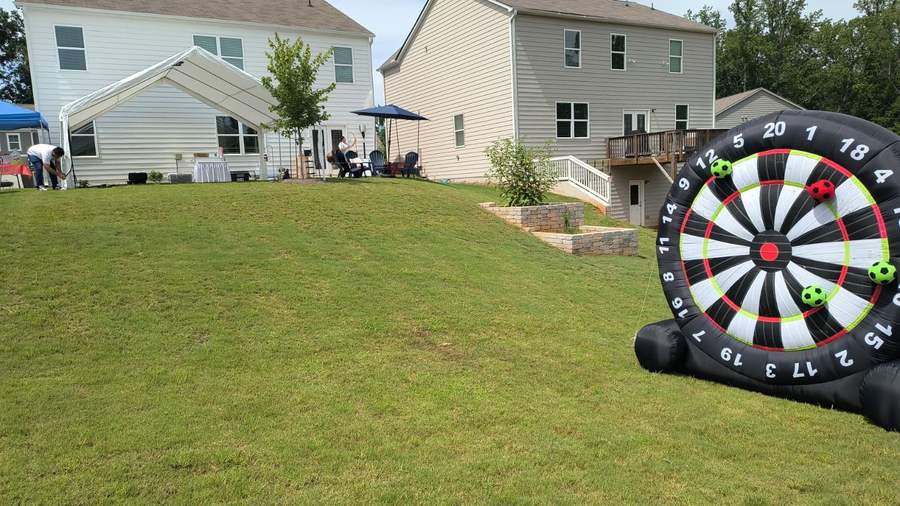
Guest Ages and Count: The Core of the Calculation
The most obvious driver of cost is who’s going to be jumping. A party with toddlers under five needs a different kind of inflatable than a gathering of teens who want a high‑energy obstacle course. Age limits dictate the size, safety features, and even the type of flooring we recommend. A larger crowd means more space, more anchoring points, and often a larger power supply. We also factor in the ratio of adults to children because adults usually need a separate lounge area, which can affect the overall layout and the amount of equipment we bring.
When we hear a guest list, we immediately start mapping out the square footage each jumper will need. A rule of thumb we use is one square foot of bounce surface per child, plus extra room for safe entry and exit. That calculation helps us decide whether a single unit will suffice or if we need to combine a bounce house with a slide or a small obstacle course.
Yard Size, Slope, and Surface: The Ground Game
Every backyard is a little different, and the ground we set up on determines a lot of the logistics. A flat, well‑maintained lawn is the ideal canvas, but we often encounter slopes, uneven terrain, or hard surfaces like driveways and concrete patios. We measure the usable area and check for any incline that could affect the inflatable’s stability. Even a gentle slope of a few degrees can require additional anchoring, which adds time and equipment.
If the surface is grass, we typically lay down a protective tarp to keep the ground dry and to prevent the inflatable’s base from digging into the soil. On a driveway, we must ensure the surface can support the weight of the unit without cracking, and we often add a layer of padding to protect both the inflatable and the concrete. Turf or artificial grass behaves differently, so we adjust our footing strategy accordingly.
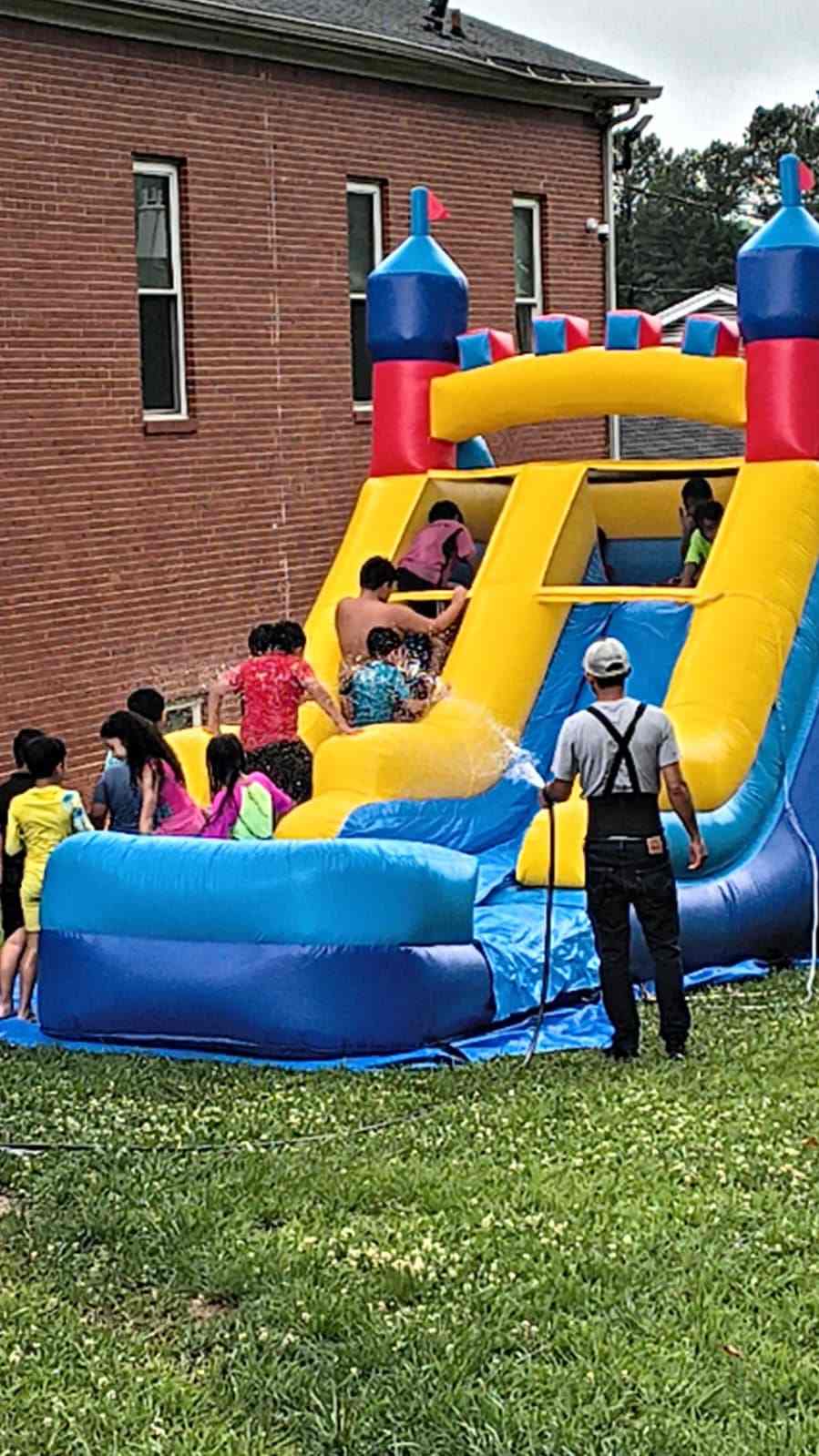
Power Supply and Anchoring: Keeping the Fun Plugged In
Inflatables run on electricity, and the power source can be a hidden cost driver. We always ask the host whether there is a dedicated outdoor outlet within a reasonable distance. If the nearest outlet is far, we have to bring extension cords that meet safety standards, and we may need a generator. The length of the cord, the voltage, and the amperage all factor into the setup plan.
Anchoring is another piece of the puzzle that varies with yard conditions. On firm ground, we use weighted sandbags or water‑filled ballast. On softer soil, we drive stakes deep enough to hold the inflatable steady against wind. The number of anchors required is directly tied to the size of the unit and the wind rating of the day. More anchors mean more labor and more equipment, which influences the final cost.
Shade, Heat, and Comfort: The Weather‑Sensitive Variables
North Georgia summers can be scorching, and an inflatable left in direct sunlight can become uncomfortably hot. We always assess whether there is natural shade from trees or a patio roof. If not, we discuss the option of a portable shade canopy, which adds a layer of protection for both the equipment and the guests. The size of the canopy is based on the footprint of the inflatable plus a safety buffer.
Heat also affects the blower’s performance. On very hot days, the blower may need to run at a higher speed to keep the inflatable fully inflated, which can increase fuel consumption if we’re using a generator. We factor this into our planning, because it can affect both the setup time and the overall resource usage.
Supervision and Safety: The Human Element
Even the best‑maintained inflatable is only as safe as the supervision around it. We always ask the host who will be monitoring the bounce house during the event. If professional supervision is needed, we coordinate with local safety specialists, which adds a staffing component to the quote. We also review the layout to ensure there’s enough clearance around the unit for safe entry and exit, and we mark any potential hazards like low‑hanging branches or nearby pools.
Our crew runs a quick safety checklist on site: checking the blower pressure, inspecting the seams, confirming that all anchoring points are secure, and testing the emergency shut‑off. This thoroughness is part of why the cost can vary from one party to the next, because each safety scenario is unique.
Rental Window, Drive Distance, and the Rain Plan
The length of the rental period directly influences how much time we allocate for setup and takedown. A short‑term event that lasts a few hours requires a quick turnaround, while a weekend party gives us more flexibility. We also consider the distance we travel from Pendergrass to the venue. A location within our core 40‑mile radius is straightforward, but a farther address means more fuel and travel time, which we factor into the overall estimate.
Rain is the unpredictable guest that never gets an invitation. We always discuss a rain plan with the host. If the forecast calls for a chance of showers, we may need to bring a waterproof cover or have a contingency date. The need for a rain‑ready setup can affect the type of inflatable we select, because some units are rated for light rain while others are not.
Planning Checklist: What to Have Ready Before We Arrive
- Guest list with ages and total count – helps us size the inflatable correctly.
- Exact address and any gate codes – ensures we arrive on time.
- Yard dimensions and a description of the surface – lets us plan anchoring and protective layers.
- Location of the nearest outdoor power outlet – determines if we need extension cords or a generator.
- Any existing shade structures – informs whether we need an additional canopy.
- Designated supervision personnel – essential for safety compliance.
- Preferred start and end times – guides our setup and takedown schedule.
- Backup date or rain contingency plan – keeps the party on track no matter the weather.
How to Get a Tailored, Itemized Quote
Ready to turn your backyard into a bounce‑house haven? Send us the date of your event and the expected guest count, and we’ll put together a written, itemized quote that breaks down every component—from the inflatable itself to power, anchoring, and any optional shade or safety staffing. You can reach us on WhatsApp for a quick chat, or hop onto our online booking calendar to lock in a time that works for you. We’ll respond with a detailed proposal that reflects the exact needs of your Gainesville gathering, so there are no surprises on the day of the party.