
Understanding the Role of a Cocktail Station in a Jefferson Celebration
When hosting a cocktail party in Jefferson, Jackson County, the drink area becomes a focal point where guests gather, mingle, and enjoy refreshments. Positioning this station under a tent offers protection from sun, wind, or unexpected showers while keeping the vibe open and inviting. Locals often choose backyards off Old Pendergrass Road or the quiet streets near Traditions of Braselton for their events, benefiting from the short ten‑minute drive from our Pendergrass warehouse. This proximity ensures that equipment, linens, and beverage supplies arrive promptly, allowing the host to focus on guest experience rather than logistics.
A well‑planned cocktail station supports smooth service flow, reduces congestion, and enhances the overall atmosphere. By calculating the expected guest count early, you can determine the number of service points, the size of the ice bin, and the quantity of glassware needed. For example, a gathering of eighty guests typically benefits from two main service bars and a separate ice station, each spaced to allow easy movement. This guest‑count math also informs the layout of seating and standing areas, ensuring that the tent interior remains comfortable without feeling cramped.
Layout Planning: Guest Count, Yard Prep, and Drive Logistics
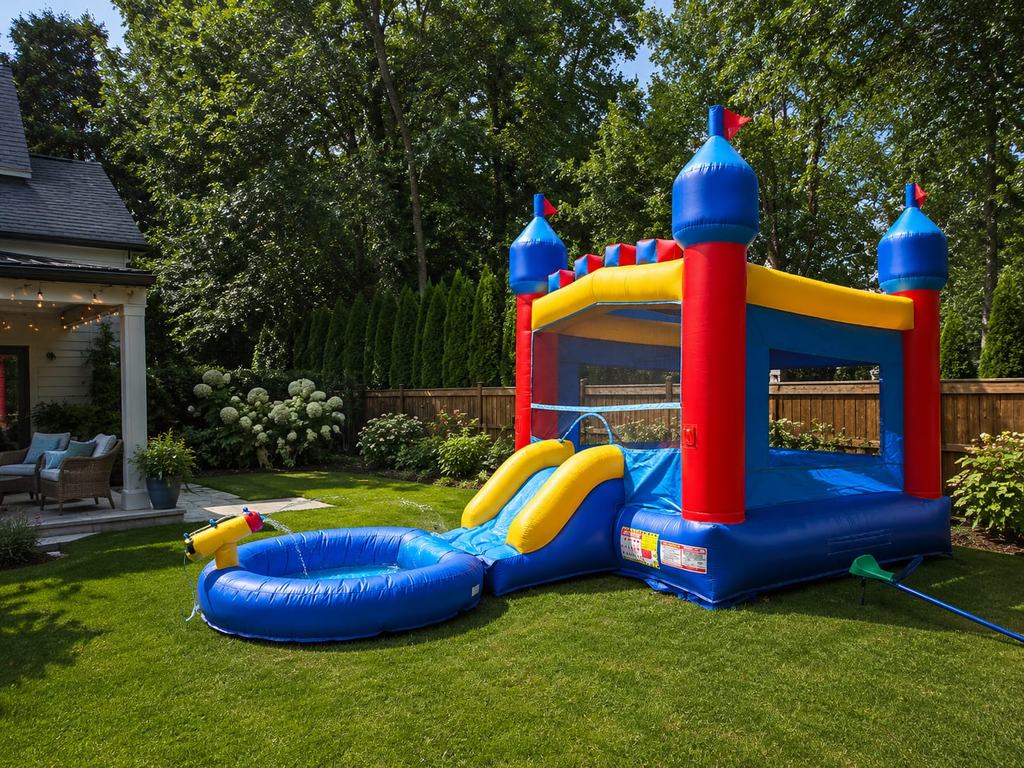
Begin by measuring the usable space in the yard. In Jefferson neighborhoods, many properties feature a level lawn ideal for tent anchoring, while others may have slight slopes that require additional weighting or stake adjustments. Mark the perimeter where the tent will sit, leaving a clear buffer of at least three feet around the edges for sidewall installation and guest circulation. If the yard includes mature trees or garden beds, plan the tent footprint to avoid damaging roots while still providing shade.
Next, translate the guest count into concrete layout numbers. For a cocktail‑style event, allocate roughly six to eight square feet per standing guest. A party of one hundred guests therefore needs approximately six hundred to eight hundred square feet of open floor space under the tent. Combine this with the dimensions of the cocktail station itself—typically a ten‑foot‑by‑ten‑foot module for service, plus a five‑foot‑by‑five‑foot ice bin—and you can verify that the chosen tent size accommodates both guests and service areas. The ten‑minute drive from our Pendergrass warehouse means that delivery trucks can arrive early in the morning, set up the tent, and leave ample time for final styling before guests arrive.
Choosing a Weather‑Resistant Tent and Sidewall Configuration
The tent serves as the primary shield against the elements, so selecting a model with reinforced frames and a waterproof cover is essential. Our COBIZI commercial tents feature galvanized steel frames that resist corrosion, a UV‑protected cover, and professional installation that secures the structure to grass or concrete. For a cocktail party in Jefferson, where afternoon thunderstorms can appear quickly, a twenty‑by‑forty‑foot tent offers ample coverage for both the guest area and the cocktail station while allowing sidewall attachment on the wind‑exposed sides.
Sidewalls add another layer of protection, especially during cooler evenings or when rain is forecast. Opt for solid vinyl sidewalls on the windward side and mesh panels on the leeward side to maintain visibility and airflow. This combination prevents water ingress while reducing the chance of the tent acting as a sail in strong gusts. Anchor the sidewalls with the same stakes or weights used for the tent frame, ensuring that all connection points are tight before the event begins.
Designing Beverage Flow for Efficiency and Guest Comfort
Efficient beverage flow starts with a clear separation of duties: one area for drink preparation, another for glassware collection, and a third for guest pickup. Position the preparation zone near the tent entrance so that staff can restock bottles, mixers, and garnishes without crossing guest pathways. Use a sturdy table or a dedicated service cart that holds spirits, mixers, ice scoops, and garnish bowls at a comfortable height, reducing the need for bending or reaching.
Guest pickup should be spaced to avoid bottlenecks. A linear arrangement with two parallel service lines works well for larger parties, allowing guests to move from one side to the other as their drinks are prepared. Clearly mark the start and end of each line with subtle signage or a change in table runner color. This visual cue guides traffic naturally, keeping the cocktail station orderly even during peak moments when many guests approach simultaneously.
Ice Management: Storage, Replenishment, and Drainage
Ice is the backbone of any cocktail station, so a dedicated ice storage solution is necessary. Place a insulated ice bin or a cooler with a drain plug on a level surface inside the tent, positioned close to the preparation zone but away from direct sunlight. For a party of one hundred guests, plan for approximately forty to fifty pounds of ice per hour, replenishing every thirty minutes to maintain a consistent supply. Use separate containers for ice used in drinks and ice reserved for chilling bottles to prevent cross‑contamination.
Drainage is equally important to prevent water accumulation that could create slip hazards. Ensure the ice bin’s drain hose directs water to a grassy area or a designated runoff point outside the tent footprint. If the yard has poor natural drainage, lay a simple gravel trench or use absorbent pads beneath the bin to capture excess water. Regularly check the drain during the event to confirm it remains clear, and have a spare hose on hand in case of blockage.
Signage, Lighting, and Guest Experience Details
Clear signage helps guests locate the cocktail station, understand drink options, and follow any service instructions. Use weather‑proof cardstock or acrylic signs mounted on easels or attached to the tent frame with zip ties. Label each beverage category—such as “Classic Cocktails,” “Mocktails,” and “Wine & Beer”—with large, legible fonts. Include icons or small illustrations if space allows, as they aid quick recognition without relying solely on text.
Lighting enhances both safety and ambiance after sunset. Soft LED strings draped along the tent perimeter provide gentle illumination without glare, while small battery‑operated puck lights inside the service area highlight the drink bottles and garnish bowls. Avoid harsh overhead lighting that can wash out colors; instead, aim for a warm hue that complements the decorations. Test the lighting setup during the late afternoon to ensure it remains effective as natural light fades.
Timeline, Rain Plan, and Final Coordination Checklist
Develop a detailed timeline that begins with the arrival of the delivery truck from our Pendergrass warehouse, typically scheduled for early morning on the event day. Allocate ninety minutes for tent erection, sidewall attachment, and anchoring. Follow this with sixty minutes for laying flooring, positioning tables and chairs, and setting up the cocktail station modules. Reserve thirty minutes for ice bin placement, glassware arrangement, and final signage installation. This schedule leaves a buffer for unexpected delays while ensuring the station is ready before guests arrive.
In case of rain, the rain plan relies on the tent’s sidewalls and the integrated drainage system. If heavy precipitation is forecast, close the windward sidewalls fully and keep the leeward sidewalls partially open for airflow. Monitor the water level in the ice bin drain throughout the event; if it approaches capacity, manually redirect excess water using a spare hose to the designated runoff area. Communicate the plan to the event host and any assisting staff so everyone knows the steps to activate the plan quickly.
Finally, run through a concise checklist before guest arrival: confirm that all tent stakes are secure, verify that sidewall fasteners are tight, test the ice bin drain, ensure glassware is stocked and polished, check that signage is visible and legible, and validate that lighting functions correctly. A quick walk‑through with the host helps catch any overlooked details and builds confidence that the cocktail station will operate smoothly throughout the celebration.
Frequently asked questions
How far in advance should I book the tent and cocktail station setup for a Jefferson event?
It is best to confirm the date and tent footprint four to six weeks ahead of the event, especially for weekend dates in spring and fall, as inventory tends to fill quickly.
What yard preparations are needed before the team arrives for installation?
Clear a level area of at least three feet beyond the tent perimeter, remove loose debris, and mark any obstacles such as tree roots or garden beds to allow proper anchoring.
How do I determine the number of cocktail tables needed for my guest count?
Allocate roughly six to eight square feet per standing guest, then divide the total open floor space by the footprint of each table to arrive at the appropriate quantity.
Can the cocktail station be placed under the same tent as the dining area?
Yes, a single large tent can host both zones; however, consider adding a smaller secondary tent just for the buffet if you want to keep food preparation separate from drink service.
What should I do if the weather forecast shows strong winds on the event day?
Secure the tent with the recommended stakes or weights, close the windward sidewalls fully, and keep the leeward sidewalls partially open to reduce sail effect while maintaining airflow.
Is there a limit to how many guests can be served from one cocktail station under the tent?
The station’s capacity depends on the linear length of service lines and the speed of preparation; for larger parties, adding a second parallel service line or a second station helps maintain smooth flow.