
Understanding Tent Heating Options
When planning a cool‑weather outdoor event in Jefferson, the first step is to review the heating solutions that work safely with fabric tents. Propane patio heaters are popular because they produce steady radiant warmth and can be positioned around the perimeter, but they must never be placed inside the tent enclosure to avoid carbon monoxide buildup. Infrared heaters emit heat that objects absorb directly, making them effective for spot warming near seating or dining tables without heating the entire air volume. Electric forced‑air units provide clean, flameless heat and are ideal when a reliable power source is available near the event site. Each option requires proper clearance from tent walls, adequate ventilation, and secure anchoring to prevent tipping. Understanding the strengths and limitations of each system helps you match the heater to your specific layout, guest count, and the typical evening temperatures experienced in Jackson County during autumn.
Choosing the right heater also involves evaluating fuel availability and noise levels. Propane tanks are portable and can be refilled locally, but you must store them upright and away from direct sunlight. Infrared panels are silent, which is beneficial for events where speeches or live music are part of the program. Electric heaters produce a low hum that is usually unnoticeable, yet they require access to a grounded outlet or a generator if the site lacks power. It is essential to verify that the heater’s output matches the size of your tent; an undersized unit will leave guests feeling chilly, while an oversized unit can create uncomfortable hot spots. By comparing these factors early in the planning process, you can select a heating method that keeps everyone warm without compromising safety or the ambience of your Jefferson backyard gathering.
Assessing Guest Count and Space Needs
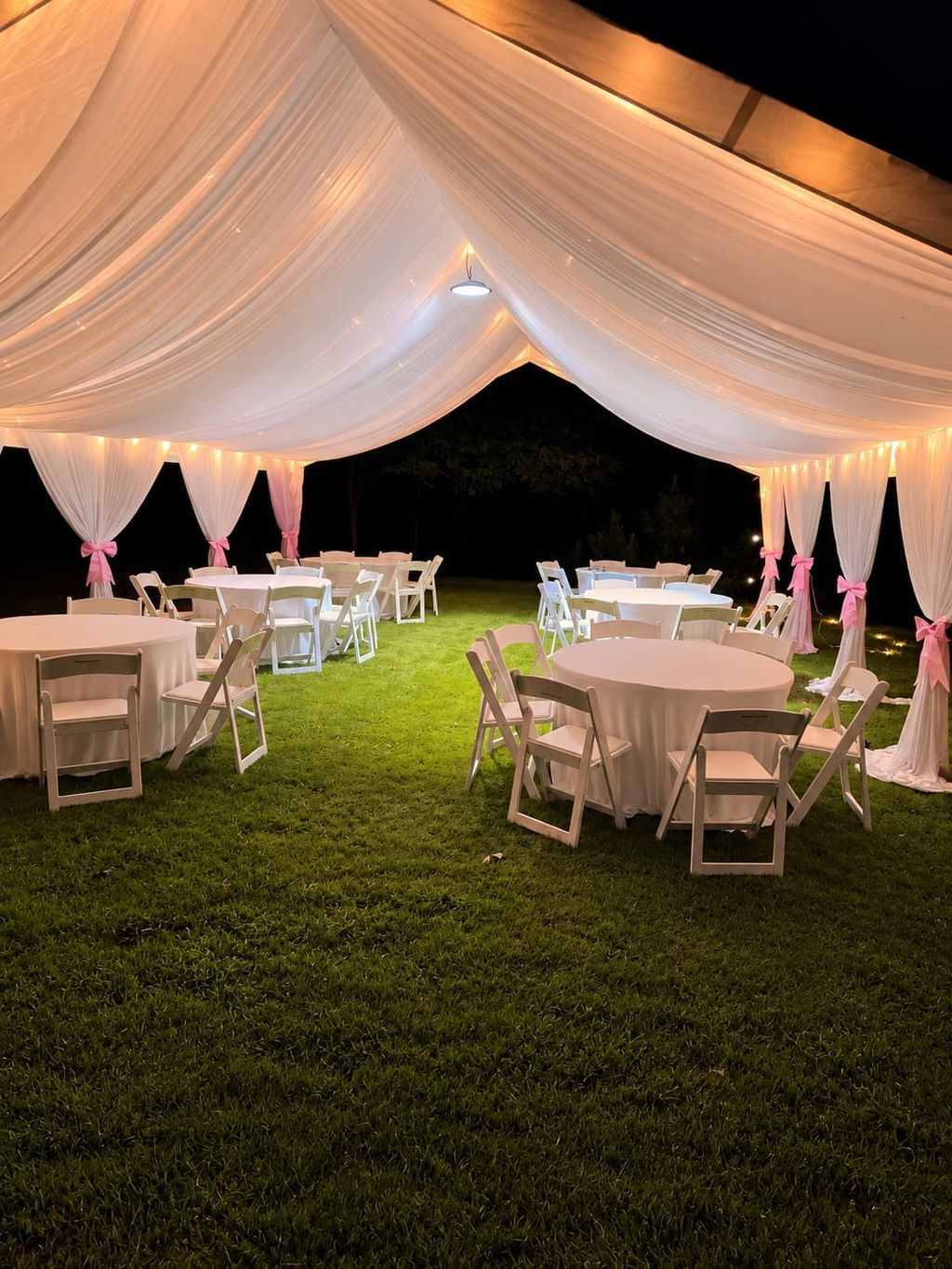
Accurate guest‑count math drives every decision about heating placement and tent size. For a standard 20 × 20 foot tent, the comfortable seated capacity is roughly 32‑40 guests, which means each person occupies about 10‑12 square feet of floor space. If you anticipate 50 guests, you may need to step up to a 20 × 30‑foot tent, which accommodates 48‑60 seated guests, or consider adding a second smaller tent for a buffet or lounge area. In Jefferson’s neighborhoods near Jefferson High School, many backyards measure around 30 × 40 feet, allowing a 20 × 30 tent with a 10 × 20 side tent for food service without overcrowding the lawn. Remember to leave at least three feet of clearance around the heater units for safe airflow and to prevent accidental contact with tent fabric.
Beyond floor area, consider the vertical space required for heating equipment. Propane heaters typically stand three to four feet tall, while infrared panels can be mounted on poles or placed on tables at a height of two to three feet. Ensure that the tent’s peak height—usually around seven to eight feet for a 20 × 30 unit—does not interfere with the heater’s radiation pattern. In Jackson County, evening temperatures in October often drop into the low 50s °F, so planning for a heating output that can raise the perceived temperature by 10‑15 °F will keep guests comfortable. By calculating both the floor area and the vertical clearance early, you avoid last‑minute adjustments and ensure the heating system integrates smoothly with your event layout.
Preparing Your Jefferson Backyard for Installation
Yard preparation begins with a clear, level surface where the tent will be anchored. In the Old Pendergrass Road area, many lawns have slight slopes; using sandbags or weighted stakes on the downhill side helps maintain even tension on the tent fabric. Remove any loose debris, such as twigs or loose stones, that could puncture the tent floor or interfere with heater placement. If the ground is soft from recent rain, consider laying down interlocking ground protection mats beneath the tent perimeter to prevent sinking and to provide a stable base for heater stands. This step is especially important in the Traditions of Braselton subdivision, where yards often feature a mix of grass and compacted soil.
Next, mark the exact locations for the heater units before the tent is raised. Use spray paint or small flags to indicate where each heater will sit, keeping them at least three feet from the tent walls and from any overhead structures like tree branches or pergolas. Ensure that a grounded electrical outlet is within reach if you plan to use electric heaters, or verify that a propane tank can be positioned safely on a non‑flammable surface with the valve accessible for quick shut‑off. In Jefferson, many homes have exterior outlets on the back patio; if yours does not, a quiet, fuel‑efficient generator rated for at least 5000 watts can supply power without disturbing the event atmosphere. Properly preparing the yard in advance reduces installation time and minimizes the risk of accidents on the day of the event.
Safety Checks and Equipment Placement
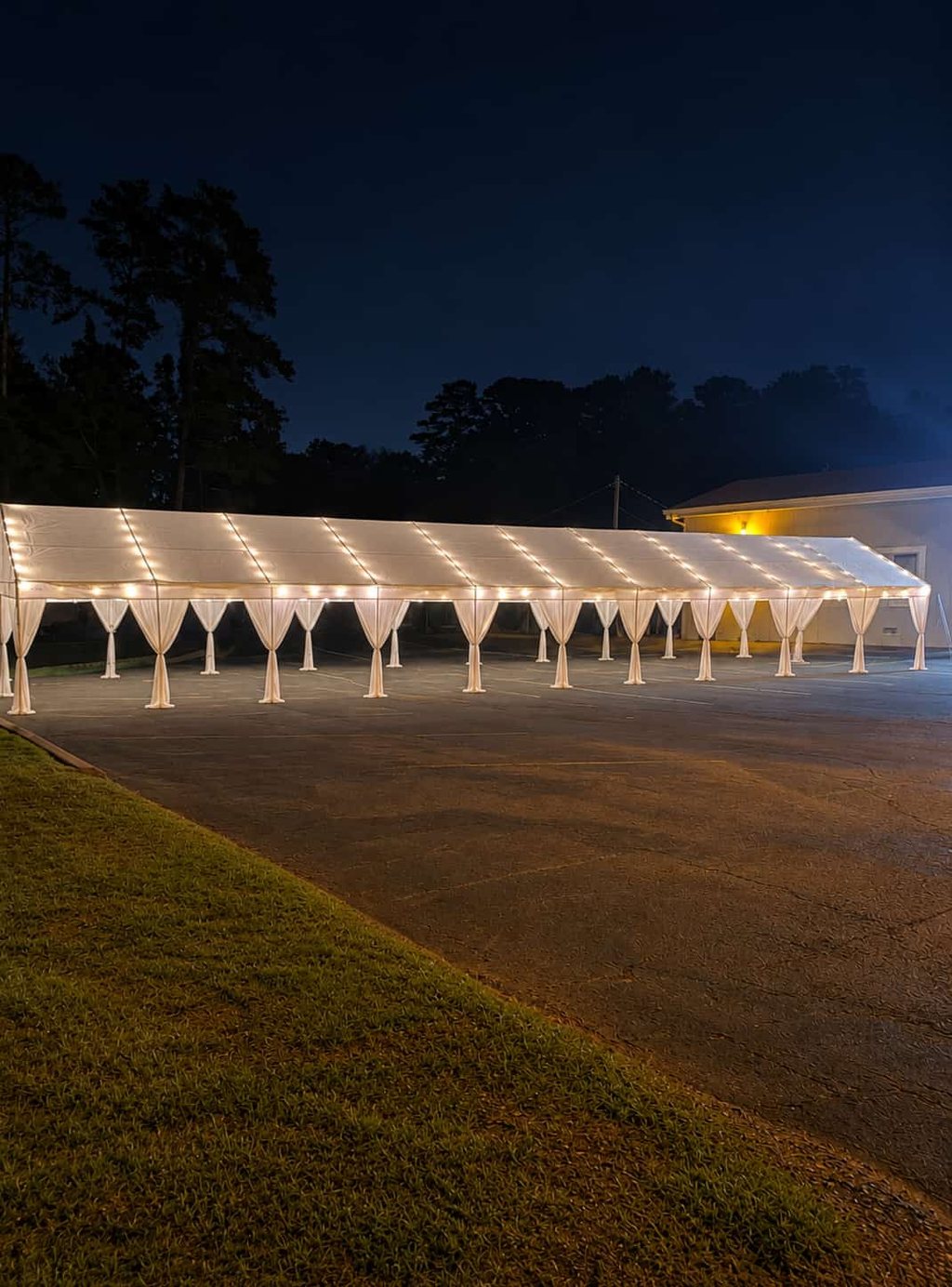
Safety begins with a pre‑installation inspection of all heating equipment. Check propane hoses for cracks, verify that regulators are functioning, and test the ignition system on each heater before placing it near the tent. For electric units, inspect cords for fraying and confirm that the plug matches the outlet’s voltage rating. Always keep a fire extinguisher rated for Class B fires within easy reach, and ensure that at least one adult is assigned to monitor the heater throughout the event. In Jackson County, local fire codes require that open‑flame devices stay at least ten feet away from any flammable material, including tent sidewalls and decorative draping.
When positioning the heaters, aim for even distribution around the tent’s perimeter to avoid cold spots. For a 20 × 30 tent serving 50 guests, placing two propane heaters on each long side and one on each short side creates a balanced warmth pattern. If you opt for infrared panels, mount them on adjustable stands aimed at the central seating area, angled slightly downward to cover both tables and walking paths. Never place a heater directly under a tent sidewall or near a decorative fabric drape, as the heat can weaken the material over time. After the tent is raised, perform a final walk‑around to confirm that all units are stable, that there is adequate clearance for guests to move freely, and that ventilation openings remain unobstructed to allow any emitted gases to dissipate safely.
Timing Your Setup and Event Flow
Establishing a clear timeline helps ensure that the heating system is operational when guests arrive. Aim to have the tent fully erected and anchored at least two hours before the scheduled start time. This window allows you to install the heaters, run any necessary power cords or propane lines, and conduct safety checks without rushing. In Jefferson, many families prefer to begin setup in the mid‑afternoon when temperatures are still mild, giving the crew ample light to work safely. If your event begins at 6:00 p.m., start tent erection around 3:30 p.m., finish heating placement by 4:30 p.m., and use the remaining half hour to test the heaters and adjust their output.
During the event, monitor the ambient temperature every thirty minutes using a portable thermometer placed at guest height. If the temperature begins to drop, gradually increase the heater output rather than making sudden jumps, which can create uncomfortable hot zones. For events that include a dinner service, consider lowering the heater intensity during the meal to prevent overheating of food stations, then raise it again for after‑dinner dancing or mingling. In the cooler evenings typical of late October in Jackson County, a modest increase of 5‑10 % in heater output every hour can maintain a steady comfort level. By aligning heater adjustments with the event schedule, you keep guests warm without wasting fuel or electricity.
Rain Plan and Weather Contingencies
Even with careful planning, unexpected rain can affect both the tent and the heating equipment. The first line of defense is to ensure that the tent sidewalls are securely fastened and that any rain gutters or drainage channels are clear of debris. In Jefferson’s suburban yards, a gentle slope away from the tent helps direct water runoff toward a nearby drain or street gutter. If heavy rain is forecast, consider adding a second layer of tarp over the tent roof to provide extra protection while still allowing the heating units to function underneath.
For heating equipment, propane heaters must remain dry; protect the regulator and hose connections with waterproof covers designed for outdoor use. Electric heaters should be plugged into ground‑fault circuit interrupter (GFCI) outlets to reduce the risk of shock if moisture contacts the cord. If rain begins during the event, temporarily reduce heater output to avoid creating steam that could condense on the tent interior and cause dampness. Having a backup plan, such as moving guests to a covered porch or a nearby garage for a short period, ensures the celebration can continue safely. In Jackson County, many residents keep a portable canopy or pop‑up shelter on hand for exactly this scenario, providing an additional layer of protection without sacrificing the outdoor feel of the event.
Drive Logistics from Our Pendergrass Warehouse
Our warehouse in Pendergrass is approximately ten minutes from most Jefferson neighborhoods, making same‑day delivery and setup efficient. When scheduling delivery, provide the exact street address, including any apartment or unit numbers, so the driver can locate the correct entry point. The route typically follows GA‑332 north toward Jefferson, then exits onto Old Pendergrass Road for homes in that corridor, or uses GA‑211 for properties near Jefferson High School. Allow an extra five minutes for potential traffic near the school during afternoon pick‑up times, especially on weekdays.
Upon arrival, the crew will unload the tent components, heating equipment, and any ancillary items such as ground protection mats or sandbags. They will then perform a quick site verification to confirm that the measured yard dimensions match the provided specifications. If any obstacles like low‑hanging branches or a narrow gate are discovered, the team will discuss alternative placement options with you on the spot. Because the distance is short, there is no need for long‑haul fuel surcharges or overnight storage; the equipment arrives ready for immediate installation. Clear communication about the address and any site‑specific quirks helps the crew complete the setup within the agreed timeframe, leaving you free to focus on final décor and guest preparations.
Final Walkthrough and Guest Comfort Tips
Before guests arrive, conduct a final walkthrough of the tent and heating layout. Verify that all heater bases are stable, that cords and hoses are tucked away from walkways, and that the tent sidewalls are securely fastened but still allow for easy entry and exit. Check that decorative elements such as draped fabric, floral arrangements, or balloon arches are kept at a safe distance—minimum two feet—from any heat source to prevent accidental melting or scorching. In Jefferson’s historic districts, many homeowners enjoy adding string lights or lanterns; ensure these are battery‑operated or placed far enough from heaters to avoid heat damage.
Encourage guests to dress in layers, as individual comfort levels vary even with effective heating. Provide a small basket of wraps or shawls near the entrance for those who may feel a chill after stepping outside for a breath of fresh air. If you have a designated dance floor, consider placing a low‑profile heater at the edge to keep the area warm without interfering with movement. After the event, turn off all heaters, disconnect propane tanks, and store equipment in a dry, secure location. Proper shutdown not only preserves the lifespan of the heating units but also ensures the site is safe for any subsequent use. By following these steps, you create a welcoming, warm atmosphere that lets your guests enjoy the cool‑weather charm of a Jefferson outdoor celebration without worry.
Frequently asked questions
How do I know which tent heater is safest for my event in Jefferson?
Look for heaters that are designed for outdoor use, have tip‑over protection, and never place an open‑flame unit inside the tent. Propane patio heaters with a safety shut‑off valve and infrared panels that emit no flame are both good choices when kept at least three feet from tent walls and supervised by an adult.
Can I use an electric heater if my backyard lacks an outlet?
Yes, a quiet, fuel‑efficient generator rated for at least 5000 watts can power electric heaters. Position the generator on a stable, non‑flammable surface away from the tent, and use a heavy‑duty extension cord that is rated for outdoor use and kept dry.
What clearance do I need around a propane heater?
Maintain a minimum of three feet of clearance on all sides of the heater, and ensure there is at least ten feet of space between the heater and any flammable material such as tent sidewalls, draping, or overhanging branches.
How many heaters do I need for a 20 × 30‑foot tent with 50 guests?
A balanced layout typically uses two propane heaters on each long side and one on each short side, or four infrared panels aimed at the central seating area, to provide even warmth without creating hot spots.
Should I cover the heater if it starts to rain?
Yes, protect propane regulators and hoses with waterproof covers, and plug electric heaters into a GFCI outlet. If rain becomes heavy, reduce heater output temporarily and consider moving guests to a covered area until conditions improve.
What should I do with the equipment after the event?
Turn off all heaters, close propane tank valves, disconnect power cords, and store the units in a dry, secure location. Inspect hoses and cords for damage before the next use to ensure continued safety.