
eco-friendly tent decor
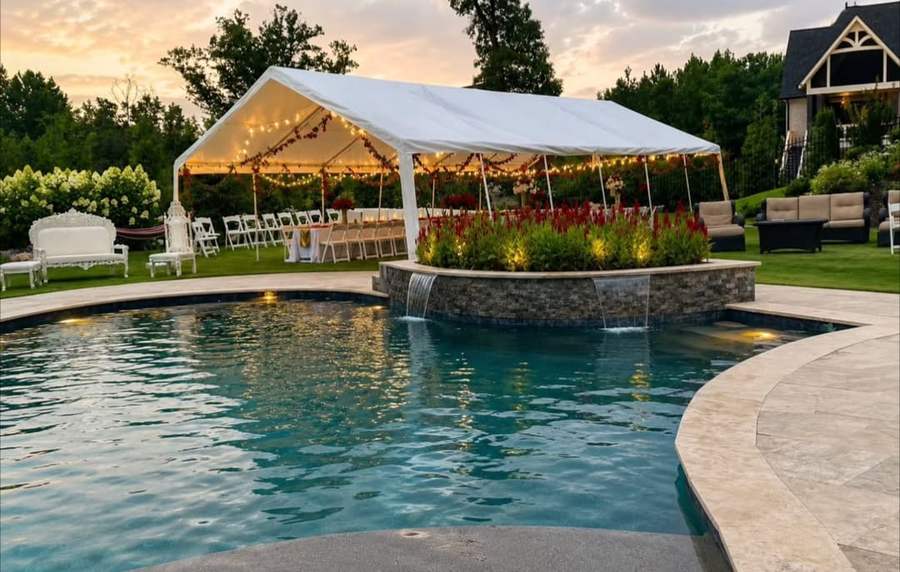
Choosing eco-friendly tent decor starts with understanding what makes a decoration sustainable. In Jefferson, Jackson County, many hosts look for reusable fabrics, biodegradable accents, and locally sourced items that reduce waste while enhancing the beauty of an outdoor gathering. By focusing on materials that can be repurposed or composted after the event, you keep the environmental footprint low and support the community’s green initiatives.
When planning a sustainable outdoor event near landmarks such as backyards off Old Pendergrass Road or the neighborhoods around Jefferson High School, consider how each decorative element will be used. Opt for LED lighting that consumes less power, choose table linens made from organic cotton, and select centerpieces that feature potted herbs or succulents that guests can take home. These choices align with the eco-friendly tent decor philosophy and create a memorable, responsible celebration.

Assessing Your Jefferson Backyard Space
Begin by measuring the exact dimensions of your yard to determine which tent size will fit comfortably while leaving room for pathways, seating, and any activity zones. In Jefferson, many properties off Traditions of Braselton have level lawns that are ideal for a 20×20 or 20×30 tent, but slopes or uneven ground may require additional leveling work or a smaller footprint.
Next, evaluate the ground surface. Grass installations need proper anchoring with stakes or weights that do not damage the turf, while concrete or patio areas may require base plates. Checking for underground utilities before driving stakes is essential, especially in older neighborhoods near Jefferson High School where utility lines may run shallow.
Finally, consider access routes for delivery trucks. The drive from our Pendergrass warehouse to Jefferson is approximately ten miles, taking about fifteen minutes via GA‑332 and GA‑124. Ensure that the entry gate or driveway can accommodate a standard box truck and that there is a clear path to the setup area to avoid delays on the day of the event.
Selecting Sustainable Materials for Tent and Decor
Look for tent fabrics that are made from recycled polyester or have a water‑based coating that is free of harmful PVCs. These materials provide the same durability and weather resistance as conventional options while reducing reliance on virgin plastics. In Jefferson, several local suppliers offer tents with these eco‑certified fabrics, making it easier to source responsibly.
For decor, prioritize items that can be reused across multiple events. Fabric bunting, wooden signage, and metal lanterns are durable alternatives to single‑use plastics. When selecting floral arrangements, choose locally grown, seasonal blooms or high‑quality artificial flowers that can be stored and reused, thereby cutting down on waste and transportation emissions.
Coordinating Delivery and Setup Timeline
Two weeks before your event, confirm the date, tent size, and any additional accessories such as sidewalls or lighting. Provide the exact address—including street, city, state, and ZIP—so our team can calculate the precise delivery distance from the Pendergrass warehouse and confirm any applicable fees based on mileage.
One week prior, finalize the layout plan, marking where the tent, tables, chairs, and activity zones will go. Share a simple sketch or list of measurements with our crew so they can prepare the correct quantity of stakes, weights, and flooring protection. This step also allows you to verify that the guest‑count math aligns with the chosen tent capacity.
Two days before the event, our team will arrive for delivery and begin the setup process. Tents are erected first, followed by flooring, lighting, and decor. Having a clear timeline helps ensure that everything is ready well before guests arrive, leaving time for a final walk‑through and any last‑minute adjustments.
Planning for Weather and Rain Contingencies
Even in North Georgia, afternoon showers can appear quickly, especially during the spring and summer months. Opt for sidewalls that can be zipped onto the tent to provide wind protection and keep the interior dry. Transparent vinyl sidewalls maintain visibility while shielding guests from rain, and they can be removed easily if the weather clears.
Have a plan for grounding the tent in case of gusty winds. Additional stakes or sandbags can be deployed quickly, and our crew is trained to assess wind speeds and secure the structure accordingly. Discussing these options during the planning phase ensures that the rain plan is seamless and does not disrupt the flow of your sustainable outdoor event.
Guest‑Count Math and Seating Layouts
Understanding how many guests each tent size accommodates helps you avoid overcrowding or excessive empty space. A 10×10 tent comfortably seats six to eight guests for a dinner setup, while a 10×20 tent holds sixteen to twenty seated guests. For cocktail‑style gatherings, the same 10×20 area can accommodate up to twenty‑five standing guests, allowing flexible use of the space.
If you expect a larger guest list, consider a two‑tent layout. Pairing a 20×30 tent (seating forty‑eight to sixty) with a 10×20 tent for a buffet or lounge area provides ample room without exceeding the structural limits of any single frame. This approach also lets you designate specific zones for dining, dancing, and activities, improving the overall guest experience.
Final Checks and Day‑Of Execution
On the morning of the event, do a quick walk‑through to verify that all anchoring points are secure, that lighting is functioning, and that any rented accessories such as bounce houses or fans are positioned safely away from the tent walls. Confirm that the blower for any inflatable equipment is plugged into a grounded outlet or a generator, and verify that cords are safely tucked to prevent tripping hazards.
After the celebration, our team will break down the tent, collect all reusable decor, and ensure the site is left clean. Any organic materials such as flower petals or potted plants can be composted or donated, reinforcing the eco‑friendly tent decor philosophy from start to finish. Following these steps guarantees a smooth, sustainable event that honors both your vision and the environment.
Yard Preparation
Start by clearing the designated area of any debris, toys, or garden furniture that could interfere with tent placement. A clean surface makes it easier to lay ground protection and ensures a stable base for the structure.
Check the slope of the lawn using a simple level or a smartphone app. If the grade exceeds a slight incline, consider adding compacted sand or gravel under the tent footings to create a level platform.
Verify that there are no low‑lying spots where water tends to pool after rain. If such areas exist, you may need to install temporary drainage channels or choose a slightly higher spot for the main tent.
Confirm the availability of a grounded electrical outlet within reach of the tent site for lighting, sound, or blower equipment. If no outlet is nearby, plan for a generator and ensure it is positioned safely away from guest walkways.
Load‑In Timeline
Three days before the event, our logistics team reviews the final address, confirms the mileage bracket, and prepares the appropriate truck and equipment list. This pre‑check helps avoid any surprises on the day of delivery.
On the morning of delivery, the crew arrives with the tent frame, fabric, flooring, and all ancillary items. They first unload the frame components nearest to the setup zone to minimize double‑handling.
The erection process begins with laying out the ground protection, followed by assembling the tent poles and raising the fabric. This sequence typically takes between two and three hours depending on tent size and site conditions.
Once the tent is secure, the team installs flooring, lighting, and any requested sidewalls. Decor items such as centerpieces, linens, and chair covers are placed last, allowing a final visual check before guest arrival.
Rain Plan
In addition to sidewalls, consider adding a water‑resistant ground sheet underneath the tent floor to prevent moisture from seeping up from the soil. This layer is especially useful for events scheduled during the wetter months.
Keep a supply of extra sandbags or weighted bags on hand. If wind gusts increase unexpectedly, these can be quickly attached to the tent’s anchor points for added stability.
Communicate the rain plan to any vendors or entertainers involved in the event. Knowing that the interior will stay dry helps them prepare their equipment and set‑up accordingly.
After the event, if any water has collected on the tent fabric, allow it to dry completely before folding and storing to prevent mildew formation.
Local Logistics
Our base in Pendergrass, Georgia, allows us to reach Jefferson and surrounding areas within a typical fifteen‑minute drive under normal traffic conditions. We monitor real‑time traffic updates to adjust departure times if needed.
For addresses located on rural roads or within gated communities, we request a clear access code or gate‑opening instructions ahead of time to avoid delays.
We coordinate with local authorities when necessary, particularly for events that may require temporary street closures or special permits for large equipment.
All delivery vehicles are equipped with GPS tracking, providing you with real‑time updates on the estimated arrival time of your tent and accessories.
Checklist
- Confirm event date, start time, and exact address (street, city, state, ZIP).
- Select tent size and any additional accessories (sidewalls, lighting, flooring).
- Provide a layout sketch or measurements for the setup crew.
- Verify access routes and clearance for delivery trucks.
- Check for underground utilities before staking the tent.
- Ensure a grounded power source or generator plan is in place.
- Prepare ground protection and leveling materials if the yard is uneven.
- Arrange for sidewalls or rain‑ready ground sheet if inclement weather is possible.
- Confirm guest count and match it to tent capacity guidelines.
- Plan placement of tables, chairs, buffet, and activity zones.
- Schedule a final walk‑through the morning of the event.
- Arrange for post‑event breakdown and site clean‑up.
Frequently asked questions
What is the first step in choosing eco-friendly tent decor for a Jefferson event?
Begin by measuring your yard and identifying sustainable materials such as recycled‑polyester tent fabric, organic‑cotton linens, and reusable decor items that reduce waste and support local green initiatives.
How far is the Pendergrass warehouse from Jefferson, and what route is typically used?
The warehouse is about ten miles from Jefferson, usually reached via GA‑332 to GA‑124, a drive of roughly fifteen minutes under normal conditions.
Which tent sizes work best for a backyard in Jefferson’s Traditions of Braselton area?
Many level lawns there accommodate a 20×20 or 20×30 tent comfortably, but sloped yards may need a smaller footprint or additional leveling before installation.
How can I prepare my grass yard for tent installation without damaging the turf?
Use proper anchoring stakes or weights designed for grass, avoid driving stakes into utility lines, and spread weight evenly with ground‑protection pads to prevent tearing or compaction.
What rain‑plan options are available for an outdoor event in Jackson County?
Add sidewalls to the tent for wind and rain protection, keep extra stakes or sandbags on hand for gusty conditions, and discuss a clear takedown plan if weather becomes unsafe.
How do I calculate seating capacity for a 20×30 tent and plan a two‑tent layout?
A 20×30 tent seats forty‑eight to sixty guests for dinner; pair it with a 10×20 tent for a buffet or lounge area to accommodate larger groups while staying within frame limits.