
Exploring Tent Lighting Options for Mood and Functionality
When planning an outdoor tent event in Jefferson, Jackson County, the first step is to understand the different tent lighting options available and how each can shape the atmosphere. LED tent lighting provides even illumination across the entire canopy, making it ideal for evenings when you need clear visibility for dining or dancing. Bistro strings, on the other hand, create a softer, decorative glow that hangs above tables and adds a festive touch without overpowering the space. Uplighting placed around the perimeter can highlight the tent walls and add depth, while chandeliers or lanterns bring a focal point that draws guests’ eyes upward. By evaluating the purpose of each area—whether it is a buffet line, a dance floor, or a lounge—you can match the appropriate tent lighting options to both mood and practical needs.
Local geography plays a role in deciding which tent lighting options work best. Jefferson’s backyards off Old Pendergrass Road often have mature trees that can obstruct direct overhead light, so LED tent lighting with adjustable brackets can be positioned to avoid shadows. The Traditions of Braselton neighborhood features larger lawns where bistro strings can be stretched between poles for a romantic canopy effect. Around Jefferson High School, many homes have concrete pads that allow for secure anchoring of lighting fixtures, reducing the need for extra weights. Understanding these site‑specific conditions helps you select tent lighting options that will perform reliably throughout the event.
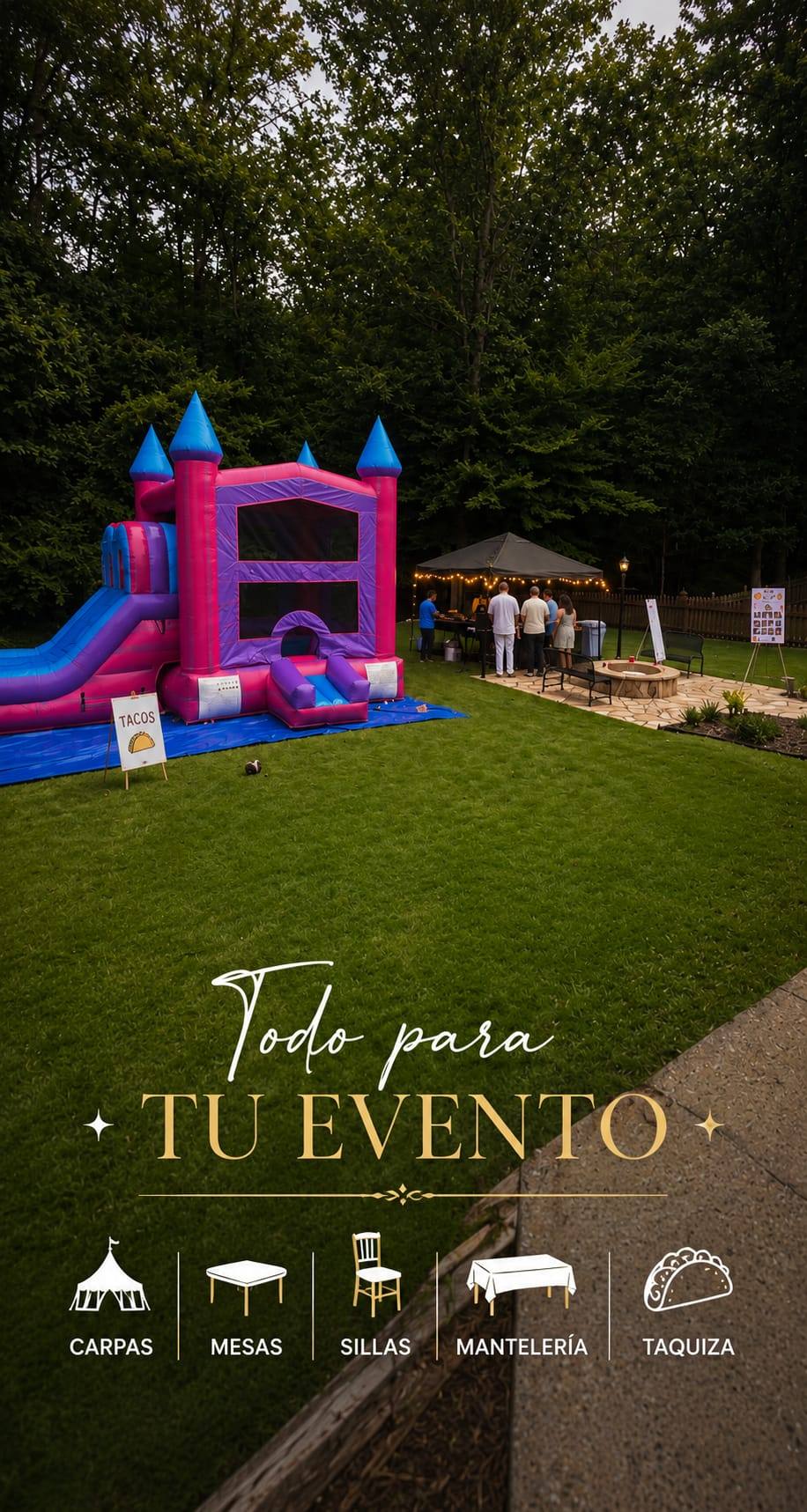
Calculating Guest Count and Layout for Effective Lighting
Accurate guest‑count math is essential when choosing tent lighting options because the density of people influences how much light is needed for comfort and safety. For a seated dinner, a 6‑foot round table comfortably accommodates ten guests, so a 20×20 tent that holds thirty‑two to forty seated guests will require enough illumination to keep each table well lit without creating glare. If you anticipate a cocktail‑style arrangement with standing guests, the same tent can support up to twenty‑five people, and you may want to focus LED tent lighting on the perimeter while using bistro strings to highlight the central gathering area. By mapping out the number of tables, chairs, and open spaces, you can determine the optimal placement of each lighting type.
In Jefferson, many residential yards measure roughly thirty feet by forty feet, which fits a 20×30 tent comfortably. This size provides forty‑eight to sixty seated guests, translating to roughly six to eight tables of six‑foot rounds. When you lay out the tables in a rectangular pattern, you leave walkways of at least three feet between rows, ensuring that servers can move freely and that lighting fixtures are not obstructed. A clear layout also helps the installation team run power cords safely to the lighting sources, minimizing tripping hazards and guaranteeing that all tent lighting options receive consistent voltage throughout the event.
Preparing the Yard and Timeline for Installation
Proper yard preparation is a prerequisite for successful installation of tent lighting options. Begin by mowing the lawn to a uniform height and removing any debris such as sticks, rocks, or loose toys that could interfere with stakes or weight bags. If the ground is soft from recent rain, consider laying down ground protection boards where the tent frame will sit; this prevents sinking and provides a stable base for anchoring LED tent lighting poles. In Jefferson’s clay‑rich soil, it is helpful to pre‑wet the area a few hours before installation so the soil compacts slightly, giving stakes better holding power.
A realistic timeline helps ensure that all tent lighting options are ready when guests arrive. Aim to have the tent erected and secured at least four hours before the event start time. This allows the lighting crew to mount LED tent lighting strips along the interior frame, attach bistro strings to the outer perimeter, and test each circuit for proper function. For a typical evening celebration beginning at 6 p.m., start the setup at noon, break for lunch, and finish the lighting adjustments by 4 p.m., leaving time for a final walkthrough. In case of unexpected delays, having a generator on standby guarantees that the lighting remains operational even if a power outlet is far from the tent.
Integrating Lighting with Other Event Elements
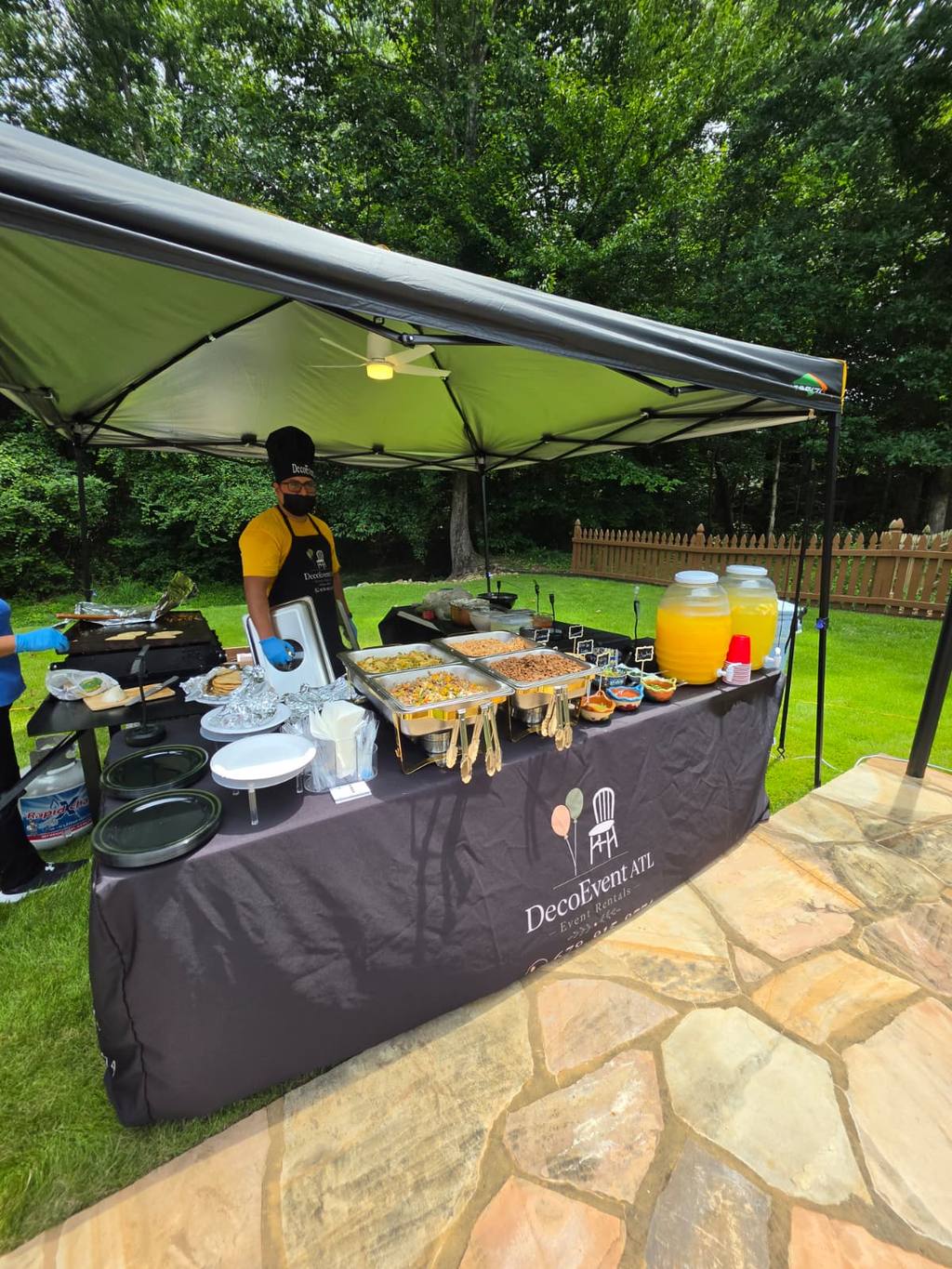
Coordinating tent lighting options with décor, furniture, and catering enhances the overall guest experience. For example, if you choose a color palette of soft ivory and gold for linens and draping, warm‑white LED tent lighting will complement those tones without clashing. Bistro strings with a slight amber hue can accentuate floral centerpieces, creating a romantic glow that does not wash out the colors of fresh or artificial blooms. When planning a taquiza catering station, position LED tent lighting above the serving line to keep food visible and safe, while using softer bistro strings over the dining area to create a relaxed ambience for guests enjoying their meals.
Sound and lighting often work together to set the mood. If you are providing sound for up to three hundred guests, ensure that the LED tent lighting does not produce flicker that could interfere with any video equipment. Place speakers at opposite ends of the tent to balance audio distribution, and run lighting cables along the same routes to reduce clutter. In Jefferson’s outdoor venues, wind can be a factor; secure any loose lighting fixtures with zip ties or clips, and verify that all connections are weather‑rated. This integrated approach guarantees that each element supports the others, resulting in a seamless event flow.
Rain Plan and Contingency Strategies for Lighting
Even with careful planning, weather can change quickly, so having a rain plan for your tent lighting options is essential. If precipitation is forecast, sidewalls can be added to the tent to keep the interior dry while preserving the lighting effect. LED tent lighting is sealed and rated for outdoor use, so it continues to function safely under light rain, but it is wise to verify that all power connections are covered with waterproof caps. Bistro strings, while decorative, should be inspected for any signs of water ingress before the event; if moisture is present, replace the affected segment or move the strings to a sheltered location under the sidewall.
In Jefferson, sudden thunderstorms are not uncommon during spring and summer. Establish a clear protocol: if lightning is detected within ten miles, pause the event and usher guests to a safe area, keeping the LED tent lighting on low to maintain visibility without attracting excessive electrical charge. After the storm passes, inspect all lighting equipment for damage before resuming activities. Having a generator with fuel on hand ensures that the lighting remains operational even if the primary power source is compromised, providing peace of mind that the event can continue safely once conditions improve.
Drive Logistics and Local Vendor Coordination
Understanding the drive logistics from our Pendergrass warehouse to Jefferson helps set realistic expectations for delivery and setup times. The warehouse is located approximately ten minutes from Jefferson via GA‑332 and Old Pendergrass Road, which means that tents, chairs, lighting kits, and accessories can arrive early in the morning without significant traffic delays. When scheduling delivery, provide the exact street address, including any apartment or unit number, so the driver can locate the correct backyard quickly. Confirm that there is a clear path from the street to the setup area, ideally at least eight feet wide, to accommodate the tent frame and lighting equipment.
Local coordination also involves verifying the availability of power sources. Many Jefferson homes have exterior outlets on the rear or side of the house; ask the homeowner whether a grounded outlet is within fifty feet of the planned tent location. If not, arrange for a quiet generator to be placed on a level surface at least ten feet away from the tent to prevent exhaust fumes from affecting guests. Provide the generator’s fuel requirements and expected runtime to the client ahead of time so they can plan accordingly. By addressing these logistical details early, you ensure that the tent lighting options arrive, install, and function smoothly on the day of the event.
Final Walkthrough and Guest Experience Tips
Before guests arrive, conduct a final walkthrough to verify that every tent lighting option is functioning as intended and that the ambiance matches the vision you discussed with the host. Walk the perimeter to confirm that LED tent lighting provides even coverage, with no dark spots or overly bright zones. Check that bistro strings are taut and evenly spaced, creating a consistent glow above the tables. Test any uplighting or chandeliers to ensure they are securely fastened and that their beams highlight the desired features, such as a dance floor or a photo backdrop. This step also allows you to tidy any loose cables and secure them with cable covers to prevent tripping.
Encourage the host to communicate any last‑minute adjustments to the lighting team, such as dimming the LED tent lighting for a softer effect during a speech or increasing the bistro string intensity for a cake‑cutting moment. Remind them that the lighting can be adjusted in real time without disrupting the event, thanks to the modular design of our systems. By staying flexible and attentive, you help create an outdoor tent event in Jefferson that feels both welcoming and professionally lit, leaving guests with a positive impression of the celebration from start to finish.
Frequently asked questions
How do I decide which tent lighting options are best for my event size?
Consider your guest count and layout; LED tent lighting works well for full‑coverage illumination in larger tents, while bistro strings add decorative charm over dining areas, and uplighting can highlight architectural features or focal points in any size setup.
What preparations are needed in my Jefferson yard before installing tent lighting options?
Mow the grass, remove debris, lay ground protection boards if the soil is soft, and ensure a clear eight‑foot‑wide path from the street to the setup area for safe delivery and equipment placement.
How far in advance should I schedule the delivery of tent lighting options for a Jefferson event?
Aim for delivery at least four hours before the event start time to allow the team to erect the tent, install lighting, and test all circuits, ensuring everything is ready when guests arrive.
Can tent lighting options be used if it rains lightly during my event?
Yes, LED tent lighting is sealed for outdoor use and continues to operate safely in light rain, while bistro strings should be checked for moisture and, if needed, moved under sidewalls or replaced with dry segments.
What power sources are required for the tent lighting options in a Jefferson backyard?
A grounded exterior outlet within fifty feet of the tent is ideal; if unavailable, a quiet generator placed at least ten feet away from the tent can supply electricity without disturbing guests.
Is it possible to adjust the tent lighting options during the event without hiring extra help?
Absolutely; our LED tent lighting and bistro strings are designed with easy‑access controls, allowing the host or a designated person to dim or brighten the lighting as needed for speeches, meals, or dancing.