
Understanding Tent Flooring Basics
Selecting the appropriate ground covering for a tent is essential to keep guests comfortable and to protect both the tent structure and the underlying surface. A proper flooring layer prevents moisture from seeping into the tent, reduces the risk of slips, and provides a stable area for tables, chairs, and dance floors. In Jefferson, Jackson County, many backyards feature natural grass that can become soft after rain, making a reliable flooring solution even more important. By evaluating the specific characteristics of your site, you can choose a material that supports the weight of your event layout while maintaining a pleasant feel underfoot.
The most common options include interlocking foam tiles, polyethylene ground sheets, and raised plastic decking systems. Each type offers distinct advantages depending on soil condition, expected guest count, and the type of activities planned. Foam tiles provide cushioning and are quick to install, while ground sheets act as a barrier against dampness. Raised decking creates a level platform that can accommodate slight slopes. Understanding these basics helps you communicate your needs clearly to the DecoEvent ATL team when they arrive to set up your tent in Jefferson.
Assessing Your Jefferson Backyard Conditions
Before deciding on a flooring type, walk the area where the tent will be placed and note any variations in texture, slope, or drainage. In Jefferson, many properties near Old Pendergrass Road have relatively flat lawns, but pockets of clay or sandy patches can appear, especially near the edges of yards that border wooded sections. Take note of recent weather patterns; if the ground has been soggy, a moisture‑blocking layer becomes a priority. Also consider the location of any existing landscaping features such as flower beds, garden paths, or irrigation heads that may need protection.
Guest‑count math also influences the flooring choice. For example, a 20 × 20 foot tent comfortably seats about 40 guests, which translates to roughly 800 square feet of covered area. If you plan to add a dance floor or a buffet table, you may need extra flooring beyond the tent footprint to create safe walkways. By measuring the length and width of the intended layout and multiplying by the number of guests per square foot you anticipate, you can estimate the total square footage of flooring required. This calculation ensures you order enough material without excess waste.
Choosing tent flooring for Grass Surfaces
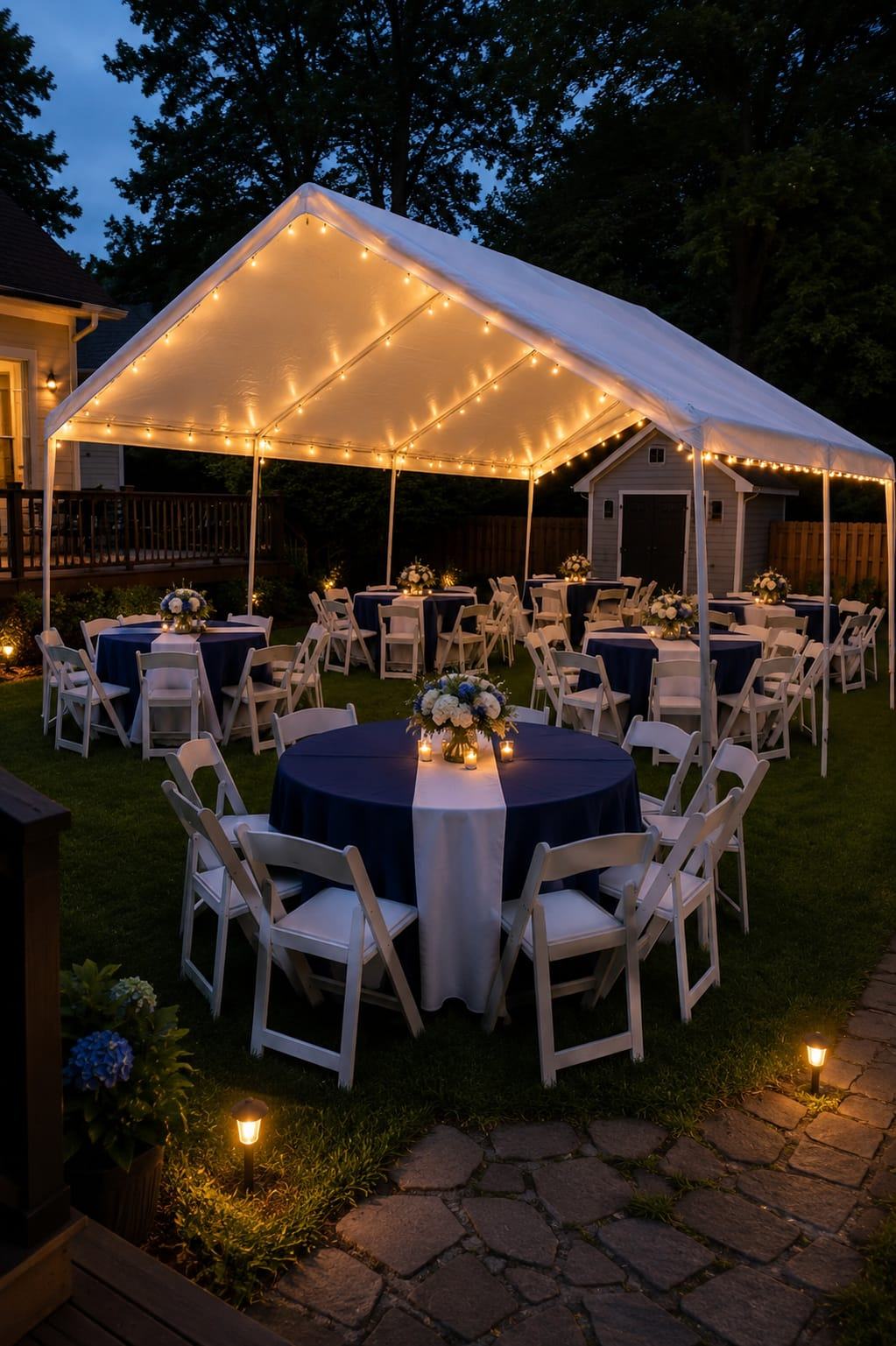
Grass is the most common surface for backyard events in Jefferson, especially in neighborhoods surrounding Jefferson High School and the Traditions of Braselton area. When the lawn is healthy and dry, a simple polyethylene ground sheet can provide adequate protection against dew and light rain. The sheet should be cut to match the tent dimensions, with a few inches of overlap on each side to prevent water from seeping underneath. Secure the edges with sandbags or stake‑compatible clips so the sheet does not shift during setup or when guests walk across it.
If the grass tends to retain moisture after a shower, interlocking foam tiles offer a comfortable, elevated surface that keeps feet dry while providing a soft feel. These tiles snap together quickly, creating a uniform layer that can be lifted and reused for future events. For events with a high guest count or where a dance floor is planned, combine a ground sheet underneath the foam tiles to add an extra moisture barrier. This combination works well for quinceañeras, graduations, and family reunions hosted in Jefferson’s spacious backyards.
Options for Sand or Loose Soil
Some properties in Jackson County, particularly those near the sandy ridges that run east of Jefferson, may have loose soil that shifts under weight. In these cases, a ground sheet alone may not prevent the tent from sinking or creating uneven spots. A better approach is to lay a layer of compacted gravel or crushed stone beneath the flooring material. This base distributes the load and reduces the chance of the tent settling unevenly during the event.
Once the stable base is in place, interlocking foam tiles or rigid plastic decking panels can be installed on top. The tiles provide a comfortable walking surface, while the decking offers a rigid platform that resists flexing. When using decking, ensure the panels are locked together according to the manufacturer’s instructions and that the edges are flush with the tent walls. This setup is especially useful for events that include heavy equipment such as a sound system or a catering station, as it prevents the flooring from developing depressions under concentrated weight.
Solutions for Uneven or Sloped Ground
Jefferson’s topography includes gentle slopes in certain subdivisions, particularly those that descend toward the nearby creeks. If your backyard has a noticeable incline, a level flooring surface is necessary to keep tables stable and to prevent guests from feeling off‑balance. Adjustable pedestal systems or modular risers can be placed under the flooring tiles to create a flat plane. These pedestals are typically made of durable plastic or metal and can be screwed or clipped to achieve the desired height.
Another option is to use a combination of ground sheet and interlocking foam tiles, then shim the low spots with thin strips of rubber or foam padding. This method allows you to fine‑tune the surface without requiring heavy equipment. Before the event day, walk the floored area with a level tool to confirm that the variation across the surface is less than half an inch. A level floor not only improves comfort but also helps the tent walls stay upright, reducing stress on the frame and anchorage points.
Installation Timeline and Day‑of Timeline
Planning the flooring installation well in advance helps avoid last‑minute rushes. Aim to have the flooring materials delivered to your Jefferson property at least two days before the event. This window gives you time to inspect the shipment, verify that all pieces are present, and prepare the ground. On the day before the event, clear the area of debris, mow the grass to a uniform height, and if needed, lay down the compacted gravel base for sandy or uneven spots.
On the morning of the event, begin by unrolling the ground sheet or positioning the foam tiles according to your pre‑measured layout. Work from one corner outward, securing edges as you go to prevent shifting. If you are using pedestal risers, install them first, then lay the tiles or decking on top. Once the flooring is in place, perform a quick walk‑test to ensure there are no loose pieces or tripping hazards. The DecoEvent ATL crew will then proceed with the tent erection, knowing that the floor is ready to support the structure and guests.
Rain Plan and Weather Considerations
Even with a solid flooring layer, weather can change quickly in North Georgia. A comprehensive rain plan includes sidewalls for the tent, proper drainage away from the flooring, and a quick‑dry underlayer if possible. Sidewalls help keep wind‑driven rain from entering the tent space, while a slight slope in the ground sheet directs water off the edges. If you anticipate heavy rain, consider raising the flooring on pedestal risers by an inch or two to create a gap that allows water to flow underneath without saturating the tiles.
In Jefferson, afternoon thunderstorms are common during spring and summer. Keep a portable pump or wet‑vac on hand to remove any standing water that may collect near the tent perimeter. If the flooring becomes wet, interlocking foam tiles dry relatively quickly when exposed to air, while ground sheets can be wiped down with a towel. Communicate any weather concerns to the DecoEvent ATL team so they can adjust the tent setup, such as adding extra tie‑downs or adjusting sidewall tension, to maintain a safe and dry environment for your guests.
Final Checks and Coordination with DecoEvent ATL
Before the event starts, walk the entire floored area with the event planner or a designated helper to confirm that everything is secure and level. Check that the tent walls are properly aligned with the flooring edges, and that there are no gaps where water or insects could enter. Verify that all anchor points for the tent are seated on stable ground and that the flooring does not interfere with any stakes or weights.
Once the final inspection is complete, you can welcome your guests with confidence that the surface beneath their feet is clean, stable, and protective. The DecoEvent ATL team will handle the breakdown after the celebration, collecting the flooring materials and leaving your Jefferson backyard in the same condition it was found. By following these steps, you ensure that the tent flooring contributes to a comfortable, enjoyable experience for everyone attending your event in Jackson County.
Frequently asked questions
What type of tent flooring works best for a grassy backyard in Jefferson, Jackson County?
For grassy backyards, a polyethylene ground sheet provides a moisture barrier, while interlocking foam tiles add cushioning and keep feet dry; combining both gives extra protection against dampness and creates a comfortable surface for guests and equipment.
How do I prepare a sandy or loose soil area before installing tent flooring?
Lay a compacted gravel or crushed stone base to distribute weight and prevent settling, then place interlocking foam tiles or rigid plastic decking on top to create a stable, level surface that resists shifting under the tent and guest traffic.
Can tent flooring be adjusted for a sloped lawn near Jefferson High School?
Yes, adjustable pedestal risers or modular shims can be placed under the flooring tiles to create a flat plane; after installation, use a level tool to confirm that height variation across the surface is less than half an inch for safety and comfort.
How far in advance should flooring materials be delivered to my Jefferson property?
Aim to have the flooring delivered at least two days before the event, allowing time to inspect the shipment, prepare the ground, and lay any needed base layers before the actual installation begins.
What steps should I take if rain is forecast for my event in Jefferson?
Install tent sidewalls, ensure the ground sheet slopes slightly to shed water, consider raising the flooring on pedestal risers to keep water from soaking the tiles, and have a pump or wet‑vac ready to remove any standing water that accumulates.
Who handles the setup and removal of the tent flooring when I work with DecoEvent ATL?
The DecoEvent ATL team manages both the delivery and installation of the chosen flooring solution, as well as the takedown and removal after the event, leaving your Jefferson backyard clean and ready for normal use.