
Estimating Guest Count and Space Requirements
When organizing a charity fundraiser in Jefferson, the first step is to estimate how many guests will attend and how much space each person will need for seating, dining, and activities. A typical setup for a seated dinner uses round tables that accommodate eight to ten guests, while cocktail‑style gatherings allow more people per square foot. By multiplying the expected headcount by the recommended area per guest, you can determine the minimum square footage required for the event space. This calculation helps you decide whether a single large tent or a combination of smaller units will provide adequate coverage without crowding the yard.
Consider the type of program you have planned. If you will have a silent auction, a speaker stage, and a buffet line, each zone needs its own footprint. Allocate extra room for aisles, entrances, and any children’s play area you might include. Sketching a simple layout on graph paper or using a free online tool can make these numbers tangible and reveal any potential bottlenecks before the tent arrives.
Remember to factor in service equipment such as generators, blower units for bounce houses, and catering stations. These items need clear ground space and proper ventilation. By accounting for them early, you avoid last‑minute reshuffling and ensure that the tent rental you choose matches the true functional demands of your fundraiser.
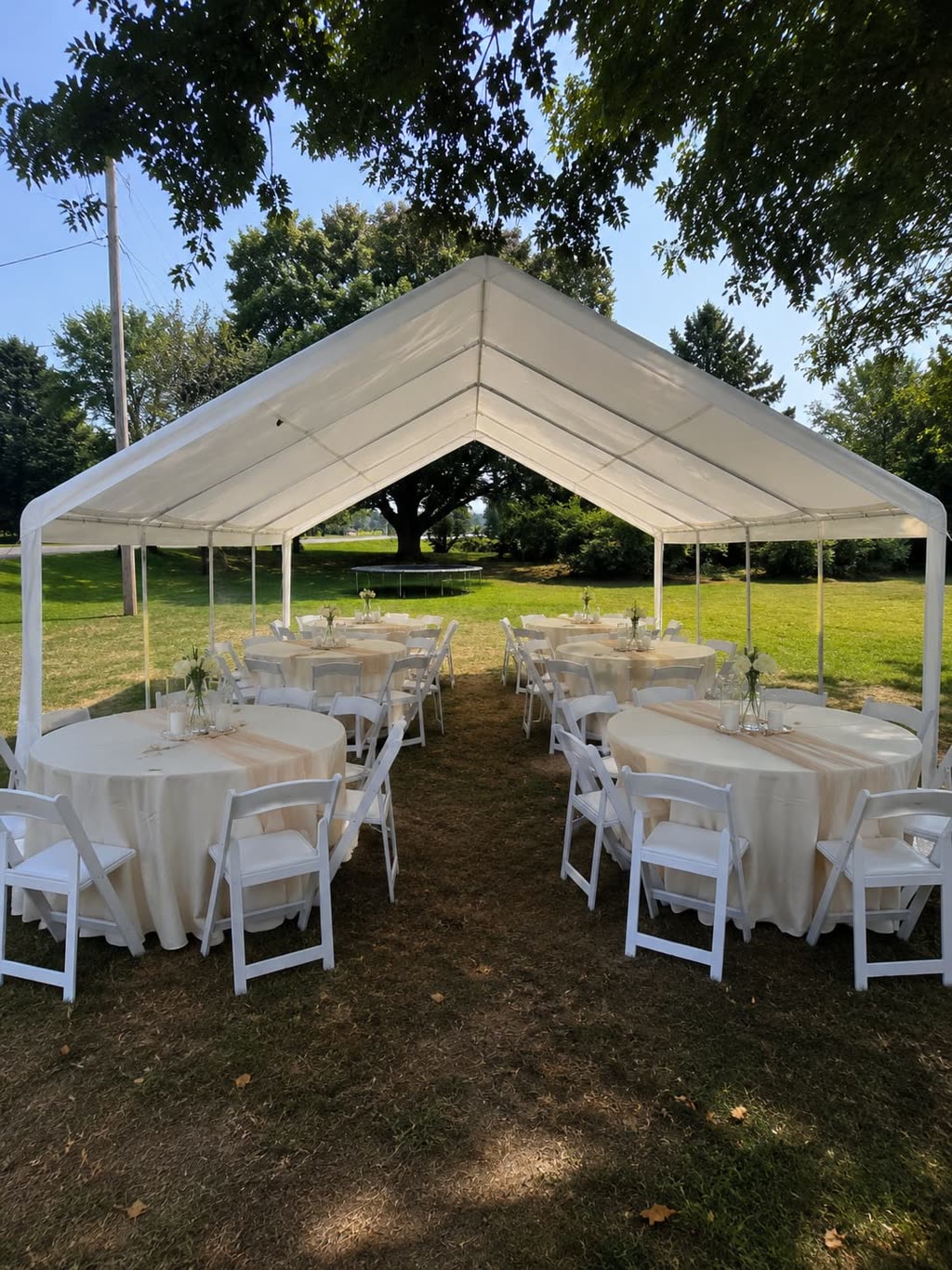
Selecting the Ideal tent rental for Your Charity Fundraiser
Choosing the right tent rental begins with matching the size and style to the event’s atmosphere. For a formal dinner with tables and linens, a clear‑span frame tent offers unobstructed interior space and can be paired with sidewalls for a polished look. If your fundraiser includes a live band or DJ, a taller peak height accommodates lighting rigs and sound equipment without feeling cramped.
Review the available frame options from the local inventory. Units such as a 20×30 or 20×40 provide generous coverage for medium‑sized gatherings, while a 30×60 can host larger crowds with room for a dance floor and stage. Verify that the tent’s material is rated for wind and UV resistance, especially if the event runs into the late afternoon when gusts can increase.
Confirm that the rental company includes delivery, setup, and takedown in their service scope. A professional crew will anchor the structure securely to grass or concrete, using appropriate stakes or weights. This attention to detail prevents shifting during the event and guarantees that the tent remains safe for all attendees, from guests to volunteers.
Preparing the Yard for Safe Tent Installation
Before the tent rental crew arrives, inspect the chosen site for level ground, drainage, and overhead clearance. Remove any rocks, branches, or loose debris that could puncture the fabric or interfere with anchoring stakes. If the yard has a slight slope, discuss leveling options with the crew; they can bring shims or adjustable bases to create a stable platform.
Identify the location of utility access points. A grounded exterior outlet is essential for blower units powering bounce houses or water slides, and for any lighting or sound equipment you plan to run inside the tent. If the nearest outlet is beyond a safe distance, arrange for a generator in advance and confirm fuel requirements with the provider.
Mark the perimeter where the tent edges will sit using spray paint or flags. This visual guide helps the crew align the structure accurately and ensures that setback distances from fences, trees, or property lines are respected. Proper yard preparation not only speeds up installation but also reduces the risk of damage to both the tent and your landscaping.
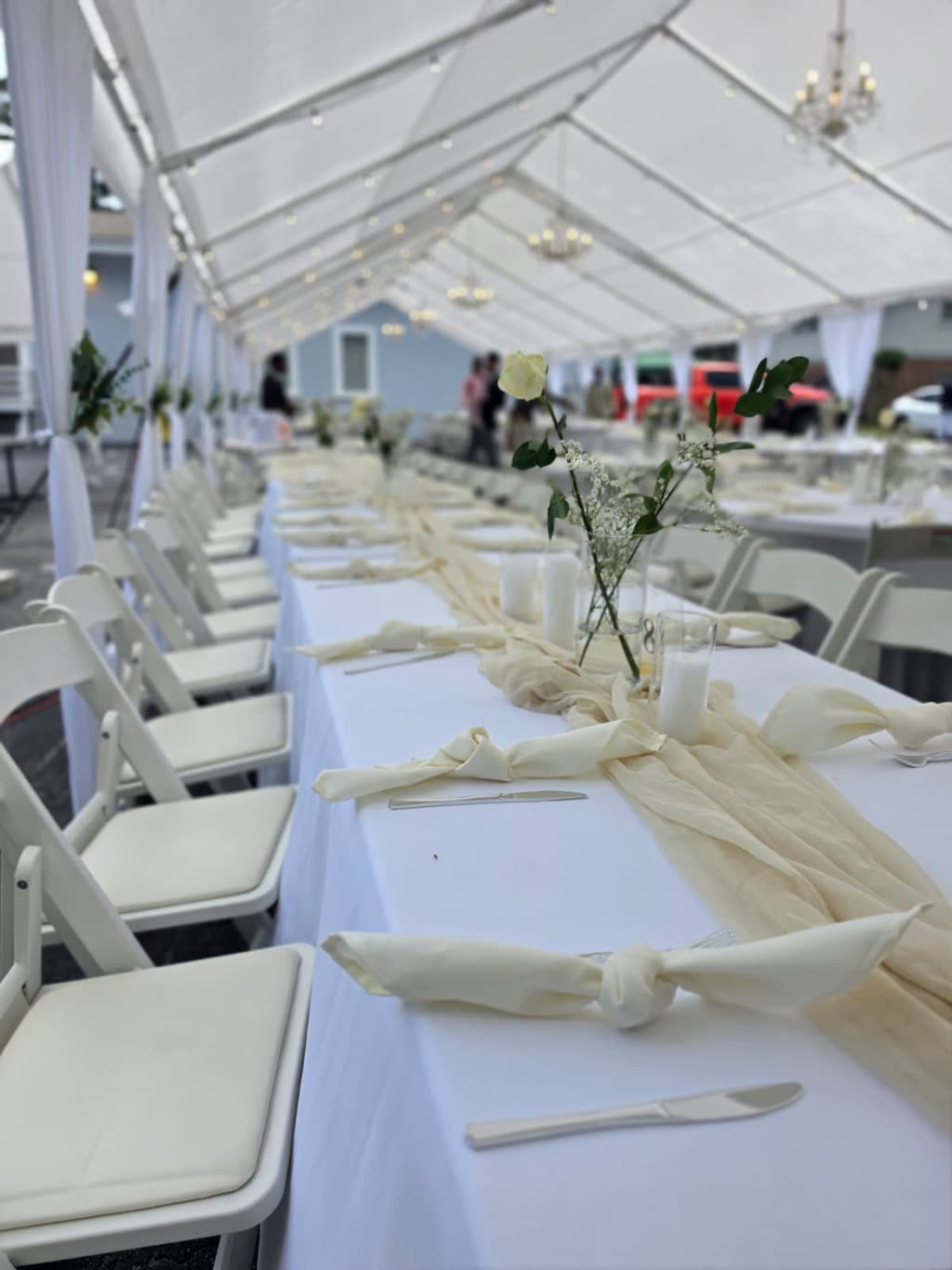
Coordinating Timeline and Delivery Logistics from Pendergrass
Delivery timing is calculated based on the distance from the Pendergrass warehouse to Jefferson, which is roughly ten minutes under normal conditions. Aim to have the tent rental arrive at least two hours before the scheduled start of your fundraiser. This window allows the crew to unload, position, anchor, and perform a safety check without rushing.
Communicate the exact event address, including street number, unit if applicable, and ZIP code, to the logistics team. Providing a clear point of contact on site—such as a volunteer coordinator—helps the driver locate the entrance quickly and avoids delays caused by locked gates or unclear signage.
Plan for a buffer period after the event for takedown. Depending on the size of the tent and the complexity of the décor, breakdown can take anywhere from one to two hours. Scheduling the pickup for the evening of the fundraiser or the following morning ensures that the crew can work safely in daylight and that your yard is returned to its original condition promptly.
Planning for Weather and Implementing a Rain Plan
North Georgia weather can shift rapidly, especially in the spring and fall months when charity fundraisers are popular. Review the forecast in the days leading up to the event and identify a threshold for wind speed or precipitation that would make the tent unsafe. Most frame tents are rated for winds up to a certain mile‑per‑hour limit; exceeding that limit requires evacuating the structure or postponing the affair.
Discuss sidewall options with your rental provider. Adding sidewalls on two or three sides creates a barrier against rain and wind while still allowing ventilation through the remaining open sections. Transparent sidewall panels preserve visibility and let natural light filter in, keeping the interior bright even when clouds gather.
Have a contingency plan that includes access to nearby indoor space, such as a community hall or a church basement, in case severe weather forces a relocation. Keep a list of contact numbers for those venues and share it with your planning committee. By preparing a clear rain plan, you protect guests, equipment, and the fundraising goals of the day.
Final Checklist and Day‑of Coordination
On the morning of the fundraiser, walk the site with the rental crew to confirm that all anchoring points are secure and that the tent fabric is taut but not overstressed. Verify that lighting strings, chandeliers, or LED strips are properly fastened and that electrical cords are routed away from walkways to prevent tripping hazards.
Ensure that tables, chairs, linens, and any décor items are placed according to the pre‑approved layout. Confirm that the buffet or food service area has sufficient clearance for servers and that any heating or cooling units are positioned safely. A quick walkthrough with the event host and a volunteer lead helps catch any oversight before guests arrive.
After the event concludes, conduct a final inspection with the crew to check for any damage to the tent or to the property. Collect all rental items, such as lighting rigs, bounce house blowers, and catering equipment, and load them onto the transport vehicle. Sign off on the delivery and pickup paperwork, and retain a copy for your records. This thorough closeout process ensures a smooth experience and builds a reliable relationship for future charity events.
Guest‑Count Math
Start by listing every attendee type: seated guests, standing cocktail guests, children, and service staff. Assign a space factor—seated guests need about ten square feet each, standing guests about six square feet, and children about four square feet. Multiply each group’s count by its factor and sum the results to get the total floor area required. This method lets you see whether a single 20×40 tent or a 20×20 plus 10×20 combination will meet the need.
Yard Prep
Walk the property and note any low spots where water collects after rain; fill them with sand or gravel to prevent pooling under the tent. Trim back low‑hanging branches that could snag the fabric or impede stake placement. If you have irrigation heads, mark them clearly so the crew can avoid damaging the lines while anchoring.
Load‑In Timeline
Confirm the crew’s estimated arrival time based on the real‑time traffic report from Pendergrass to Jefferson. Allow a fifteen‑minute window for unloading the tent poles, fabric bags, and accessory boxes before anchoring begins. After the frame is up, allocate thirty minutes for raising the fabric and securing sidewalls, then another fifteen minutes for a final safety walk‑through.
Rain Plan
Identify a nearby indoor backup venue—such as a community center gym or a church fellowship hall—that can accommodate the same guest count if the forecast calls for heavy rain. Keep a printed map and the contact person’s phone number in your event folder. If the weather improves, the crew can quickly remove the sidewalls and restore the open‑air setup.
Local Logistics
Check Jefferson’s municipal website for any special event permits that may be required for tents larger than a certain size or for amplified sound. Verify that there are no scheduled road closures or school events on your chosen date that could affect delivery truck access. Share the exact cross‑street information with the driver so they can navigate any one‑way streets or low‑clearance bridges.
Checklist
- Guest count broken down by seating, standing, and children
- Space‑factor calculation completed and total area noted
- Site inspected for level ground, drainage, and overhead clearance
- Utility access points identified and generator arranged if needed
- Delivery window confirmed with crew and point of contact designated
- Sidewall and lighting plans reviewed and approved
- Rain‑plan indoor backup venue contacted and contact info saved
- Local permits checked and any required applications submitted
- Post‑event breakdown schedule set and pickup time confirmed
Frequently asked questions
How do I determine the right tent size for my charity fundraiser in Jefferson?
Estimate your guest count, then allocate about ten square feet per person for seated dining or six to eight square feet for cocktail style. Add extra space for stages, buffet lines, and any activity zones to find the minimum square footage needed. This calculation guides you toward a tent that fits comfortably without overcrowding the yard.
What should I check in my yard before the tent rental crew arrives?
Look for level ground, good drainage, and clear overhead space. Remove debris, mark the perimeter, and locate a grounded exterior outlet for blower units or lighting. Discuss any slope or obstacle with the crew so they can bring the appropriate anchoring equipment or leveling tools.
How far in advance should I schedule the tent delivery and setup?
Aim for delivery at least two hours before your event start time, especially since Jefferson is only about ten minutes from the Pendergrass warehouse. Provide the exact street address and a on‑site point of contact to avoid delays, and leave time for a safety check before guests begin to arrive.
What wind or rain conditions would require adjusting the tent plan?
Most frame tents are rated for specific wind limits; if forecasts exceed those limits, consider adding sidewalls, postponing, or moving to indoor shelter. Transparent sidewalls protect against rain while maintaining light, and having a backup venue contact helps you act quickly if conditions deteriorate.
Who handles the takedown and removal of the tent after the fundraiser?
The rental crew manages breakdown, typically taking one to two hours depending on size and décor. Schedule pickup for the evening of the event or the following morning, and do a final walk‑through with the crew to confirm everything is loaded and the yard is restored to its original condition.
Is it necessary to have a generator for bounce houses or lighting during the event?
If the nearest grounded exterior outlet is out of reach for blower units or lighting strings, arrange a generator in advance. Confirm fuel requirements and placement with the rental provider to keep power sources dry, ventilated, and safely distanced from guest areas.