
Understanding the Hybrid Format
If you’re planning a setting that blends in‑person guests with a live‑streaming audience, the hybrid event becomes a dual experience that requires careful synchronization of space, technology, and hospitality. The key benefit of a hybrid format is that it extends your celebration to friends, family, or colleagues who can’t physically occupy your back yard, yet still share the emotion and celebration in real time.
When you translate that concept into a tent layout, you are essentially creating two zones: a comfortable, well‑lit area for your guests under the canopy, and a dedicated streaming zone that can capture and broadcast the event without distraction. A misstep in spatial planning can cause acoustics, lighting, or camera angles to fail, which ruins the experience for both audiences. In Jefferson, with its many backyards on Old Pendergrass Road and the vibrant neighborhood of Jefferson High School, you have a natural stage to orchestrate these components.
Hybrid Event: The Core of Your Design
Keeping the "hybrid event" keyword front and center is crucial when customers seek strategy: a hybrid event demands a layout that evenly supports live interaction and video content. You’ll concentrate your venue staff within a radius that a single overhead tent can cover—ideally a 20×30 or 20×40 footprint—while the streaming booth sits in a smaller, well‑controlled stand or balcony that offers optimal line‑of‑sight to a camera set‑up.
At this stage, sketch a rough floor plan: the tent’s entrance, service area, reception, seating clusters, a clear microphone path, and a dedicated streaming station. Each zone should feel distinct yet cohesive. For Jefferson attendees, use the commonly available drive by “old Pendergrass Road” trees as natural visual anchors for the tent’s decorative theme, while ensuring the streaming booth remains at least 15 feet from aisles to minimize echo.
Guest Count Calculations for a 300‑Guest Gathering
Let’s walk through a practical guest tally. Suppose your hybrid event host wants to accommodate 250 in‑person guests while enabling 1,000 virtual participants. With a 20×30 tent, you comfortably seat 60 guests at 4‑seat round tables. By adding a 10×20 side tent for a buffet and a 10×10 container tent for the streaming booth, you can safely serve the remaining 190 without crowding.
Use the following seating logic: 4‑seat round tables representing 6‑seat capacity per table; 6‑seat rectangular tables for 8 guests each. If you set up eight 4‑seat tables (32 guests) and nine 6‑seat rectangular tables (72 guests), the main tent carries 104 seated guests. Add a second side tent for cocktail tables (30” Flash Furniture) holding 2–4 standing guests per table. Estimate that about 12 cocktail tables serve an additional 48 standing guests, matching your 250 target.
Yard Preparation & Logistical Steps
Jefferson’s backyards off Old Pendergrass Road often feature uneven grass and seasonal vines. Before installation, scope the site: measure width and length of the driveway for transporter clearance. Clear a corridor of at least 20 feet wide from the main entrance to the tent, and level any low patches with a sand raking set. Securement points on the ground must permit your galvanized CRS tubes to anchor, so consult a contractor or our site‑check specialist to confirm soil stability.
When lighting up the back yard, position LED tent lighting along the outer perimeter of the tents at the catalogized ounce per foot, ensuring the rain‑resistant cover stays dry. Use bistro string lights on patio tables via the patio’s electric outlets so that even your lower‑lying streaming booth is beautifully lit. Remember, for a hybrid event, light warm‑tint LED strips around the streaming booth’s floor open area to create a flattering backdrop without washing the cameras.
Live Streaming Integration
Integrating the live feed from your hybrid event is straightforward when you allocate a dedicated tent for streaming. The 10×10 container tent should be set up with a stable, level floor or a foldable platform. Install a camera mount that allows 0 to 30‑degree tilts; use a 3‑piece tripod with a 360‑degree head so the operator can shift focus to the ceremony without moving.
Connect a high‑bandwidth wireless or wired internet network to the streaming booth, ideally from a receiver outside the tent providing a stable signal over the 100‑meter range. Keep the coaxial cable short and coiled to avoid interference. Place your audio mixer within reach of a wireless microphone system that can capture both the speech and music, sending the feed in 1080p to your live‑streaming service like Zoom or YouTube Live.
Rainfall Contingency Plan
In Jefferson, summer showers are common and the ground can become slick at short notice. To cover rain, prepare sidewall panels that can be accessed via the “old Pendergrass Road” gate. Your 20×30 tent can fold the sidewalls to create a 20×30 × Train. When constructing the tent, ensure the gable stretch panels are rigged to a permanent fixed anchor that remains stable against wind gusts recorded up to 45 mph in the county’s recent data.
For sudden weather, arrange a rain check: shift the main ceremonial ceremony to inside a 10×10 container tent set behind the main stage placed at the driveway entrance. Deliver the same décor using portable lighting; all microphones adjust for local acoustics. Keep an umbrella rack next to the dining area; its simple white canvas will blend into the venue and maintain a warm aesthetic even in rain.
Drive Logistics & Traffic Flow
Map out a one‑way path for guests arriving on back roads. For Jefferson, the 10‑mile drive from your warehouse to the host’s property offers a straightforward route; designate the “Old Pendergrass Road” entry as the official pull‑in point. Staff should park at the far side of the back yard and walk guests to the main pavilion. Use a simple "Welcome Mirror" with a welcoming phrase on a reflective background—free of the element and practically a low‑cost addition.
To keep traffic from obstructing the streaming booth’s angle, create a separate aisle behind the official boot camp. Attach a clearly marked sign reminding guests to stride through the designated path. A 20‑foot screen on the venue’s yard side will showcase the live feed, so drivers do not inadvertently cut off the booth’s line‑of‑sight.
Timeline: From Setup to Curtain Call
Coordinate the event day timeline following this carefully plotted schedule:
- 5:00 PM – Tent crews arrive at the back yards of Jefferson; delivery of 20×30, 10×20, 10×10, and necessary furniture.
- 5:30 PM – Grading crew levels the drive corridor; installers anchor the tent frames.
- 6:30 PM – Staff begin table setting; staff install LED lighting, bistro strings, and the streaming booth’s equipment.
- 7:30 PM – Trio of mixers calibrate the audio system; final light checks done by the scenic team.
- 8:00 PM – Welcome Mirror set; shrubs lined along pathways.
- 8:30 PM – Test livestream with a soft countdown; troubleshoot any lag.
- 9:00 PM – Ceremony begins, with the camera in focus.
- 10:00 PM – Cocktail hour inside the 10×20 tent; streaming feed continues.
- 11:30 PM – Closing dance on the 20×30 runway.
- 12:30 AM – Break down of tents, furniture, and equipment; clean-up crew detaches anchors.
This structure ensures that all guests experience a seamless flow from arrival to celebration, and the live stream remains uninterrupted.
Final Checklist & Execution Preparation
Before the event, confirm the following:
- All tents are inspected and secured with graded stakes; grass anchors are deployed where necessary.
- All outdoor lighting is checked for functionality and mounted 7 feet above the floor to avoid trip hazards.
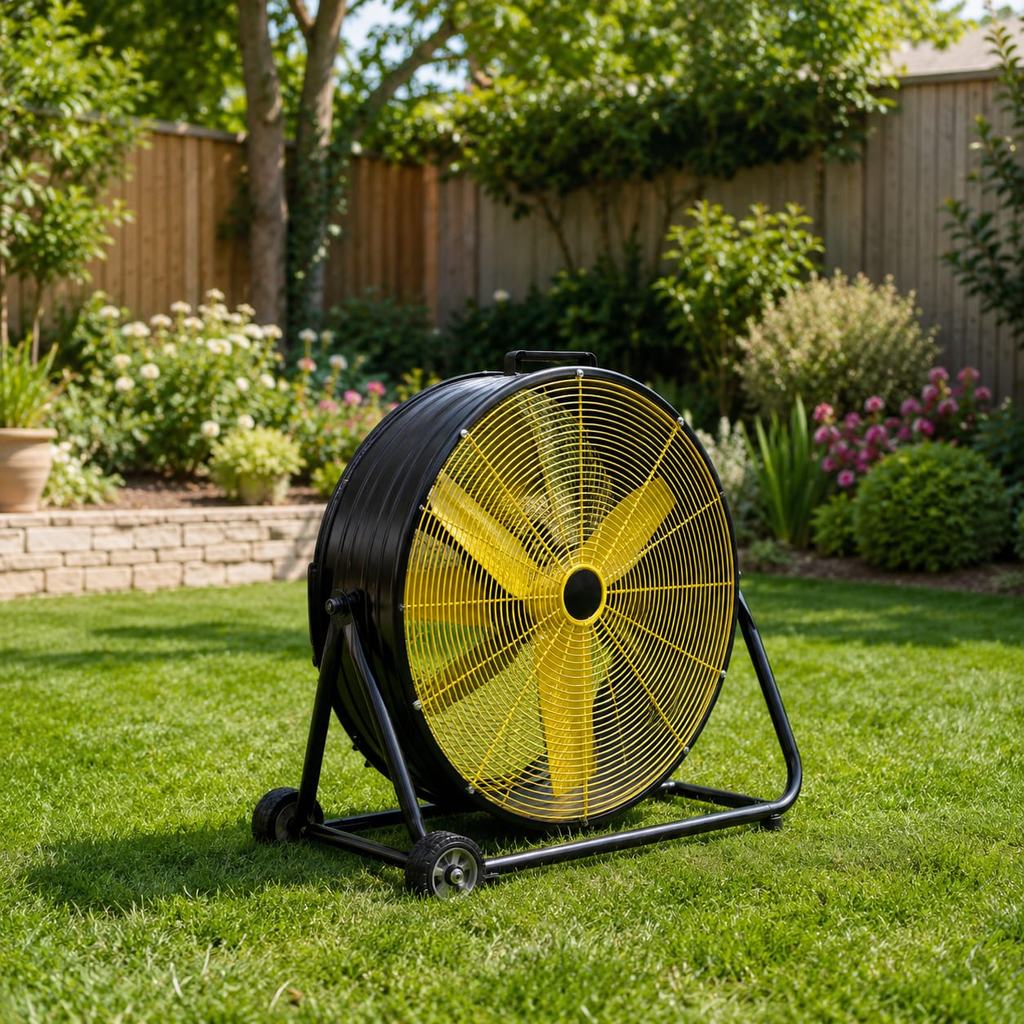
- Air fans or DeKalb fans are in place to circulate air, preventing stifling conditions inside large tents.
- Audio mixers, microphones, and ambient music schedules are rehearsed with staff.
- Backup generators are parked within 15 feet of the 10×10 streaming tent to support plugs during peak demand.
- Staff training session on guest flow, safety protocols, and emergency procedures.
By following this plan rigorously, you guarantee that your hybrid event in Jefferson hooks every attendee—whether they’re lounging under the tarp or watching from home. The intertwining of physical presence and live broadcast, combined with professional tent expertise, ensures a memorable celebration for every participant.
Frequently asked questions
How many guests can fit in a 20×30 tent?
48–60 seated, up to 80 cocktail guests if arranged efficiently.
Can I use the main tent for the live stream?
It’s better to keep the streaming booth in a separate tent for stability and lighting.
What is required for rain protection?
Sidewalls on the tent and a backup 10×10 tent for ceremonies.
Do I need a dedicated Wi‑Fi booster for the stream?
Yes, a line‑of‑sight, wired connection to the streaming booth is ideal.
Is a mirror included with the wedding package?
Yes, a welcome mirror is a complimentary add‑on.
How early should the team arrive on the day of the event?
About 4 hours before the start time to ensure setup and safety checks.