
Why a Thoughtful Tent Layout Matters for Kids' Parties
When planning a backyard celebration for children, the way the tent is arranged directly influences both safety and enjoyment. A clear layout creates defined spaces for different activities, which helps adults supervise effectively and reduces the chance of collisions or crowded areas. In Jefferson, Jackson County, many families host parties near landmarks such as the neighborhoods around Jefferson High School and the backyards off Old Pendergrass Road, where yards vary in size and shape. Taking a few moments to map out the tent interior before the event starts can prevent last‑minute confusion and keep the focus on fun.
A well‑organized tent also supports the flow of guests, allowing children to move easily between stations like crafts, games, and refreshments without bottlenecks. By placing high‑energy zones near the entrance and quieter areas toward the back, you create a natural rhythm that keeps excitement levels balanced. This approach works especially well for parties that blend structured activities with free play, ensuring that every child has a chance to participate while staying within sight of responsible adults. The result is a safer environment where parents can relax and kids can fully enjoy the celebration.
Assessing Your Jefferson Backyard Space
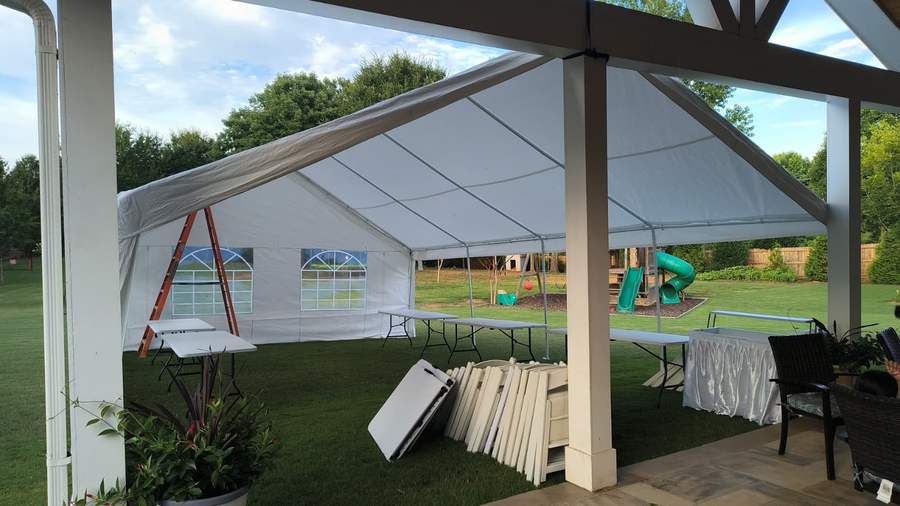
Begin by measuring the usable area of your yard, noting any permanent features such as trees, garden beds, or slopes that could affect tent placement. In Jefferson, many residential lots range from 0.2 to 0.5 acres, providing ample room for a medium‑sized tent when the space is cleared of toys, lawn furniture, and debris. If your property is near Traditions of Braselton or along Old Pendergrass Road, you may also encounter mature shade trees that can serve as natural windbreaks, but be sure to keep the tent at least ten feet away from trunks to avoid damage to both the tree and the fabric.
Next, evaluate the ground surface. The tent requires a relatively flat area with good drainage; uneven ground can cause pooling during rain and make anchoring less effective. Use a simple level or a long board to spot any dips or rises, and consider adding a thin layer of sand or gravel if needed to create a uniform base. Remember to leave at least three feet of clearance around the perimeter of the tent for stakes, ropes, and easy access for the installation crew. This buffer also provides a safe exit route for children in case they need to leave the activity zone quickly.
Choosing the Right Tent Size for a Tent Layout for Kids
Selecting a tent that matches your expected headcount is the foundation of a functional layout. For a kids‑focused party, a 20 × 20 foot tent comfortably seats 32 to 40 children, leaving room for activity stations and circulation paths. If you anticipate a smaller gathering of 15 to 20 kids, a 10 × 20 foot unit provides 16 to 20 seated spaces and still allows for distinct zones. Larger events with up to 50 participants may benefit from a 20 × 30 foot tent, which accommodates 48 to 60 seated guests and offers additional floor space for multiple activity clusters.
To illustrate guest‑count math, imagine a party with 30 children and a handful of adult helpers. A 20 × 20 foot tent gives you roughly 35 square feet per child when seated, which is more than enough for chairs, small tables, and open play area. Subtract the space needed for a snack table (about 4 × 6 feet) and a craft station (approximately 6 × 8 feet), and you still have over 200 square feet free for games and movement. This simple calculation helps you avoid overcrowding while ensuring each zone has adequate breathing room.
Defining Activity Zones Inside the Tent
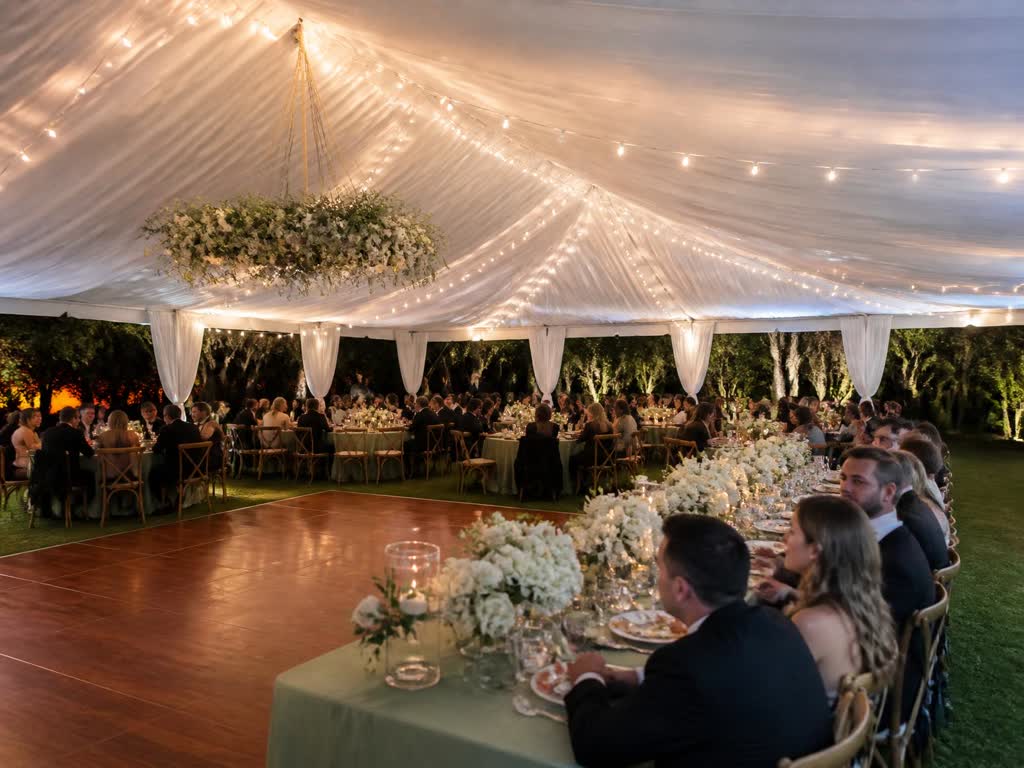
Divide the interior into logical sections that cater to different interests and energy levels. A typical layout might include a craft corner near one side wall, a game area in the central open space, and a snack station close to the entrance for easy replenishment. Use low tables or folding benches to mark each zone, and consider adding colorful runners or themed tablecloths to visually separate the areas without erecting physical barriers. This visual cue helps children understand where each activity belongs and reduces the likelihood of them wandering into unsuitable spaces.
Think about the flow of traffic when placing these zones. Position the craft table away from the high‑energy game area to keep glitter, glue, or small parts from being knocked into active play. Locate the snack station near the tent opening so that adults can quickly refill drinks or plates without crossing through the middle of the tent. If you include a bounce house or water slide nearby, place it on open lawn outside the tent with a clear path for children to exit safely, ensuring the blower has adequate ventilation and stake room. This thoughtful arrangement keeps the tent interior organized while still allowing for exciting outdoor attractions just beyond the fabric.
Safety Measures for a Kids' Focused Tent Layout
Proper anchoring is essential, especially on grassy surfaces common in Jefferson yards. Use the recommended steel stakes or weighted sandbags supplied with the tent, and verify that each anchor point is secure before allowing children inside. Keep all ropes and cords tucked away or covered with protective caps to prevent tripping hazards. Additionally, maintain a clear perimeter of at least three feet around the tent exterior where stakes are placed; this zone should be free of toys, garden tools, or loose debris that could interfere with the anchoring system.
Supervision remains the most effective safety tool. Assign at least one responsible adult for every ten children, positioning them so they can sight‑line all activity zones without obstruction. If sidewalls are added for wind or temperature control, ensure they are fastened securely and that any windows or vents remain unobstructed to allow airflow. In the event of sudden weather changes, have a plan to quickly secure the tent, such as tightening guy lines or lowering sidewalls, and keep a fully charged phone nearby for emergency communication. These precautions create a protected environment where kids can play freely while adults retain confidence in the setup.
Timeline and Logistics for Setup and Takedown
Start planning the logistics at least one week before the event date. Confirm the exact address, including street, city, state, and ZIP code, and verify that Jefferson falls within the 40‑mile service radius from our Pendergrass warehouse—approximately a ten‑minute drive via GA‑332 and local roads. Share the precise location with the delivery team so they can navigate directly to the correct driveway, whether you are off Old Pendergrass Road, near Traditions of Braselton, or in a subdivision close to Jefferson High School. Providing the ZIP code helps the crew calculate the exact mileage and confirm any applicable delivery arrangements.
On the day of the party, aim to have the installation crew arrive two hours before the scheduled start time. This window allows them to unload the tent, lay out the ground cover, erect the frame, secure the anchors, and install any requested sidewalls or lighting. While the crew works, you can finalize activity stations, arrange tables and chairs, and set up the snack area. After the celebration concludes, the takedown process typically takes about an hour and a half, during which the fabric is carefully folded, the frame is disassembled, and all equipment is loaded back onto the truck. Clear communication of start and end times ensures a smooth experience for both hosts and the service team.
Rain Plan and Contingency Options
Even with a reliable forecast, it is wise to prepare for unexpected showers. Sidewalls are the most common add‑on for wind protection and light rain; they attach securely to the tent frame and can be closed on two or three sides depending on the direction of the precipitation. When sidewalls are in place, remind guests to keep the entrance clear for quick exit if conditions worsen, and ensure that any electrical equipment, such as speakers or lighting, remains covered and dry. Having a few large umbrellas or pop‑up canopies on hand can also provide supplemental shelter for the snack or craft areas if the rain intensifies.
If the weather forecast indicates a high probability of thunderstorms or sustained high winds, consider rescheduling the event to a later date. Our team can assist with moving the booking to an alternative day that still fits within the desired season, keeping the same tent size and layout plan. Communicate any date change to guests as early as possible, using the contact information collected during the RSVP process, to avoid confusion. By preparing both a sidewall option and a flexible date policy, you maintain the safety and enjoyment of the party regardless of Georgia’s changeable skies.
Frequently asked questions
How far in advance should I book a tent for a kids' party in Jefferson?
We recommend securing your tent at least two to three weeks before your event date, especially for weekend dates during peak season, to ensure availability of the desired size and any requested add‑ons such as sidewalls or lighting.
What information do I need to provide for a smooth delivery?
Please share the full street address, city, state, and five‑digit ZIP code, along with a contact phone number, so our team can verify the location, confirm it lies within the service radius, and plan the most efficient route from our Pendergrass warehouse.
Can the tent be installed on a sloped backyard?
Our installation crew evaluates the ground on site; minor slopes can often be accommodated with proper leveling techniques, but significant inclines may require adjusting the tent placement or using additional anchoring methods to ensure stability.