
Understanding the Need for Cool Comfort at Outdoor Tent Events
When planning an outdoor tent event in Jefferson, Jackson County, the summer sun can raise temperatures quickly, making guest comfort a top priority. Hosts often notice that even a well‑ventilated tent can feel stuffy when dozens of people gather, especially during midday celebrations. Recognizing early that heat stress can affect enjoyment helps you prioritize solutions that keep the atmosphere pleasant. By assessing the expected guest count, the time of day, and the typical weather patterns for late spring through early fall in this part of Georgia, you can determine how much cooling support is necessary. A clear picture of the environment guides decisions about tent size, fan placement, and hydration stations, ensuring that everyone stays relaxed and able to enjoy the festivities without overheating.
In Jefferson, many backyards off Old Pendergrass Road and the neighborhoods surrounding Jefferson High School feature open lawns that receive direct sunlight for most of the day. The proximity to Traditions of Braselton means that evening breezes can be moderate, but they are not reliable enough to replace active cooling measures. Knowing that the average high temperature in July often exceeds 90 °F, you can anticipate that a combination of shade, airflow, and water access will be required. This understanding sets the foundation for a practical plan that integrates shade fans as a core component of your cooling strategy, rather than an afterthought.
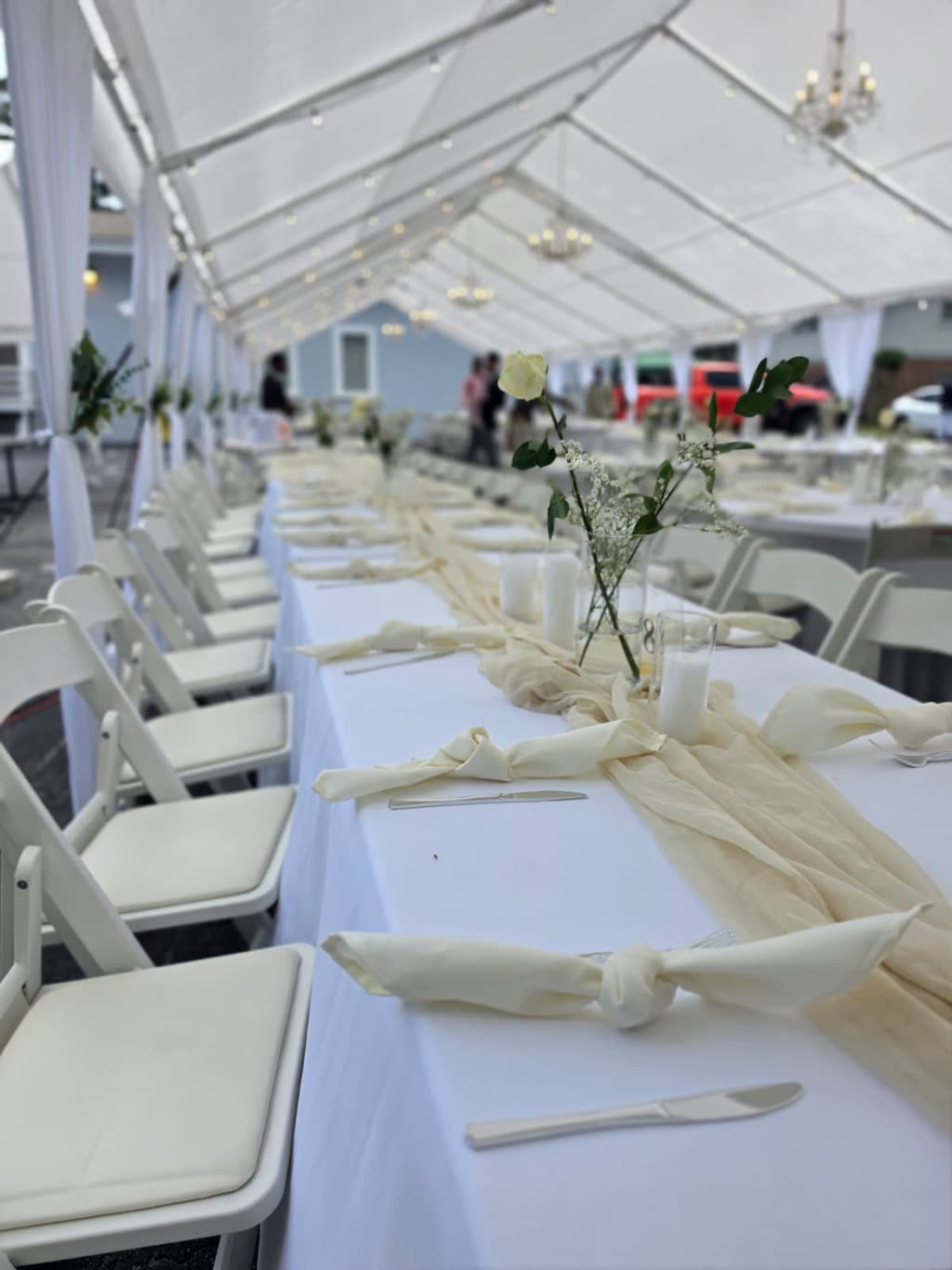
shade fans
Shade fans are portable, high‑velocity units designed to move large volumes of air while providing a shaded canopy effect when positioned under a tent. Unlike standard ceiling fans, these units are built for outdoor use, featuring weather‑resistant housings and sturdy bases that can be secured to grass or concrete. When placed strategically, they create a breeze that reduces the perceived temperature by several degrees, making the space feel more comfortable even when the sun is intense. The airflow also helps evaporate moisture from skin, which is a natural cooling process, and it prevents the buildup of stagnant air that can make guests feel warm and uneasy.
For a typical Jefferson backyard event, a good rule of thumb is to allocate one shade fan for every 50 to 60 guests when the tent is fully occupied. If you are hosting a quinceañera with 120 guests, for example, you would plan for two to three units spaced evenly along the length of the tent. The fans should be angled slightly downward to push air toward the seating area rather than blowing directly at faces, which can be uncomfortable. By integrating shade fans early in the layout design, you ensure that the cooling effect is distributed uniformly, avoiding hot spots near the walls or corners where air tends to stagnate.
Choosing the Right Tent Size and Layout for Airflow
The size of the tent directly influences how well air can circulate inside. A larger footprint provides more volume for air to move, reducing the likelihood of heat buildup. For events in Jefferson, a 20 × 30 foot tent comfortably accommodates up to 60 seated guests while leaving ample space for fans and movement. If you anticipate a larger gathering, such as a family reunion with 150 attendees, pairing a 20 × 40 foot tent with a 20 × 20 foot secondary unit creates a 20 × 60‑foot run that maintains proper airflow without exceeding the structural limits of the frames. This approach respects the manufacturer’s specifications and guarantees that the tent remains stable even when fans are operating at full speed.
Layout considerations go beyond square footage; the arrangement of tables, chairs, and activity zones impacts airflow pathways. Positioning the main dining area along the centerline of the tent allows fans placed at each end to push air down the length of the space, creating a gentle cross‑draft. Keeping the perimeter clear of obstructions such as stacked chairs or decorative columns ensures that the breeze can travel freely. In Jefferson yards, where the ground may be slightly uneven, using leveling plates or adjustable bases for the fans helps maintain consistent airflow direction, preventing pockets of warm air from forming near the floor.
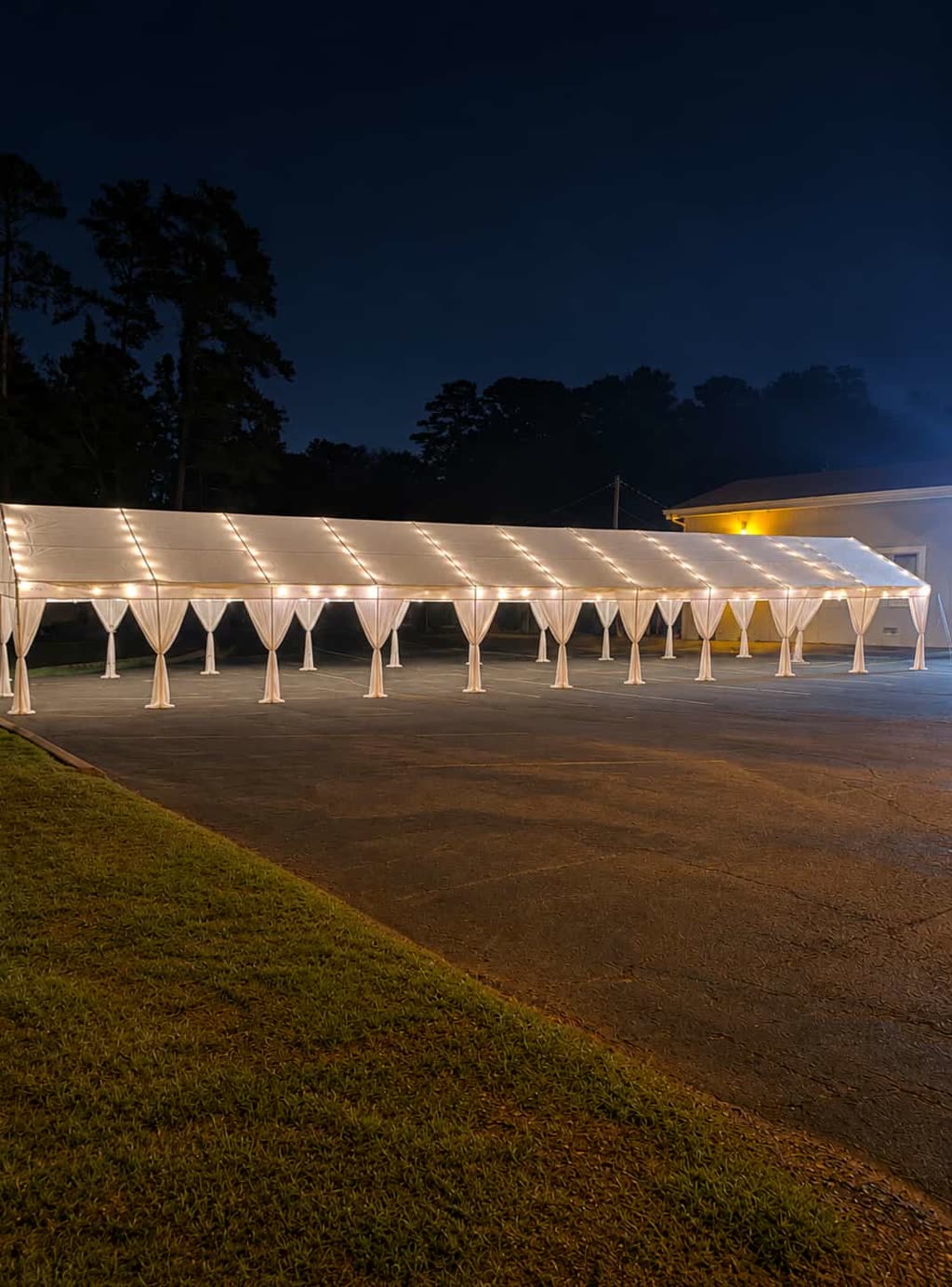
Positioning Shade Fans for Maximum Effect
Effective placement of shade fans requires an understanding of both wind direction and the tent’s interior geometry. Start by identifying the prevailing breeze for the time of day your event will take place; in Jefferson, late afternoon often brings a light south‑west wind. Orient the fans so that they complement this natural airflow rather than work against it. For example, if the breeze comes from the west, place fans on the eastern side of the tent blowing westward to reinforce the existing flow. This synergy reduces the workload on the fans and enhances the overall cooling effect.
Mount the fans on sturdy bases that can be secured to the ground with stakes or sandbags, especially if the surface is grass. Ensure that each unit has at least three feet of clearance on all sides to avoid recirculating exhausted air back into the intake. For a 20 × 30‑foot tent hosting 80 guests, a common configuration is to install two fans at the midpoint of each long side, angled slightly inward to create a gentle vortex that moves air from the sides toward the center. Adjust the height of the fan’s airflow outlet to about six to seven feet above the floor, which aligns with the average seated guest’s head level, maximizing the sensation of coolness without causing drafts that could disturb table settings.
Hydration Stations and Guest Comfort Tips
Providing ample hydration is as important as airflow when keeping guests cool. Set up clearly marked water stations at both ends of the tent and near the food service area, allowing guests to refill cups without having to travel far. In Jefferson, where outdoor events often stretch into the evening, consider offering infused water with citrus or mint slices to encourage frequent drinking. Using durable, reusable cups or biodegradable options reduces waste while maintaining a tidy environment. Place the stations on sturdy tables that are level and away from high‑traffic pathways to prevent spills that could create slip hazards.
Beyond water, think about additional comfort measures such as providing handheld misting fans or offering shaded lounge areas with lightweight seating. Encourage guests to take short breaks in the shade if they feel warm, and remind parents to monitor children for signs of overheating. Scheduling high‑energy activities, like games or dancing, for the cooler parts of the day—early morning or later evening—helps manage body temperature. By combining shade fans, smart hydration, and thoughtful scheduling, you create a holistic comfort plan that addresses heat from multiple angles.
Rain Plan and Contingency Measures
Even with the best cooling preparations, sudden rain can affect an outdoor tent event. In Jefferson, afternoon thunderstorms are common during the summer months, so having a rain plan is essential. Ensure that your tent includes sidewalls that can be quickly deployed if precipitation begins. These sidewalls not only protect guests from rain but also help retain the cool air generated by the shade fans, preventing warm, humid air from entering the space. Keep the sidewalls stored in a dry, accessible location so that the installation team can attach them within minutes.
If the weather forecast indicates a high likelihood of storms, consider scheduling a backup indoor option, such as a community hall or a large garage, as a last resort. Communicate this plan clearly to vendors and guests ahead of time so that everyone knows the procedure. Additionally, have a supply of towels and a dry area for equipment to prevent water damage to the fans and electrical components. By preparing for rain alongside your cooling strategy, you maintain guest comfort regardless of atmospheric changes.
Drive Logistics and Setup Timeline for Jefferson Hosts
Coordinating the delivery and setup of tents, fans, and other equipment requires careful timing, especially given the 40‑mile service radius from the Pendergrass warehouse. Jefferson is roughly ten minutes away, which allows for a efficient morning arrival. Aim to have the delivery truck reach the site by 8:00 a.m. for an event that starts at 10:00 a.m., giving the crew ample time to unload, position the tent, secure the fans, and conduct a safety check. This window also accommodates any unexpected delays, such as navigating narrow streets in the Traditions of Braselton subdivision.
On the day of the event, create a simple timeline: 8:00‑8:30 a.m. for truck arrival and equipment staging, 8:30‑9:30 a.m. for tent erection and sidewall installation, 9:30‑10:00 a.m. for fan placement, power connection, and a test run of the airflow system. After the ceremony or main activities begin, a crew member can monitor the fans and make minor adjustments if needed. After the event concludes, allocate time for breakdown and loading, aiming to have the truck depart by 11:00 p.m. if the celebration runs late. This structured approach ensures that the cooling elements are operational when guests arrive and that the site is left clean and ready for the next use.
Frequently asked questions
How many shade fans should I plan for a 100‑guest event in Jefferson?
For a gathering of about 100 guests, plan for two shade fans positioned along the longer sides of the tent to provide even airflow; adjust based on tent layout and sun exposure.
Can shade fans be used on uneven grass lawns common in Jefferson yards?
Yes, shade fans come with adjustable bases and can be secured with stakes or sandbags to remain stable on slightly uneven grass surfaces.
What is the best time of day to rely on natural breeze instead of fans in Jefferson?
Late afternoon often brings a light south‑west wind; align fan direction to complement this breeze for added cooling effect.
How do sidewalls help with cooling during a rain shower?
Sidewalls block rain while retaining the cool air moved by the fans, preventing warm, humid air from entering the tent space.
Should I provide extra water stations if I am using shade fans?
Absolutely, place water stations at both ends of the tent and near food service to encourage hydration, which works together with fan‑assisted cooling.
What is the earliest I should schedule delivery for a morning event in Jefferson?
Aim for delivery by 8:00 a.m. for a 10:00 a.m. start, allowing sufficient time for setup, fan testing, and any adjustments.