
Planning Your outdoor movie night: Key Considerations
Organizing an outdoor movie night begins with a clear vision of the experience you want to create for your guests. Think about the film genre, the time of day, and the overall mood you wish to evoke—whether it’s a family‑friendly classic under the stars or a lively recent release for a teenage crowd. In Jefferson, Jackson County, many residents choose backyards off Old Pendergrass Road, the quiet streets near Traditions of Braselton, or the residential areas surrounding Jefferson High School because these locations offer enough space for a tent, screen, and seating while remaining close to essential amenities.
Beyond the creative side, practical logistics must be addressed early. Confirm the exact address, including street, city, state, and ZIP code, so the delivery team can navigate from our Pendergrass warehouse, which is roughly a ten‑minute drive to most Jefferson neighborhoods. Verify that the property allows vehicle access for a delivery truck and that there is a clear path to the setup area. Establishing a guest count early helps determine tent size, seating arrangement, and the amount of equipment needed for sound and lighting, setting the foundation for a smooth event.
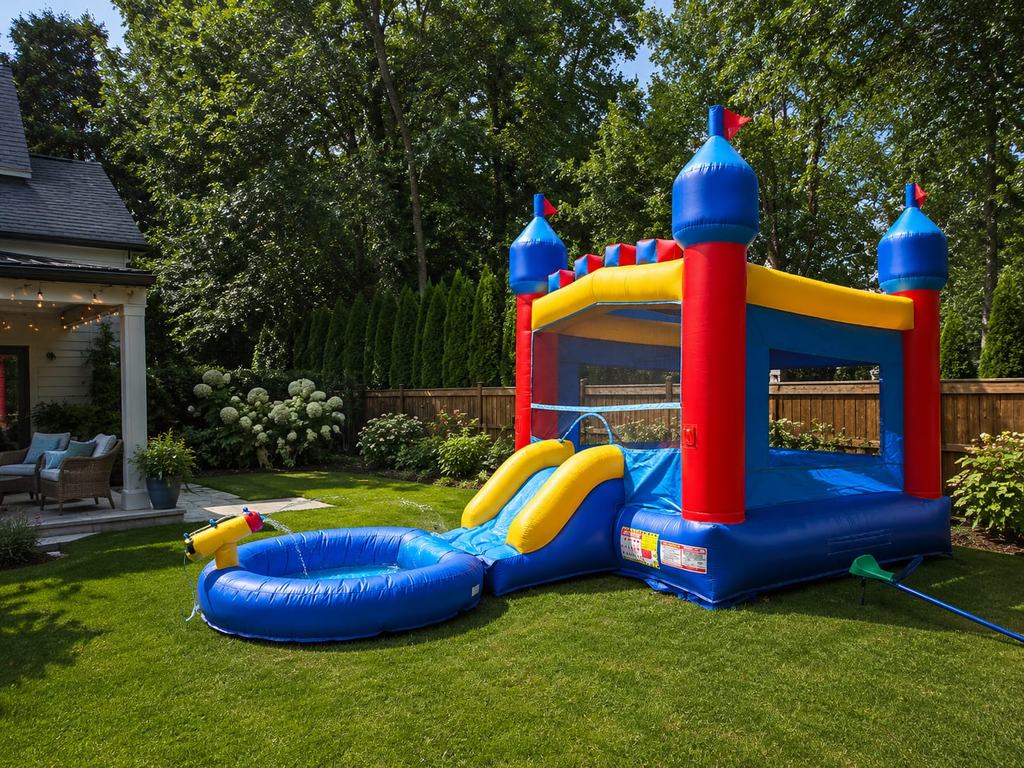
Choosing a Venue in Jefferson, Jackson County for Your outdoor movie night
When scouting a site, look for a relatively flat surface that can accommodate the tent footprint and leave room for guests to move comfortably. Backyards in the Jefferson area often have a mix of grass and occasional patio sections; grass is perfectly suitable as long as the ground is even and free of large rocks or debris. If the yard slopes slightly, consider using leveling boards or sandbags under the tent anchors to maintain stability. Measuring the available space ahead of time prevents surprises on the day of the event.
Access for the delivery vehicle is another crucial factor. The truck needs a clear driveway or street side where it can park and unload the tent, screen, audio gear, and seating. In Jefferson, many homes have driveways that open directly onto Old Pendergrass Road or connecting lanes, making the short ten‑minute trip from our warehouse straightforward. If the property is gated or has a narrow entry, inform the team in advance so they can bring the appropriate equipment or arrange a shuttle of smaller items from the curb to the setup zone.
Tent Selection, Screen Placement, and Weather Protection
Choosing the right tent size starts with your guest count. According to our verified capacities, a 10×20 tent comfortably seats 16‑20 people, a 20×20 tent seats 32‑40, and a 20×30 tent seats 48‑60. For larger gatherings, a 20×40 tent holds 64‑80 seated guests, while a 30×60 tent can accommodate 120‑150 seated guests or up to 180 in a cocktail‑style layout. Match the tent dimensions to the number of attendees you expect, keeping in mind that you will also need space for the screen, speaker placement, and aisles for easy movement.
Position the screen so that viewers have a clear, unobstructed line of sight. A common approach is to place the screen on one of the longer walls of the tent, centered, with the projector located at the opposite end, roughly 1.5‑2 times the screen width away for optimal focus. Install sidewalls on the windward side to protect the screen and equipment from gusts, and consider adding sidewall panels on all sides if rain is forecast. Secure the tent with stakes or weighted anchors appropriate for grass or soil, and verify that all connections are tight before raising the canopy.
Audio Setup and Visual Clarity for a Clear Movie Experience
Sound quality can make or break an outdoor movie night. Place the main speakers at ear level, angled slightly toward the audience, and keep them at least a few feet away from the tent walls to reduce reflections. If you are using a powered PA system, position the mixer and amplifier near a power source, using extension cords rated for outdoor use if necessary. Test the volume level before guests arrive; the audio should be loud enough to dialogue clearly but not so high that it causes discomfort or disturbs neighbors.
For the visual component, projector brightness is key. Aim for a projector with at least 3000 lumens if the event starts after dusk, as ambient light from nearby streetlights or the moon can wash out the image. Use a white or gray‑toned projection screen material that maximizes contrast while minimizing glare. Keep the projector lens clean and check focus during a short test clip; make any adjustments to zoom or lens shift before the main feature begins. Ensure that no lighting fixtures inside the tent shine directly onto the screen, as this can create hot spots that detract from the viewing experience.
Seating Layouts, Guest Count Math, and Comfort Essentials
Seating options can range from formal tables and chairs to casual blankets and low‑profile seating. A 6′ round table seats up to ten guests comfortably, making it ideal for small groups who want a shared surface for snacks and drinks. Rectangular tables work well for buffet-style setups: a 6′ rectangular table accommodates six to eight guests, while an 8′ rectangular table fits eight to ten. Cocktail tables, typically 30″ in diameter, are perfect for standing guests and can be spaced throughout the tent to encourage mingling.
To calculate the number of tables needed, divide your guest count by the seating capacity per table style and add a few extras for flexibility. For example, if you expect 50 guests and opt for 6′ round tables, you would need at least five tables (5 × 10 = 50) plus one or two backups. If you prefer a mix of seating, allocate a portion of the crowd to blankets or lawn chairs placed toward the back, reserving the central area for tables that hold food and drinks. Provide extra cushions or throws for added comfort, especially if the evening turns cool.
Ambient Lighting, Décor, and Creating a Cozy Atmosphere
Lighting should enhance the mood without interfering with the screen. LED tent lighting provides even illumination across the canopy and can be dimmed to a low level during the film, preserving contrast. Bistro strings draped above the seating area add a warm, festive glow and are especially effective when the tent walls are open or partially rolled up. Avoid placing bright lights directly in front of the screen; instead, use uplighting in the corners or lanterns on tables to create soft ambient light.
Decorative elements personalize the event and make it memorable. Consider a welcome mirror with custom wording that reflects the celebration—this small touch is offered at no extra charge and often becomes a photo focal point. Balloon garlands in the event’s color scheme can frame the entrance or the snack table, while themed pillows or blankets add comfort and visual interest. If you are celebrating a birthday or anniversary, a small backdrop with the honoree’s name or age placed near the screen gives guests a dedicated spot for pictures.
Timeline, Rain Plan, and Final Day‑of Checklist
A clear timeline keeps the day running smoothly. Aim to have the delivery crew arrive in the morning, allowing ample time to unload the tent, screen, audio gear, and seating. Setup typically takes two to three hours, depending on the size of the tent and the complexity of the layout. After the tent is raised and anchored, install the screen, position the projector, and run a quick sound check. As guests begin to arrive, have a designated person greet them, direct them to seating or refreshment areas, and ensure that any food stations are stocked and ready.
Prepare a rain plan well in advance. Sidewalls can be added quickly to shield the interior from precipitation, and the tent’s anchoring system should be checked to confirm it remains secure in wet conditions. If the forecast shows a high chance of storms or strong winds, discuss the possibility of moving the event to an alternative date with the client; our policy allows date changes when weather makes setup unsafe. On the day of the event, keep a phone line open for updates, and have a basic toolkit on hand for any minor adjustments, such as tightening a strap or repositioning a speaker.
Frequently asked questions
What tent size is best for a backyard movie night with around 40 guests?
A 20×20 tent comfortably seats 32‑40 guests, giving you enough space for the screen, speakers, and a small seating area while keeping guests protected from light breezes.
How far in advance should I confirm the date and tent setup for an outdoor movie night in Jefferson?
It is wise to lock in the date and tent footprint at least four to six weeks ahead, especially during peak seasons, to ensure availability of the desired tent size and equipment.
Can I set up the screen inside the tent without sidewalls if the weather is clear?
Yes, with clear skies you can keep the sidewalls rolled or removed for better airflow, but keep them nearby in case conditions change unexpectedly.
What type of seating works well for a mixed crowd of adults and children at a movie night?
Combining 6′ round tables for adults with blankets or low lawn chairs toward the back provides both table space for snacks and a relaxed area for kids to stretch out.
How do I ensure the audio is audible without disturbing neighbors in a Jefferson neighborhood?
Position speakers at ear level, aim them toward the audience, and conduct a quick volume test before guests arrive to balance clarity with considerate sound levels.
Is it necessary to have a generator for the projector and sound equipment?
Most residential setups can run from standard outdoor‑rated extension cords connected to a household outlet; a generator is only needed if the site lacks sufficient power access.