
Understanding the Basics of a Tent Rental for Pet Adoption
When you decide to host a pet adoption event outdoors, the first step is to secure a suitable tent rental that will protect animals, volunteers, and visitors from sun or light rain while maintaining an open, welcoming atmosphere. In Jefferson, Jackson County, many residents choose backyards off Old Pendergrass Road, the Traditions of Braselton area, or the neighborhoods surrounding Jefferson High School because these locations offer enough space for a tent, adoption tables, and a play zone for dogs and cats. A tent rental provides a defined boundary that helps control foot traffic, keeps supplies organized, and creates a professional look that encourages community participation. By working with a local provider that knows the area, you can schedule delivery and setup to coincide with the event’s start time, ensuring the structure is ready when the first guests arrive. This foundational decision influences every other aspect of planning, from the number of adoption stations you can accommodate to the type of flooring or ground cover you may need beneath the tent.
Understanding the basic components of a tent rental includes knowing the frame material, cover specifications, and optional sidewalls. For a pet adoption event, a clear‑span frame with a waterproof, UV‑protected cover is ideal because it resists wear from frequent entry and exit of animals and people. Sidewalls can be added later if wind or temperature becomes a concern, but many organizers prefer an open‑air feel to allow pets to be seen easily. The rental company will handle anchoring the tent to grass or concrete using appropriate stakes or weights, which is essential for safety in open spaces. Confirming the exact address, including street, city, state, and ZIP, allows the provider to calculate travel distance from their Pendergrass warehouse and confirm that the location falls within the 40‑mile service radius. This verification step prevents surprises on the day of the event and ensures timely arrival of the tent and any accompanying equipment.

Choosing the Right Tent Size for Your Guest Count
Determining the appropriate tent size begins with an honest estimate of how many people, animals, and supplies will be present at any given moment. For a pet adoption event, consider the number of adoption tables, each needing roughly six to eight feet of length to accommodate cages, signage, and a small queue of visitors. If you plan to have ten adoption stations, a linear layout of about sixty to eighty feet is required just for the tables. Adding a central aisle for safe movement and a separate area for a pet play zone or agility equipment increases the footprint. Using the capacity guidelines from the rental inventory, a 20 × 30‑foot tent comfortably seats up to sixty guests in a seated arrangement, which can be adapted to accommodate tables and standing space for visitors. If you anticipate higher attendance, a 20 × 40‑foot tent offers space for up to eighty guests in a seated configuration or up to one hundred in a cocktail‑style layout, giving you flexibility to add extra rows of tables or a small refreshment station.
For larger events, combining two tents can create a longer covered area without exceeding the limits of any single frame. A common pairing is a 20 × 40‑foot tent alongside a 20 × 20‑foot tent, placed side by side to form a continuous 20 × 60‑foot covered space. This arrangement respects the structural limits of the frames while providing ample room for adoption tables, a volunteer check‑in desk, a pet‑friendly water station, and a shaded resting area for animals awaiting adoption. When calculating guest count, remember that the tent’s rated capacity assumes standard seating; for an event with many standing visitors and equipment, you may want to select a size one step larger than the seated calculation suggests. Always verify the final layout with the rental provider to ensure that the chosen combination can be anchored safely on the specific ground conditions of your Jefferson backyard.
Site Preparation: Yard Grading, Access, and Utilities
Before the tent arrives, the host site must be prepared to accommodate the structure, delivery vehicles, and any additional equipment such as tables, chairs, or bounce‑house units if you decide to include them. Start by walking the proposed area and noting any slopes, low spots, or debris that could affect anchoring. Ideally, the ground should be relatively level; if there is a slight grade, the rental team can use adjustable base plates or extra stakes to compensate, but severe unevenness may require simple grading with a shovel or rake to create a uniform surface. Clearing the area of sticks, rocks, and loose gravel not only protects the tent cover but also provides a safer walking surface for visitors and animals. Mark the boundaries with spray paint or flags so the delivery crew knows exactly where to position the tent and any auxiliary structures.
Access for the delivery truck is another critical factor. The vehicle needs a clear path from the street to the setup zone, with enough width to maneuver and a firm surface to support its weight. In Jefferson, many residential streets have adequate width, but if you plan to use a driveway off Old Pendergrass Road or a shared access point near Traditions of Braselton, verify that there are no low‑hanging branches or narrow gates that could obstruct the truck. Additionally, identify the location of the nearest grounded exterior outlet; the tent’s blower for sidewalls or any auxiliary fans will need power, and a generator may be required if the outlet is farther than fifty feet from the setup point. Having a plan for power, water, and waste disposal ahead of time avoids last‑minute scrambling and helps the rental team complete the installation efficiently.
Layout Planning: Adoption Booths, Play Areas, and Flow
Once the tent is secured, sketching a layout on paper or a simple digital tool helps you visualize how adoption tables, volunteer stations, and pet‑friendly zones will fit within the covered space. Begin by placing the adoption tables along the perimeter or in rows that face a central aisle, allowing visitors to walk past each station comfortably. A typical table measures six feet in length, leaving enough room for a chair or stool for the volunteer and space for cages or pens. If you intend to include a small grooming or veterinary check area, locate it near one end of the tent where water access is available, keeping it separate from the high‑traffic adoption lanes to reduce stress on the animals. Clearly label each section with signage that can be attached to the tent frame or placed on freestanding boards.
Flow management is essential to ensure that both people and animals move safely and without congestion. Consider implementing a one‑way traffic pattern: visitors enter at one side, walk past the adoption tables, optionally stop at a play or interaction zone, and then exit at the opposite side. This layout minimizes bottlenecks and gives pets a chance to retreat to a quiet area if they become overwhelmed. Use lightweight barriers such as rope or decorative fencing to guide the flow without obstructing visibility. If you plan to offer refreshments for volunteers or visitors, place a small beverage table near the exit point, keeping food and drinks away from the animal zones to maintain cleanliness. Review the layout with the rental provider during the pre‑setup walkthrough to confirm that all elements fit within the tent’s dimensions and that anchoring points remain unobstructed.
Weather Contingencies and Rain Plan Strategies
Even in North Georgia, late spring and early summer afternoons can bring sudden showers, so having a rain plan is crucial for a pet adoption event. The primary protection comes from the tent’s waterproof cover, which will keep the interior dry as long as the sidewalls are secured if wind drives rain sideways. If the forecast shows a chance of precipitation, consider deploying sidewalls on at least two sides of the tent; this configuration reduces wind uplift and prevents water from blowing into the covered area. Sidewalls attach quickly to the frame using the provided brackets, and the rental team can assist with installation if you prefer not to handle them yourself. Keep extra stakes or sandbags on hand to reinforce the sidewall bases in case the ground becomes soft after rain.
Beyond the tent itself, think about ground conditions under the covered area. If the grass becomes saturated, it may turn slick, posing a slip hazard for both people and pets. Placing interlocking plastic ground tiles or portable rubber mats under high‑traffic zones such as the entrance, adoption tables, and volunteer check‑in station provides a stable surface that drains water away. These mats are easy to lay down before the event and can be removed afterward without damaging the lawn. Additionally, have a plan for relocating any temperature‑sensitive supplies, such as medication or food for the animals, to a dry interior space if the rain intensifies. Communicating the rain plan to volunteers ahead of time ensures everyone knows where to go and what to do if the weather changes, keeping the event running smoothly and maintaining a safe environment for the adoptable pets.
Permits, Local Regulations, and Coordination with Jefferson Authorities
Organizing a pet adoption event in Jefferson may require certain permissions depending on the scale, location, and activities involved. If you plan to use a public park, a street closure, or a portion of a municipal facility, you will need to submit an application to the Jefferson City Council or the relevant parks and recreation department. For events held entirely on private property, such as a backyard off Old Pendergrass Road, the primary requirement is often a notification to the homeowners’ association if one exists, ensuring that any temporary structures, noise, or increased traffic comply with community guidelines. Verify whether there are any restrictions on the number of animals allowed on the property at one time, especially if you are collaborating with a rescue group that may bring multiple dogs or cats.
Additionally, consider any health or animal services regulations that could affect the event. The Georgia Department of Agriculture may have guidelines for outdoor animal adoption events concerning vaccination records, leash laws, and waste disposal. Having copies of each animal’s health paperwork readily available demonstrates due diligence and can speed up any on‑site inspections. If you intend to offer food or beverages for human visitors, a temporary food service permit might be necessary, depending on the menu and the venue’s classification. Reach out to the Jackson County Environmental Health office early in the planning process to confirm what, if any, permits are required. Keeping a folder with all approvals, insurance certificates, and contact numbers for local officials will simplify day‑of coordination and provide peace of mind that the event is fully compliant.
Timeline: From Booking to Event Day Execution
Creating a clear timeline helps you stay on track and ensures that every detail receives the attention it needs. Begin by selecting a date at least six to eight weeks in advance, especially if you are aiming for a weekend in the peak spring or summer season when demand for tent rentals is high. Once the date is fixed, reach out to the rental provider to confirm availability of the desired tent size and any additional equipment such as tables, chairs, sidewalls, or lighting. Provide the exact event address, including street, city, state, and ZIP, so the provider can calculate delivery distance and confirm that the location lies within the forty‑mile service radius from their Pendergrass warehouse. After verbal confirmation, follow up with a written request outlining the items, quantities, and setup time; this documentation serves as the basis for the final agreement.
Two weeks before the event, conduct a site walkthrough with the rental team or a trusted volunteer to verify ground conditions, mark utility access points, and finalize the layout plan. Use this visit to confirm the placement of anchoring points, the location of the nearest power outlet, and any needed adjustments for drainage if the area tends to collect water. One week prior, double‑check that all permits have been approved, that insurance certificates are current, and that any borrowed equipment such as leashes, cages, or cleaning supplies is accounted for. On the day before the event, ensure that the tent and accessories are scheduled for delivery in the morning, allowing ample time for setup before the first volunteers arrive. After the installation, walk through the covered space with a checklist to confirm that sidewalls are secured if needed, that tables are level, and that pathways are clear. This methodical timeline reduces last‑minute surprises and helps the event run smoothly from the first adoption meet‑and‑greet to the final farewell.
Final Checklist and Day‑of Coordination Tips
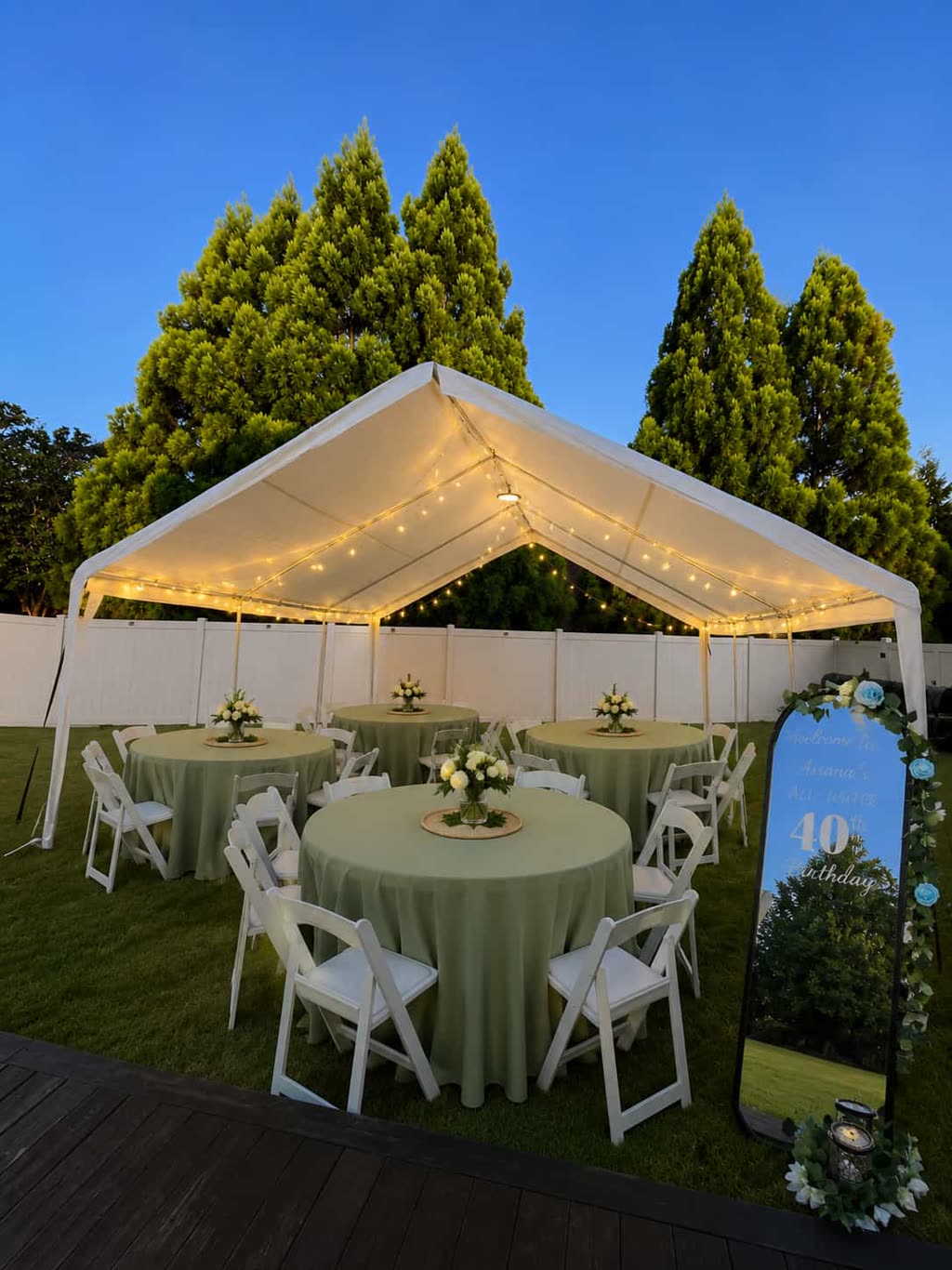
On the morning of the pet adoption event, a concise checklist keeps the team focused and ensures that nothing is overlooked. Start by verifying that the tent is fully erected, all sidewalls are fastened if weather calls for them, and that the anchoring system is tight. Confirm that tables are in their designated positions, linens are smooth, and that any decorative elements such as welcome mirrors or balloon arches are attached securely. Test any electrical connections for lights, fans, or audio equipment to make sure they function correctly before guests arrive. Have a stock of essential supplies on hand, including waste bags for pet cleanup, hand sanitizer stations for volunteers, and a first‑aid kit suitable for both humans and animals.
During the event, assign clear roles to volunteers: a greeter at the entrance to direct traffic, a table manager at each adoption station to oversee interactions, a flow monitor to watch for congestion and gently guide visitors, and a pet‑care attendant to provide water, monitor stress levels, and assist with any needed breaks. Keep a communication channel open, such as a group text or walkie‑talkies, so that any issues — like a sudden gust of wind loosening a sidewall or a spill near the beverage table — can be addressed promptly. After the last adoption is completed, begin the breakdown process by removing decorative items, folding tables, and stacking chairs. The rental team will then take down the tent, inspect the ground for any stakes or debris, and load the equipment for return to their warehouse. Following this structured approach leaves the site clean, the equipment accounted for, and the organizers free to celebrate the successful placement of countless pets into loving homes.
Frequently asked questions
What size tent is suitable for a pet adoption event with about fifty visitors and ten adoption stations?
A 20 × 30‑foot tent comfortably accommodates up to sixty guests in a seated layout, providing enough room for ten adoption tables, aisles, and a small play zone, making it a good fit for an event of this scale.
How far in advance should I book the tent rental for a Jefferson pet adoption event?
It is advisable to request availability at least six to eight weeks before the desired date, especially for weekend dates during peak seasons, to ensure the preferred tent size and any additional equipment are secured.
Do I need sidewalls for the tent if rain is only a light chance?
Sidewalls are not required for a light rain chance if the tent’s waterproof cover is intact, but having them ready to deploy on two sides offers extra protection against wind‑driven rain and can be installed quickly if conditions change.
What preparations are needed for the backyard before the tent arrives?
Clear the area of debris, ensure relatively level ground, verify truck access, and locate a grounded exterior outlet for any blowers or fans; marking the layout with flags or spray paint helps the placement team work efficiently.
Are any permits required for a pet adoption event held on private property in Jefferson?
Generally, no city permit is needed for events on private property, but you should check with any homeowners’ association and confirm compliance with local animal welfare regulations and waste disposal guidelines.
How can I manage visitor flow to keep the adoption area calm for the animals?
Implement a one‑way traffic pattern using ropes or lightweight barriers, place adoption tables along the perimeter with a central aisle, and provide a quiet zone away from high traffic for stressed pets to retreat.