
Understanding Generator Basics for Outdoor Events
When you host an outdoor tent event in Jefferson, Jackson County, a reliable power source often becomes essential for lighting, sound, catering equipment, or climate control. A generator provides the electricity needed to keep everything running smoothly, especially when the venue is a backyard off Old Pendergrass Road or a property near Traditions of Braselton. Knowing the fundamentals helps you choose a unit that matches the load without over‑specifying, which saves fuel and reduces noise. Begin by listing every device you plan to run, noting its wattage, and then add a safety margin of about 20 percent to accommodate start‑up surges. This simple calculation prevents overloads and ensures the generator can handle peak demand during the event.
In Jefferson, many residents rely on generators for celebrations that extend into the evening, such as quinceañeras, graduations, or family reunions. The typical backyard in this area ranges from 0.2 to 0.5 acres, offering enough space to place the generator at a safe distance from the tent while still keeping cables manageable. Remember that the generator must sit on a level, non‑flammable surface, preferably a concrete pad or a sturdy plywood platform, to avoid tipping. Proper grounding is also critical; use a grounding rod if the unit does not have a built‑in ground fault circuit interrupter (GFCI). These basics set the stage for a safe and efficient power supply throughout your gathering.
Selecting the Proper Generator Size and Type
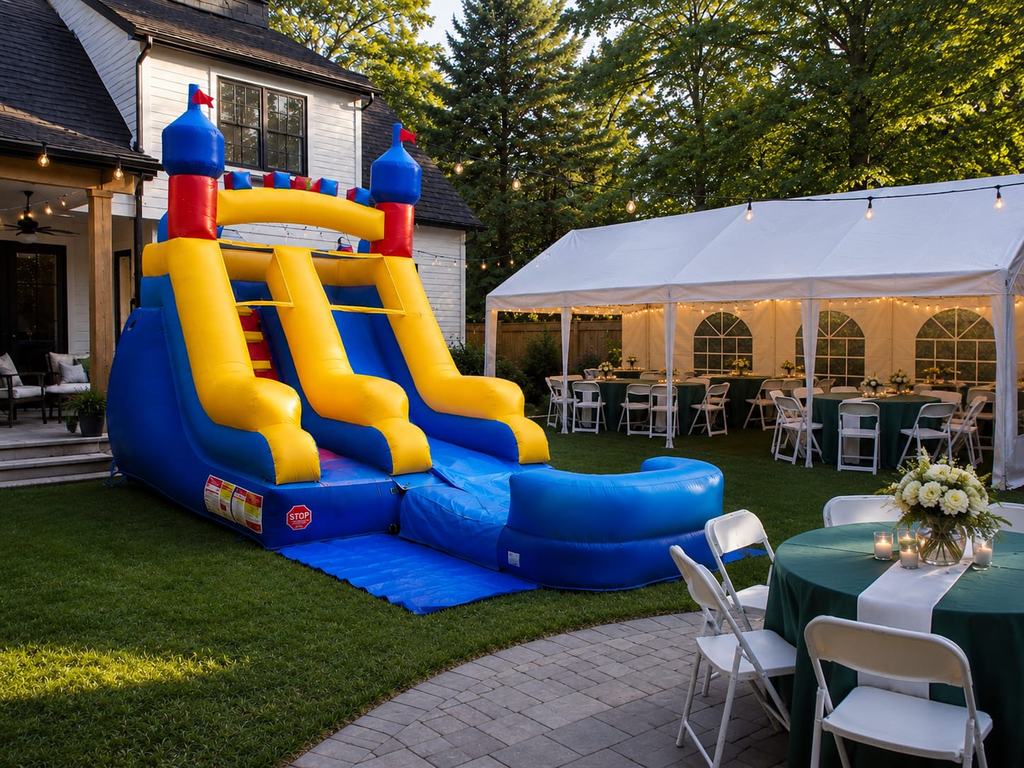
The keyword generator appears here because choosing the right unit is the cornerstone of a successful setup. For a modest tent lighting and sound system, a 5 kW to 7 kW inverter generator often suffices, delivering clean power that protects sensitive electronics like LED lighting controllers and digital mixers. If you plan to run a taquiza grill, a bounce‑house blower, or a portable air conditioner, you may need a 10 kW to 12 kW unit. Always verify the continuous rating, not just the peak rating, because continuous output determines how long the generator can run without overheating.
In Jefferson’s humid climate, an inverter generator with a low‑tone exhaust and a fuel‑efficient engine is advantageous. These models adjust engine speed to the load, which reduces fuel consumption and noise during lighter periods, such as when guests are dining and the sound system is idle. Look for units with a certified noise level below 60 dBA at 23 feet, which is comparable to a normal conversation. Additionally, consider dual‑fuel capability (gasoline and propane) if you want flexibility; propane burns cleaner and can be stored safely for longer periods, which is useful for multi‑day events.
Safe Placement and Fuel Management
Placement directly impacts both safety and noise levels. Position the generator at least 10 feet away from the tent walls, seating areas, and any cooking stations to keep exhaust fumes and heat clear of guests. In Jefferson’s typical suburban lots, a spot near the property line but still within reach of a heavy‑duty extension cord works well. Ensure the exhaust points away from the gathering area and any nearby windows or doors of neighboring homes. A flat, stable surface prevents vibration that could loosen connections or cause the unit to shift.
Fuel management is equally important. Store gasoline in approved, clearly labeled containers away from direct sunlight and heat sources, and never refuel while the generator is running or hot. If you opt for propane, keep the tank upright and secured with a strap to prevent tipping. Calculate fuel consumption based on the generator’s load rating; a 7 kW unit at half load may use roughly 0.4 gallons per hour, so a 5‑gallon canister will last about 12 hours. Keep a small spare fuel container on hand for unexpected extensions, and always have a fire extinguisher rated for Class B fires within reach.
Noise Reduction Strategies for Neighborhood-Friendly Events
Even a well‑chosen generator can produce sound that may disturb neighbors, especially in close‑knit Jefferson communities surrounding Jefferson High School. Start by using the generator’s built‑in eco‑mode or economy switch, which lowers engine speed when the electrical demand is low. Pair this with a sound‑absorbing enclosure or a purpose‑made generator silencer box; these accessories can reduce perceived noise by 5‑10 dBA without compromising ventilation. Place the enclosure on a soft surface like rubber mulch to further dampen vibration.
Another effective technique is to orient the exhaust pipe upward and away from the gathering, then add a simple deflector made of heat‑resistant metal to direct noise upward rather than outward. Consider timing the noisiest operations, such as the initial startup, for early in the event when guests are still arriving and ambient background noise is higher. Communicate with adjacent residents ahead of time, letting them know the expected duration and offering a point of contact if concerns arise; this goodwill often prevents complaints and keeps the atmosphere pleasant for everyone.
Electrical Setup: Cords, Load Distribution, and Safety Devices
Once the generator is positioned, run heavy‑duty, outdoor‑rated extension cords from the unit to the power distribution point inside or near the tent. Use cords rated for at least 12 gauge and equipped with molded connectors to resist moisture and abrasion. Keep cord runs as short as practical to minimize voltage drop; if you must exceed 100 feet, consider upgrading to a thicker gauge or using a portable power distribution box that steps down voltage locally. Never coil cords tightly while in use, as this can cause overheating.
Inside the tent, employ a certified power strip or a rugged distribution box equipped with circuit breakers or fuses matched to the total load. This setup protects both the generator and your equipment from short circuits. Plug lighting, sound, and catering devices into separate circuits when possible to balance the load. Always test each connection with a plug‑in voltage tester before powering up the full system, and verify that the generator’s output voltage stays within the 110‑120 V range under load. These steps ensure a stable, safe electrical environment throughout your event.
Weather Considerations and Rain Plan Integration
Jefferson’s weather can shift quickly, especially during spring and summer months, so incorporate a rain plan that protects both the generator and your electrical connections. If precipitation is forecast, place the generator under a sturdy, waterproof canopy that allows adequate airflow on all sides; never fully enclose the unit, as this risks overheating and carbon monoxide buildup. Position the canopy at least three feet above the generator’s exhaust to prevent water from entering the vent.
Protect extension cords and connectors with waterproof covers or silicone sealant at junction points. Elevate cords off the ground using cord‑covered ramps or PVC conduit to avoid standing water. In the event of heavy rain, have a backup plan to shift essential loads to battery‑powered lighting or to temporarily reduce non‑essential power use until conditions improve. Always monitor the generator’s temperature gauge and shut it down if it exceeds the manufacturer’s safe operating range, then restart only after the unit has cooled and the area is dry.
Final Checklist and Day‑of Timeline for Jefferson Hosts
A concise timeline helps you stay organized on the day of the event. Begin the morning by confirming fuel levels, checking oil, and verifying that the generator starts smoothly. Perform a quick safety walk: ensure the unit is on a stable surface, exhaust points away from guests, and all cords are intact. Set up the distribution box inside the tent and label each outlet for easy reference.
As guests arrive, engage the generator’s eco‑mode to keep noise low during the welcome period. When the main program begins — speeches, music, or catering — switch to regular mode to guarantee sufficient power. Assign a responsible adult to monitor fuel, listen for unusual sounds, and check the generator’s temperature every hour. When the event winds down, gradually reduce the load, allow the generator to run idle for a few minutes to stabilize, then shut it off following the manufacturer’s procedure. Finally, store fuel safely, clean any spills, and inspect the unit for damage before storing it for future use. This systematic approach delivers a reliable, quiet power solution that lets you focus on enjoying your Jefferson celebration.
Frequently asked questions
What size generator do I need for a typical 20x30 tent event in Jefferson?
For a 20x30 tent that comfortably seats 48‑60 guests, a 7kW to 10kW inverter generator usually covers lighting, sound, a taquiza grill, and a bounce‑house blower. Add up the wattage of each device, then include a 20 percent margin for startup surges to size the unit correctly.
How far should the generator be placed from the tent and guest areas?
Keep the generator at least 10 feet away from tent walls, seating, and cooking stations to prevent exhaust fumes and heat from reaching guests. Position the exhaust pipe pointing away from the gathering and any nearby windows or doors of neighboring homes.
Can I run the generator continuously for an eight‑hour event?
Yes, as long as the generator’s continuous rating matches your load and you maintain proper fuel and oil levels. Check the fuel consumption rate at your expected load; a 7kW unit at half load may use roughly 0.4 gallons per hour, so a five‑gallon canister will last about twelve hours.
What noise‑reduction tricks work best in Jefferson neighborhoods?
Use the generator’s eco‑mode, add a sound‑absorbing enclosure or silencer box, orient the exhaust upward with a deflector, and place the unit on a soft surface like rubber mulch. Start noisy operations early when ambient background noise is higher to reduce perceived disturbance.
How do I protect the generator and cords if it rains?
Place the generator under a waterproof canopy that allows airflow on all sides, never fully enclosing it. Elevate cords off the ground with PVC conduit or cord‑covered ramps, and use waterproof covers or silicone sealant on connectors to keep moisture out.
Who should monitor the generator during the event?
Designate a responsible adult to check fuel levels, listen for abnormal sounds, and verify the temperature gauge every hour. This person can also manage load shifts if needed and ensure a safe shutdown when the event concludes.