
Understanding Mosquito Behavior in North Georgia Summers
In Jefferson, Jackson County, the warm evenings that follow a sunny day create ideal conditions for mosquitoes to become active, especially near the tree‑lined backyards off Old Pendergrass Road and the open fields surrounding Traditions of Braselton. These insects locate hosts by sensing carbon dioxide, body heat, and specific skin chemicals, which means a gathering of 30‑50 guests under a 20×20 tent can quickly become a feeding hotspot if no preventive steps are taken. Understanding that mosquito activity peaks between dusk and the first two hours after sunset helps hosts plan the timing of food service, speeches, and dancing to keep the most vulnerable periods covered by barriers or airflow. Knowing the local species, such as the Asian tiger mosquito that thrives in suburban lawns, guides the choice of control methods that target both breeding sites and adult flight paths.
When planning a tent event in Jefferson, consider the guest‑count math that directly influences mosquito pressure: a 10×10 tent comfortably seats 6‑8 people, while a 20×20 tent holds 32‑40 seated guests, and a 30×60 COBIZI structure can accommodate 120‑150 seated attendees. More bodies mean more exhaled carbon dioxide and body heat, which amplify the attraction signal for mosquitoes. By matching the tent size to the expected headcount—using the verified capacities from DecoEvent ATL’s inventory—you avoid overcrowding that would otherwise increase bite risk. This calculation also helps determine how many repellent stations or fans are needed per square foot, ensuring that protective measures scale with the size of the gathering and the layout of tables, chairs, and dance floor.

Site Preparation: Choosing the Right Yard Spot
Selecting a location that minimizes natural mosquito habitats is the first line of defense for any outdoor tent event in Jefferson’s residential neighborhoods. Look for a flat, well‑drained area of grass that sits at least 10 feet away from dense shrubbery, standing water, or compost piles, as these are prime breeding grounds for the species common around Jefferson High School. If the backyard slopes slightly, orient the tent so the entrance faces the prevailing breeze—often from the west in late spring—so that airflow can help disperse carbon dioxide plumes before they settle over the guest area. Removing leaf litter, trimming low branches, and ensuring the soil is firm enough to hold stakes or sandbags creates a clean perimeter that reduces resting sites for adult mosquitoes.
Drive logistics also play a role in site prep; DecoEvent ATL’s warehouse in Pendergrass is roughly a ten‑minute drive to most Jefferson locations, meaning the delivery truck can arrive early enough to perform a quick yard walk‑through before the tent is raised. Use this time to mark the exact corners with spray paint or flags, confirming that the footprint avoids any hidden ditches or irrigation lines that could collect water after rain. A clear, debris‑free zone not only simplifies the anchoring process—whether you are installing on grass with augers or on a concrete pad—but also limits the number of places where mosquitoes can hide during the day, making evening control measures more effective.
Tent Setup Practices that Reduce Mosquito Entry
When the COBIZI commercial tent is erected, the frame and cover create a sealed envelope that can be further tightened to keep mosquitoes out. Ensure that all sidewalls are securely fastened to the ground with the supplied stakes or sandbags, leaving no gaps larger than a quarter inch along the base; even a small opening can allow dozens of insects to slip inside during peak feeding times. If the event calls for an open‑air feel, consider installing mesh sidewalls that retain airflow while blocking insect passage, a product that DecoEvent ATL can provide upon request. The tent’s waterproof cover also prevents rain‑induced puddles from forming on the top surface, which could otherwise become miniature breeding sites if water lingers after a storm.
Another practical tip is to seal the seams where the tent fabric meets the frame using the manufacturer‑recommended tape or adhesive strips; this eliminates micro‑crevices that mosquitoes exploit to crawl inside. For events that require a dance floor or a buffet table placed near the tent wall, position these items at least three feet away from the sidewall to maintain a clear buffer zone where air can circulate and insects are less likely to linger. Finally, after the tent is raised, perform a quick visual inspection with a flashlight at dusk to spot any missed openings; addressing them before guests arrive prevents the need for disruptive mid‑event adjustments that could disturb the celebration.
Using Physical Barriers and Screens Effectively
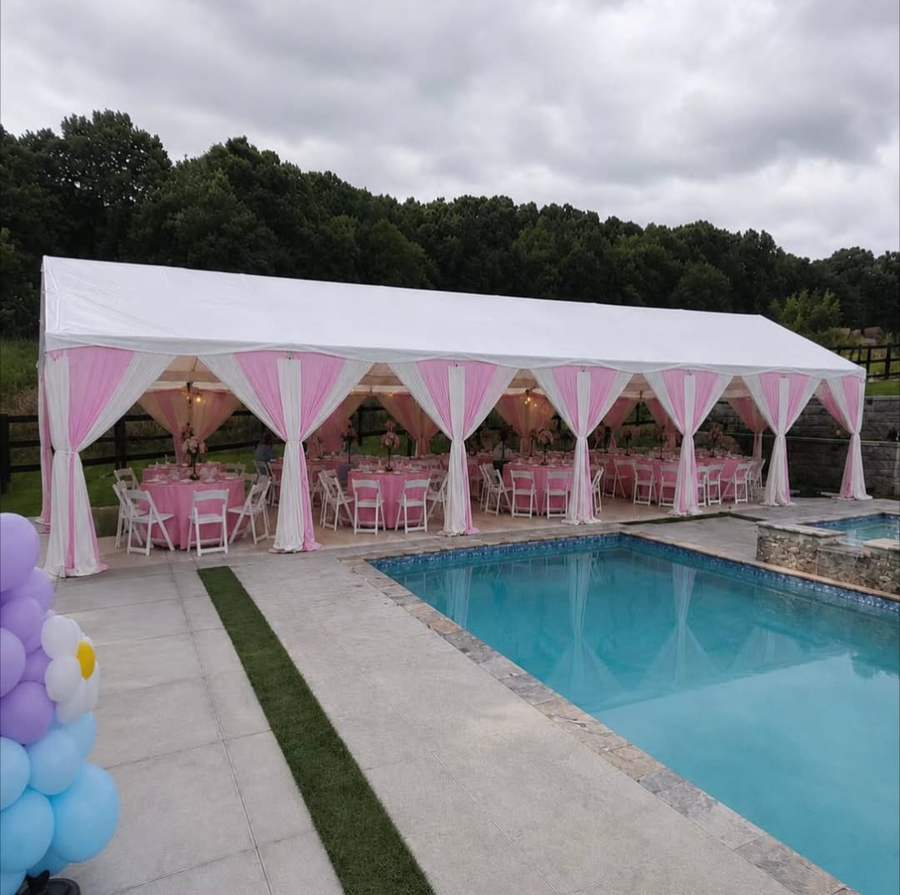
Physical barriers remain one of the most reliable ways to stop mosquitoes from reaching guests, especially when combined with the tent’s inherent enclosure. Hang fine‑mesh netting over any open sides, entryways, or service windows, making sure the mesh size is no larger than 1.2 mm to block even the smallest species prevalent in Jackson County. Secure the netting with zip ties or Velcro strips that can be removed easily after the event, preserving the tent’s integrity for future rentals. For larger gatherings where a buffet or cocktail station is set up outside the main tent, a freestanding screen enclosure—similar to a pop‑up canopy with mesh walls—can create a protected serving line that keeps food and drinks free from contamination.
In addition to netting, consider placing floor‑level barriers such as rolled‑up tarp edges or weighted sandbags along the tent’s perimeter to deter mosquitoes that prefer to fly low over grass. These barriers break the low‑altitude flight path and force insects to gain altitude, where they are more likely to encounter the airflow from fans or the deterrent effect of citronella candles. When using multiple barriers, overlap them by at least six inches to eliminate any gaps that could form as the tent settles or as wind shifts the fabric. Regularly check the barriers throughout the event, especially after any rain or heavy foot traffic, to ensure they remain taut and effective.
Environmental Tweaks: Lighting, Fans, and Standing Water
Lighting choices influence mosquito behavior more than many hosts realize; bright white LEDs can attract insects, while warmer amber tones are less appealing. For a Jefferson tent event, opt for soft‑white or amber LED tent lighting that provides sufficient illumination for dining and dancing without acting as a beacon for mosquitoes. If you desire a festive atmosphere, string lights with a warm hue can be draped above the dining area, but keep them at least three feet above the table surface to reduce the chance of insects landing on food. Pairing lighting with low‑speed oscillating fans creates a gentle breeze that disperses carbon dioxide and makes it harder for mosquitoes to locate hosts, especially when the fans are positioned near the entry points and along the sidewall.
Standing water is the primary breeding ground for mosquitoes, so a quick site scan before the event is essential. Empty any flower pot saucers, birdbaths, or children’s wading pools that may have collected rainwater in the days leading up to the celebration. If the backyard includes a decorative fountain or a rain barrel, ensure it is covered with a tight‑fitting lid or treated with a larvicide approved for residential use, following the manufacturer’s instructions. After the event, repeat the inspection to remove any water that may have accumulated from spilled drinks or melted ice, preventing the site from becoming a breeding hub for the next gathering.
Chemical‑Free Repellents and Natural Options
Many hosts in Jefferson prefer to avoid synthetic sprays, especially when children or pets are present, and there are several effective chemical‑free strategies that integrate seamlessly with a tent setup. Citronella candles placed in sturdy metal holders around the perimeter of the tent create a mild smoke barrier that masks host odors; for a 20×20 tent, aim for at least six candles spaced evenly every three feet to maintain a consistent protective zone. Essential‑oil diffusers using lemongrass, eucalyptus, or lavender can be positioned near the entryway and at each corner of the tent, releasing a vapor that mosquitoes find unpleasant while remaining pleasant to guests. Remember to replace candles or refill diffusers every hour during peak activity to sustain the effect.
Another natural approach involves encouraging natural predators; installing a small bat house on a nearby tree or pole can reduce mosquito populations over time, though its impact is more long‑term than immediate for a single event. For immediate relief, consider using fans infused with a few drops of peppermint oil on the blades—a technique that combines airflow with a scent mosquitoes dislike. Herbal sachets filled with dried rosemary, mint, or cloves can be tucked into table centerpieces or hung from the sidewall, providing a subtle repellent presence without obstructing the view. All of these options are compatible with DecoEvent ATL’s inventory of tables, chairs, and linens, allowing you to layer protection without compromising the aesthetic of the celebration.
Timeline and Rain Plan: Keeping Protection Intact All Day
A well‑structured timeline ensures that mosquito control measures are in place from the moment guests arrive until the final goodbye. Begin the day with a site inspection at least two hours before the scheduled start time; use this window to remove standing water, set up barriers, place citronella candles, and turn on fans. As guests arrive, greet them with a quick reminder to keep food covered and to avoid leaving drinks unattended, as open containers can attract insects. Schedule the main meal and any speeches for the earlier part of the evening—ideally before sunset—when mosquito activity is still low, saving the dancing and open‑floor time for later when the tent’s sidewalls, screens, and airflow are fully operational.
Rain plans are equally important for maintaining mosquito protection; DecoEvent ATL recommends adding sidewalls to the tent whenever the forecast shows a chance of precipitation, as closed walls prevent rain from entering while still allowing you to run mesh inserts or screens for airflow. If a sudden shower does occur, the sidewalls keep the interior dry, reducing the likelihood of puddles forming on the floor that could become breeding sites later. After the rain passes, perform a quick check to drain any water that may have collected on the tent top or along the ground, and re‑activate fans and candles to restore the protective breeze. By aligning the event schedule, setup steps, and contingency plans with the local conditions of Jefferson, Jackson County, you create a comfortable environment where guests can enjoy the celebration without the distraction of biting insects.
[[FAQ] How early should I start mosquito control preparations for a tent event in Jefferson? :: Begin preparations at least two hours before the event start time. Use this period to eliminate standing water, set up physical barriers, place citronella candles, and turn on fans. Early action ensures that protective measures are fully operational when guests arrive, reducing the chance of mosquitoes establishing a presence during the celebration. What size tent should I choose based on guest count to minimize mosquito attraction? :: Match the tent size to your verified guest count using DecoEvent ATL’s capacities: a 10×10 tent seats 6‑8, a 20×20 holds 32‑40 seated, and a 30×60 COBIZI accommodates 120‑150 seated. Proper sizing avoids overcrowding, which lowers carbon dioxide and heat output that attract mosquitoes, and helps you scale repellent stations and airflow devices appropriately. Are mesh sidewalls effective for keeping mosquitoes out while maintaining airflow? :: Yes, mesh sidewalls with a aperture no larger than 1.2 mm block most mosquito species while allowing air to circulate. Secure them tightly to the tent frame and overlap seams by at least six inches to eliminate gaps. This setup provides protection without sacrificing the breezy feel guests enjoy during outdoor events. How can lighting affect mosquito activity at my tent event? :: Bright white LEDs tend to attract mosquitoes, whereas warmer amber or soft‑white LEDs are less appealing. Choose amber tent lighting for illumination and pair it with low‑speed oscillating fans to create a dispersing breeze that makes it harder for mosquitoes to locate hosts, especially near entry points and along the sidewalls. What natural, chemical‑free repellents work well for a Jefferson tent event? :: Citronella candles placed every three feet around the tent perimeter, essential‑oil diffusers with lemongrass or lavender near corners, and herbal sachets of rosemary, mint, or cloves tucked into centerpieces provide effective, pleasant‑smelling barriers. Replace or refresh these items hourly during peak mosquito activity to maintain their effectiveness. What should I do if rain occurs during my event to keep mosquito protection intact? :: If rain is forecast, add sidewalls to the tent to keep the interior dry while still allowing mesh inserts or screens for airflow. After any shower, drain water from the tent top and ground, reactivate fans and candles, and inspect barriers for tears or gaps. This maintains a dry, protected environment and prevents new breeding sites from forming. ]